
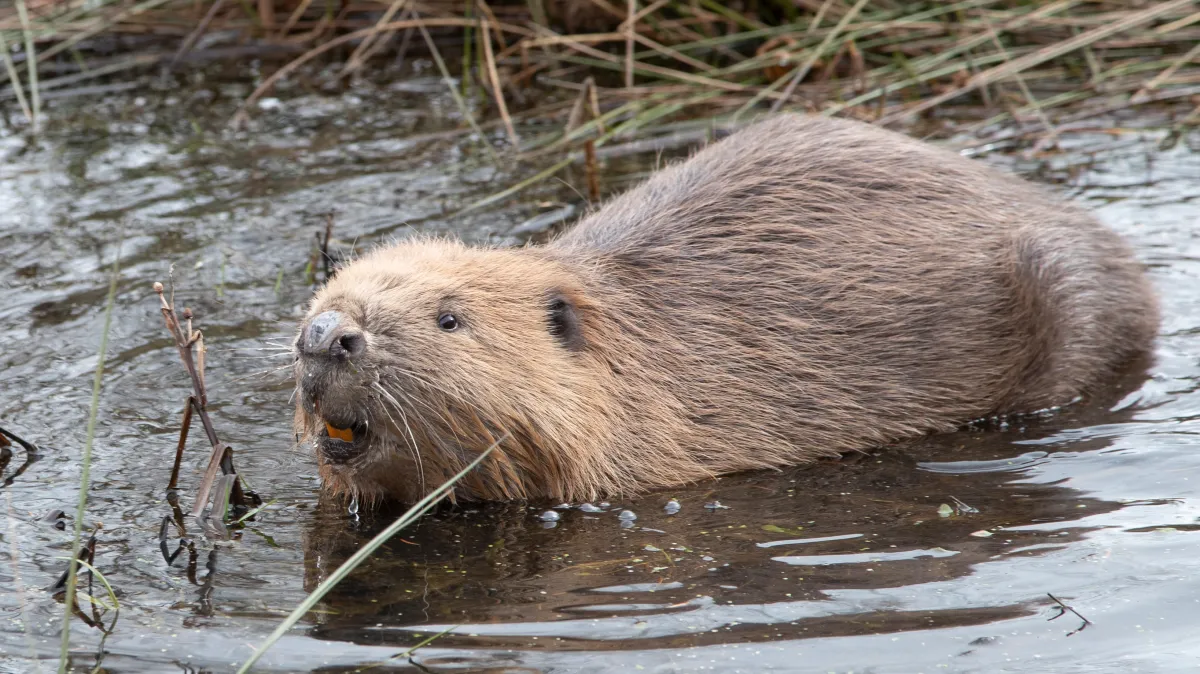
When Fig the beaver was brought to vets his head was peppered with shrapnel and his two upper front incisors had been blown away.
Someone had shot the animal in the face and left him for dead, a victim, perhaps, of hostility to rewilding in Scotland.
That was the spring of 2023. Three years later and Fig is not just thriving in the wild: he has started his own little family. And his two front teeth have grown back.
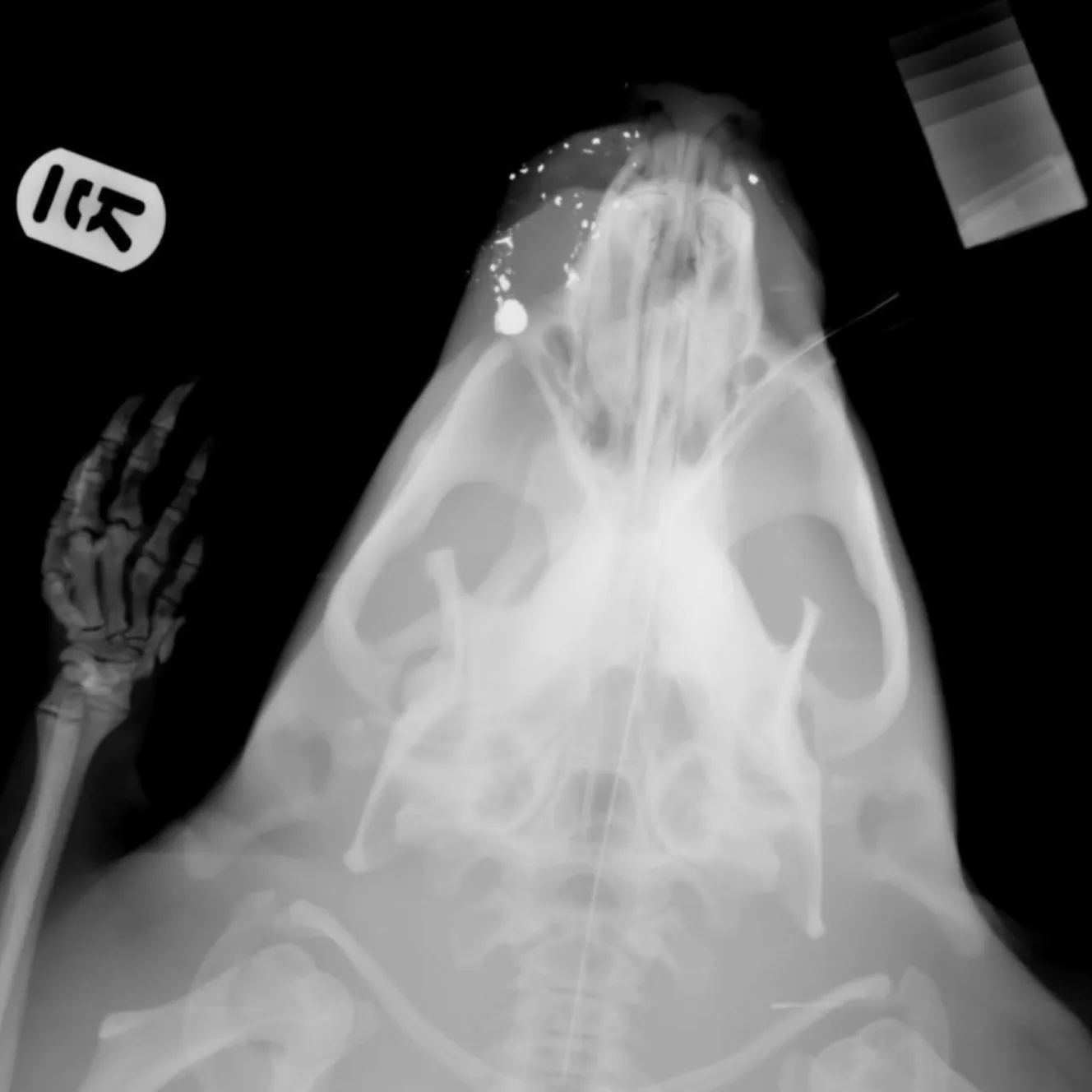 An x-ray shows shrapnel embedded in the beaver’s headSSPCA
His recovery has been hailed as a victory for efforts to support beavers, a protected species in Scotland since 2019 and a key ally of humans in preventing flooding on burns and rivers and cleaning polluted water.
Fig, who was found by a member of the public in Perthshire, was taken to the National Wildlife Rescue Centre, run by the Scottish Society for the Prevention of Cruelty to Animals (SSPCA) in Alloa. He was then released by the Beaver Trust charity near Argaty Red Kites, a family farm near Doune, Stirlingshire, that specialises in rewilding.
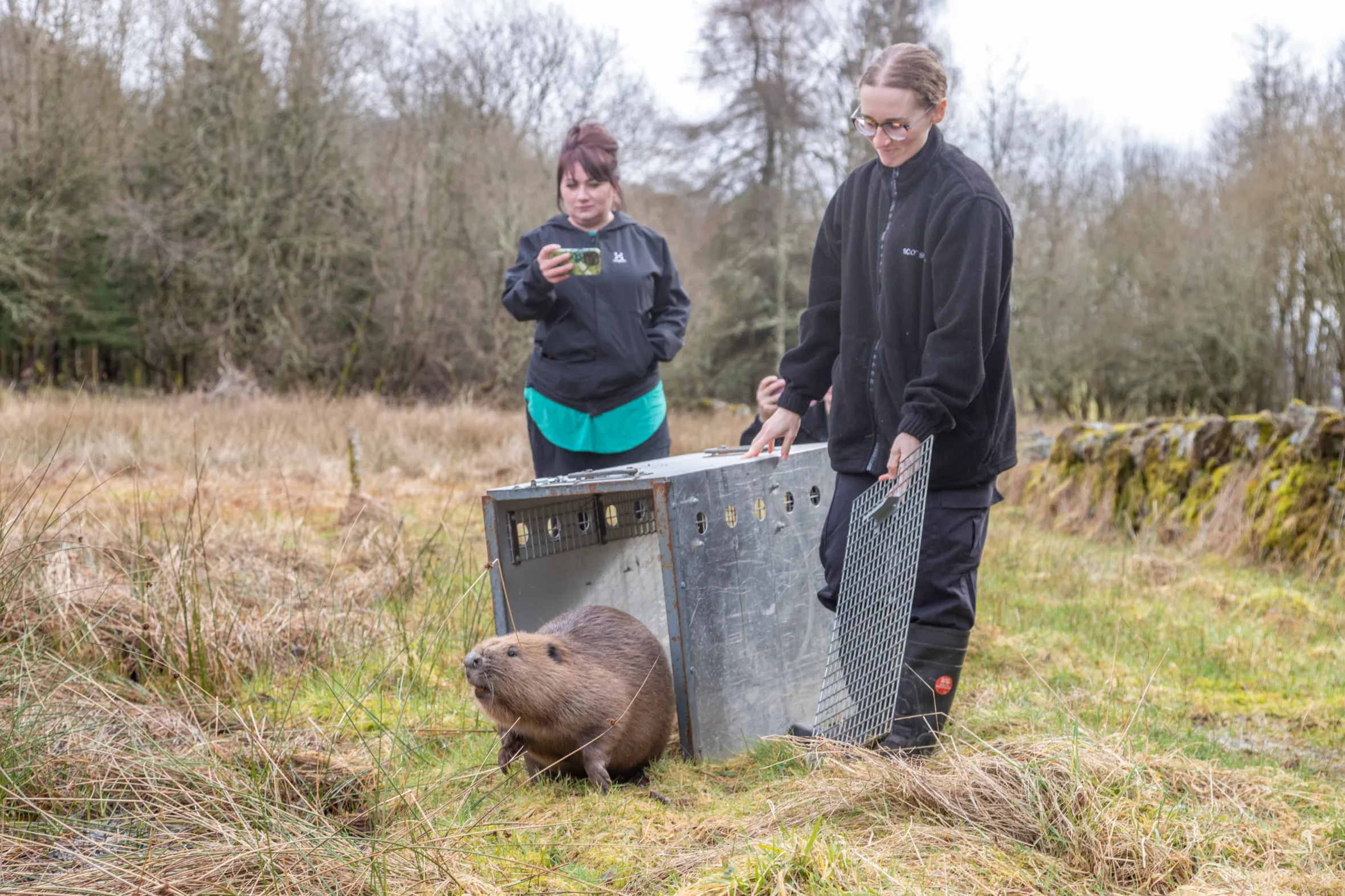 Fig being released back into the wildJoshua Glavin/Beaver Trust
Sean Meechan, wildlife operations lead at the SSPCA, said: “We were so pleased we were able to release Fig after his period of rehabilitation at our National Wildlife Rescue Centre.
“Under the care of our dedicated team, Fig was able to go from strength to strength and is now thriving once more out in the wild. This was thankfully a happy ending to a horrible incident. A massive thank you to the Beaver Trust and the team at Argaty Red Kites who helped with Fig’s release.”
Roisin Campbell-Palmer, head of restoration at the Beaver Trust, said: “Fig’s journey is a brilliant example of how careful rehabilitation and welfare-led translocation can deliver long-term success.
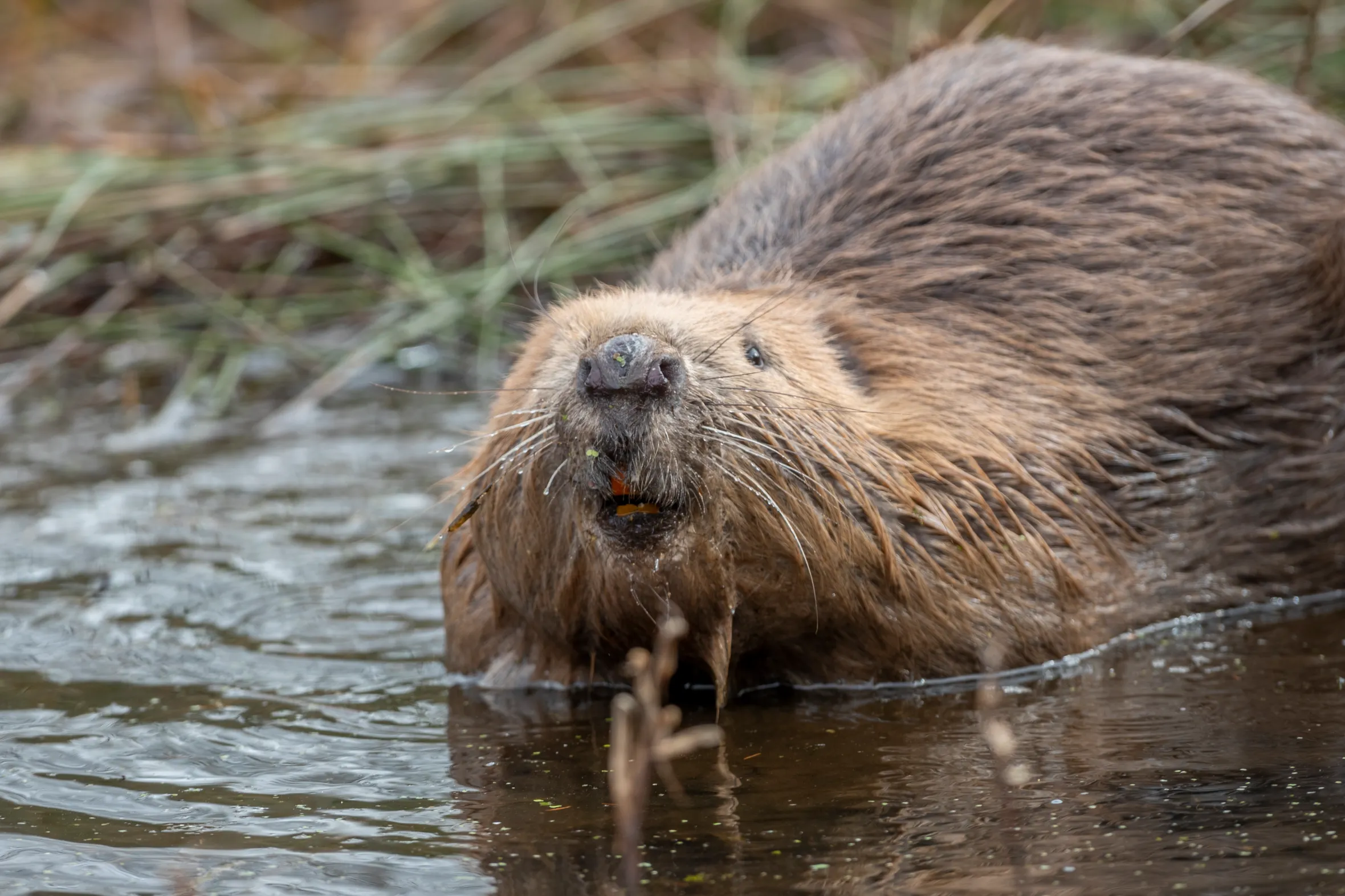 Elliot McCandless/Beaver Trust
“Seeing him find a mate and raise young is exactly what we hope for. It shows he’s healthy, settled and able to express natural behaviours, which is at the heart of everything we do.”
Fig did not have an easy time in the wildlife hospital. Vets fed him on a diet of wood and carrot shavings, the only thing he could eat. They also had to file down his bottom two incisors in case they cut his face. Eventually his upper teeth grew back from bloody stumps because the roots had not been damaged.
It is legal to shoot beavers in areas where they may be doing more harm than good but only under strict licensing conditions from NatureScot. Scientists are not sure of the scale of unregulated culling of the animals, something believed to take place in Perthshire. A number of injured beavers have been rescued.