
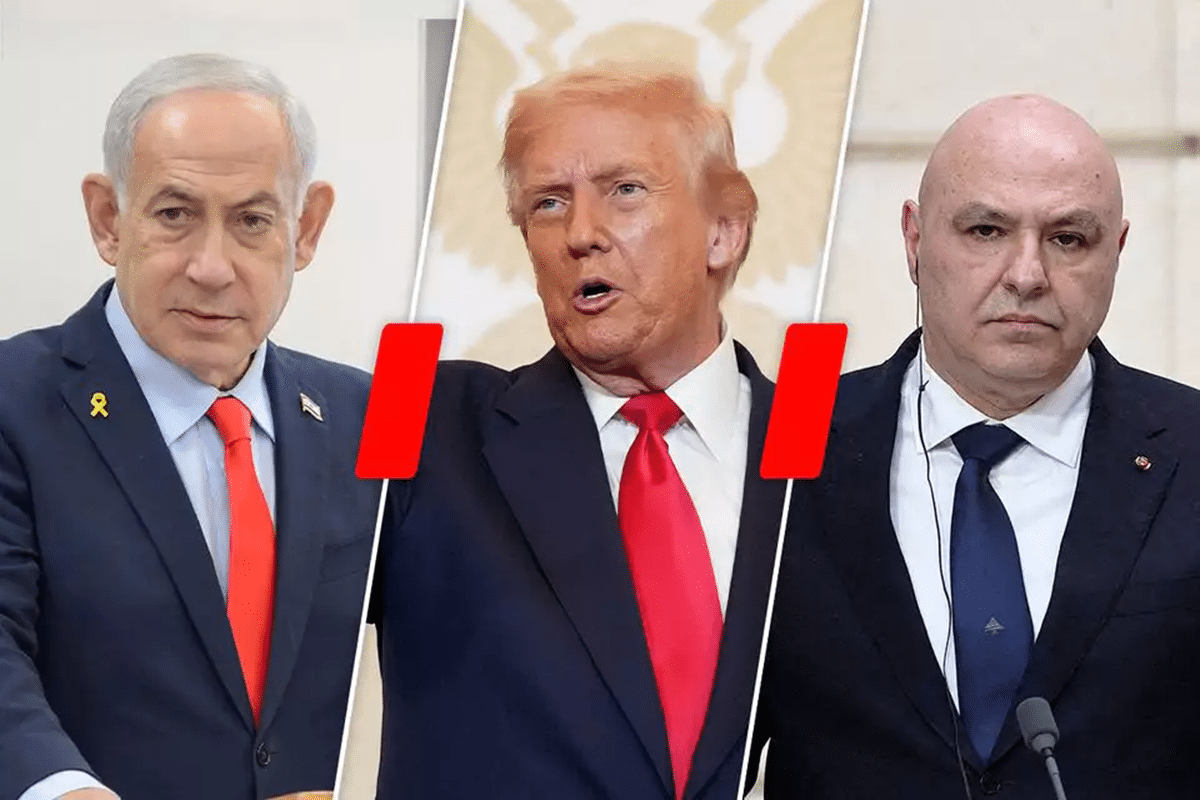
The Lebanese newspaper Nidaa Al-Watan reported Sunday morning that in a preliminary trilateral meeting between the US, Israel, and Lebanon held the previous Friday, the Lebanese side raised several points. According to the report, the most prominent was Beirut’s insistence on establishing a ceasefire before any direct negotiations begin.
The report also noted that Lebanon is awaiting a direct meeting with the Israeli side on Tuesday to determine Israel’s response to that demand – a response that will determine the fate of the talks. At the same time, Lebanese sources confirmed that Lebanon has been monitoring the negotiations in Pakistan between Iran and the US, given their implications for the region.
According to those sources, Lebanon has succeeded in separating the Lebanese issue from the Iranian one, describing it as a matter of sovereignty from which there can be no retreat. The sources also stressed that Lebanon will not accept any party negotiating on its behalf.
The sources added that Lebanon will do whatever is necessary to reach a ceasefire, but that it is not party to any agreement concerning Iran. This is despite Iranian attempts to suggest they had reached a ceasefire in Lebanon prior to entering negotiations. The sources noted that while the Iranian side sat at the negotiating table on Saturday, strikes on Lebanon continued.
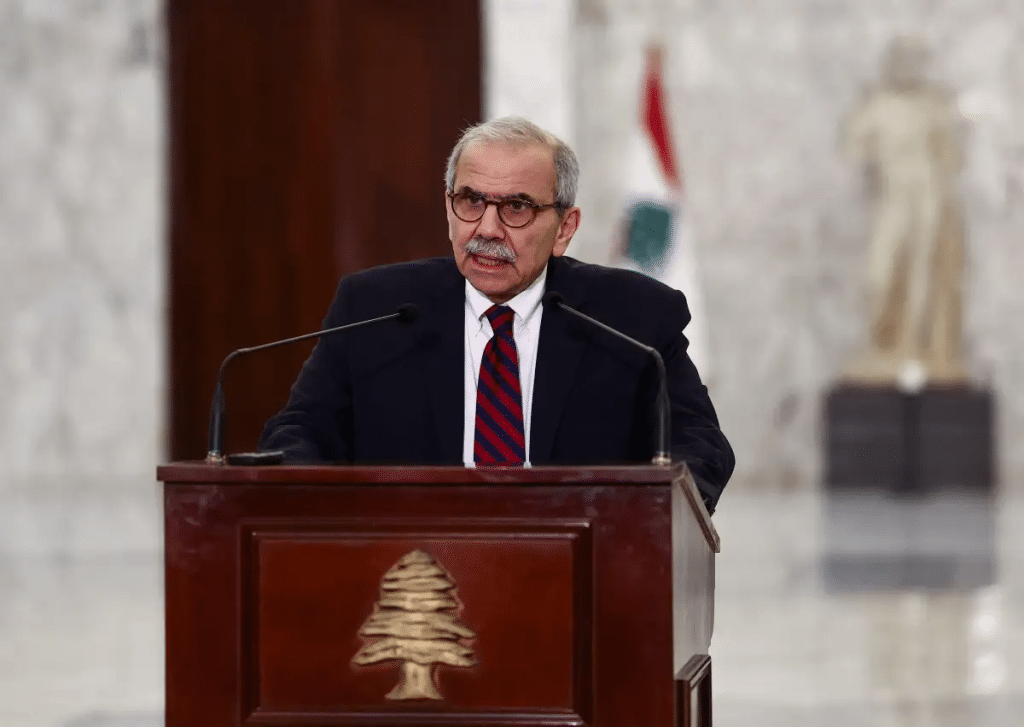 Lebanese Prime Minister Nawaf Salam (Photo: Reuters)
Lebanese TV channel MTV Lebanon reported Sunday morning that Lebanese Prime Minister Nawaf Salam had been advised not to travel to the US at this time. According to the report, the aim of delaying the trip was to prevent a “potential ambush” – specifically, the spread of a rumor that he had secretly met with the Israeli delegation, which would damage his standing in Lebanon.
The channel further reported that had Salam traveled to the US, he could also have faced an American request to meet with an Israeli government representative. That request, the channel said, would have forced him to choose between two options – agree and face a political backlash in Beirut, or refuse and potentially face Israeli strikes on Lebanon. Against this backdrop and given the sensitive domestic situation, Salam decided to postpone the trip.
According to assessments, the negotiations are expected to focus on a return to the November 2024 arrangement as it existed before the war – but without an Israeli withdrawal from the territory captured during the fighting.
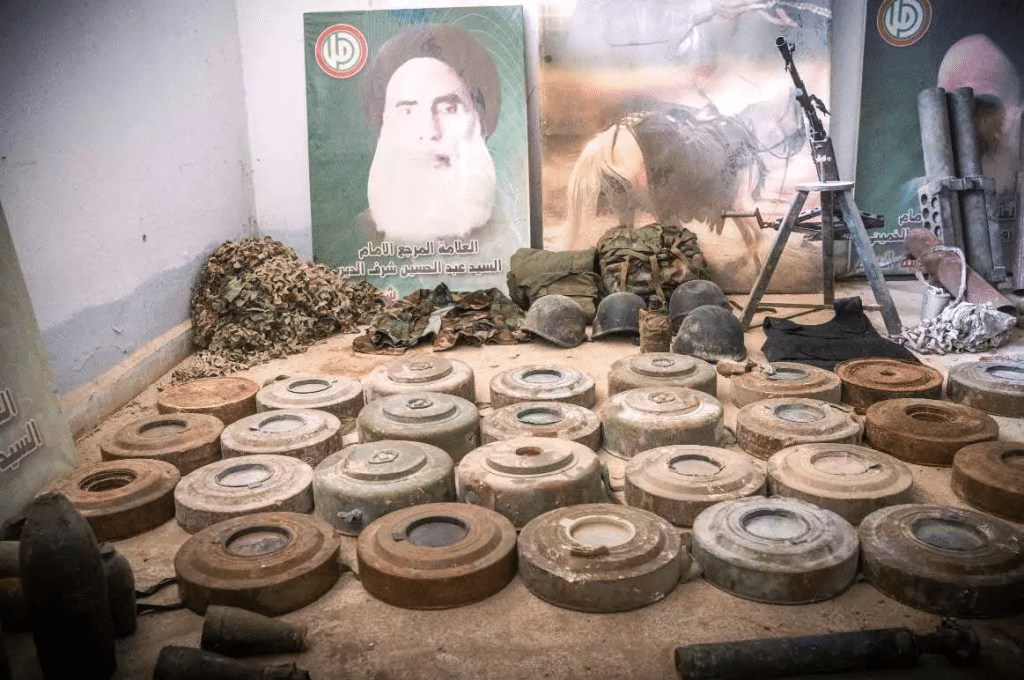 Hezbollah weapons cache seized by the IDF in southern Lebanon (Photo: IDF)
Israel’s ambassador to the US, Dr. Yechiel Leiter, addressed the matter, saying, “At the ambassadors’ meeting in Washington, Israel agreed to a follow-up meeting on Tuesday to advance a peace agreement with Lebanon, but did not agree to discuss a ceasefire with the Hezbollah terror organization, which continues to attack Israel and which constitutes the primary obstacle to peace.”
In parallel with the diplomatic contacts, Israel is expected to continue its military operations. Strikes south of the Litani River will continue, and if launch preparations are detected north of the river, a strike will be carried out there as well. The key distinction, according to sources familiar with the details, is that Hezbollah is expected to respond within the framework of the “November 2024 rules.”