
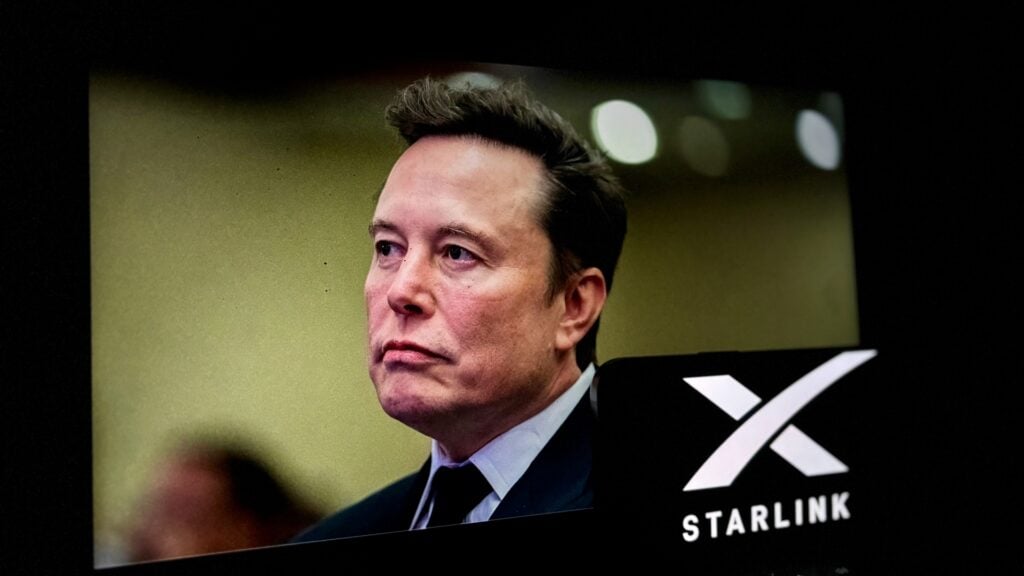
Venture capitalist Marc Andreessen said Elon Musk’s Starlink is one of the “least understood” technological successes in the world right now, arguing that it overcame decades of failed attempts to build viable satellite internet.
This comes at a time when SpaceX has confidentially filed for an initial public offering (IPO), targeting a reported valuation of $1.75 trillion.
Starlink’s Rise After Decades Of Satellite Internet Failures
During an appearance on David Senra’s podcast last month, Andreessen discussed the rapid growth of SpaceX’s Starlink, noting reports that the service has reached millions of subscribers globally.
Senra mentioned he is a Starlink user himself during the conversation.
Andreessen compared Starlink to earlier failed satellite internet ventures, including Motorola’s Iridium system and the Teledesic project backed by Bill Gates and Craig McCaw.
“Elon’s not the first guy who said we’re going to do satellite-based internet access,” Andreessen said.
He added that previous efforts, including Teledesic, ended in “complete catastrophe” and financial collapse, while Iridium became a widely cited case study in business failure before later restructuring.
He said Musk’s approach differed fundamentally because SpaceX already had reusable rocket capability, allowing frequent launches.
He explained Musk’s logic as building satellites internally rather than waiting for external customers, effectively creating demand through the company’s own launch capabilities.
Andreessen described the outcome as a “brilliant” integration of engineering and scale, calling it a side project that grew into a major global infrastructure system.
Starlink Expands Airline Deals, Price Cuts And Global Reach
The airline was also previously in talks with Amazon’s Project Kuiper (Amazon Leo) as it weighed multiple satellite providers for in-flight Wi-Fi upgrades.
The satellite internet race had intensified as SpaceX pushed Starlink Mobile upgrades, promising faster speeds and higher data capacity.
Meanwhile, Amazon.com Inc (NASDAQ:AMZN) expanded Project Kuiper through telecom partnerships focused on strengthening existing mobile networks in remote regions.
The two companies had pursued different strategies, with SpaceX focusing on direct connectivity and Amazon on infrastructure integration.
Musk also confirmed that Starlink had been cutting prices and offering free hardware to expand access, particularly in developing markets.
He said the changes were aimed at affordability rather than competition, as the company worked to scale global connectivity.
Disclaimer: This content was partially produced with the help of AI tools and was reviewed and published by Benzinga editors.
Photo courtesy: Shutterstock