

Listen to this article
Estimated 4 minutes
The audio version of this article is generated by AI-based technology. Mispronunciations can occur. We are working with our partners to continually review and improve the results.
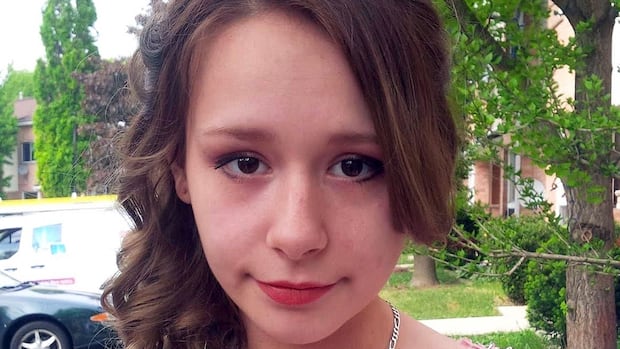
Heather Winterstein was an Indigenous woman facing several personal obstacles, factors that raised her risk of having a bad outcome in the health-care system, the Ontario coroner’s inquest into her 2021 death in hospital was told.
Dr. Suzanne Shoush, a family physician who examines the experiences of Indigenous people trying to access care, was asked Tuesday to speak at the inquest to help jurors understand how “biases” and stereotypes affect the health-care system.
Winterstein, 24, died from sepsis, an extreme reaction to bacterial infection that damages the body’s own tissues and organs, on Dec. 10, 2021 — her second consecutive day of going to the St. Catharines hospital’s emergency department to seek care for body pain from a fall.
Winterstein was at high risk of being judged based on social and behavioural factors rather than on proper clinical signs, testified Shoush, Indigenous faculty lead at the University of Toronto’s department of family and community medicine.
She said systemic, anti-Indigenous racism rooted in colonialism is deeply ingrained in Canada’s health-care system, where fewer than one per cent of doctors are Indigenous.
“We often assume the worst about Indigenous patients. We assume they’re homeless, we assume they’re lazy, we assume they’re unemployed, we assume they are suffering from substance use disorder, that they don’t help themselves, that they are unhygienic, that they have lower intelligence, that they … are unwilling to follow instructions and are sometimes even unable to understand clinical instructions.”
For Indigenous people in Canada, that contributes to shorter lifespans, increased chance of preventable death, longer wait times and other factors related to health care, said Shoush.
“Indigenous people have consistently, and reliably and predictably worse outcomes than non-Indigenous patients in Canada.”
Concerns over how Winterstein was treated
Winterstein was a member of the Cayuga Nation, with ties to Six Nations of the Grand River. Her family and community organizations have raised concerns about whether addiction discrimination and anti-Indigenous racism may have played a role in how she was treated.
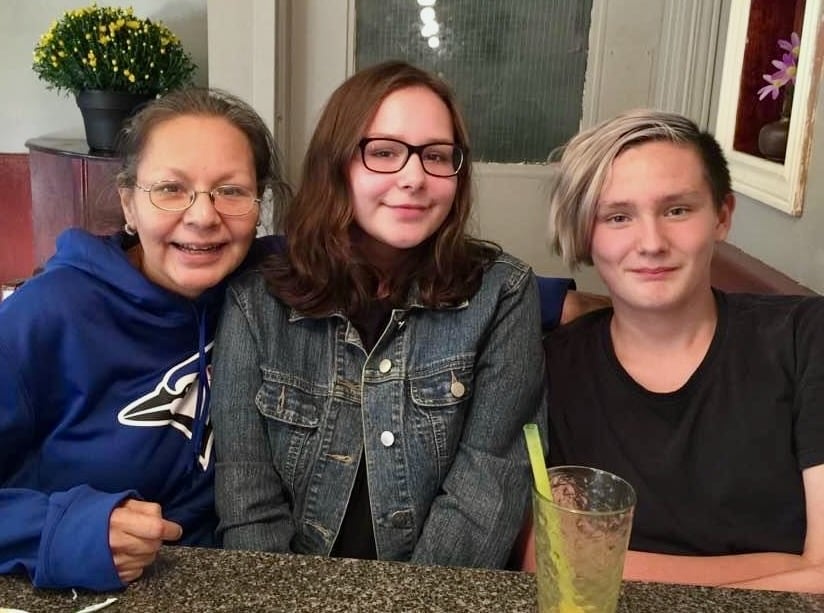 Winterstein, middle, with her mom, Francine Shimizu-Orgar, left, and her brother, Ronan Shimizu-Obee, in an undated photo. The 24-year-old’s family are among those who’ve raised concerns about how she was treated in hospital. (Submitted by Jill Lunn)
During Winterstein’s first emergency department visit on Dec. 9, the emergency department doctor who assessed her determined she didn’t have an infection, the inquest was told previously. Instead, he diagnosed her symptoms as being due to “social issues,” and said in his doctor’s notes that she had a history of generalized anxiety and substance use.
Shoush said all those attributions meant an increased risk of bias or stereotypes, and a higher chance her self-reporting of severe pain wouldn’t be attributed to physical symptoms.
For instance, language focused on intravenous drug use was in the first paragraphs of nearly every medical document related to Winterstein.
“Heather is an Indigenous woman who had layers of stigmatized characteristics,” said Shoush. “Stereotypes compound each other.”
Shoush also related her own experiences as an Indigenous woman with a Black father, saying even she isn’t impervious to anti-Indigenous bias.
“The stereotypes are so deeply ingrained and deeply cultural. It’s not escapable by anybody. That would include me.”
Stereotypes deeply ingrained, deeply cultural
Under questioning, Shoush agreed that Indigenous cultural safety training for front-line health-care staff delving into inequities is critical.
“This is livesaving and … life-protecting it’s critical,” she said, comparing it to how front-line staff need CPR training to help people suffering cardiac arrest.
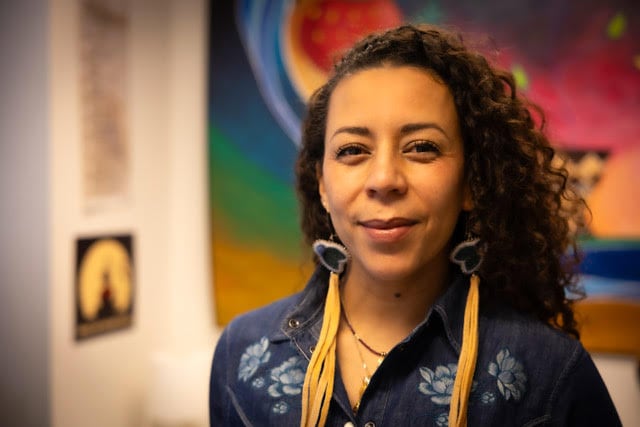 Dr. Suzanne Shoush, a family physician who examines the experiences of Indigenous people trying to access care, addressed the inquest Tuesday as an expert witness. (Desert Lily Photography)
She stressed that cultural safety training must apply to everyone working in a hospital, from security and housekeeping staff, to top management and board members.
“The most important person in the hospital is not the doctor: it’s the person who answers you when you ask for help.”
A case such as Winterstein’s can “very negatively impact” the health care of people across Ontario, said Shoush.
“It reinforces every fear that Indigenous people have … about seeking care.”
Kate Crawford is a lawyer representing Niagara Health, which runs the hospital now known as the Marotta Family Hospital.
Crawford asked Shoush what she thought about a strategy now underway at the hospital. It aims to support self-identification of Indigenous patients, using Indigenous data for internal quality purposes and with efforts guided by an Indigenous advisory committee.
“I think that’s actually a step in the right direction,” by engaging the Indigenous community, she said. “These are good first steps.”