
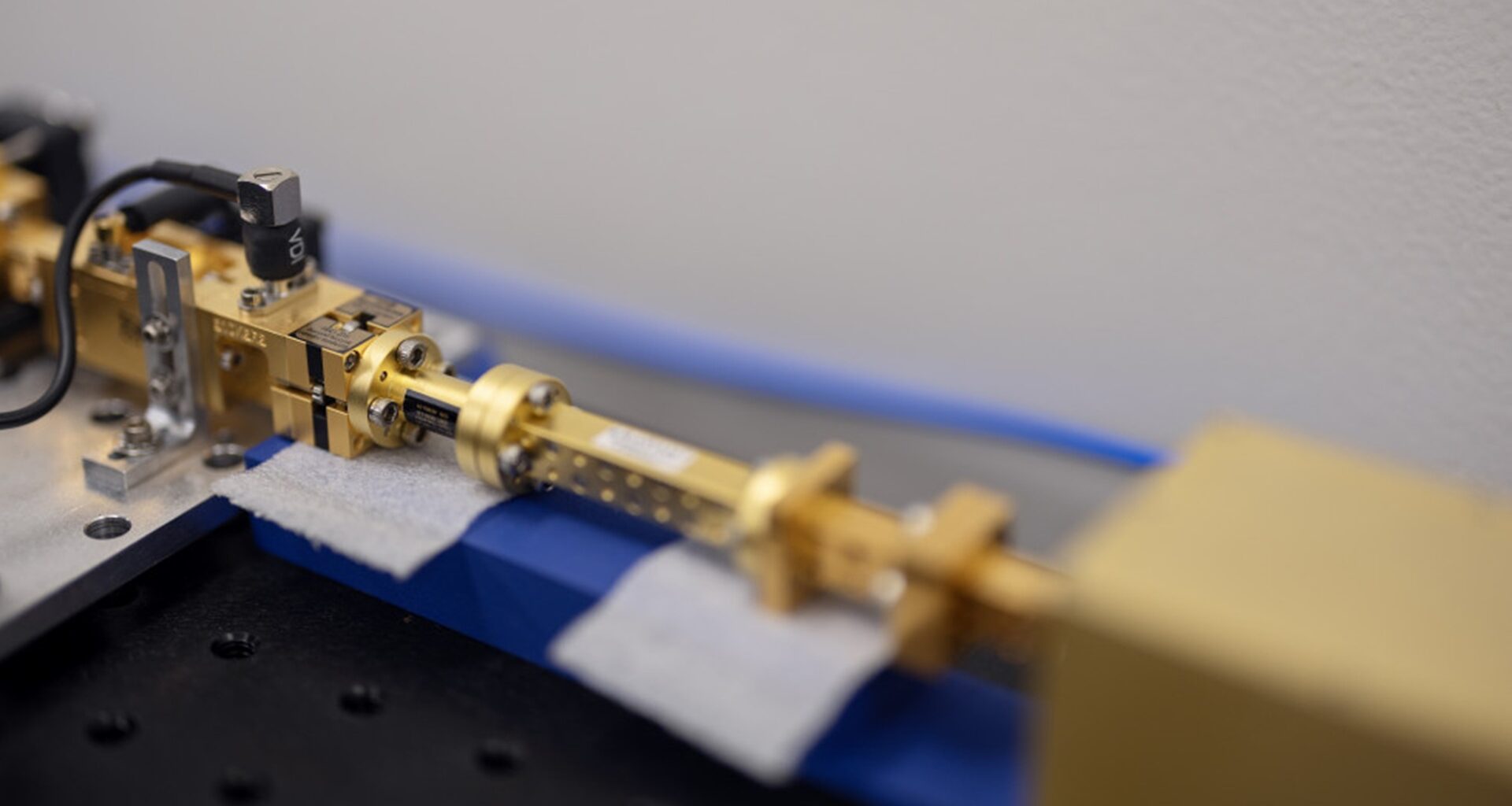
Scientists in the US have been testing spin-polarized nuclear fuel inside tokamaks operating at around 100 million degrees Celsius, to explore a more efficient path to fusion through particle alignment.
Led by a research team at the US Department of Energy’s (DOE) Thomas Jefferson National Accelerator Facility, the project aims to assess whether spin polarization, a method widely used in nuclear physics, can survive the extreme conditions inside magnetically confined fusion devices.
According to the scientists involved in the initiative, the work is part of a broader effort to develop a new, innovative approach to harness the power of the stars for the world’s electrical grid.
Xiangdong Wei, PhD, a Jefferson Lab physicist and study co-lead, said the goal is to harvest energy with as little material as possible. “With the right alignment, a little bit of fuel can produce a much bigger fire, and you can use that energy for the next round of fusion,” he revealed.
Reinventing fusion fuel
The experiments are executed on the DIII-D (D3D) tokamak, a device that utilizes magnetic fields to confine plasma in a donut-shaped chamber. As a result, atomic nuclei collide and fuse, releasing vast amounts of energy.
The D3D tokamak is the largest in North America, and the leading platform for testing technologies for future reactors such as ITER.
According to Matthew Lanctot, PhD, acting division director of the fusion energy science research division in the DOE Office of Science, the spin-polarized fusion (SPF) project is a targeted investment advancing DOE’s fusion roadmap.
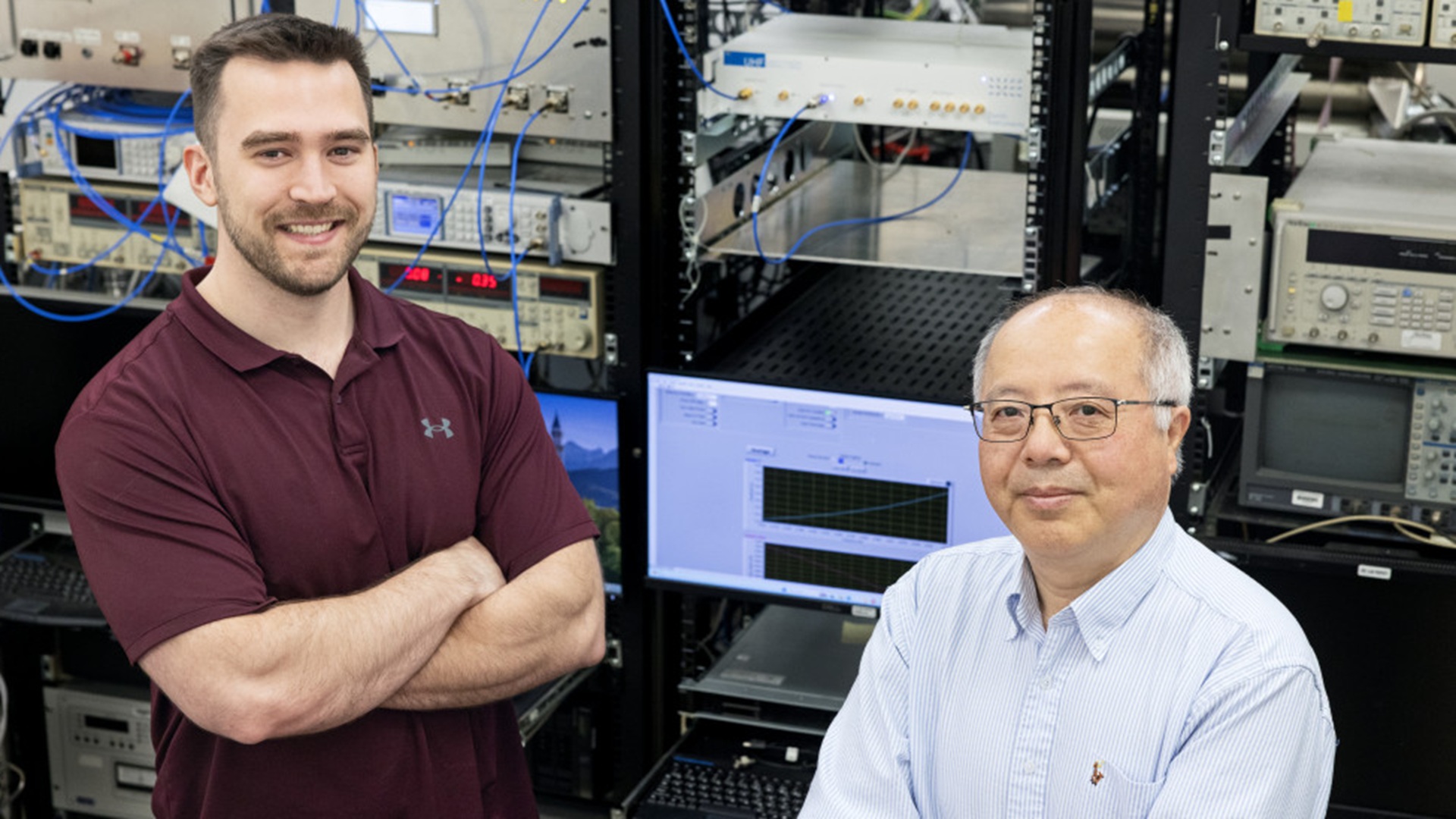 Jefferson Lab engineer Phillip Dobrenz (left) and physicist Xiangdong Wei, PhD.
Credit: Jefferson Lab / Aileen Devlin
“The activity aims to leverage the expertise in spin-polarized materials developed by the Nuclear Physics program to influence relevant aspects of the nuclear fusion reaction itself,” Lanctot added. “If successful, theory predicts significant implications for fusion pilot plants.”
The new approach involves aligning the intrinsic spin of the particles, a quantum property that acts like a tiny magnet. When particles point in the same direction, they are considered spin-polarized.
This, as per theory, can significantly increase the probability of fusion reactions by about 50 percent, in addition to boosting overall energy output by as much as 80 percent, all while using less fuel.
A smarter fusion path
In order to test the concept, the team uses deuterium and helium-3, two isotopes with favorable properties. Even though most current fusion experiments rely on deuterium-tritium (D-T) fuel, tritium is rare and radioactive. Helium-3, in contrast, has similar spin dynamics without the same supply and safety challenges.
“But you can make tritium using a neutron-plus-lithium reaction,” Phillip Dobrenz, a Jefferson Lab staff engineer working on the SPF project, highlighted. “So, there’s virtually no fuel supply limit with fusion as it stands.”
Helium-3 is polarized using techniques inspired by medical MRI systems. Once prepared the fuel must be carefully transported and injected into the tokamak without losing its alignment.
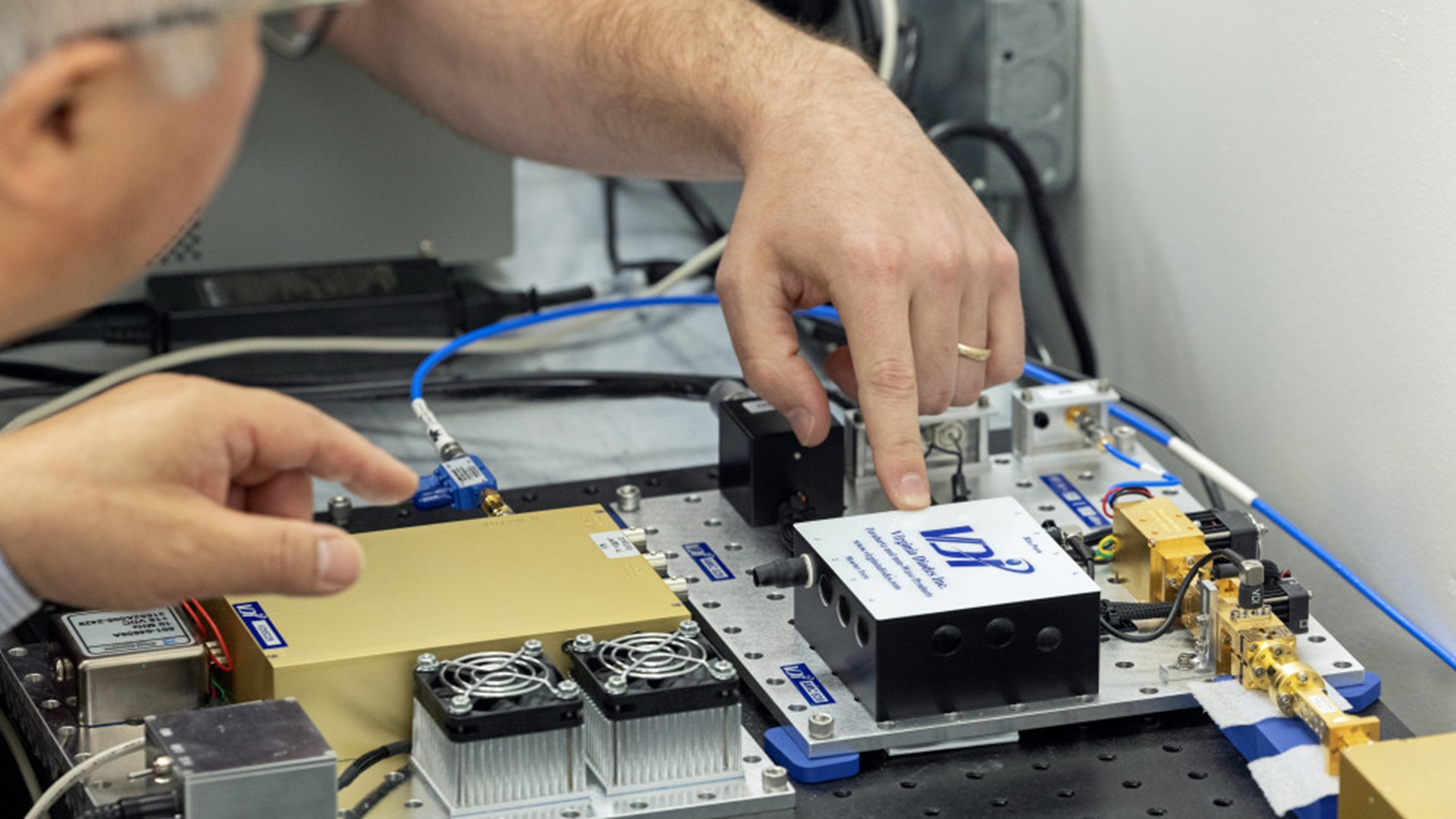 This microwave generator forms radiofrequency waves that help polarize lithium-deuteride pellets for the spin-polarized fusion fuel project.
Credit: Jefferson Lab / Aileen Devlin
The process takes milliseconds, however, it requires precise control of cryogenics and magnetic fields. In Phase I, the team acquired lithium deuteride (LiD), staged at Oak Ridge for pellet formation. Solid at room temperature, LiD is easy to store and transport, but difficult to polarize.
Meanwhile, the next phase will focus on building and integrating the full system, including pellet injectors and diagnostic tools to measure if polarization survives in a 100-million-kelvin plasma. Final experiments, expected by 2030, will analyze fusion byproducts to confirm the effect.
If successful, the spin-polarized fuel could enable smaller, cheaper fusion reactors with less stringent ignition requirements, and accelerate the path to commercial fusion power. “The project’s success would sprout a research field within the fusion industry,” Dobrenz concluded in a press release.
Based in Skopje, North Macedonia. Her work has appeared in Daily Mail, Mirror, Daily Star, Yahoo, NationalWorld, Newsweek, Press Gazette and others. She covers stories on batteries, wind energy, sustainable shipping and new discoveries. When she’s not chasing the next big science story, she’s traveling, exploring new cultures, or enjoying good food with even better wine.