
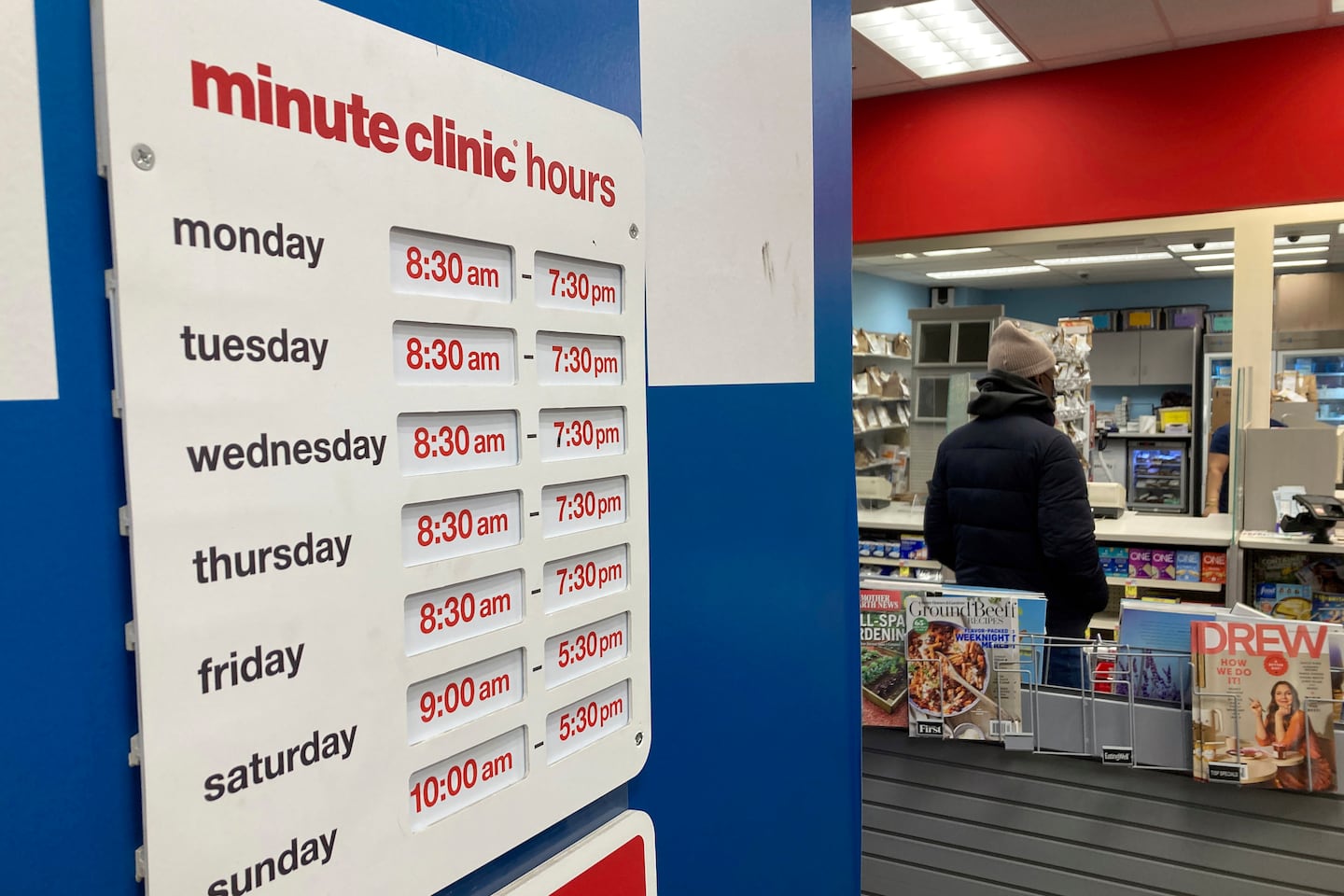
MGB, the state’s largest health system, and CVS informed the state last year of plans to offer desperately-needed adult primary care at MinuteClinic, the small medical clinics inside CVS stores. The partnership could bring primary care to 120,000 patients, the organizations have said.
The commission doesn’t have the authority to prevent the partnership from going through, but it can recommend conditions to address its concerns. In more severe cases, it can refer its reports to the attorney general for potential prosecution on antitrust grounds.
Currently, the clinics’ nurse practitioners offer services like diagnosing and treating strep throat, treating minor wounds, and administering some vaccines, also known as “convenience care.”
MGB generally has the highest prices in the state for health care services, while MinuteClinic’s convenience care prices are typically less than half of MGB’s prices for the same services, according to the report. MinuteClinic’s prices are expected to increase once its providers at all 37 locations are brought under the MGB umbrella.
The plan calls for transitioning five locations the first year, followed by the rest in the following couple years.
Health Policy Commission board members raised concerns that patients receiving primary care through the partnership would not have access to the full scope of care offered at a traditional doctor’s office. Participating MinuteClinics will offer most primary care services, but won’t include oral health screening, prescription of controlled substances, and some behavioral health screenings.
“I’m a little concerned that it’s primary care-light at a full primary care cost,” said HPC board vice chair Martin Cohen.
Some of the increased cost would also come from patients receiving care they previously did not have access to, like annual check-ups and specialty visits.
In a statement, a CVS spokesperson said the report “appears to overstate the potential impact of health care spending.”
“This collaboration would expand access to primary care — a finding validated by the Commission’s interim findings — using the available and superior capabilities of two trusted health care delivery organizations in the state,” the spokesperson said. “A strong and consistent body of evidence demonstrates that expanding access to primary care reduces total health care costs for patients over time.”
Mass General Brigham took issue with the Commission’s methodology, saying in a statement that the report doesn’t account for long-term cost cuts that can follow increases in preventive care.
“The HPC has offered us an opportunity to have further conversation, which we look forward to,” MGB said in the statement. “This affiliation is designed to expand access to high-quality, convenient care for patients, including in regions facing provider shortages and high rates of avoidable [emergency department] use. Our approach aims to ensure that more residents, especially those who have struggled to access care, can benefit from primary care’s proven value in improving health outcomes and lowering avoidable costs.”
Primary care access is at a crisis point in Massachusetts. Roughly one in three people in the state in 2025 reported difficulty accessing primary care. Primary care physicians are increasingly leaving the field.
While the partnership between MGB and CVS has the potential to increase primary care access, it is hard to predict to what extent, the report said. It depends, at least in part, on efforts to promote use of the new primary care sites, and on which of CVS’s MinuteClinic locations in Massachusetts will be prioritized to offer primary care first, the report said.
The Health Policy Commission identified MinuteClinic sites in Hampden, Plymouth, and Bristol counties as having the greatest potential for improving access for the underserved. Those areas have lower numbers of primary care physicians and higher shares of people using the emergency department for non-urgent care.
CVS plans to transition all of its Massachusetts MinuteClinic locations to MinuteClinic Primary Care sites over two or three years, beginning with five in the first year. CVS has not determined which sites it will prioritize, according to the report.
Convenience care services will change at participating CVS locations. The MinuteClinics will no longer offer pediatric convenience care once they transition to the primary care model. Vaccinations that can be given by pharmacists will still be available, however.
Despite cost and access concerns, Health Policy Commission members lauded MGB and CVS for their innovative proposal to address the primary care shortage.
“This is a problem [where] we should applaud ideas, and we should almost incentivize experimentation here and trying new things,” said HPC board member Chris Leibman.
MGB and CVS now have 30 days to respond to the Commission’s report. The Commission aims to present a final version of the review during its June meeting.
Marin Wolf can be reached at marin.wolf@globe.com.