
The Invisible Pillars: Resilience and the Unheard Voices of Israeli Women
Today in the shelter, looking out at the streets of Israel, I saw the true architecture of our resilience. It isn’t just the IDF; it’s the women.
We often talk about equality—the 30 female pilots in the Air Force, the women leading research labs and multinational companies. But now, under the shadow of missiles and in the unusual quiet of our city streets, an old weight has returned. With husbands at the front, the entire world of the “home” now rests squarely on their shoulders.
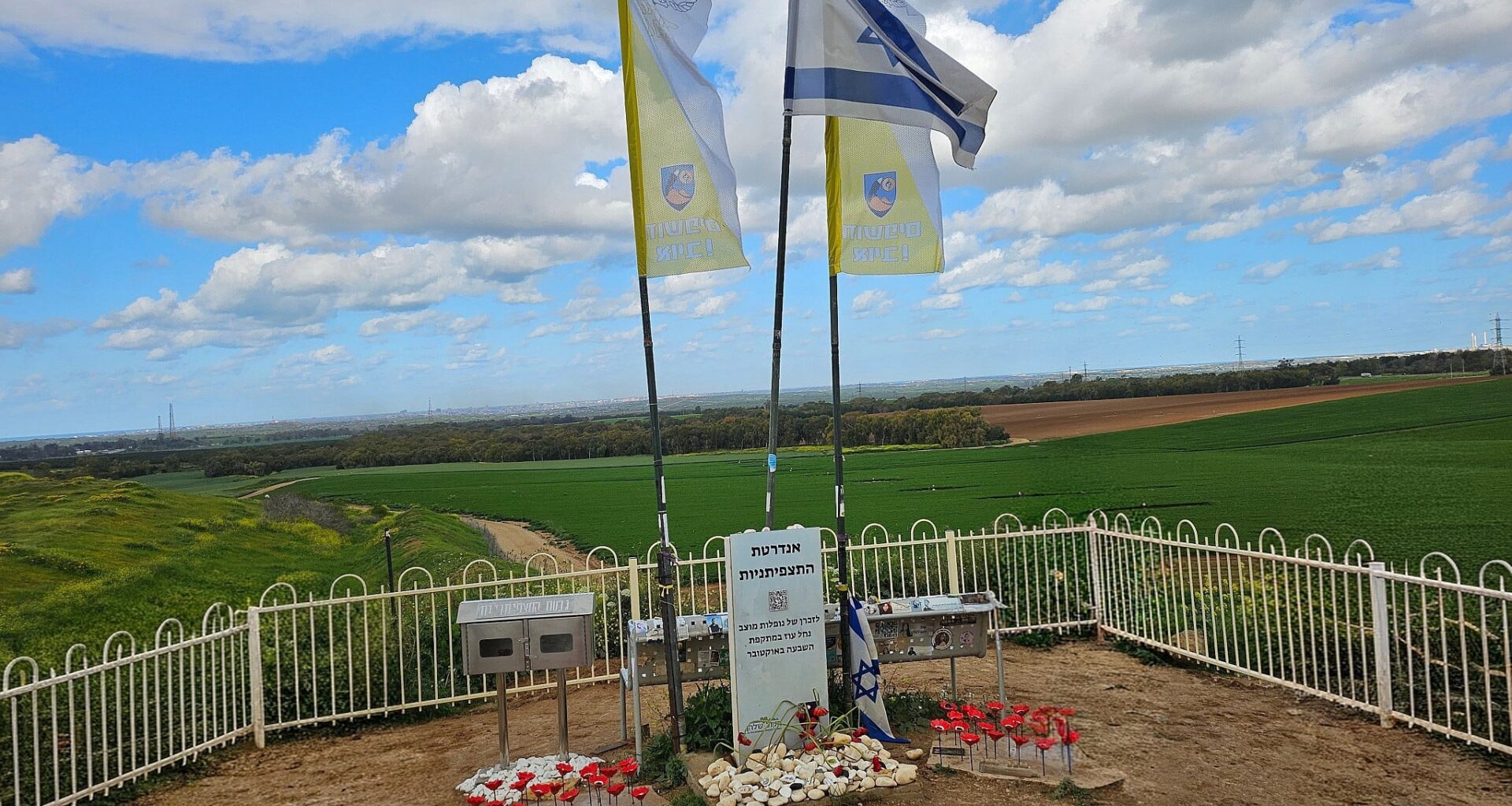
Andarta Tatzpitaniyot. Nahal Oz
The Keepers of the “Inside” World
I see them everywhere: working from laptops perched on knees, answering emails and managing professional teams, while simultaneously shushing a toddler or organizing a snack for a neighbor’s child.
They aren’t just surviving; they are making sure their children are living. They turn a frightening bunker into a playground with a few toys and a calm voice, even when their own hearts are heavy with worry for those at the front.
There is a specific kind of strength in that. To be a leader in the professional world and then step into a shelter to be the primary source of comfort, stability, and nourishment. No one asked them to take charge of the family care; it is simply expected. The achievements of the “outside” world haven’t yet freed them from being the primary keepers of the “inside” world.
They are the reason we feel invincible. As a family, as a country, and as a people.
The Cost of Silence: The Case of the Tatzpitaniyot
Despite this strength, we are a long way from a world where a woman’s insight is truly valued equally. We need only look at the Tatzpitaniyot.
The Field Observers: Chosen Eyes, Unheard Voices. Just a few kilometers from Gaza, at the Nahal Oz base, lived a group of young women chosen for their sharp, natural ability to detect fine details and patterns. They possessed the precision required to catch the slight sway of a reed or the dust of a distant jeep. They were the nation’s eyes on the border.
They were the eyes that saw unusual movements and escalating threats long before October 7th, 2023—but their warnings went unheard.
Technological Confidence vs. Human Intuition
The multi-billion-dollar fence surrounding the Gaza envelope, with its sophisticated electronic alerts and automated weapons, was considered impenetrable. Because of this technological confidence, the concerns of a group of young women were not given the weight they deserved.
It was deemed unnecessary to take the warnings of the Tatzpitaniyot seriously; the consensus was that the enemy could not break the fence. These women were trained to see the attack coming, and they reported it—but the system failed to listen.
The cost of that silence was devastating. On October 7th, approximately 1,200 Hamas terrorists crossed the border and breached the “impenetrable” fence. At Nahal Oz, 15 Tatzpitaniyot were killed, and two were taken hostage.
Call for True Equality
The resilience I see in the shelters today is the same resilience those young women showed at their posts. If we are to truly honor the women holding this society together, we must do more than rely on them in times of crisis.
We must start by listening to them.
Michal Gasco is an Israeli-American MD. Originally from Barcelona, Spain, made aliyah in the 80’s and used to work in Israel and later on in the US as a MD.