
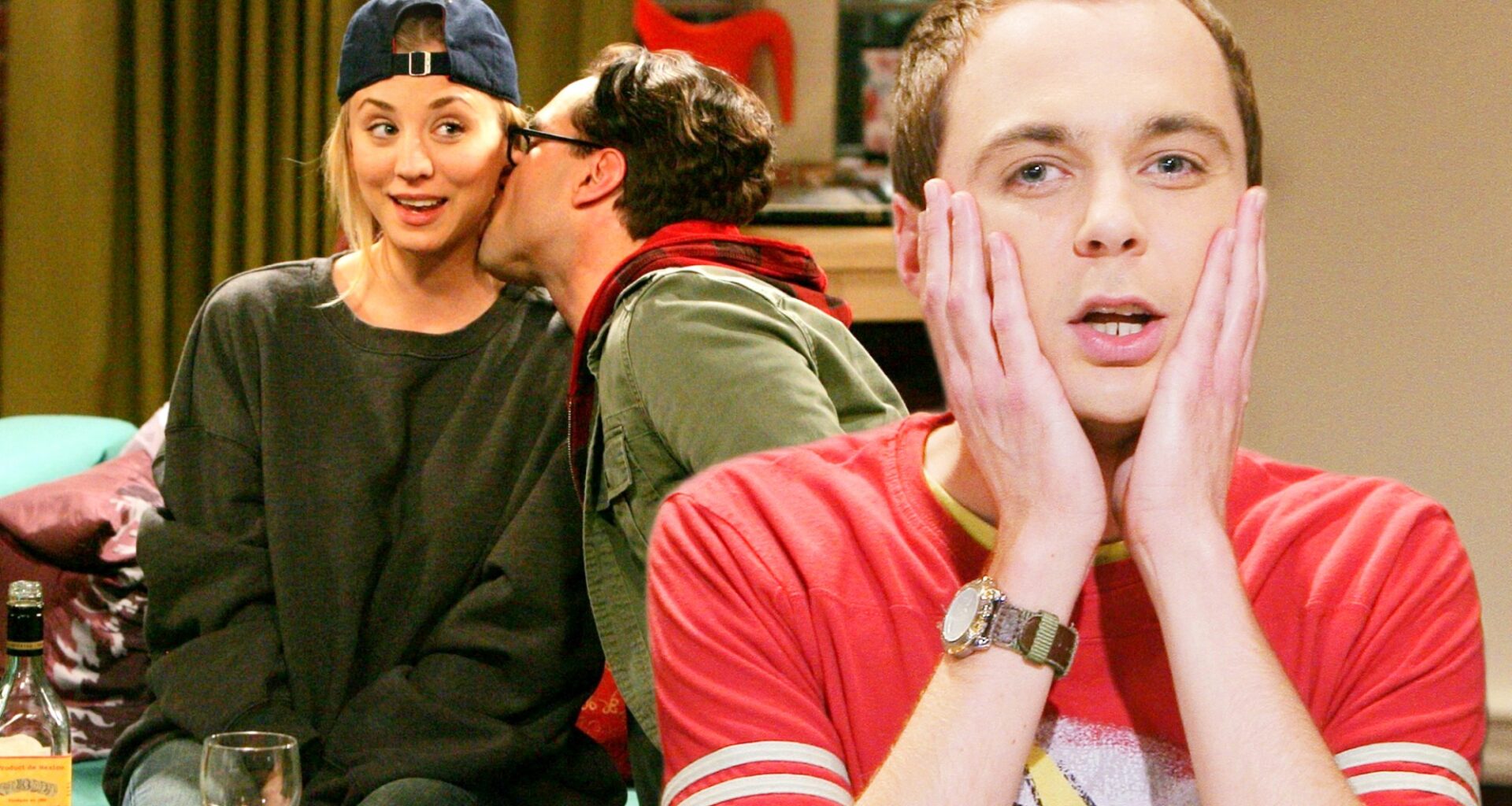
Chuck Lorre is once again expanding The Big Bang Theory universe with a sequel series that promised to fulfill the original’s worst failure. It has been 19 years since the Pasadena gang was introduced, and yet, they continue to be fan-favorites. Sheldon, Leonard, Raj, Howard, and Penny were staples of the network TV space for 12 years until The Big Bang Theory ended in 2019, not because it was dwindling in popularity, but primarily because of Jim Parsons’ decision to leave the series. Still, Lorre and his team have been able to keep the franchise alive through multiple spinoffs, such as Young Sheldon and Georgie & Mandy’s First Marriage.
So far, The Big Bang Theory franchise has only expanded by going back in time. Both of its spinoffs are set in the past, as they explore more of Sheldon’s childhood and the rest of the family. This is about to change in 2026, however, as Lorre re-teams with The Big Bang Theory co-creator Bill Prady for its very first modern-set offshoot — Stuart Fails to Save the Universe. Spearheaded by Kevin Sussman’s comic book store owner, Stuart Bloom, the new show is expected to debut sometime this year on HBO Max. On top of continuing the lore, one of the most exciting things about Stuart Fails to Save the Universe is how it will finally deliver on The Big Bang Theory‘s original promise.
The Big Bang Theory’s Social Outcasts Were Problematic Characters
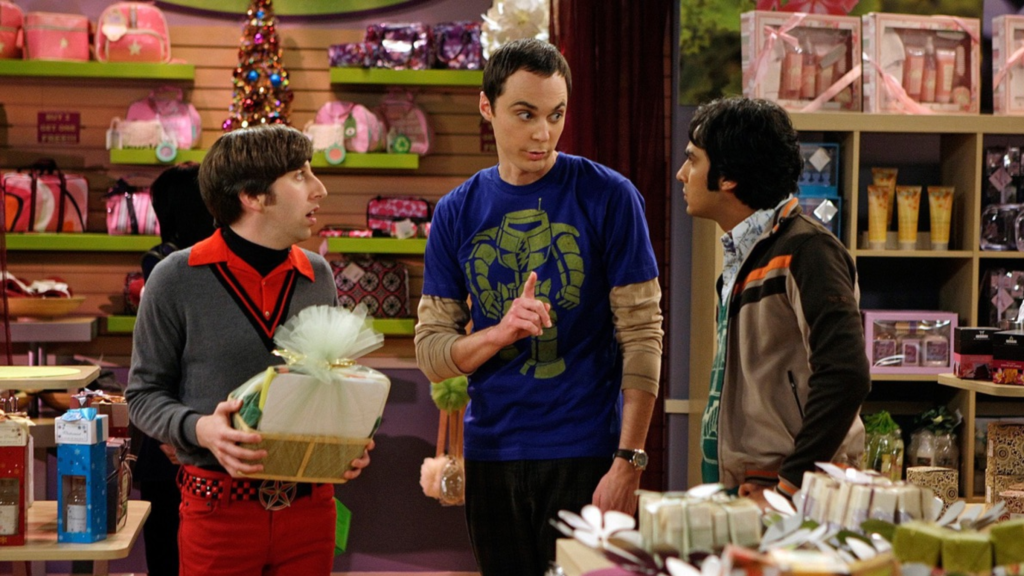
When The Big Bang Theory debuted in 2007, it was anchored on the idea that it was about lovable social outcasts. Sheldon, Leonard, Howard, and Raj were existing in their own bubbles and struggling to connect with other people in their respective communities because they were deemed too weird because they liked uncool things like comics, superheroes, and science. At this point, being a nerd was still unconventional, as the rise of popularity of comic book movies hadn’t happened yet. This original narrative hook for The Big Bang Theory was enticing at first, but as the show went on, it became clear that it wasn’t staying true to that idea.
While Sheldon, Leonard, Raj, and Howard were indeed social outcasts, primarily existing in their own bubble, they were far from the underdogs that they were presented as. Soon, it became clear that despite their status, they were also very problematic as characters. Sheldon and his friends were racists, sexists, and overall snobs, thinking that they were better than everyone else. Granted that they did really lack socializing skills, but even if they didn’t, it would still be difficult for them to expand their friend group, considering how they exude an air of superiority.
The arrival of Penny was a double-edged sword in The Big Bang Theory, because while she softened up the guys, they also treated her poorly, especially during the earliest years of the comedy. Sheldon judged her mercilessly, and it didn’t help that Mary’s visits often included her being sexist and misogynistic toward her. Meanwhile, Howard borderline sexually harassed her.
Stuart Fails To Save The Universe Features True Underdogs
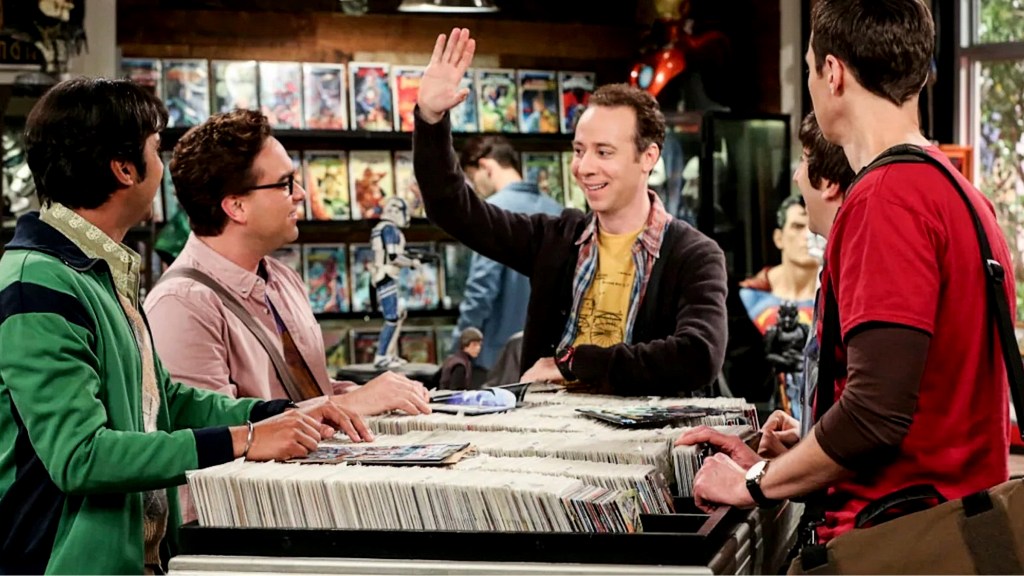 Raj, Leonard, Stuart, Howard, and Sheldon on The Big Bang Theory
Lorre and Prady have the opportunity to finally deliver on The Big Bang Theory‘s original promise in Stuart Fails to Save the Universe. While the show doesn’t feature any Pasadena gang members — at least as a series regular, the series’ cast consists of established supporting characters from the mothership who will step up to the plate and become main players in their own show. No one is better equipped to represent this idea than Stuart — The Big Bang Theory‘s most prominent recurring player. Throughout the flagship’s run, he was often deemed the unofficial eighth member of the Pasadena gang, as he would always hang out with them but still mostly as an outsider.
Joining him in Stuart Fails to Save the Universe are Caltech’s geology expert, Bert Kibbler, and plasma physicist, Barry Kripke, as well as Stuart’s girlfriend, Denise. All four characters are familiar to anyone who watched The Big Bang Theory, but not quite enough to really root for them, since they weren’t as fleshed out as characters as the Pasadena gang. Stuart Fails to Save the Universe endeavors to endear them to the public, at least like Sheldon and his friend group.
The fact that Stuart is unqualified to save the universe based on his characterization in The Big Bang Theory sets him up to be an unlikely hero, which adds to the appeal of his journey. People like rooting for the underdogs, and he’s the perfect representation of that. Granted that Kripke shares some of the more unsavory characteristics of Sheldon and his pals, properly developing him in Stuart Fails to Save the Universe can not only redeem him but make him a fan-favorite.
What do you think? Leave a comment below and join the conversation now in the ComicBook Forum!