
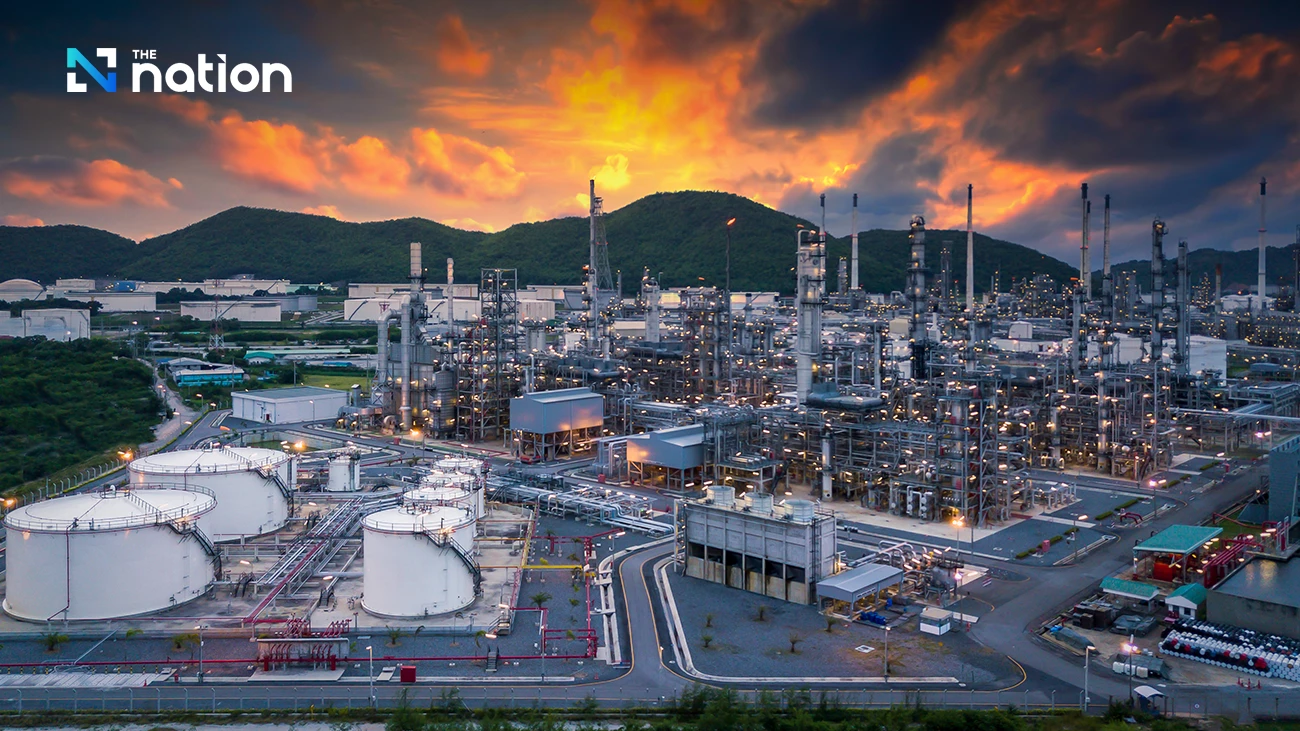
As a result, refineries across the wider Asia-Pacific region have also started cutting runs or temporarily shutting units, with operators increasingly focused on commercial survival and cost control.
That has led to output reductions in several countries as companies try to conserve limited feedstock and contain mounting losses.
Thailand’s PTT, however, has continued operating normally, arguing that national energy security must come first even as other operators place greater emphasis on business management.
On April 11 the tanker Serifos, chartered by PTT, was carrying up to 2 million barrels of Saudi and UAE crude and had exited the Gulf during the ceasefire window. The ship was headed to Malaysia and is expected to reach Thailand soon.
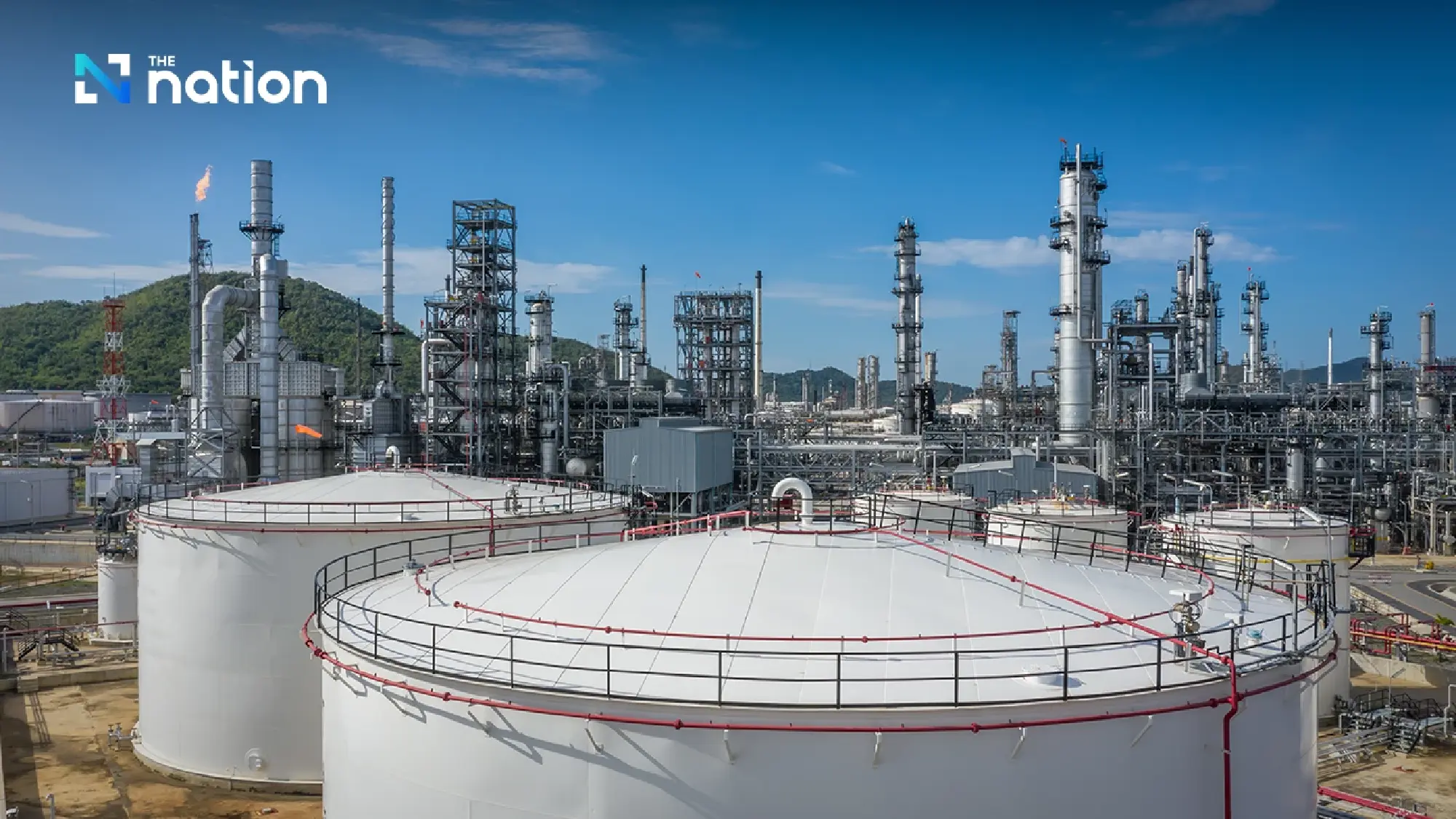
PTT’s decision to secure crude during a period of extreme market tightness would have come at a high cost, with buyers competing for limited supply as prices climbed sharply.
Crude touched about US$130 a barrel and PTT could face a short-term risk of losses worth around 500 million to 1 billion baht if global oil prices fall later.
Still, the broader picture is clear: Thailand is trying to protect domestic energy security even as refiners across the region retreat to preserve operations.