
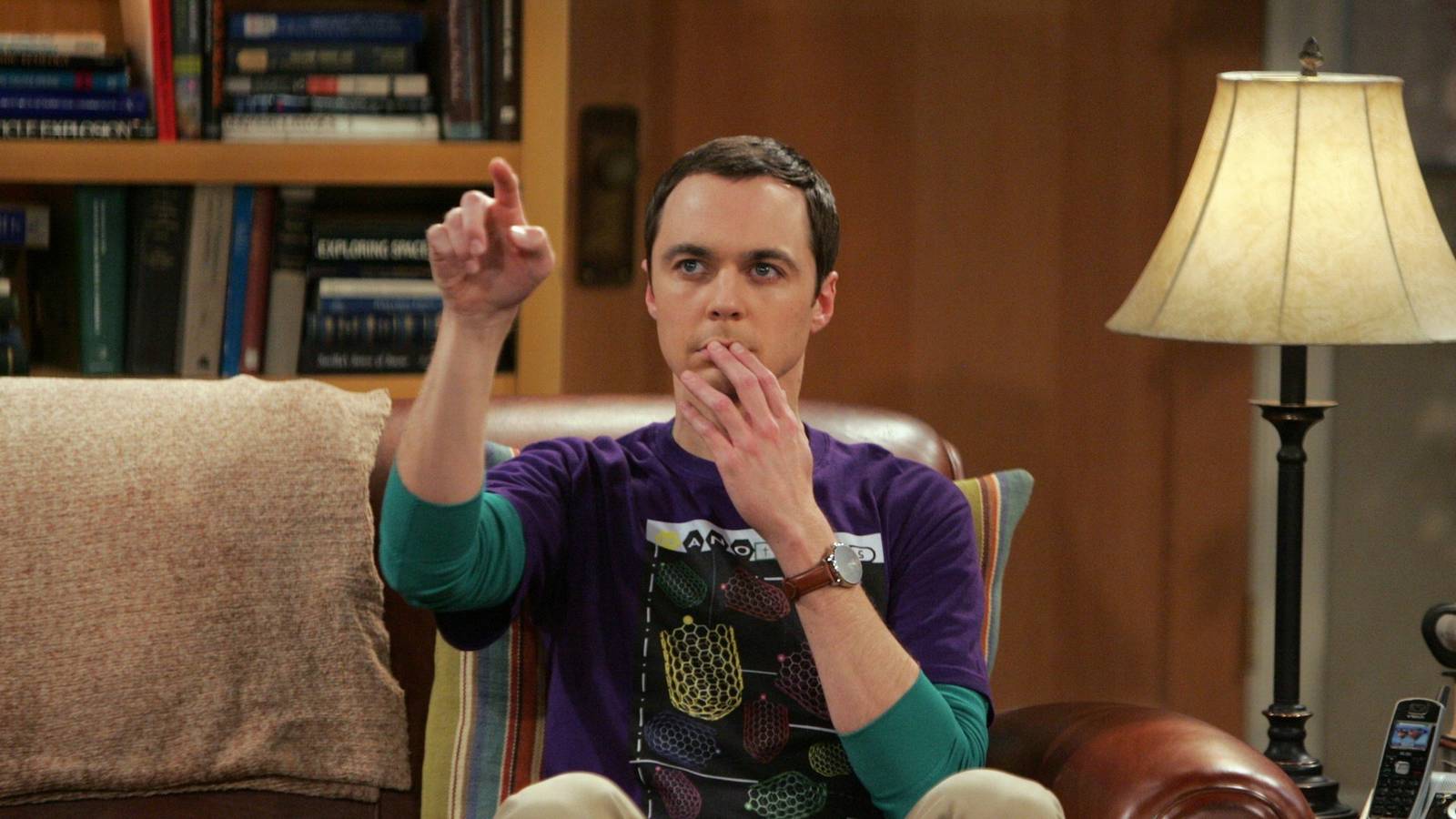
The Big Bang Theory is the definition of a comfort rewatch, but not all episodes are equally compelling. The Big Bang Theory’s lengthy 12-season run makes it especially rewatchable, offering a deep bench of cozy, low-stakes episodes that balance nerd-culture references with emotional continuity. Still, when there are highs, there are also inevitably lows. The early seasons of Big Bang, in particular, contain rougher edges, with characters sometimes feeling more like exaggerated archetypes than the fully realized personalities they later become.
Those elements gradually smooth out, especially as the women of Penny’s Posse were added in the third and fourth seasons. Some other episodes draw criticism for humor that feels dated, tonal experiments that don’t quite land, or storylines that undermine character growth. Whether an installment leans into uncomfortable jokes, stalls a central relationship, or feels out of step with the show’s comfort-watch appeal, a handful don’t hold up as well as the rest. These eight Big Bang Theory episodes are the easiest to skip during a rewatch.
“The Speckerman Recurrence”
Season 5, Episode 11
Jimmy Speckerman (Lance Barber) bullying Leonard and Sheldon in The Big Bang Theory
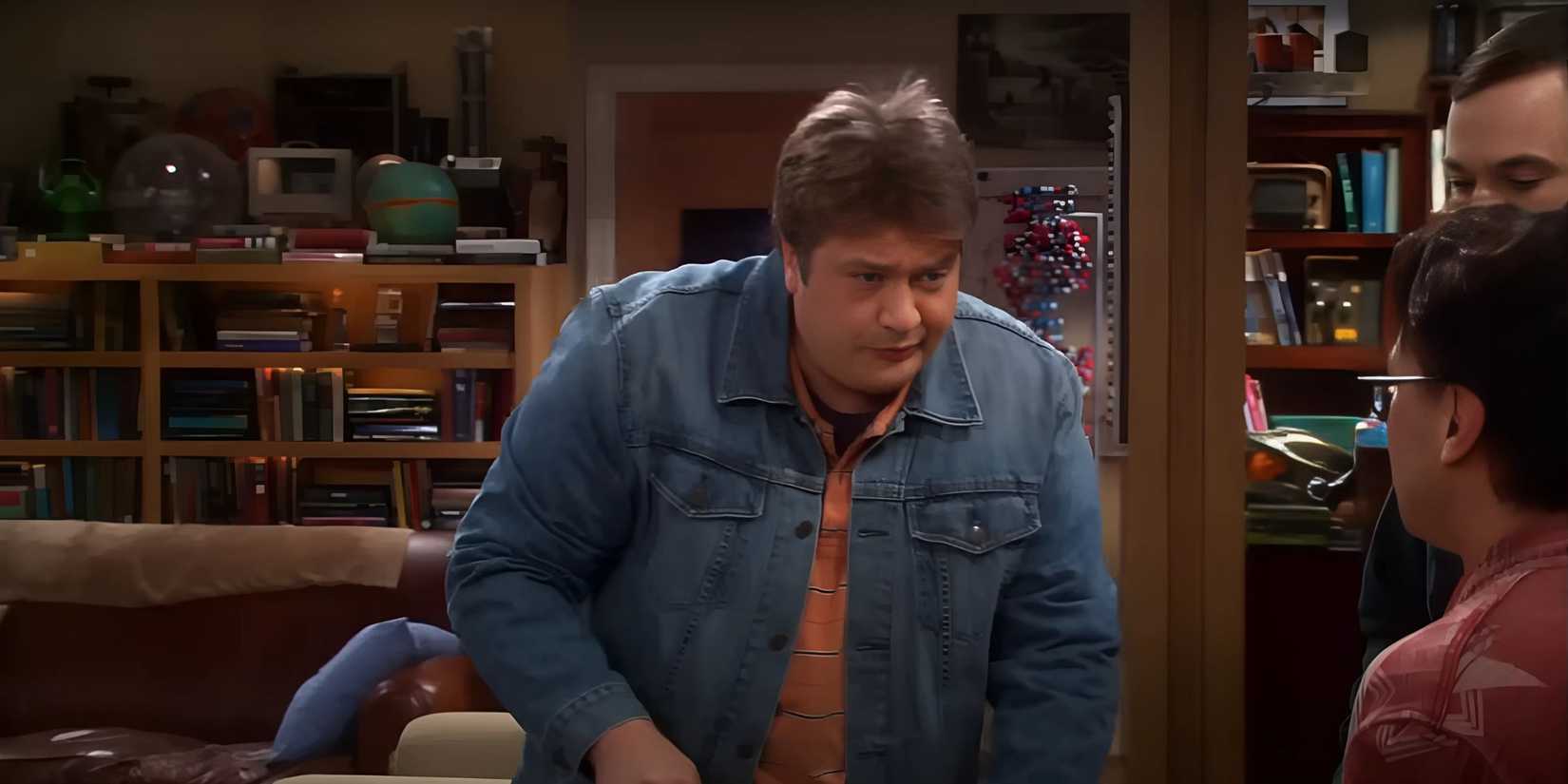
“The Speckerman Recurrence” feels oddly aimless, almost like an episode of Seinfeld instead of The Big Bang Theory. The premise suggests a meaningful confrontation when Leonard reunites with his high school bully, but instead of reckoning with past harm, Leonard realizes that his tormentor remembers high school fondly, completely oblivious to the damage he caused.
There’s no accountability, no catharsis, and no real character growth, which makes the entire plot feel hollow in a series that usually emphasizes found family and personal development. The B-story doubles down on that meandering tone.
Penny realizes she may have been a bully herself and sets out to make amends. But Penny is let off the hook, and the episode ends with Penny’s Posse stealing from a donation bin, leaving this episode feeling regressive rather than meaningful.
“The Comic Book Store Regeneration”
Season 8, Episode 15
Benadette and Howard sitting next to one another in The Big Bang Theory
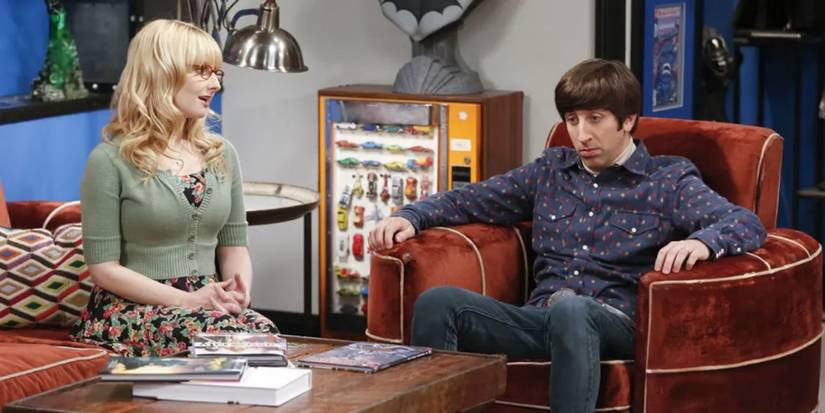
“The Comic Book Store Regeneration” is one of the hardest episodes to revisit because Mrs. Wolowitz’s death in The Big Bang Theory arrives so suddenly and without the usual tonal cushioning. The episode spends most of its runtime on a light comic plot about Stuart reopening the store, only to pivot in the final moments to the news that Mrs. Wolowitz has died.
It reflects a real truth — death doesn’t always arrive at narratively convenient times — and the show handled it respectfully after Carol Ann Susi, who voiced the character, passed away. Still, the placement makes the moment feel both tacked onto the end of an otherwise unrelated episode and slightly out of step with the show’s comfort-watch rhythm.
The sudden tonal shift lands heavily. It’s emotionally sincere but jarring, making the episode difficult to revisit casually. The following episode, in which Howard spirals after the airport loses his mother’s ashes, explores the loss in a way that feels more aligned with the show’s balance of comedy and grief.
“The Recombination Hypothesis”
Season 5, Episode 13
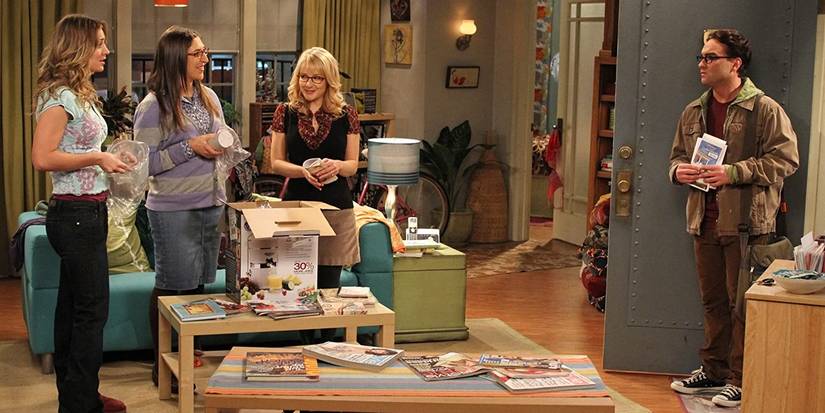
“It was all a dream” episodes almost always feel like a narrative fake-out, and The Big Bang Theory season 5, episode 13, “The Recombination Hypothesis” leans heavily into that frustration. The entire premise hinges on Leonard imagining what would happen if he asked Penny out again. Instead of moving the story forward, it toys with viewers and ends on a fatalistic note.
Plenty of sitcoms experiment with dream structures, but this one arrives at a time when Leonard and Penny’s on-again, off-again tension was already dragging. That makes the episode feel less playful and more like stalling. Both Leonard and Penny have different but oddly bleak daydreams about what their future will look like.
If Leonard’s internal projection is that he and Penny are doomed no matter what, the episode frames their reconciliation as a risk he takes despite expecting things to fall apart. That’s a strangely fatalistic lens for what is effectively the bedrock relationship of the series, undercutting the emotional optimism The Big Bang Theory usually relies on.
“The Matrimonial Momentum”
Season 9, Episode 1
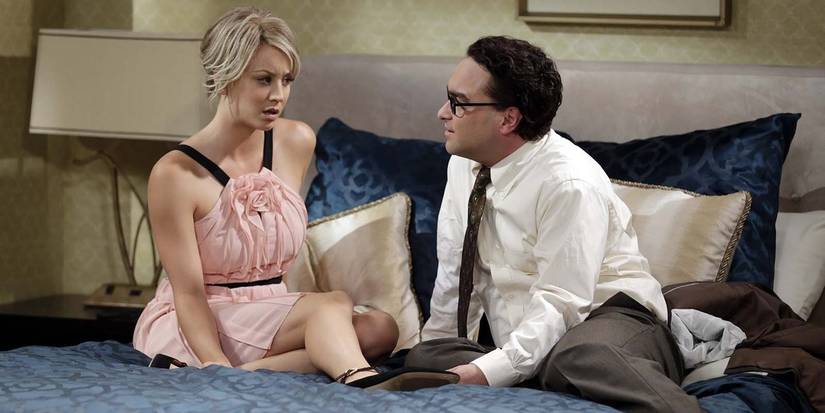
“The Matrimonial Momentum” is frustrating because it reopens a conflict that seemed long resolved. After seasons of will-they-won’t-they tension, Leonard and Penny finally head to Las Vegas to elope, which should feel like a celebratory payoff. Instead, Leonard drops a bombshell on the drive, admitting he kissed someone else while away on a research trip.
The confession immediately drains the excitement from what should be a joyful milestone, and the episode never fully recovers. Penny decides to go through with the wedding anyway, but the emotional energy shifts from anticipation to awkward damage control. That tonal choice makes the episode hard to enjoy, especially when sitcom wedding episodes have so much potential for memorable highlights.
Rather than leaning into comedy or heartfelt resolution, the story layers friction into nearly every moment, killing the “fairy tale,” as Penny says. After nine seasons of buildup on The Big Bang Theory, Leonard and Penny’s relationship deserved a wedding that felt earned and celebratory, not one overshadowed by last-minute doubt. Viewers did too, making this more disappointing than dramatically compelling.
“The Boyfriend Complexity”
Season 4, Episode 9
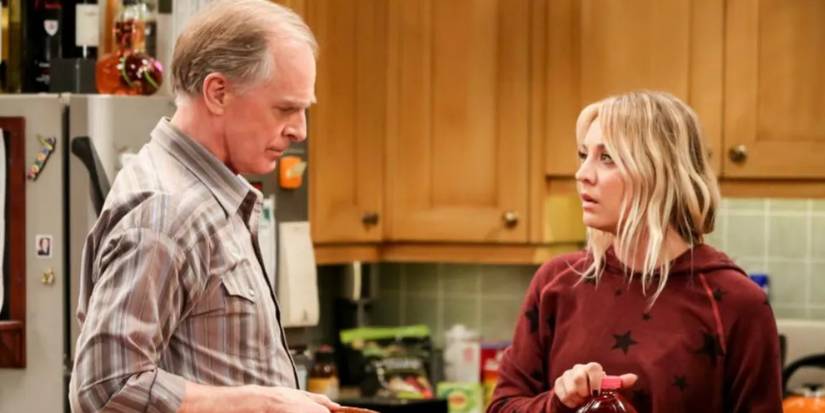
Penny talking to her father Wyatt about not wanting kids in TBBT
“The Boyfriend Complexity” is uncomfortable to revisit because so much of the humor hinges on judging Penny’s dating life from every angle. She pretends to be back together with Leonard to impress her visiting father, only for the situation to spiral into manipulation when her dad pretends to be angry at Leonard to spark Penny’s interest again.
The entire storyline treats Penny’s choices as problematic when the men aren’t actually abusive or bad to her, just not straight arrows. Instead of growth, the episode leans into the idea that Penny must be nudged or tricked into making the “right” decision, which reads as dated and oddly misogynistic for a show built on evolving relationships.
The B-story compounds the discomfort. Raj and Howard’s friendship had long flirted with queer baiting, and this episode pushes it to an awkward extreme when they accidentally kiss and spend the next day acting horrified. Rather than interrogating the moment, the joke rests entirely on their mortification.
“The Plimpton Stimulation”
Season 3, Episode 21
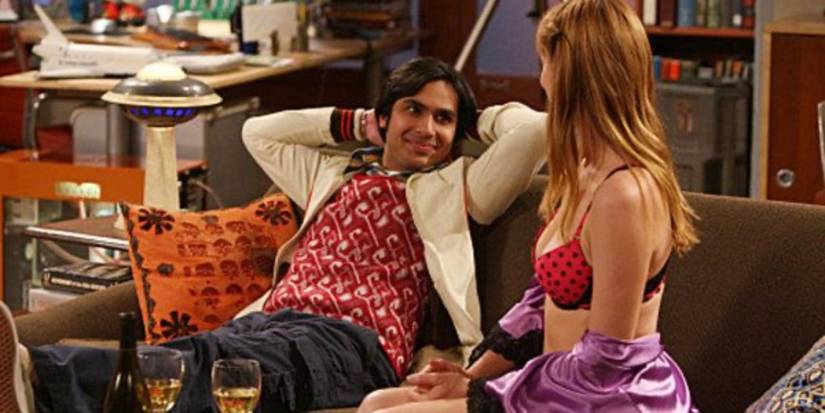
“The Plimpton Stimulation” highlights how uneven the early seasons of The Big Bang Theory’s portrayal of women could be. Judy Greer has never been bad in anything, but Dr. Elizabeth Plimpton is written as a one-note “sex addict” played entirely for laughs.
After arriving as a respected physicist, she quickly becomes a punchline, sleeping with Leonard and then casually proposing a four-way involving him, Raj, and Howard. The joke rests solely on the shock value, with no attempt to explain her motivations or explore why she’s drawn to any of them. The character exists purely as a fantasy scenario before the episode abruptly pivots to discomfort. That’s what makes the ending land poorly.
A sharper sitcom might use the situation to comment on how the guys believe they’d like women to behave, only to reveal that reality is more complicated. Instead, Leonard shrugs it off, saying he slept with her because “she let [him],” which comes across as sad and dismissive rather than funny. The episode reduces its main female guest character to a caricature, making it one of the show’s most dated stories.
“Pilot”
Season 1, Episode 1
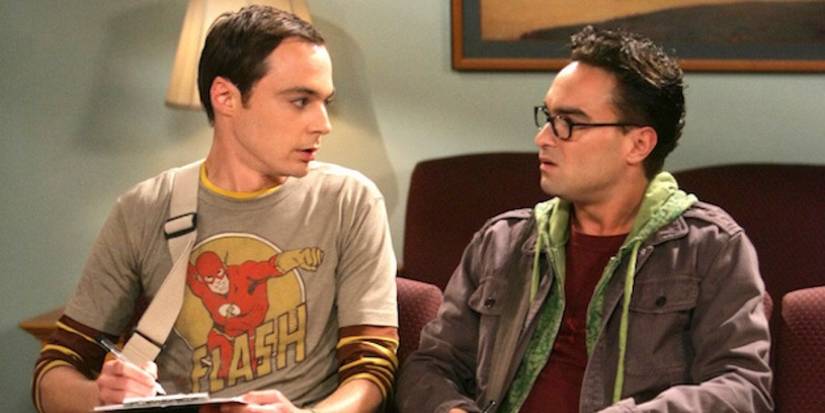
Many sitcoms take time to find their rhythm, and The Big Bang Theory’s pilot feels noticeably out of step with what the series would become. The biggest difference in the Big Bang Theory pilot is Sheldon, whose personality hasn’t fully crystallized yet. He’s still hyper-intelligent and socially rigid, but the sharper quirks that define him later aren’t quite there.
The cold open especially highlights this tonal mismatch. Leonard and Sheldon visiting a sperm bank is jarringly crude, and it never really tracks that either of them would want to do it or need the money. It’s telling that Big Bang Theory reruns cut the scene entirely.
There are glimpses of the show that would work, like Sheldon’s immediate protectiveness over his spot on the couch and the odd-couple dynamic with Penny. Still, the performances and characterizations feel looser and less confident. For a rewatch, the pilot can feel more like a rough draft than an inviting starting point.
“The Roommate Transmogrification”
Season 4, Episode 24

Raj and Penny in The Big Bang Theory
“The Roommate Transmogrification” is one of the most infamous missteps in The Big Bang Theory fandom because of Raj and Penny’s controversial hookup. The episode sets up a sympathetic emotional space, with both characters bonding over loneliness. Penny is reeling from her breakup with Leonard, while Raj is displaced from his own apartment to avoid Leonard and his sister.
The vulnerability feels grounded at first, but the next morning shifts into discomfort. Penny wakes up confused and mortified, unsure of what actually happened, while Raj boasts before quickly backtracking. The tone never fully reconciles the emotional setup with the awkward aftermath.
The Big Bang Theory later attempts a retcon by clarifying that they didn’t technically sleep together, but the damage was already done. The episode plays on Penny’s impaired state for shock value, even though it implies she lost her ability to give consent. That’s not how the story frames it, but it’s hard to ignore on rewatch. The fallout continues into the next episode, making both installments easy skips during a rewatch of The Big Bang Theory.
Release Date
2007 – 2019-00-00
Showrunner
Mark Cendrowski