
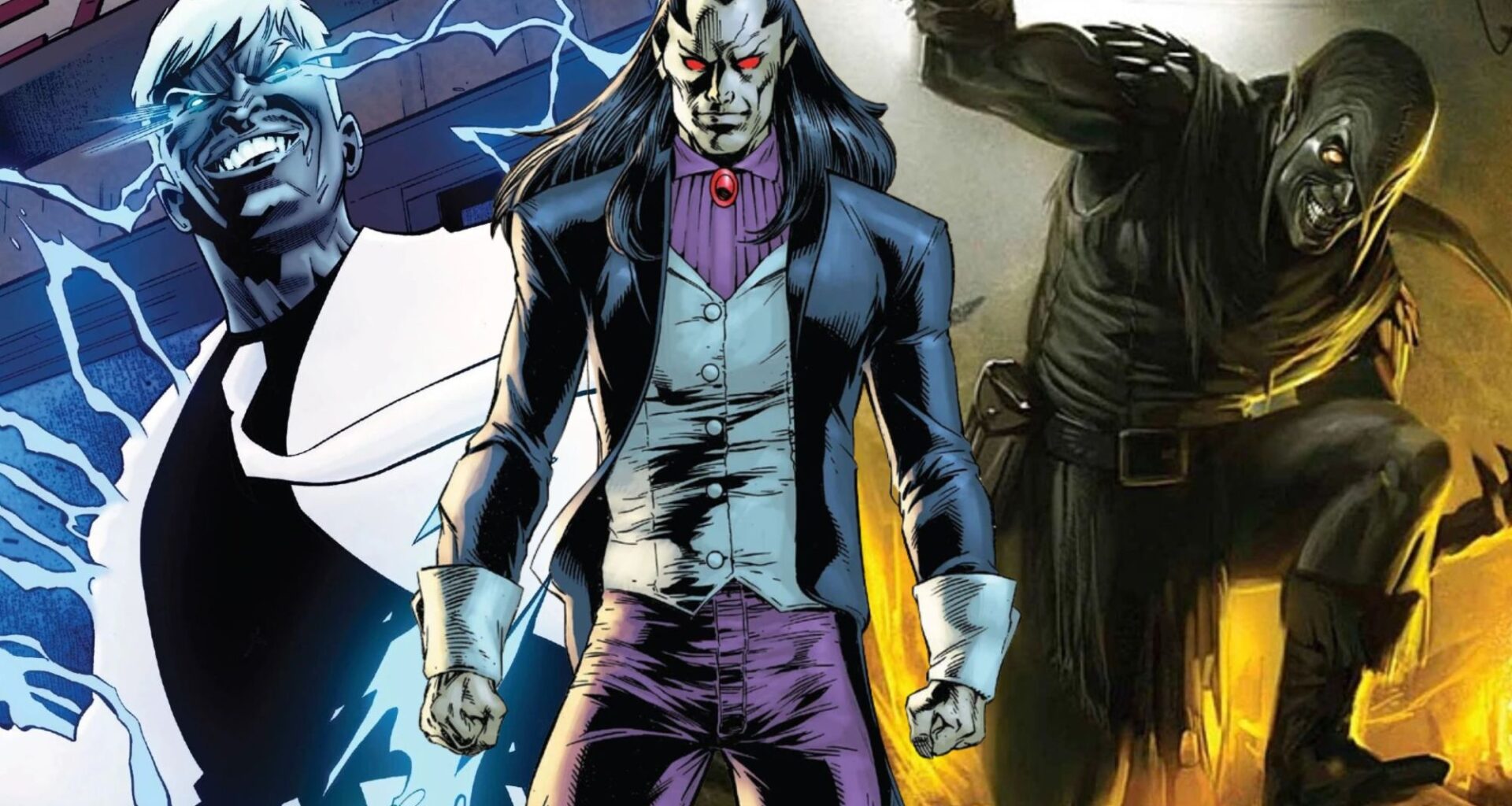
Spider-Man exploded in popularity in the 2000s, as the first Sam Raimi movie brought him to the big screen, but in the comics, Marvel reinvented everything fans knew about him. This included the good (Superior Spider-Man) and the bad (Brand New Day). Many of the changes came thanks to writer J. Michael Straczynski’s run, which introduced one of Spider-Man’s deadliest villains, and then the Brand New Day storyline, where Marvel rebooted the entire Spider-Man mythos and changed everything about his life. The 2000s also introduced the totem mythology and villains like Morlun and Shathra. Along the way, several villains took the main stage in Spider-Man’s life, delivering a decade’s worth of deadly tales.
These villains were not all introduced in the 2000s, as some of them are from early in Spider-Man’s career, but here are the 10 most iconic villains from the 2000s, based on that decade’s storylines.
10) The Vulture
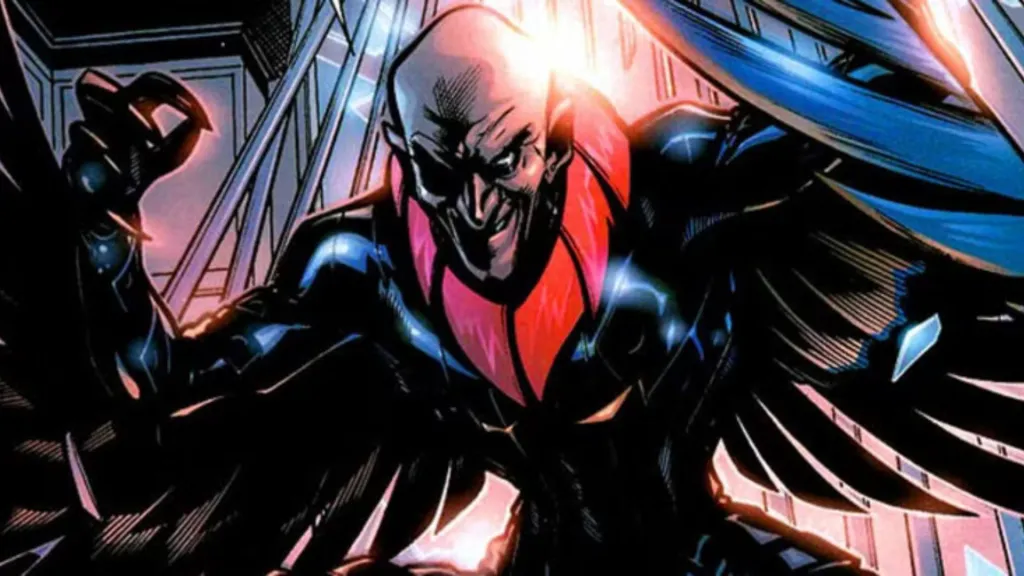 Image Courtesy of Marvel Comics
The Vulture was one of Spider-Man’s first-ever villains in the 1960s, and he remained a legitimate threat throughout every decade since. In the 2000s, he took center stage again, this time through Mark Millar’s prestige Marvel Knights: Spider-Man 12-issue run. Adrian Toomes got a black and red redesign, drastically different from his green colors from the past. However, what makes this 2000s run stand out is that he was given a personal motivation, as he began stealing again to help fund his grandson’s leukemia treatment. This might be Vulture’s best storyline, and a highlight for the 2000s villains’ stories. He returned several times throughout the 2000s as a credible threat.
9) Overdrive
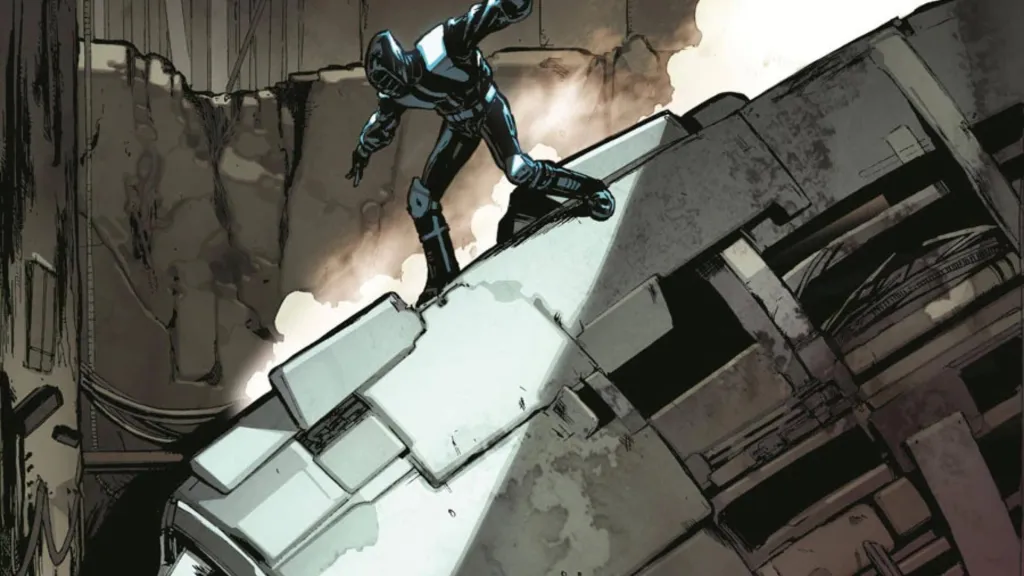 Image Courtesy of Marvel Comics
When people think of major Spider-Man villains, Overdrive is not usually the one that comes to mind. Overdrive actually debuted in 2007 in Free Comic Book Day: Amazing Spider-Man – Swing Shift. Created by Dan Slott and Phil Jimenez, Overdrive was a new villain for the Brand New Day comic book run and Spider-Man’s new existence in Marvel Comics. He debuted working for Mister Negative, which was another brand-new character in the 2000s. While nowhere near as powerful as others, he was a great new street-level villain and was so popular in the 2000s that he was chosen to be part of the 2013 Superior Foes of Spider-Man series in the following decade.
8) The Queen (Adriana Soria)
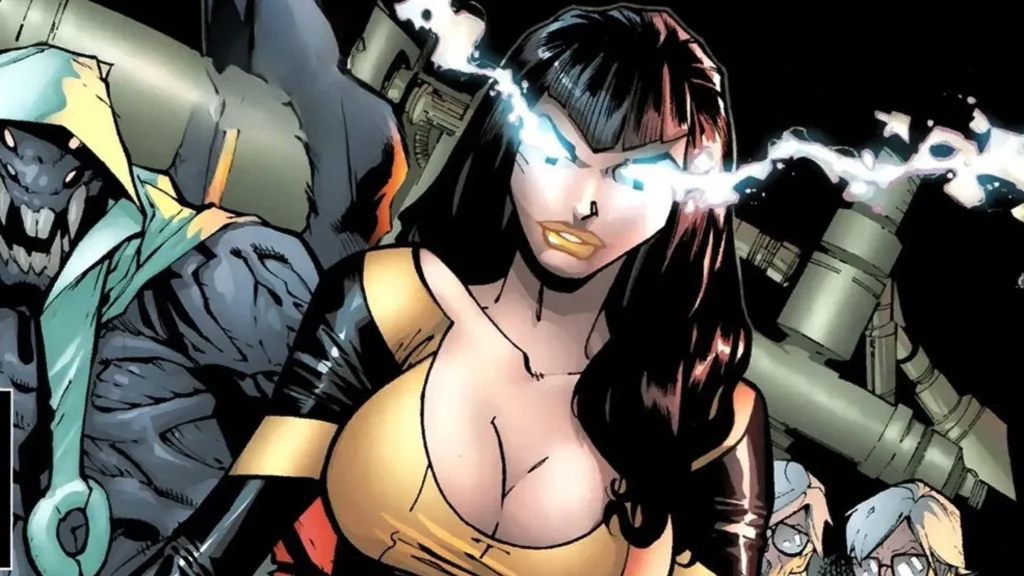 Image Courtesy of Marvel Comics
Adriana Soria is also known as The Queen, and she made her debut in Spectacular Spider-Man (Vol. 2) #15 in 2004. Created by Paul Jenkins and Michael Ryan, Adriana was the first female U.S. Marine in combat in World War II in Marvel lore. She was exposed to nuclear radiation as part of Operation Crossroads, which activated her latent mutant powers. She then played a massive role in Spider-Man’s life as her mutagenic saliva transmitted through her saliva began to turn Peter Parker into Man-Spider, a mindless creature at her control. This was one of the most disturbing body horror moments in any Spider-Man comic book. She took an even bigger role in the 2010s when she helped start Spider-Island.
7) Menace
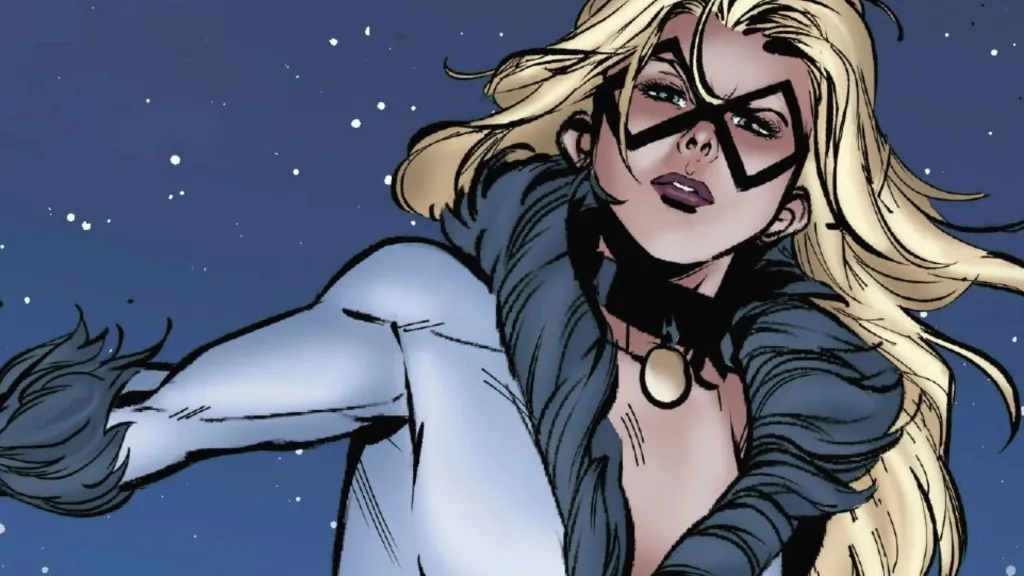 Image Courtesy of Marvel Comics
Menace is Lily Hollister, and she made her debut in Amazing Spider-Man #545, although she didn’t appear as Menace in full until Amazing Spider-Man #550. She accidentally absorbed the Goblin Formula through her skin and she gained the ability to turn into a Goblin-like creature at will. She was one of Spider-Man’s new enemies during the start of Brand New Day, mostly shown as a mysterious Goblin-threat. This was very similar to Hobgoblin in the 1980s Spider-Man comics. She was also Harry Osborn’s girlfriend, betraying him and making her an even darker villain. She also worked for Norman Osborn during Dark Reign.
6) Shathra
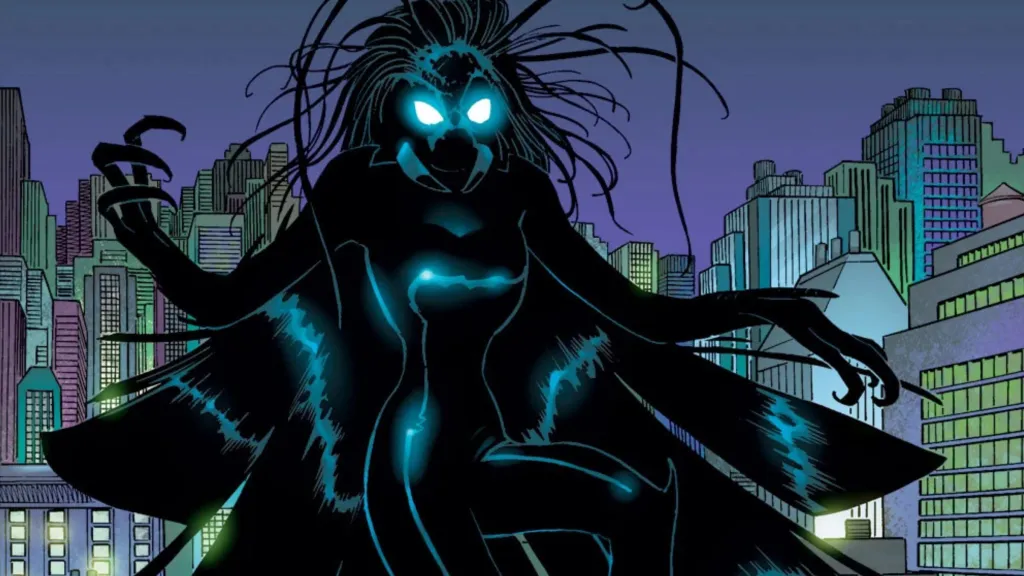 Image Courtesy of Marvel Comics
Shathra is a Spider-Man villain who made her debut during the J. Michael Straczynski and John Romita Jr. run on the title. She debuted in Amazing Spider-Man (Vol. 2) #46 in 2002 as part of the Morlun/spider-totem mythology. She was a Spider-Wasp entity, and is a natural predator of spiders in the timeline. However, she did more to ruin Spider-Man’s life than to kill him, as she posed as a human woman and tried to ruin Peter Parker’s reputation before attacking him. Spider-Man had no chance of beating Shathra alone, and he needed to team up with Ezekiel Sims to set a trap for her in a sacred temple in Ghana to finally end her threat.
5) Ezekiel Sims
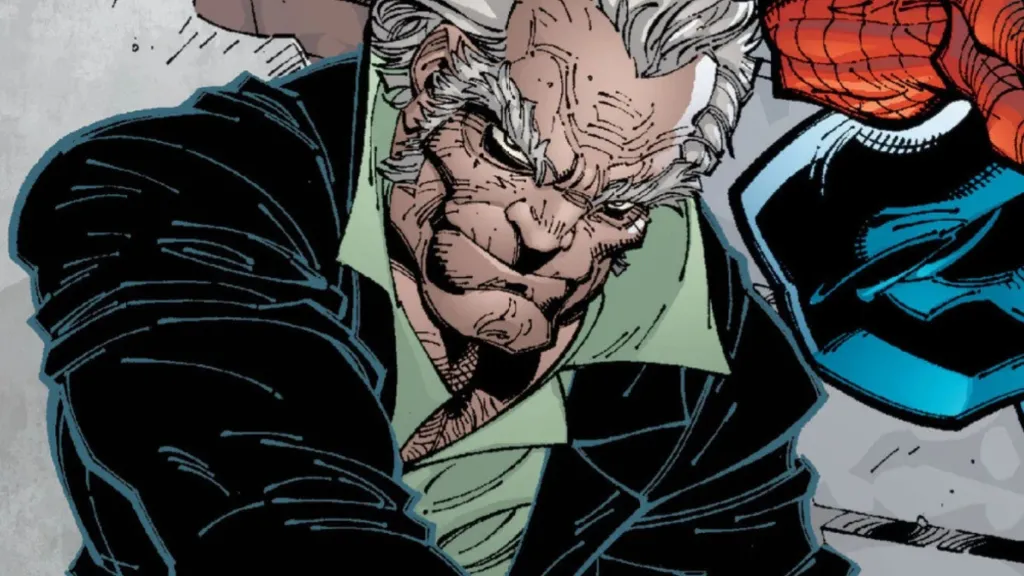 Image Courtesy of Marvel Comics
Ezekiel Sims is not a traditional Spider-Man villain, but he is complex enough that he fits as both an ally and a villain at different points in the spider-totem storylines. Ezekiel debuted in Amazing Spider-Man (Vol. 2) #30 in 2001, created by J. Michael Straczynski and John Romita Jr., making his debut in the same issue as Morlun. He was part of the storyline that reframed Peter Parker’s origins and showed it was not a random spider-bite, but ancient mystical forces at play. He was a dark-mirror image of what Peter could have been if he was more selfish, but he eventually had a redemption arc and sacrificed himself to save Peter.
4) Norman Osborn
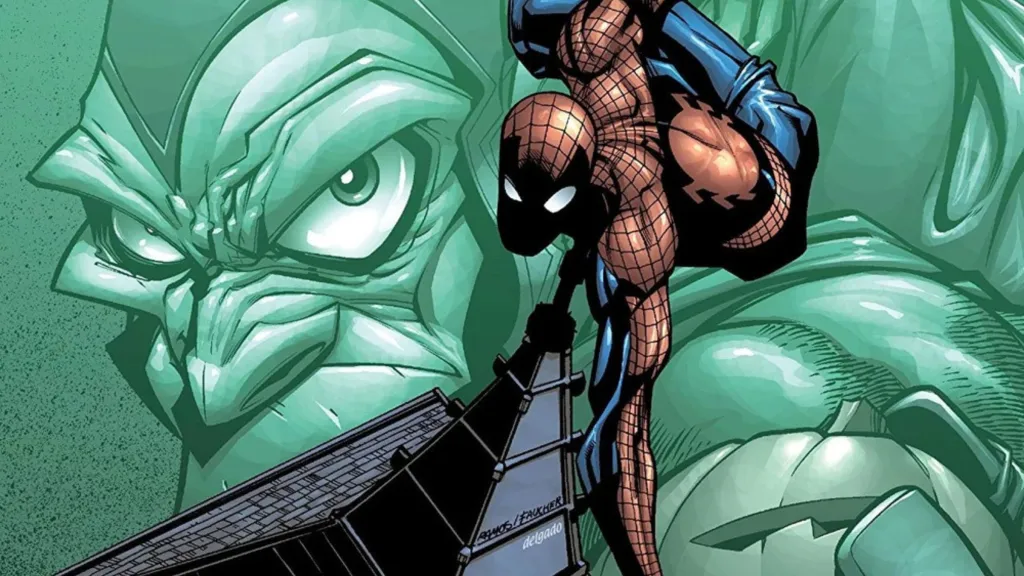 Image Courtesy of Marvel Comics
It seems like every decade since the Green Goblin was introduced in the 1960s, he ended up as a significant and iconic villain, returning with darker and darker goals. In the 2000s, Norman was back again, and he spent the 2000s accumulating political and criminal power, and by the end, Norman Osborn outgrew just being a Spider-Man villain, as he became Marvel’s main big bad. However, before Secret Invasion and Dark Reign, he was still the Green Goblin. He formed the Sinister Twelve in Marvel Knights to fight Spider-Man and he kept targeting Spider-Man until he finally graduated to the big leagues.
3) Doctor Octopus
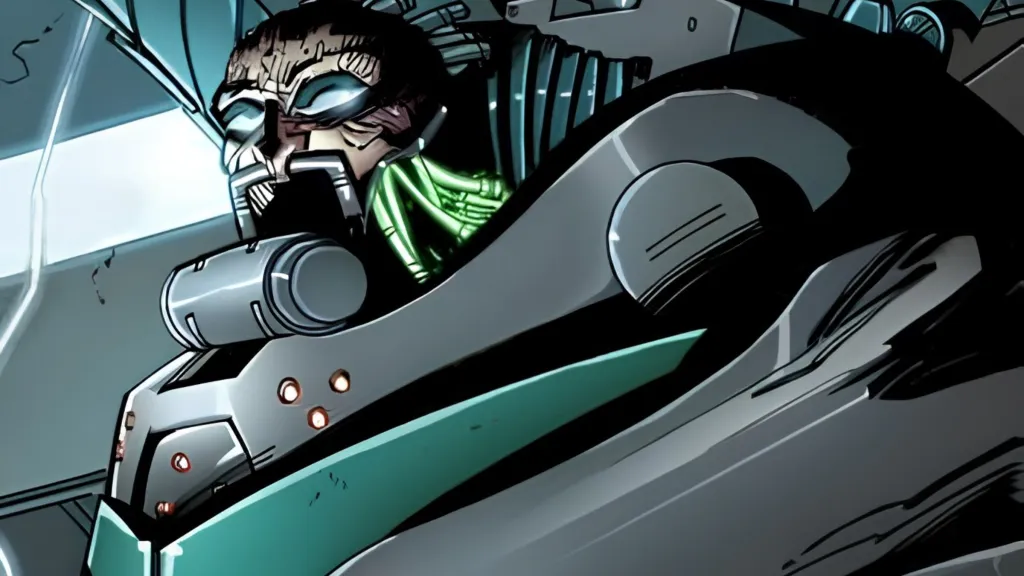 Image Courtesy of Marvel Comics
Doctor Octopus was back as a major iconic Spider-Man villain in the 2000s, and this really all kicked off in the 2003 series Spider-Man/Doctor Octopus: Negative Exposure. If anything, the 2000s helped continue to move Doc Ock above being just a common supervillain and gave him a lot more nuance and motivations as he made life a living hell for Spider-Man. His appearance in the movie Spider-Man 2 in 2004 increased his exposure and ensured everyone would always connect him with his greatest enemy. The 2000s is also when he began his physical decline and deteriorating body, which would culminate in the next decade when he finally beat Spider-Man, starting the Superior Spider-Man series.
2) Mister Negative
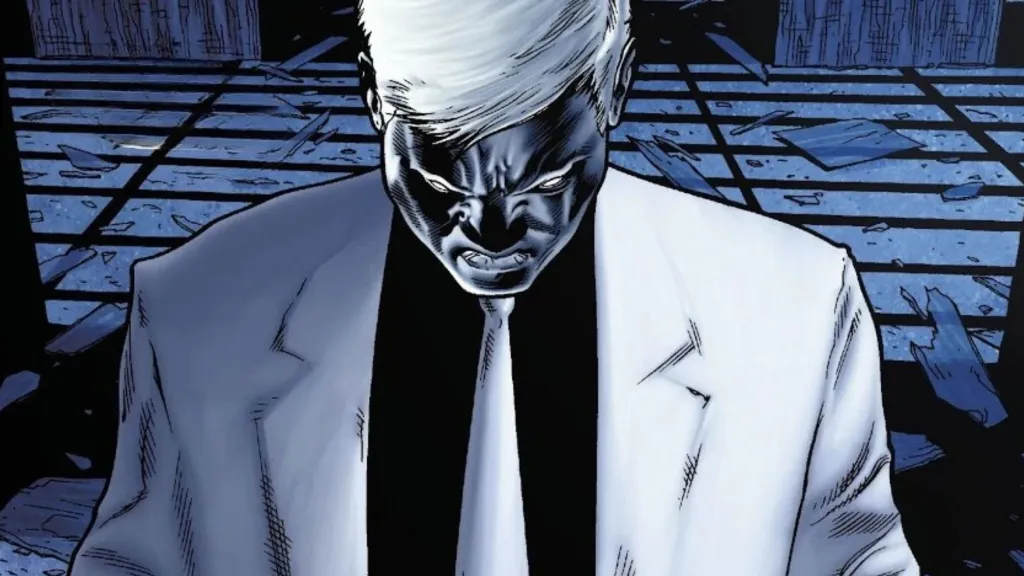 Image Courtesy of Marvel Comics
Mister Negative was easily one of the best villains introduced in the 21st century. The Spider-Man villain debuted in Free Comic Book Day: Amazing Spider-Man – Swing Shift as the new mob boss of the Brand New Day story run. Created by Dan Slott and Phil Jimenez, he was a complicated character. Martin Li was a beloved philanthropist who ran the FEAST Project where Aunt May volunteered to feed the homeless. However, as Mister Negative, he ruled the underworld, led his army of Inner Demons, and his Corruption Touch negatively affected the morality of others. He ended up shown as someone with two distinctive personalities, where Martin Li never wanted to be a villain, but Mister Negative brought out the worst in him. He was so iconic that he became a major part of the Spider-Man video game franchise in the 2010s.
1) Morlun
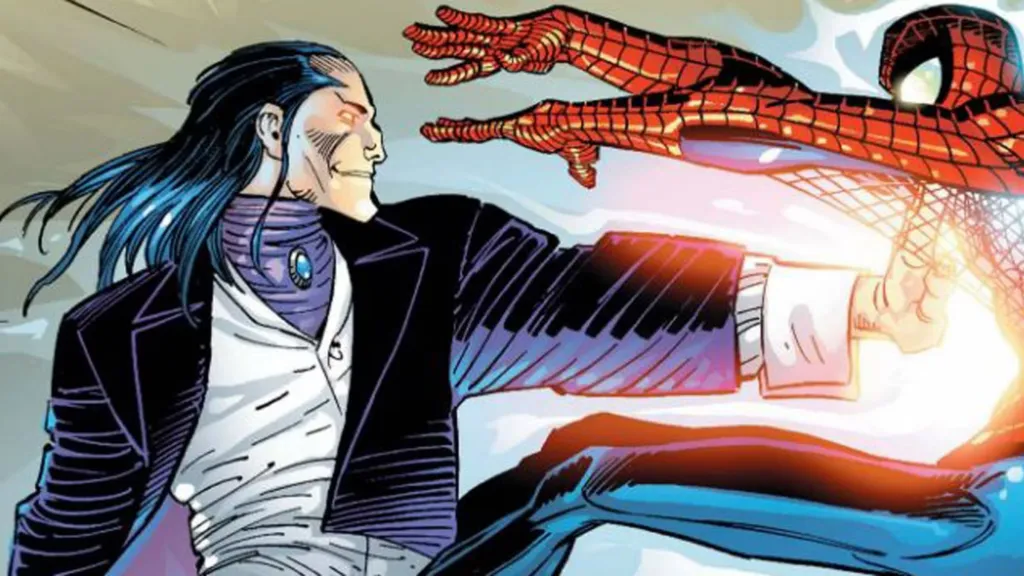 Image Courtesy of Marvel Comics
Morlun debuted in Amazing Spider-Man (Vol. 2) #30 in 2001 and was one of the most powerful and unstoppable villains Spider-Man had ever faced. Created by J. Michael Straczynski and John Romita Jr., he was a vampiric killer known as an Inheritor who feeds on the life force of totemic beings (like Spider-Man, Black Panther, etc…). He is nearly unkillable, which means Spider-Man always had to find clever ways to outwit him, including once by injecting himself with radiation to poison Morlun as he began to feed on him. In a 2005 storyline, he actually ripped out Peter Parker’s eye and the hero died in the hospital from his injuries. More than any other Spider-Man villain from the 2000s, Morlun changed everything about Spider-Man from the ground up, which had lasting effects.
What do you think? Leave a comment below and join the conversation now in the ComicBook Forum!