
The human brain stops producing most new neurons before birth, even though other organs in the body continually renew themselves.
Skin replaces itself within weeks, the liver can regenerate from a fraction of itself, and even the heart exchanges cells over the decades.

The brain, by contrast, runs on the hardware it came with, and when those cells die, they are gone for good.
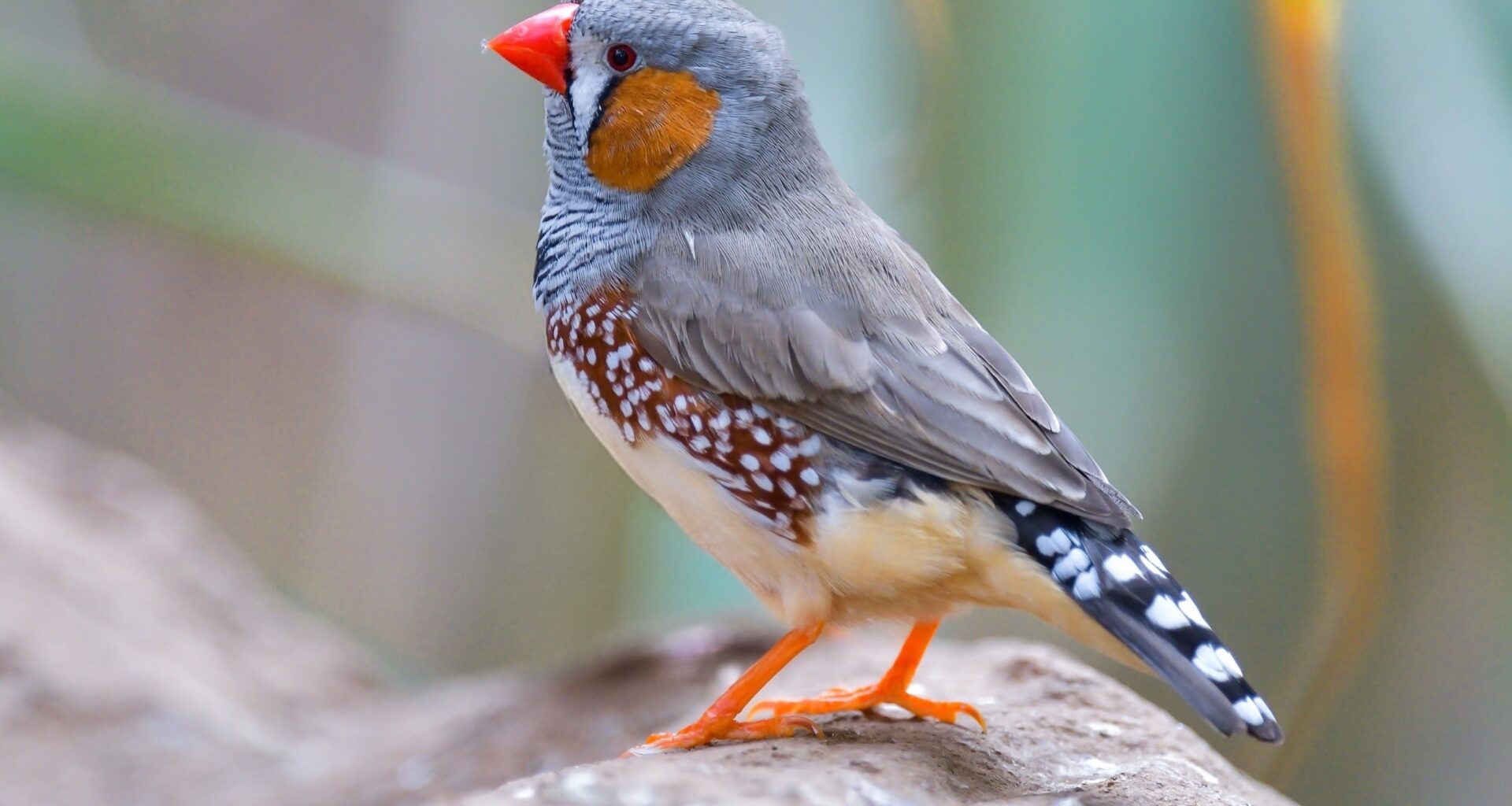
What makes this fact stranger is that much of the animal kingdom does not share our limitation. Canaries, goldfish, lizards, and zebra finches all continue generating fresh neurons throughout life.
A research team at Boston University, working with one of the best neurogenerators in nature, may now have figured out why our brains behave so differently.
Mammals lost brain regeneration
Evolution tends to preserve useful traits, which makes the mammalian loss of neurogenesis genuinely puzzling. For years, the prevailing explanation was structural in nature.
Young neurons move through the brain as they develop. They follow pathways called glia scaffolds. These scaffolds act like roads that guide their movement.
In humans, most of these scaffolds disappear soon after birth. So scientists believed that new neurons had no paths left to travel.
That explanation always felt incomplete, and it left a more provocative question unanswered. Even if the biological highways could somehow be rebuilt, would the adult brain actually benefit from the traffic they would carry?
Watching finch neurons grow
Benjamin Scott’s team at Boston University studied the zebra finch to understand neurogenesis. This small bird can learn songs and keeps making new neurons as an adult.
They used electron-microscopy based connectomics to get very detailed images of brain cells and study the process closely.
Their initial ambitions were modest. “Our first hope was just to say, what does this look like at a detail we couldn’t see before?” Scott says.
What the microscope actually revealed, in findings published in Current Biology, was nothing like the delicate cellular choreography the field had long imagined.
New neurons bulldoze through
Instead of moving carefully around existing brain structures, the new neurons took a direct path. They pushed straight through the tissue. As the neurons moved, they changed and compressed the cells around them.
The mature cells in their path were shoved aside, squeezed, and disturbed with apparent indifference to the wiring that was already in place.
“We found that in songbirds, new neurons in the adult brain behave like explorers forging a path through a dense jungle,” said Scott.
The researchers also noted a less comforting parallel in their paper: this tunneling behavior bears a striking resemblance to the way certain metastatic cancer cells move through tissue.
These young neurons, in other words, travel by causing disruption rather than avoiding it. That observation reframes the original puzzle in an important way.
The question shifts from why mammals lost the ability to generate new neurons in adulthood to what exactly we gained by giving it up.
Memories need stable connections
Think about what your brain stores. Memories are not like files on a computer. They are patterns of connections between neurons.
The sound of a loved one’s voice or a simple skill like tying shoelaces exists in these connections.
If new neurons enter this system, they may disturb those patterns. They could change how cells are linked. This might affect stored memories.
So evolution may have made a choice. It may have limited new neuron growth to protect existing memories. This is one idea suggested by Scott.
“This potentially disruptive behavior may help explain why humans and other mammals have limited capacity to regenerate brain tissue in adulthood, leaving us more vulnerable to neurodegenerative disorders such as Alzheimer’s disease,” noted Scott.
In simple terms, the same stability that protects our memories may also make it harder for the brain to repair itself.
Repair without old pathways
There is another way to look at these findings, and it brings hope for brain repair.
Scientists once believed that glia scaffolds were essential for new neurons to move. However, that was not observed in zebra finch.
“Our discovery of tunneling shows how cells can move without glia scaffolds,” said Scott.
“Most glia scaffolds are lost in humans after birth, and this loss was thought to be an obstacle for neurogenesis in the adult brain.”
“However, our work shows that new neurons in the bird do not need this glia scaffold. This is exciting because it means that brain repair may not require specialized glia scaffolds.”
This changes how scientists think about treatment. It suggests that the brain may not need these pathways to grow new cells. This could open new ways to develop therapies that help the human brain repair itself.
Bird brains guide human research
Scott’s team is now studying what happens inside these neurons as they move. They are using a method called single-cell RNA sequencing to determine which genes are active during the journey.
“We want to know what other cells they’re talking to as they move and how they are speaking to these different cells,” said Scott.
This step is important for future treatments. It is not enough to just create new neurons. Scientists must also guide them.
The neurons need to know where to go, when to stop, and how to connect without disturbing existing structures.
“We share a lot with our animal relatives on this planet,” said Scott. This may sound simple, but it has a deeper meaning here.
A small bird like the zebra finch may hold answers to questions we have asked about the human brain for years. By studying it closely, scientists may find ways to protect and repair our own brains.
The study is published in the journal Current Biology.
—–
Like what you read? Subscribe to our newsletter for engaging articles, exclusive content, and the latest updates.
Check us out on EarthSnap, a free app brought to you by Eric Ralls and Earth.com.
—–