
Summary
The Microsoft Teams toolbar will let you pin, unpin, and reorder meeting controls.
Raise Hand will be tucked under Reactions to cut down accidental interruptions.
The leave button will be separated; redesign may feel odd, but it aims to be faster and easier.
Accidentally raising your hand in an online meeting isn’t the most embarrassing thing you can do in Teams, but it’s so easy to do and so disruptive to the meeting flow that it sticks with you. Something about halting a 30-attendee strong presentation just really gets to you, especially the part where you have to unmute and sheepishly admit you accidentally hit the wrong button.
Well, for all those who dread mixing up the ‘raise hand’ button with the emoji menu, Microsoft has some great news for you. Microsoft is planning a big redesign of the Microsoft Teams toolbar, which includes tucking away that dreaded ‘raise hand’ button so your cat doesn’t accidentally hit it mid-meeting.
Related
Giving PowerPoint presentations over Microsoft Teams meetings is about to get a lot easier
There’s less work for the presenter now.
Key word, ‘may’
Source: Microsoft
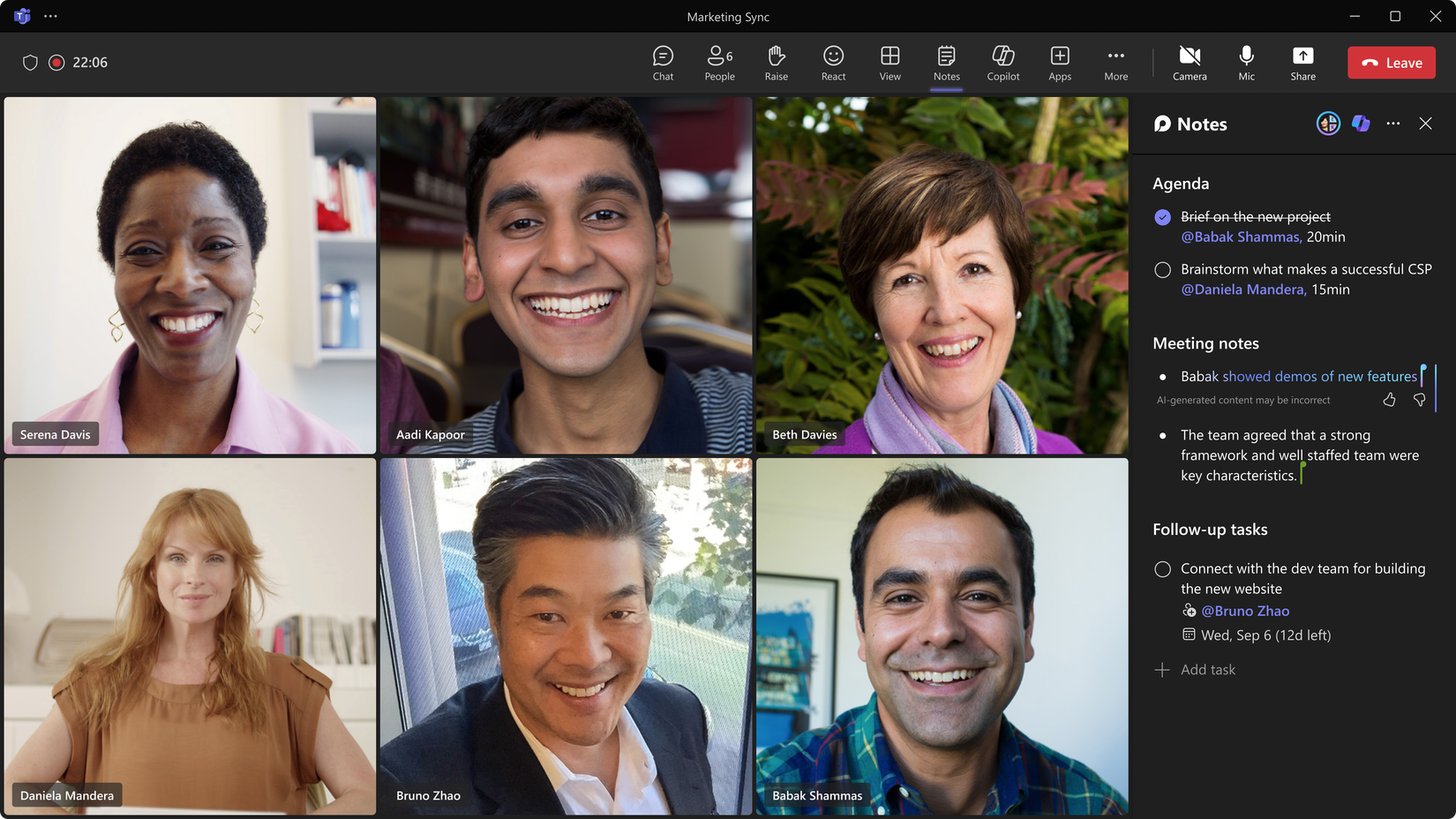
Over on the Microsoft 365 Roadmap, the Redmond giant has recently added a new planned feature. Titled “Microsoft Teams: Meeting toolbar redesigned” with the roadmap ID 560321, this feature will let you pin, unpin, and reorder the controls on your meeting toolbar to your liking.
While that’s pretty nice by itself, Microsoft is also hoping to reduce the number of accidental interruptions by bundling the Raise Hand button under Reactions. Given how even Microsoft itself understands the pain people go through when accidentally hitting the button, it’s good to see that it’s doing something about it.
Microsoft also says that it’ll put the Leave button “clearly separated” on the right, so it sounds like it’s either fixing people accidentally leaving meetings or remedying a problem where people didn’t know how to escape.
Interestingly, Microsoft rounds off the Roadmap entry by saying, “It may feel different at first, but it’s designed to be faster and easier to use.” While there are no images or videos of the new toolbar in action, the phrasing of that sentence makes it seem like the toolbar’s redesign may be drastic enough to draw some user ire. Here’s hoping Microsoft finds an elegant solution that makes everyone happy. We’ll know for sure when Microsoft begins the rollout on desktop and macOS in June 2026.
Related
A Windows 95-era taskbar feature may soon come back to Windows 11