
In our How I Manage My Money series we aim to find out how people in the UK are spending, saving and investing money to meet their costs and achieve their goals.
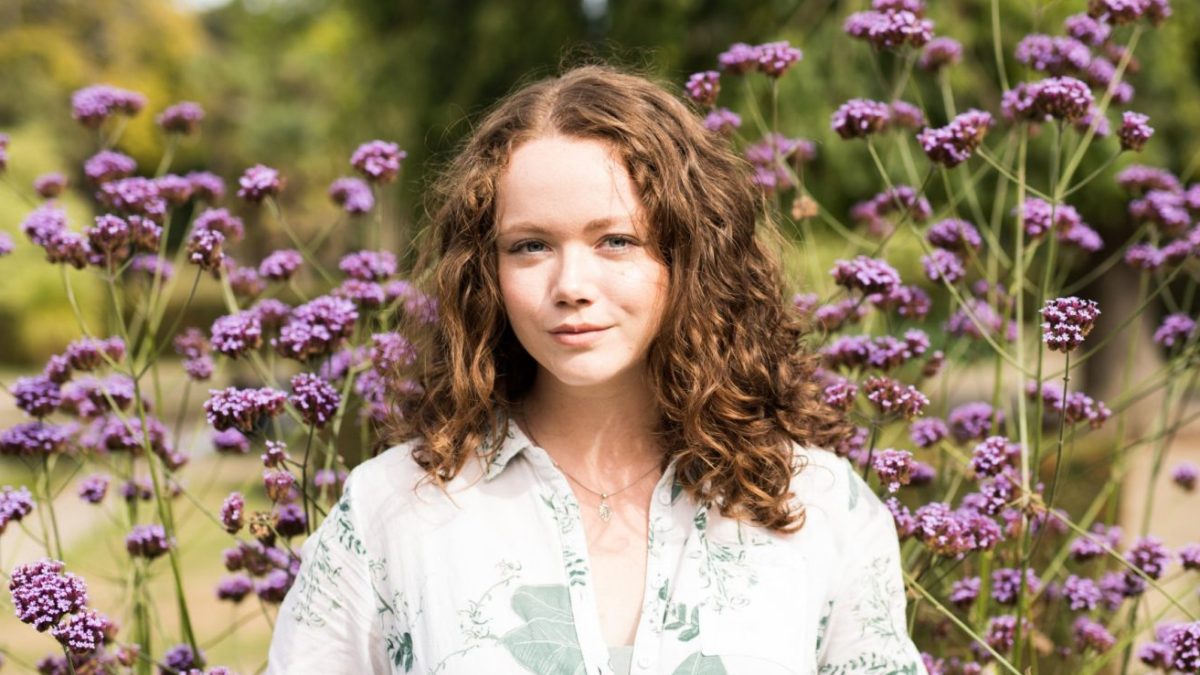
This week we speak to Rebecca Broad, 30, who lives in Exeter with her partner, Joe, 31. Rebecca is a freelance writer and communications manager. She has £7,500 in her pension, which she thinks is small compared to her friends’ pots. Rebecca would like to follow her parents and retire early.
Monthly budget
My monthly income: I pay myself £1,500 per month. I’m a sole trader but professionalise as much as possible. I have a business account via Starling for upcoming wages, plus sinking funds for annual costs like software. I started pet sitting a few months ago to top up my income, but this is ad hoc, bringing in between £50 to £150 per month. My partner works as a copywriter.
Our monthly outgoings: Joint expenses – mortgage, £1,269.38; council tax, £154; gas and electric, £110; water: £67.50; groceries, £450; broadband, £29.45; car fuel, parking, insurance, and maintenance sinking fund: £150; eating out and coffees, £75; home and garden items, £100, dog insurance, food, vet plan, occasional day care, £150; Spotify Duo subscription, £17.99.
Joe and I put an equitable amount of money into the joint account based on our proportional income. Right now, between us, our total take-home income is £4,500. Mine is 33 per cent of that total, at £1,500. So, I contribute 33 per cent, or £900, of our joint expenses.
Personal expenses: Mobile phone bill, £1.50; dentist, £25.63; off-peak gym membership, £23.99; contact lenses, £24; Devon Wildlife Trust membership, £3.50; talking therapy, £120; osteopathy, £65; acupuncture, £60; medication, £20; money into savings, £125. This leaves about £125 to spend on days out, hobbies, meeting up with friends, gifts, clothes, shoes, skincare and haircuts. I also add £20 a month to a private pension.
Growing up, I lived with my parents and younger sister in Leicestershire. My parents worked hard in public sector jobs and budgeted carefully so we could enjoy our hobbies and annual camping trip to France.
Since leaving university, where I studied biological sciences, I haven’t had a full-time employed role, but did work in a few part-time jobs as a teenager and in my twenties. At graduation, I couldn’t see a better job than what I could create for myself, especially regarding flexibility.
I juggle multiple health conditions under the umbrella of functional neurological disorder (FND). Working for myself means I can adjust my days and hours based on my symptoms.
I’d started my freelance writing work at university and have continued and expanded it ever since. The work I do for each client varies, but currently entails being a marketing director, social media manager, copywriter and events communications manager.
I’m a sole trader, but pay myself £1,500 a month. In the past I’ve been able to pay myself more. However, I’m currently rebuilding my reserves after taking a few months off last year. I took four months off, and although longer would have been better, I couldn’t risk running my savings down further.
New FeatureIn ShortQuick Stories. Same trusted journalism.
Lots of people ask me if artificial intelligence has reduced the amount of work I get. So far, it hasn’t. Some clients want me to work with artificial intelligence, which can speed up my work, while others ensure I avoid it.
A few years ago I became a member of Ipse, The Self-Employed Association, which has been enormously helpful when it comes to finding out about the practicalities of being self-employed and networking with like-minded people.
I’ve always been cautious with money. I budget carefully, shop secondhand, move my savings accounts when the interest rate drops, and switch banks to get cash bonuses. I never buy anything on finance and want to avoid taking out a loan for our upcoming wedding. I think about every pound I spend. We’re hoping to keep our wedding budget at less than £10,000.
Our plan is to have a private statutory ceremony on a Friday and a party the next day. A family member who runs a nearby venue has offered it at a reduced price, which will really help keep costs down, though it doesn’t include food or decorations.
Our priority is getting as many of our loved ones together as we can afford. We’ll cut back on things that don’t matter to us so much (table service, big registrar ceremony, my dress) to help us spend on things that do (photography).
I spend over half of my expendable income on wellbeing. FND means I have migraine attacks, nerve pain, fatigue and brain fog. I don’t have an employer to pay sick pay or relatives to help with bills, so I do everything I can to stay well enough to work.
We live in a two-bedroom Victorian mid-terrace house in Exeter. It cost £290,000 to buy in May 2024. Joe and I put down an equal sum to reach an 11 per cent deposit together. Saving my half of the deposit and buying is one of the biggest achievements of my life. I put money aside in a savings account, then a Help to Buy ISA, then a LISA, for over a decade. I felt so proud when we completed, knowing I’d saved every penny.
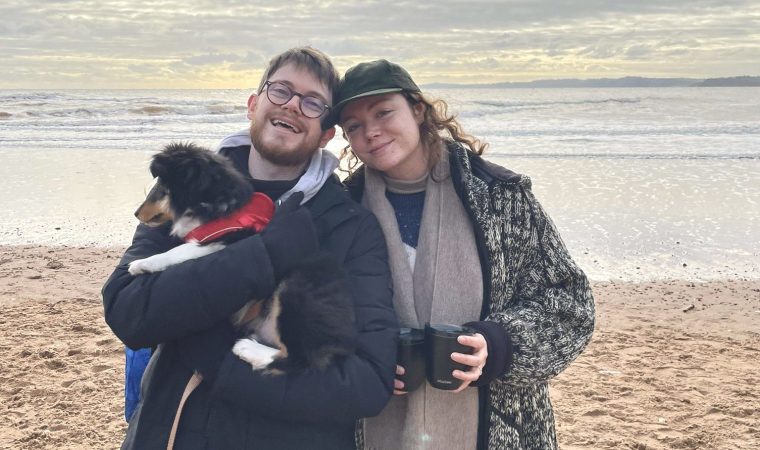 Bex Broad and her partner, Joe, live in Exeter but say the costs of their mortgage are crippling – and it could lead them to move
Our mortgage is due for renewal this May. It should be cheaper as we secured a deal in advance of 4.11 per cent – it is currently 4.8 per cent. We will work with the same mortgage broker we used before.
We love our house, but the mortgage can feel crippling. Moving out of Exeter might save us a bit of money, but we would miss having everything we need within walking distance.
Before buying, we spent a few years as digital nomads, which helped us to save money. We went abroad, stayed in house sits, and lived in off-season holiday cottages in Cornwall. I’d consider returning to that lifestyle in the future.
In my Starling business account, I have two months’ wages. I have £5,600 in an easy-access cash ISA for use as an emergency fund. When that reaches £6,000, I’ll save for our wedding and some house improvements. I also have £200 saved for an upcoming short break to Cornwall and £3,000 my grandfather left me to use for travel. I also already have £70 saved up for Christmas via rounds-ups.
I think about my pension regularly, but it’s not a priority. I only add £20 a month into a high-risk, sustainable-only plan with Penfold, which performs well. I have £7,500 saved in my pension, which is minuscule compared to my friends’. But I know I have a better work-life balance now, which feels worth the trade-off of a potential retirement. I can work when I want and take my dog to the beach.
Retirement feels like a long way off and I have more pressing savings goals now. If our mortgage was paid off, I could survive solely on the state pension in later life, but that’s nearly 40 years away. Both of my parents had cancer in the past, which spurred them on to retire early. This was a great decision, and one I’d like to emulate, without the illness.
Money, to me, is just a way to access experiences, so I think about how I want to feel, and work and spend accordingly. I don’t want to work all the time, so turn down unsuitable contracts.
Although my income is lower now, I would like to return to £3,000 a month. I’ve done it before, so I know it’s possible, but it has to be sustainable given my health problems.
Lifestyle-wise, I would like to be able to afford occasional travel abroad. I’d also like to feel healthy and wealthy enough to consider having children. Right now, that feels impossible.
Want to take part in How I Manage My Money? Email money@theipaper.com