
The European Commission is urging EU governments to provide energy vouchers, income support and social tariffs to support vulnerable groups facing high energy prices, as well as blocking energy disconnections from the power grid.

ADVERTISEMENT
ADVERTISEMENT
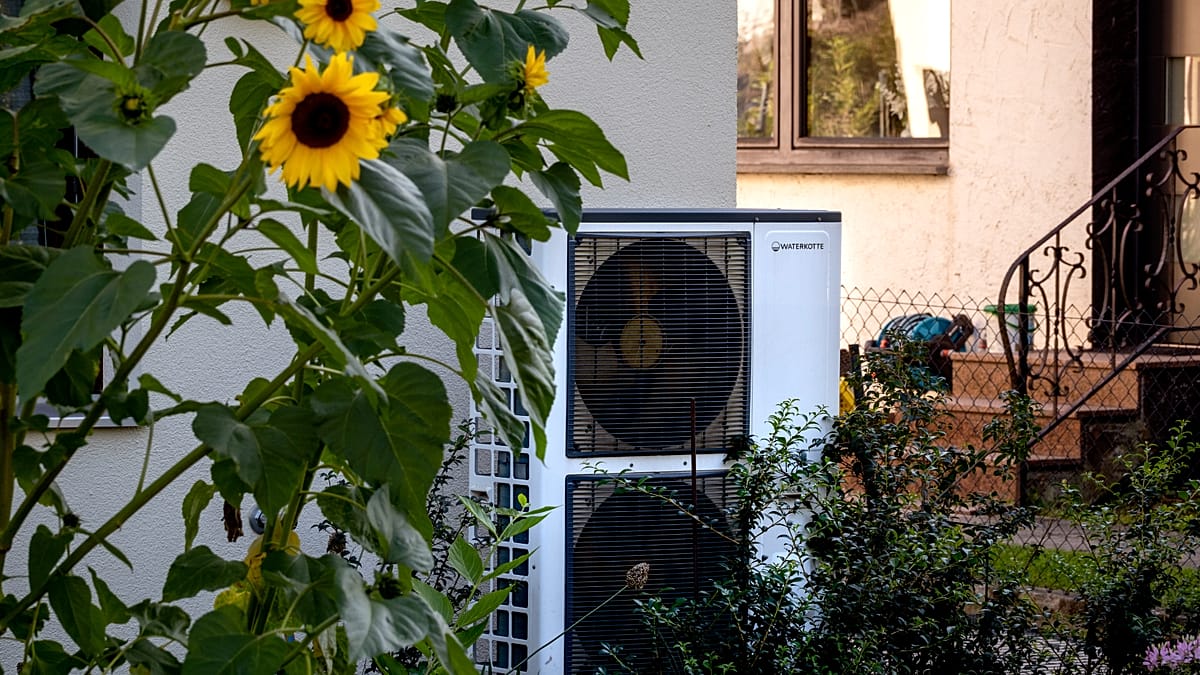
Brussels is also suggesting tax reductions on electricity and clean technologies, while encouraging consumers to lower bills over time through subsidies for clean technologies, like heat pumps, solar panels and home insulation, in a more calculated attempt to help protect Europeans while reshaping the energy system beneath them.
Energy Commissioner Dan Jørgensen and Executive Vice-President for a Clean, Just and Competitive Transition Teresa Ribera presented on Wednesday a much-anticipated, broad set of social measures aimed at cushioning the impact of high energy prices on households, businesses and industry resulting from disruption caused by the war in the Middle East.
The pair maintain that the end goal is to electrify the bloc’s economy and end its reliance on imported fossil fuels, which have cost the EU €24 billion due to higher prices since the United States and Israel launched a war against Iran in February.
As fuel prices climb and energy contracts begin to expire, households across the EU —especially the most vulnerable — face the risk of sudden and costly energy bill shocks.
“The coming months will be filled with uncertainties and the crisis will hit different member states in different ways. We can protect the most vulnerable citizens in our communities and the most exposed sectors of our economies,” Jørgensen told reporters.
Energy-intensive industries received more specific attention from the European Commission, reflecting their vulnerability to rising costs and global competition. Their plan includes emergency support options, potential tax relief on electricity and incentives to replace fossil fuel systems with electrified and renewable alternatives.
Companies are encouraged to invest in efficiency improvements and on-site renewable energy generation, supported by EU funding and new financing models. Measures such as energy audits and flexible electricity pricing are presented as ways to reduce consumption and exposure to volatile energy markets.
Businesses may also face obligations to implement efficiency measures with quick payback periods. Across all sectors, the draft emphasises that support should be temporary and targeted carefully, while reinforcing the longer-term transition to a more resilient, low-carbon energy system.
The Commission maintains that all emergency measures are “temporary, targeted and aligned” with long-term decarbonisation goals. It raised concerns about locking in high consumption or distorting price signals intended to encourage efficiency and electrification.
As a result, even short-term protections are paired with expectations of behavioural change, including reduced consumption or participation in demand flexibility schemes, placing part of the adjustment burden on consumers themselves.
Windfall profit tax left for the capitals
Seda Orhan, head of energy at the NGO Climate Action Network Europe, welcomed the Commission’s measures for targeted short-term relief, but noted that without a financial package to back them, vulnerable households can hardly afford heat pumps or electric vehicles.
“We are lacking a solid financial package to support these measures to meaningfully scale up and reach those who need it most,” Orhan said.
The environmentalist said the “only fair workable solution” is a permanent tax on the excess profits of fossil fuel companies to deliver short-term relief and accelerate the transition to renewables and electrification without depleting much-needed public revenue.
However, the Commission snubbed the idea of a common windfall profits tax, arguing that it would artificially lower prices, potentially increasing demand or straining public finances.
Ribera argued that such a tax would require unanimity and be a complex process likely to fail, but the Spanish Commissioner encouraged EU countries willing to impose a windfall profit tax on their own to do so.
Antony Froggatt, senior director for aviation, shipping and energy at the campaign group Transport and Environment (T&E) welcomed the Commission’s social measures but also regretted its failure to create revenue streams.
“As oil companies make tens of billions in war profits, windfall taxes that relieve the financial pain for European households are critical. It is shocking that the Commission has missed the opportunity to drive affordable electric vehicle uptake for households and SMEs,” Froggatt said.
The Commission also announced an overhaul of grid charges and electricity-related taxes to provide relief to households and people struggling with soaring energy prices.
“Reducing charges and taxes and targeting support to where it’s needed could make a real difference to consumers’ energy costs,” said Agustín Reyna, director general at BEUC, the European Consumer Organisation.
Reyna hailed the Commission’s upcoming Electrification Action Plan as a crucial tool to deliver long-term energy price savings.