
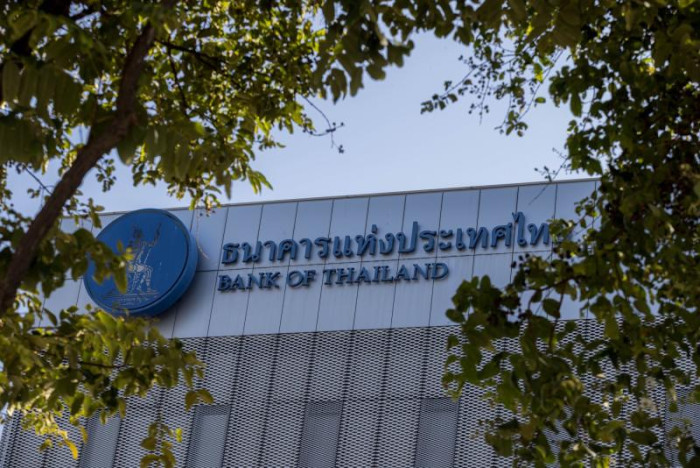
Central bank to make decision on Wednesday
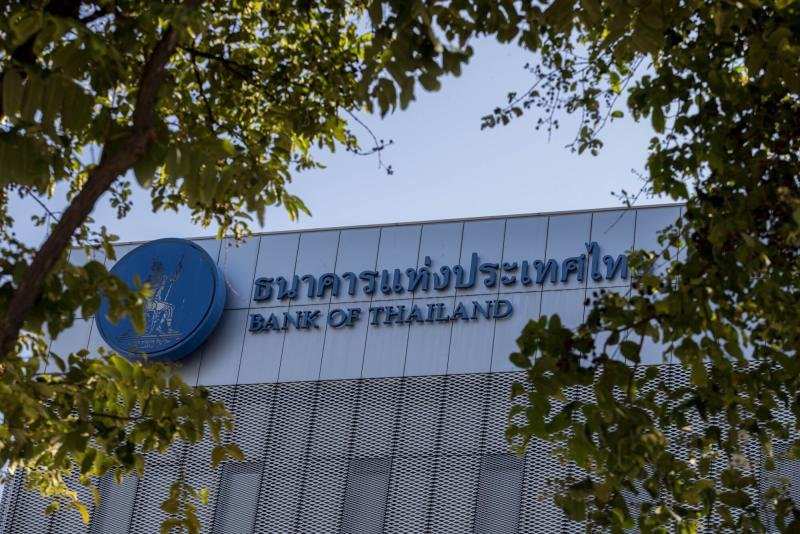
Local research centres expect the Bank of Thailand to leave interest rates unchanged at Wednesday’s meeting, adopting a wait-and-see approach amid the ongoing war in the Middle East.
According to Kasikorn Research Center (K-Research), the central bank’s Monetary Policy Committee (MPC) meeting on April 29 is expected to keep the policy rate steady at 1% throughout the year, given persistently high uncertainty stemming from geopolitical tensions.
“Further rate cuts would not significantly stimulate the economy. Fiscal policy is expected to play a more prominent role, with the government planning additional stimulus measures, including broad-based fiscal policies and targeted financial measures such as soft loans,” K-Research noted.
Thailand’s inflationary pressures are expected to accelerate in the second quarter, driven by rising energy, logistics, and raw material costs. This is reflected in the Producer Price Index (PPI) for March 2026, which rose to 6%, while headline inflation (CPI) remained negative at -0.08%.
K-Research expects Thailand’s GDP growth in the second quarter to slow compared with the previous quarter, before potentially recovering in the second half of the year.
The MPC is likely to adopt a wait-and-see approach to comprehensively assess the impacts, in line with the stance of several major central banks worldwide.
Kiatnakin Phatra Financial Group (KKP) Research also expects the MPC to keep its policy rate unchanged at Wednesday’s meeting. The recent increase in inflation is unlikely to prompt the central bank to raise interest rates in this cycle.
“Thailand is currently experiencing negative inflation alongside a slowing economy. However, the MPC is expected to tolerate inflation temporarily exceeding the target range, especially if driven by supply-side factors and global market conditions — factors that interest rates cannot effectively control,” KKP noted.
If oil prices ease as expected, inflation could decline significantly towards the end of this year and into 2027. Under this scenario, the regulator may cut the policy rate by 25 basis points to 0.75% later this year to support weak purchasing power, before raising it back to 1% in 2027, according to KKP.
Meanwhile, SCB EIC believes the MPC faces increasing challenges from stagflation pressures, as slowing economic growth coincides with rising inflation. It also recommends that energy price measures avoid broad-based subsidies or blanket price controls, instead prioritising targeted interventions and gradual adjustment by consumers to higher energy costs.
The MPC is unlikely to raise the policy rate in response to higher inflation, as inflationary pressures are expected to be driven primarily by supply-side factors. As a result, the MPC is expected to maintain its policy rate at 1% throughout this year, EIC forecasts.
In addition, businesses may have limited ability to pass on higher costs to consumers amid still-weak demand. A rate hike could therefore further weigh on Thailand’s already subdued growth outlook and exacerbate vulnerabilities stemming from the elevated debt burdens of households and small and medium-sized enterprises.