
A calculated departure from a longstanding alliance
The Organization of the Petroleum Exporting Countries (OPEC) enters a new phase today, May 1, 2026, as the United Arab Emirates formally withdraws after nearly six decades of participation.
The exit marks a significant turning point for the oil-producing alliance, particularly in the Middle East, where the UAE has long played a central role in shaping production policy and market direction.
The country’s association with OPEC dates back to 1967, when Abu Dhabi joined the group just seven years after its founding. In recent years, the UAE remained one of its most influential members, ranking as the third-largest oil producer in the organization as of February, behind Saudi Arabia and Iraq.
Rising regional tensions disrupt oil flows and strategic exports
The departure comes after weeks of escalating regional tensions. The UAE has faced missile and drone attacks attributed to Iran, itself an OPEC member, while disruptions to shipping routes in the strategically vital Strait of Hormuz have significantly constrained the country’s oil export capacity.
These developments have placed growing pressure on a cornerstone of the UAE’s economy and accelerated the need for strategic recalibration.
Policy overhaul anchored in long-term production ambitions
According to the UAE’s Energy Ministry, the decision to exit follows a comprehensive reassessment of national production strategy and long-term capacity goals. Officials emphasized that leaving OPEC will provide greater flexibility to respond to shifting market dynamics and support the country’s ambition to reach 5 million barrels per day in production capacity by 2027.
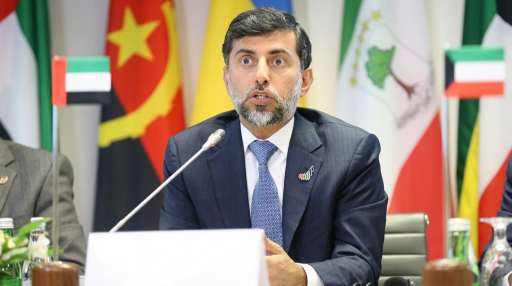
Energy Minister Suhail Al Mazrouei stated that the timing of the move was carefully calibrated to minimize disruption to global markets and fellow producers within both OPEC and the broader OPEC+ alliance.
“Our exit at this time is the right time for it, because it will have a minimum impact on the price and it will have a minimum impact on our friends at OPEC and OPEC+,” Al Mazrouei said on Tuesday, April 28, 2026.
Reaffirming partnerships while preserving market stability
Despite its formal exit today, the UAE stressed that the move does not signal tensions within the group or dissatisfaction with its partners. The country reaffirmed its strong ties with fellow producers, particularly Saudi Arabia, and underscored its continued respect for OPEC leadership.
“This has nothing to do with any of our brothers or friends within the group,” Al Mazrouei said. “We’ve been working together for years and years. We have the highest respect for the Saudis for leading OPEC.”
The Energy Ministry also reiterated the UAE’s commitment to supporting global oil market stability and maintaining cooperation with both producers and consumers.
“We reaffirm our appreciation for the efforts of both OPEC and the OPEC+ alliance and wish them success,” the ministry said.