
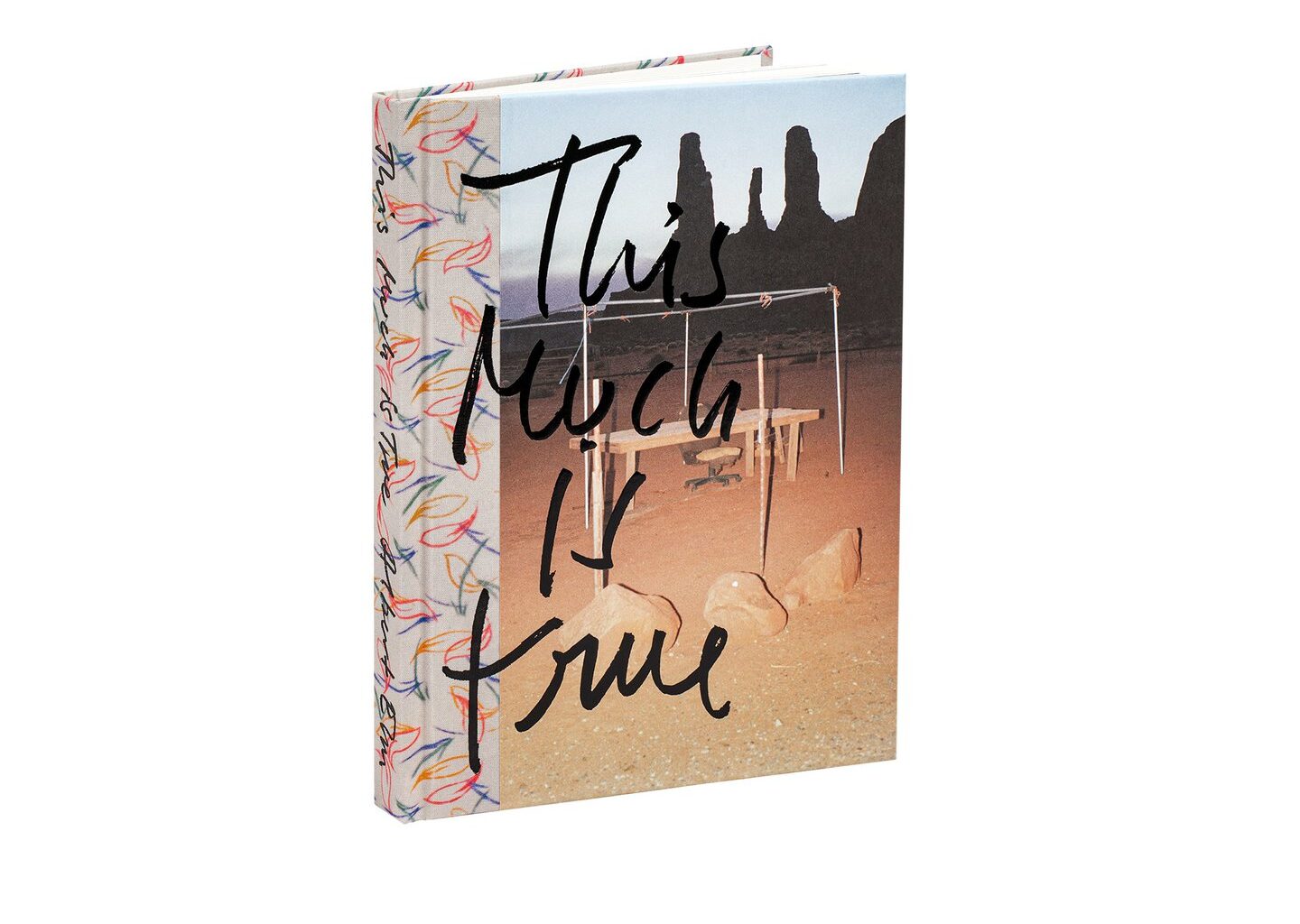
When Danish photographer Albert Elm was growing up, he moved around the country a lot, often having to adapt to new people and places. In a world of foreign objects and new experiences, it was the camera that was the first thing to feel natural to him. Albert’s newest photography book This Much Is True captures the world filled with low-humming oddness, monolithic buildings, strange textures and life as if it’s from a faraway planet. It’s like looking through the eyes of his nomadic childhood – and it’s his continued excitement about the world that keeps his work invigorating.
“The title suggests that it’s time to stop and reflect – to move on and say: ‘Now at least I know this much is true’ – which is hard to be certain about in a ‘post-truth era’,” says Albert. One of the most enduring and attractive qualities about photography, arguably, is that it’s objective, no matter how beguiling the subject matter may be. The shutter opens, takes in exactly what is in front of it and stores it without embellishment. It’s difficult to take in the Earth of This Much Is True – it’s almost alien-like. In the post-truth era, as Albert calls it, what can be taken at face value? Tiny glasses with dentures hanging off the rim, bright green hedges carved into the shapes of dolphins like Edward Scissorhands, an ominously beheaded deer, a giant snow-sculpture shaped like castle walls. The viewer finds oneself constantly wondering, ‘Where am I?’