
Since the dawn of the automobile, gasoline has been the most popular fuel type by far. The process of obtaining gasoline for fuel use is an involved process that many folks claim hurts the environment. After all, it needs to be drilled out of the ground, sent somewhere via a gigantic pipeline or massive barge, refined in a lengthy and expensive process, and then shipped back out to wherever it’s destined in its finished state.
Whether or not you agree with the environmental impact of gasoline and diesel, one true fact of fossil fuels is that, someday, we’ll simply run out. What do we do then if we haven’t transitioned to something else? That’s where hydrogen comes into play. It’s the most abundant element in the universe, and when burned for fuel, the only tailpipe emission is water vapor. Why hasn’t the entire world been scrambling to perfect the use of hydrogen power if all it emits is literal water? Well, Toyota has tried, but despite its massive influence, hydrogen combustion simply hasn’t caught on.
Toyota Wasn’t The First

General Motors created the world’s first operational hydrogen fuel-cell vehicle in 1966. It was called the Electrovan.General Motors
While Toyota has been the most vocal proponent of hydrogen fuel as of late, it wasn’t the first brand to dip its toes in the proverbial hydrogen fuel cell pool.
In reality, the idea behind using hydrogen as a fuel source has its roots all the way back in 1806, when a Swiss inventor by the name of François Isaac de Rivaz designed the world’s first internal combustion engine, which ran on a highly volatile mixture of hydrogen and oxygen. Then, in 1839, another inventor called Sir William Grove, a Brit, designed the very first hydrogen fuel cell. However, in 1863, yet another tinkerer, Frenchman Étienne Lenoir, came up with something called the “Hippomobile”, a crude vehicle that could be fueled by hydrogen using an electrolysis method involving water.
However, despite the Hippomobile, a large attempt at creating a hydrogen-powered vehicle wouldn’t resurface for over 100 years. In 1966, General Motors set about creating a concept model called the Electrovan. It would utilize hydrogen as a fuel source, taking inspiration from NASA’s Space Program, as the element was widely utilized in space-faring vehicles and applications. The Electrovan development program kicked off in 1964, and was finished by 1966.
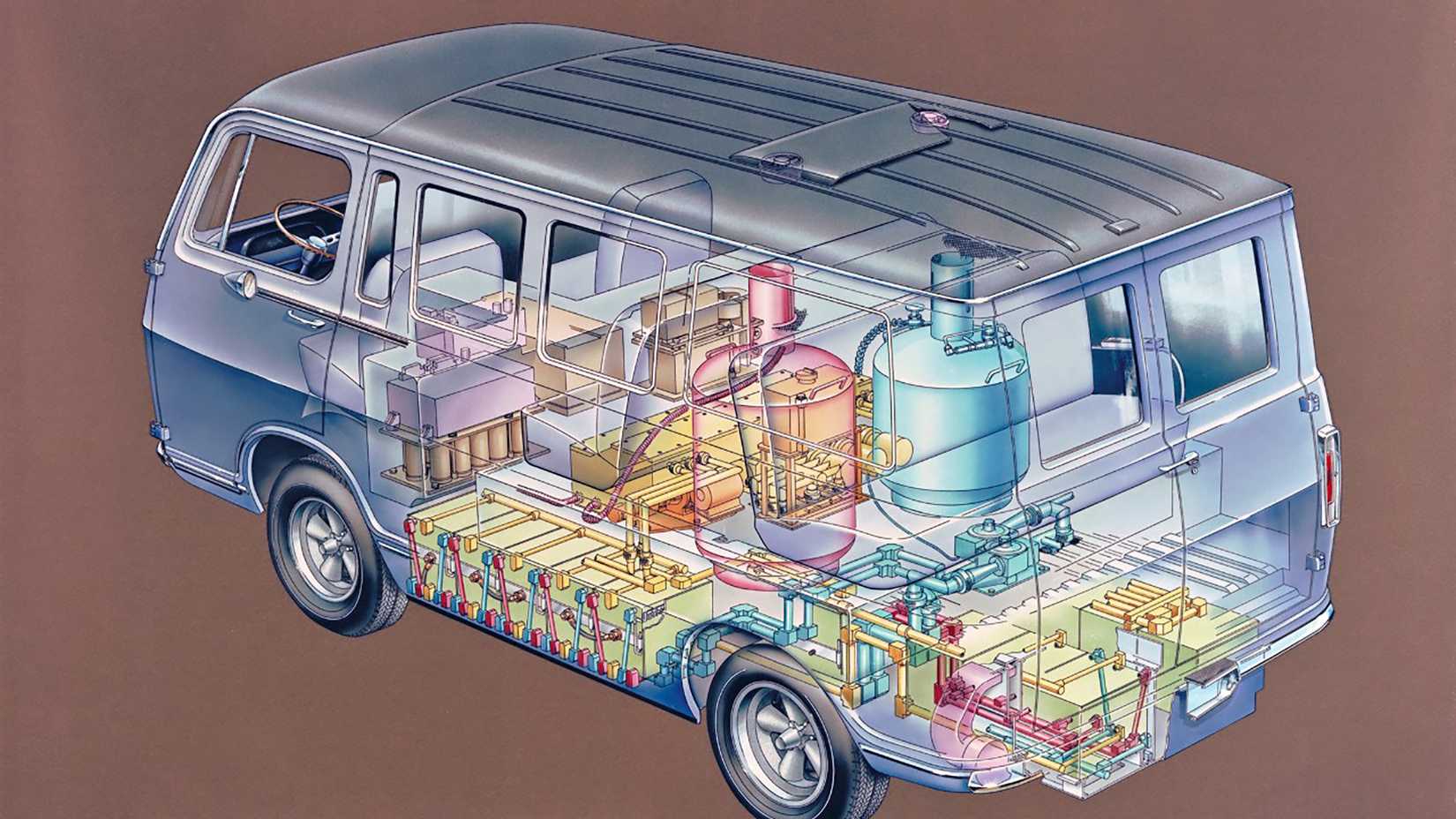
General Motors created the world’s first operational hydrogen fuel-cell vehicle in 1966. It was called the Electrovan.General Motors
The Electrovan was never intended for mass production. Rather, it was used as a research vehicle for GM’s Hydrotec hydrogen development program. The van itself contained a large hydrogen fuel cell hooked up to a massive collection of car batteries. It wasn’t exactly practical, as the bulk of the van’s interior was taken up by the fuel cell setup, meaning only two people could fit inside in a very cramped fashion. It was also slow, with an estimated 0–60 mph time of about 30 seconds. In total, the Electrovan reportedly weighed 7,100 lbs, of which 3,900 lbs solely came from the hydrogen fuel cell and its associated components.
Once GM’s Electrovan program had run its course, the knowledge gained from the endeavor was shelved, along with the model itself. The next automakers to really take the reins on hydrogen tech were Honda, Hyundai, and BMW. However, Toyota has arguably spent the most time on hydrogen tech of all of them.
Related
The Water-Powered Car: Fact Or Fiction?
Technology is moving forward so fast – is it true that water can power a car?
Hydrogen Fuel: The Pros And Cons
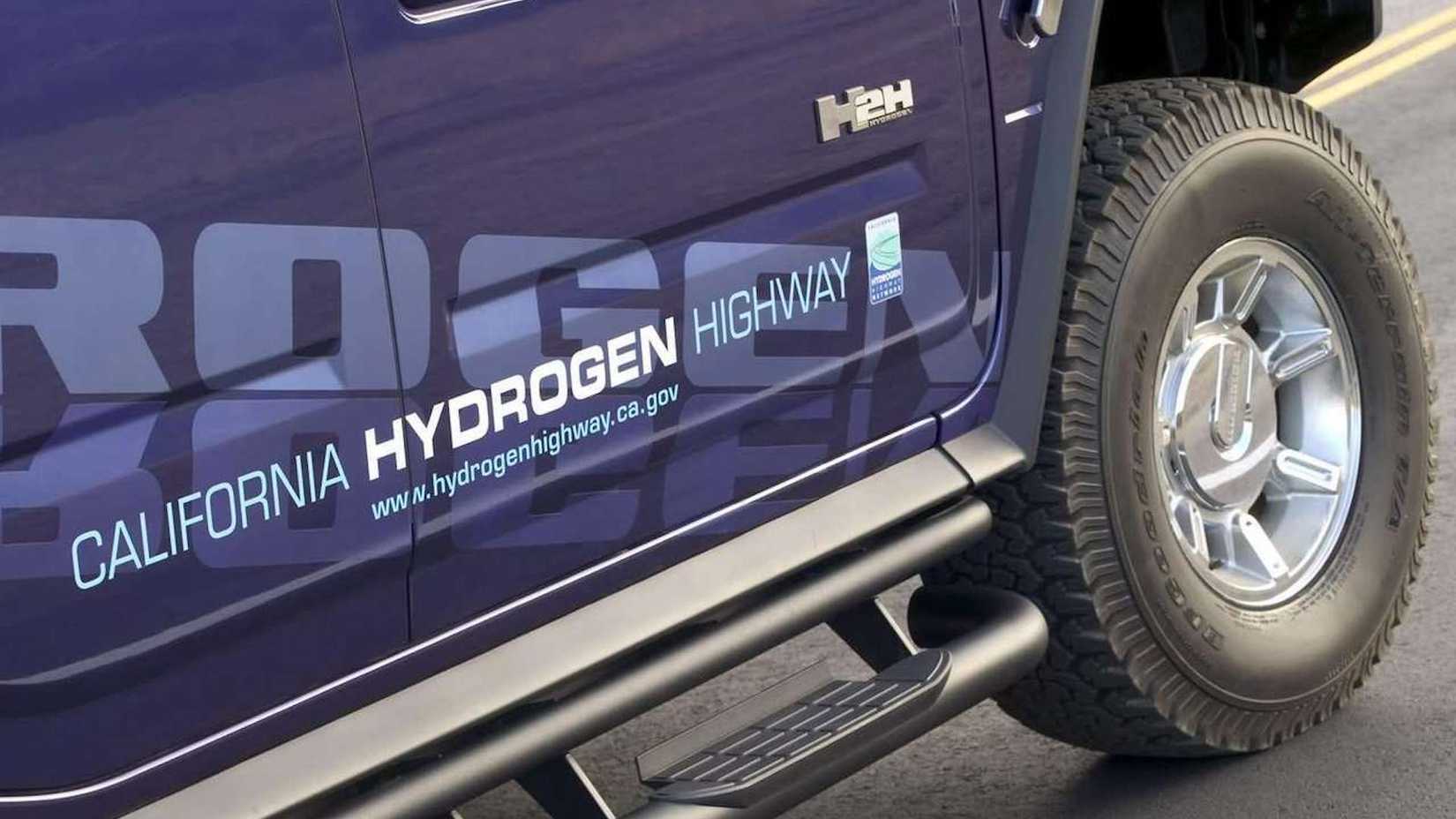
2004 Hummer H2H Concept Exterior Finished In Blue Side Close-UpHummer
The Pros
We covered it briefly already; hydrogen is the most abundant element in the known universe, and it’s also the simplest. Roughly 75 percent of all normal matter, or what makes up everything you see and touch, is made up of hydrogen. It also serves as the primary fuel for our sun. While automobiles don’t need as much power as a literal star, being the most abundant element means we’re really in no danger of running out of hydrogen, even if every single vehicle suddenly decides to use it for fuel.
Another large plus is its non-toxic nature. Gasoline, diesel, kerosene, and even crude oil, to a lesser extent, aren’t friendly to the environment. We’ve all heard of massive oil spills that have happened in the recent past, such as British Petroleum’s gulf spill that occurred in 2010.
An explosion caused a massive leak, which spent five months unsealed and actively spewing oil into the gulf. In total, roughly 4.9 million barrels of oil were spilled. If it had been hydrogen, for example, no toxic sludge would have been produced. Instead, a large hydrogen gas cloud would have emerged from the gulf, causing some issues with undersea life. However, while potentially explosive, the hydrogen cloud itself wouldn’t have harmed the atmosphere in any way.
The Cons
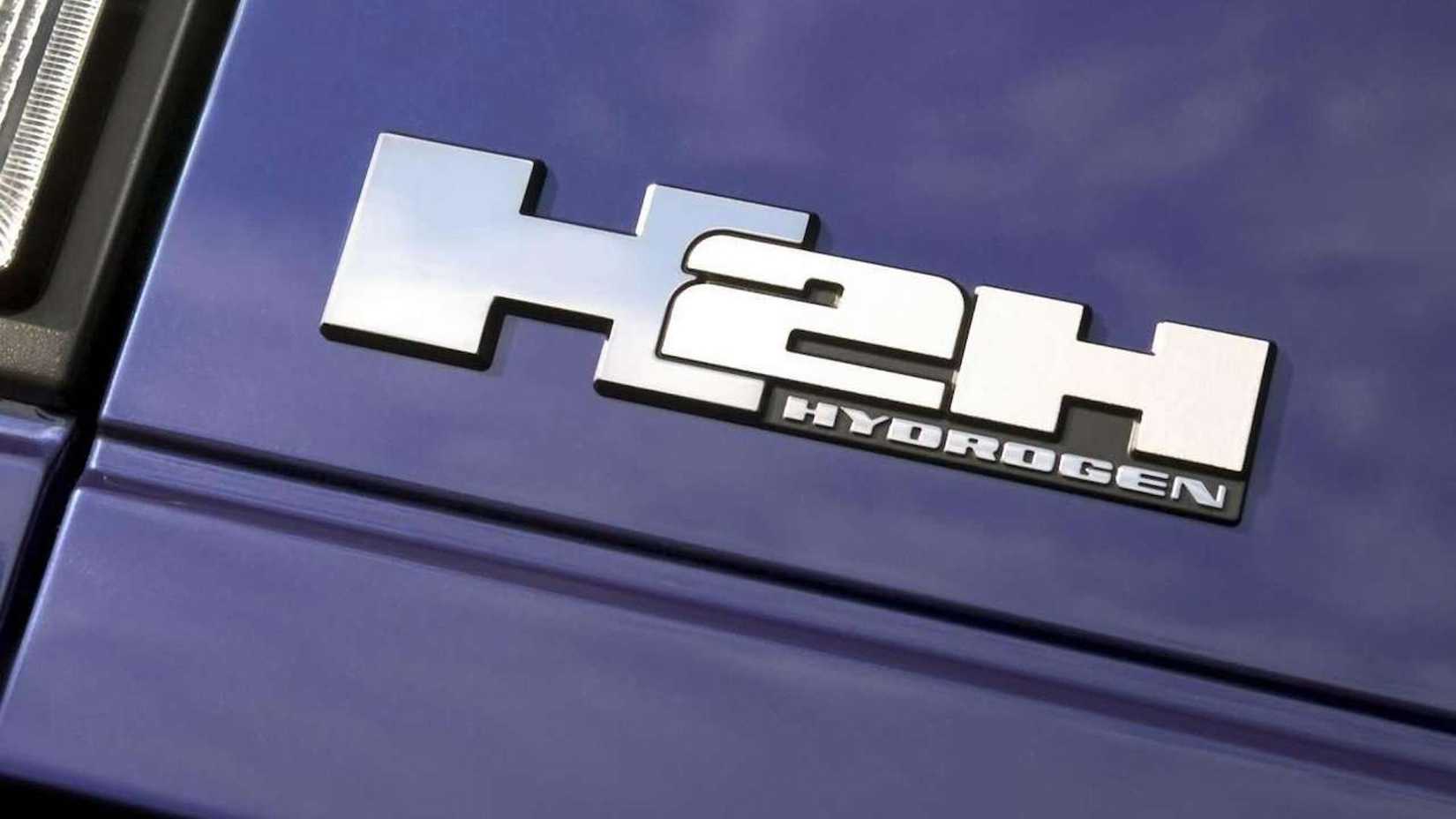
2004 Hummer H2H Concept Exterior Badge Close-UpNetCarShow
As it stands currently, the country’s hydrogen fuel infrastructure is sorely lacking. The use of hydrogen to power cars is largely relegated to California, as the Golden State is virtually the only place that’s set up for hydrogen fueling. With that being said, there are only around 54 to 86 hydrogen-capable fueling stations in the entire country, and while most are located in sections of Los Angeles and San Francisco, there are a couple scattered throughout states like New York, Massachusetts, and South Carolina.
In addition to the scant infrastructure, there are only a handful of hydrogen-capable cars on the road. One of the most popular right now is the Toyota Mirai, followed by two others: the Hyundai Nexo and the Honda CR-V e:FCEV. However, the Honda is exclusively offered as a lease, making the Toyota and Hyundai the only two you can actually own. The caveat, though, is all three are only offered for sale in California.
2026 Toyota Mirai
Powertrain Details
FCEV W/ permanent magnet synchronous motor
Power
182 hp
Torque
221 lb-ft
0-60 mph
9.2 seconds
Driving Range
402 miles
Curb Weight
4,255 lbs
Drivetrain
RWD
Base MSRP
$51,795
*Specs courtesy of Toyota
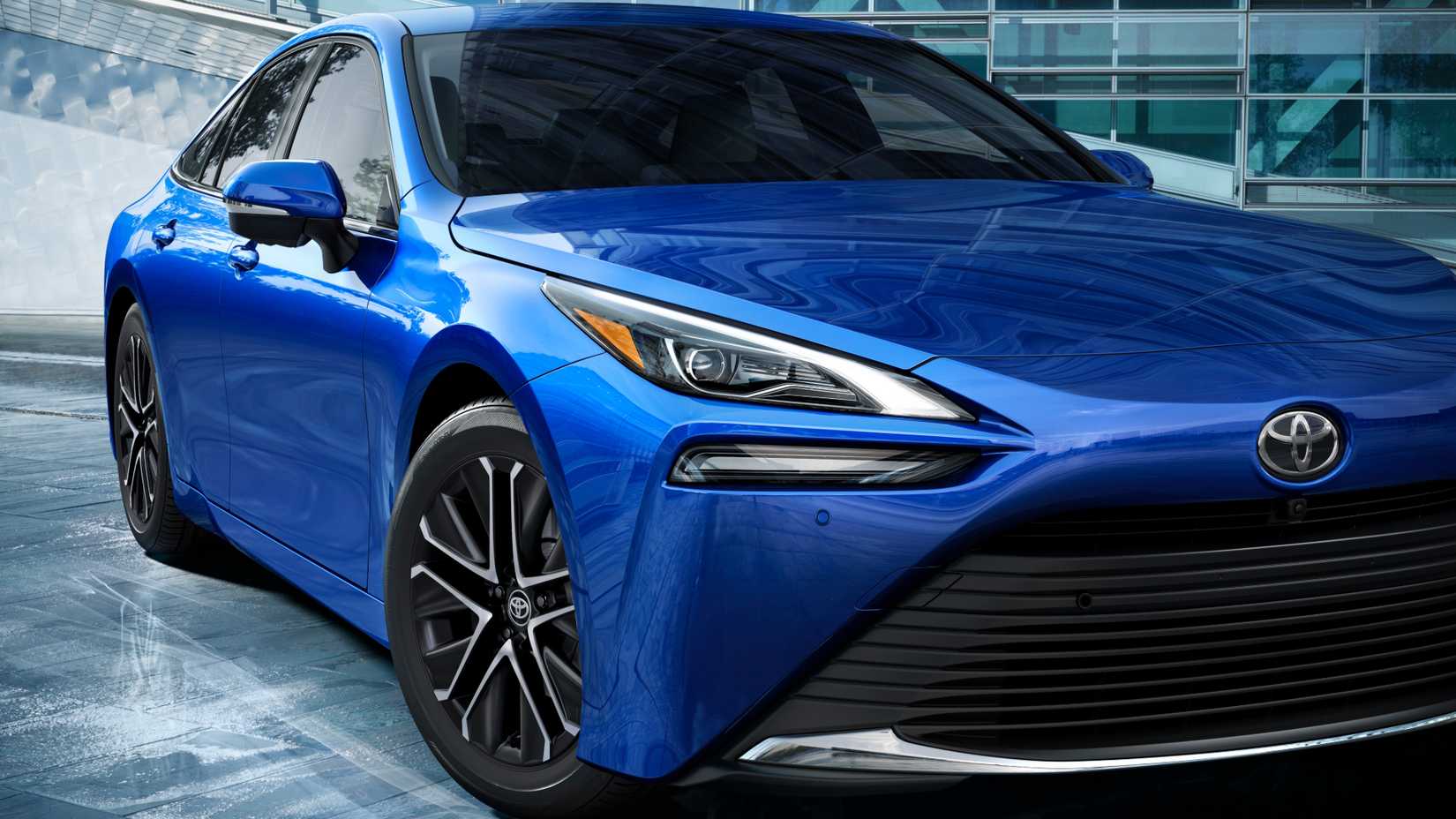
2026 Toyota MiraiToyota
Another downside piggybacks off of our previous point. Because hydrogen fuel infrastructure is so sparse, it forces the Nexo and Mirai to have appalling resale values. For example, the Toyota Mirai will depreciate a whopping 72.4 percent in just one year. By five years, 84.4 percent of its original value has been lost to time. The Nexo isn’t much better, either, losing a significant amount of its own value, although specific metrics don’t exist for the Hyundai.
On top of it all, the actual production of hydrogen fuel can be a dirty endeavor. Most hydrogen fuel is considered “Grey Hydrogen.” The process of actually producing gray hydrogen involves using natural gas, the expelled emissions of which are released directly into the atmosphere. However, there’s been much more interest in producing “Blue” or “Green” hydrogen, the former using natural gas but trapping the carbon dioxide emissions. Green hydrogen is the cleanest of all, which involves literally splitting water molecules and extracting pure hydrogen in the process. However, the cleaner the hydrogen, the more expensive it is to produce at present.
Related
5 Alternative Fuel Technologies That Prove The Future Doesn’t Have To Be Just ICE Or Electric
With EV demand dwindling, it could be time for another whack at other sources of energy, like biodiesel, hydrogen, and synthetic fuels.
Here’s How Toyota Got It Right
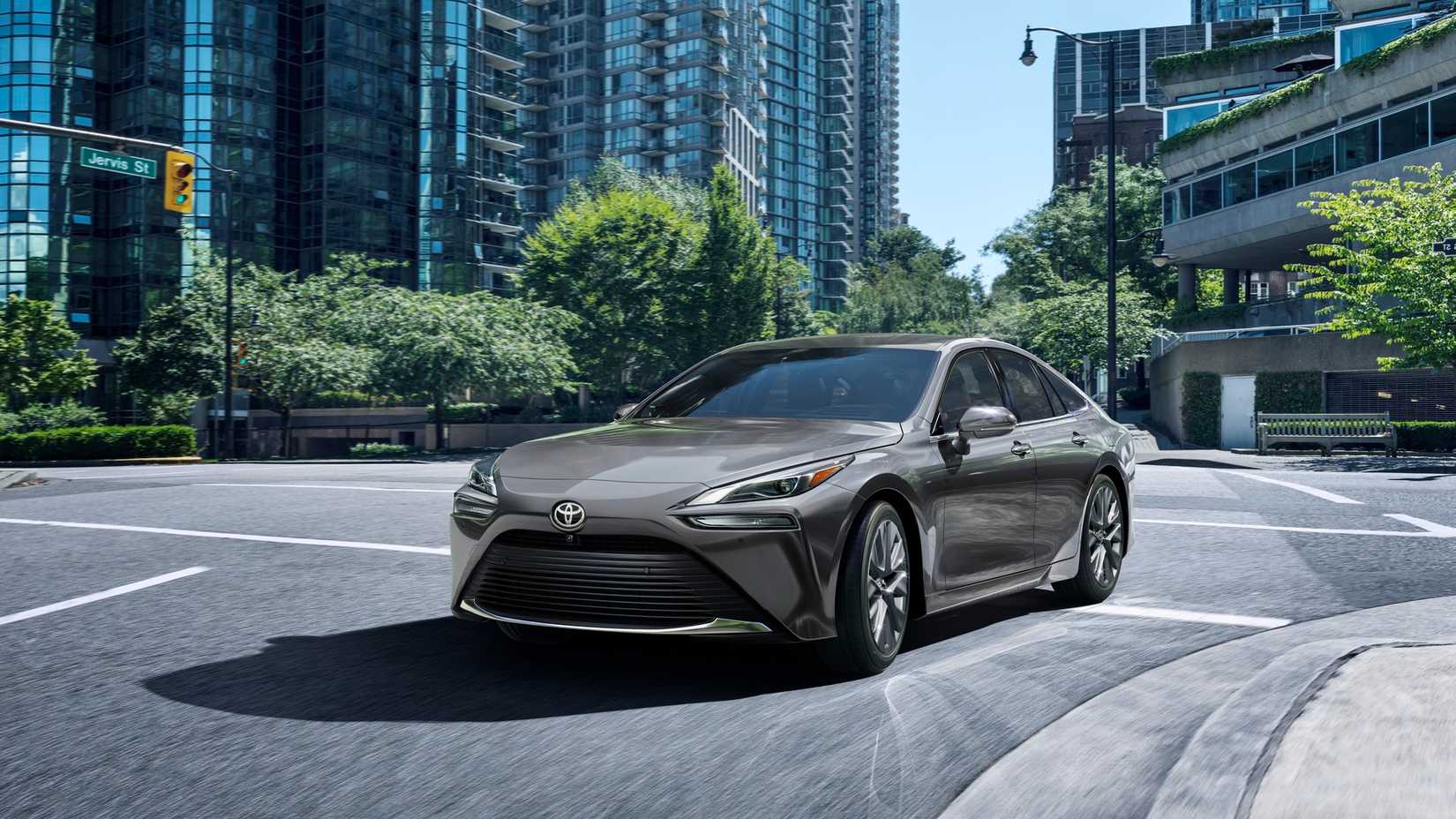
2025 Toyota Mirai driving front 3/4Toyota
In essence, using hydrogen as a fuel source just makes sense, and Toyota seems to understand this better than most other automakers. Not only is the combustion of hydrogen virtually emission-free, it’s also abundant, relatively safe and – as technology advances regarding hydrogen production – the process will only become cleaner and cleaner. Turning its sights towards using hydrogen power in a more mass-market way seems to be one of Toyota’s possible goals.
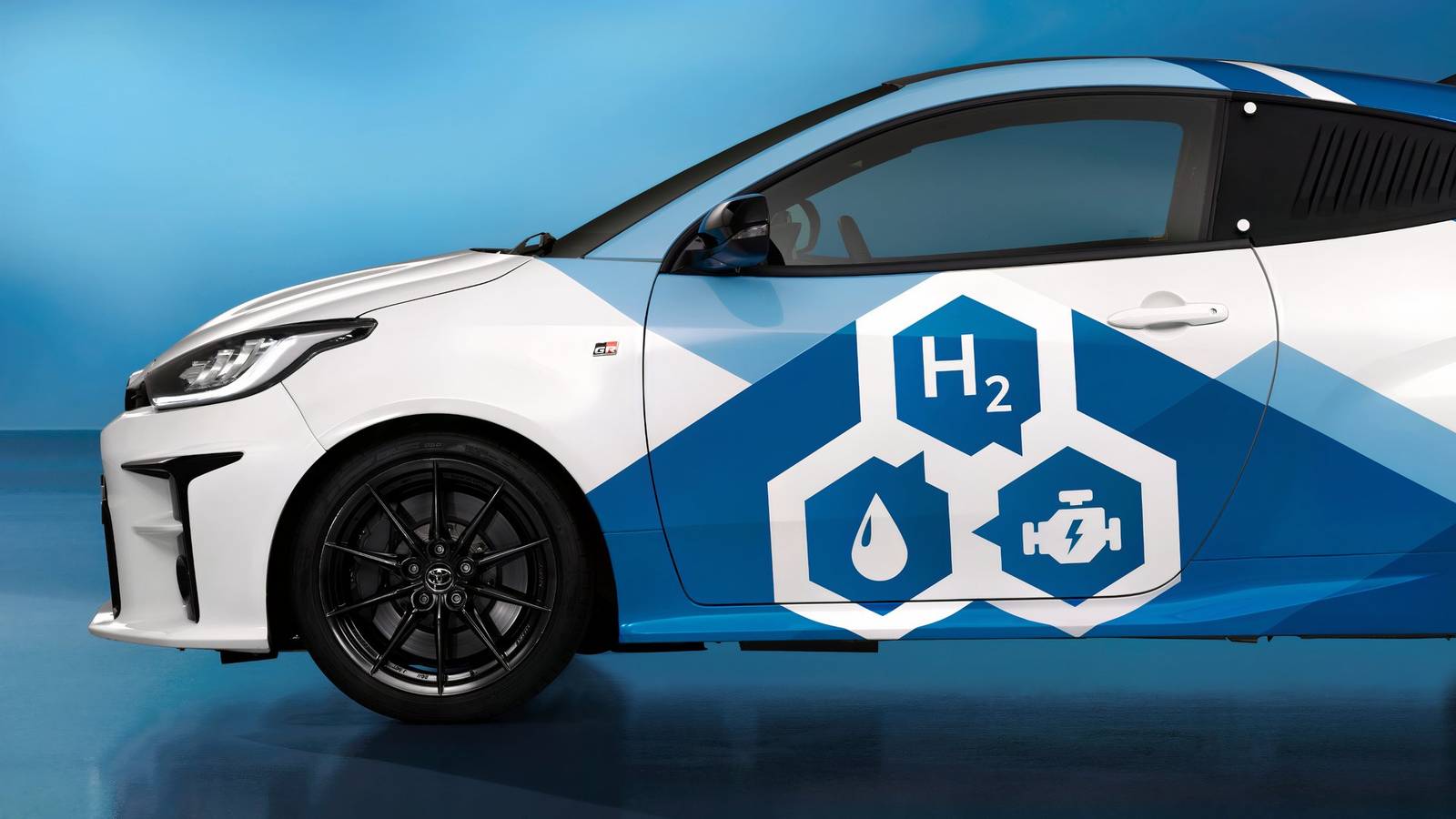
Speaking of future goals, Toyota has also expanded its penchant for hydrogen engineering into other models separate from the Mirai. For example, Toyota’s Gazoo Racing division developed the GR Corolla H2 concept, which currently serves as a rolling laboratory focused on the use of hydrogen fuel in racing. There’s also the Corolla Cross H2, another rolling lab, which is tailored towards on-the-road hydrogen fuel cell research.
It Just Hasn’t Panned Out… Yet
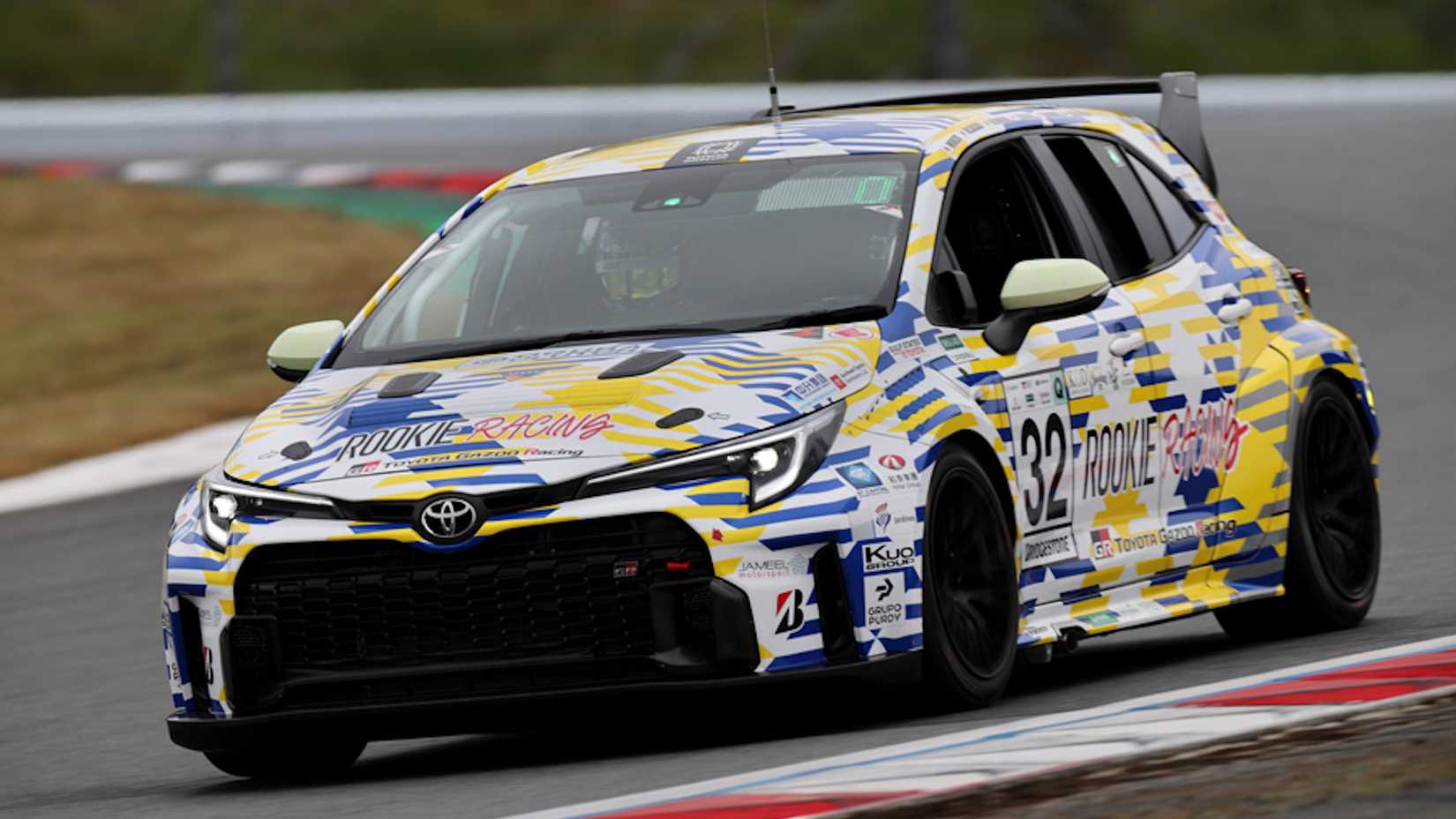
Toyota GR Corolla H2 Racing Concept Exterior Finished In Racing LiveryToyota
Since making a buzz in the automotive community over a decade ago, modern hydrogen-powered cars simply haven’t taken off in any meaningful way. There’s a glaring lack of infrastructure, as well as an understanding of the element itself and the potential for truly clean-burning vehicles. It would take a long time to transition most vehicles on the road today to hydrogen, but if Toyota decides to lean more into using the fuel, maybe the rest of the world would follow suit.
For now, only time will tell if our future is hydrogen-powered or not.
Sources: Toyota, CarEdge.com, GM News.