
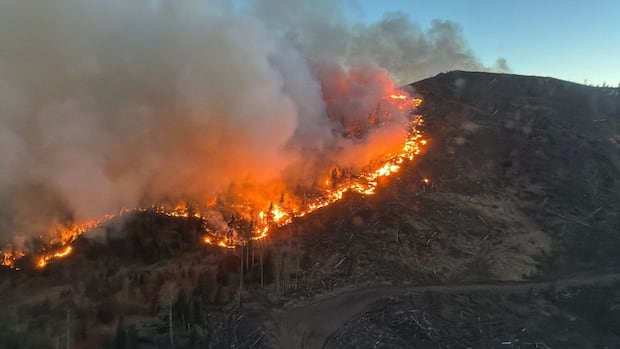
As wildfire seasons become longer and more destructive, Alberta electricity providers are introducing programs designed to intentionally shut off power in high-risk areas, like the Bow Valley, before wildfires start.
The strategy, known as Public Safety Power Shutoffs (PSPS), involves intentionally shutting off electricity during extreme conditions to reduce the risk of power lines sparking wildfires.
This month, electricity providers AltaLink and FortisAlberta presented the program to Canmore town council.
“That was the first time I heard about it. And I think the very first words out of my mouth was, ‘Wow, that sparks a lot of questions,’” said Canmore Mayor Sean Krausert.
Utilities say the decision to proactively shut off power would depend on extreme weather conditions such as wind speed, humidity, vegetation dryness and wildfire danger ratings —all of which can increase the risk of power lines sparking a wildfire.
“It is not a decision we take lightly,” says AltaLink vice-president of operations Evan Mitchell. “We need to see conditions where, if a spark were to start, there is a risk it could produce a catastrophic wildfire.”
Mitchell says residents would receive advance notice of a planned outage, potentially days before if conditions allow.
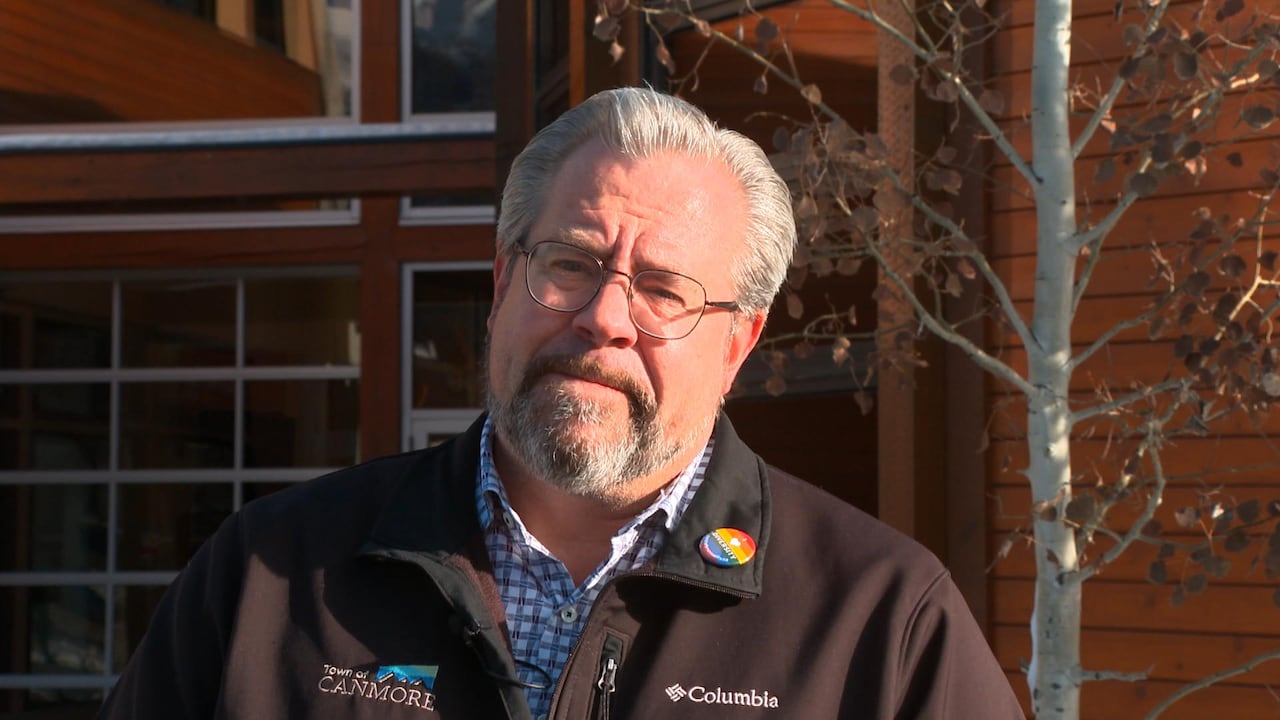 Canmore Mayor Sean Krausert says residents and businesses have questions about how planned wildfire-related power shutoffs could affect the Bow Valley during the busy tourism season. (Helen Pike/CBC)
AltaLink and FortisAlberta say roughly 10 per cent of wildfires in the province are linked to utility infrastructure.
“It highlights the risk present for us and why we’re committed to doing everything we can to reduce that potential,” Mitchell says.
According to data presented by Fortis and AltaLink to Canmore council, roughly 674,000 hectares burned in Alberta in 2025, more than double the annual average between 2015 and 2022.
“In 2020 and 2021, we started to see more wildfires throughout Alberta and western North America,” FortisAlberta vice-president of operations Jon Zawada says. “The longer, drier fire season really caused utilities to pause and look at these measures.”
AltaLink first launched its PSPS program in Banff in 2019 before expanding it to Canmore in 2024. FortisAlberta introduced the program in the Bow Valley in 2025.
Since starting its PSPS program, AltaLink just performed its first planned outage, on May 3 in the Municipal District of Provost.
Mitchell says power was shut off for several hours before being restored.
WATCH | Why wildfire seasons are getting stronger and longer: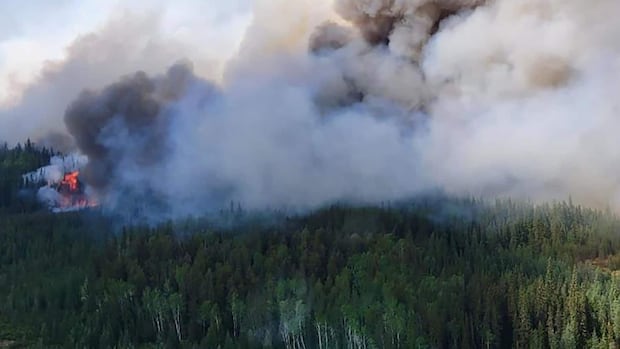
Why wildfire seasons are getting stronger and longer
John Vaillant has spent years investigating wildfires and the reasons today’s fires are more destructive. He uses photos and videos to show CBC’s chief correspondent Adrienne Arsenault what’s been happening.PSPS programs becoming more common across western North America
The approach has become more common across western North America as wildfire conditions worsen. In 2019, California utilities expanded proactive power shutoffs after the deadly 2018 Camp Fire, which was sparked by electrical infrastructure.
But the strategy there faced backlash as outages began to be used frequently and for prolonged stretches of time, which affected large populations. That prompted utilities to refine the programs and invest in other wildfire mitigation measures.
Zawada says Alberta utilities have watched how the programs have evolved in the United States.
“There’s a lot of sharing among utilities around best practices and technologies that have been successful or maybe not,” he says.
Zawada says utilities in Alberta are using those early experiences in the United States to help shape how the programs are rolled out locally.
Krausert says he understands the program would likely rarely be used, but there are still concerns about how outages could affect the Bow Valley.
“Obviously there’s some big concerns as to how it will impact residents, businesses and visitors,” he says.
The Bow Valley’s tourism-heavy economy could make planned outages particularly complicated during the busy summer season.
“Canmore is definitely not a big city, but the Bow Valley is chock-a-block full of people during the summer,” Krausert said.
Utilities say planned outages would only be used as a last resort after other wildfire mitigation measures have been exhausted.
Mitchell says the company continuously monitors weather conditions through its network of weather stations and clears dry vegetation around power lines to reduce the risk of sparks starting a wildfire.
In a statement to CBC, Banff officials say the town remains in regular communication with utilities throughout the wildfire season, including daily discussions during periods of elevated risk.
The utilities have agreed to speak with the town before a planned outage decision is made, the statement says, so impacts can be jointly assessed.
The town of Banff says “we expect to be working closely with utility partners to ensure disruption is as brief as possible.”
PSPS expands beyond the Bow Valley
AltaLink expanded PSPS programs to all of its service areas in the province in 2024.
And this year, FortisAlberta expanded the program to more communities, including Hinton, Nordegg and the Municipal District of Bighorn.
ATCO Electric says it introduced a planned shutoff program in 2025 for a small area near Jasper, with plans to expand wildfire-related safety measures to other communities in the coming years.
WATCH | How far along is the Jasper wildfire rebuild?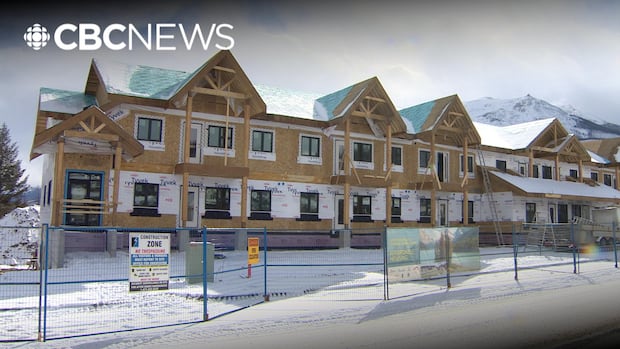
How far along is the Jasper wildfire rebuild?
A year and a half after a wildfire destroyed a third of the buildings in Jasper, Alta., officials are saying the rebuild is on the right on track. But with 374 properties destroyed, there are just as many personal stories. CBCs Maggie Kirk uncovered a couple of them, and found out how the town is “building back better.”
Canmore’s director of emergency management Caitlin Miller says residents should prepare for possible extended outages during the wildfire season by signing up for emergency alerts and building emergency kits with enough food and water to last at least 72 hours.
Miller says wildfire remains the top emergency risk Canmore faces.
“The wildfire threat is trending to be higher this year just based on predicted forecasts and weather,” Miller said. “How it actually shakes out remains to be seen, but we continue to prepare as much as we can for wildfire.”