
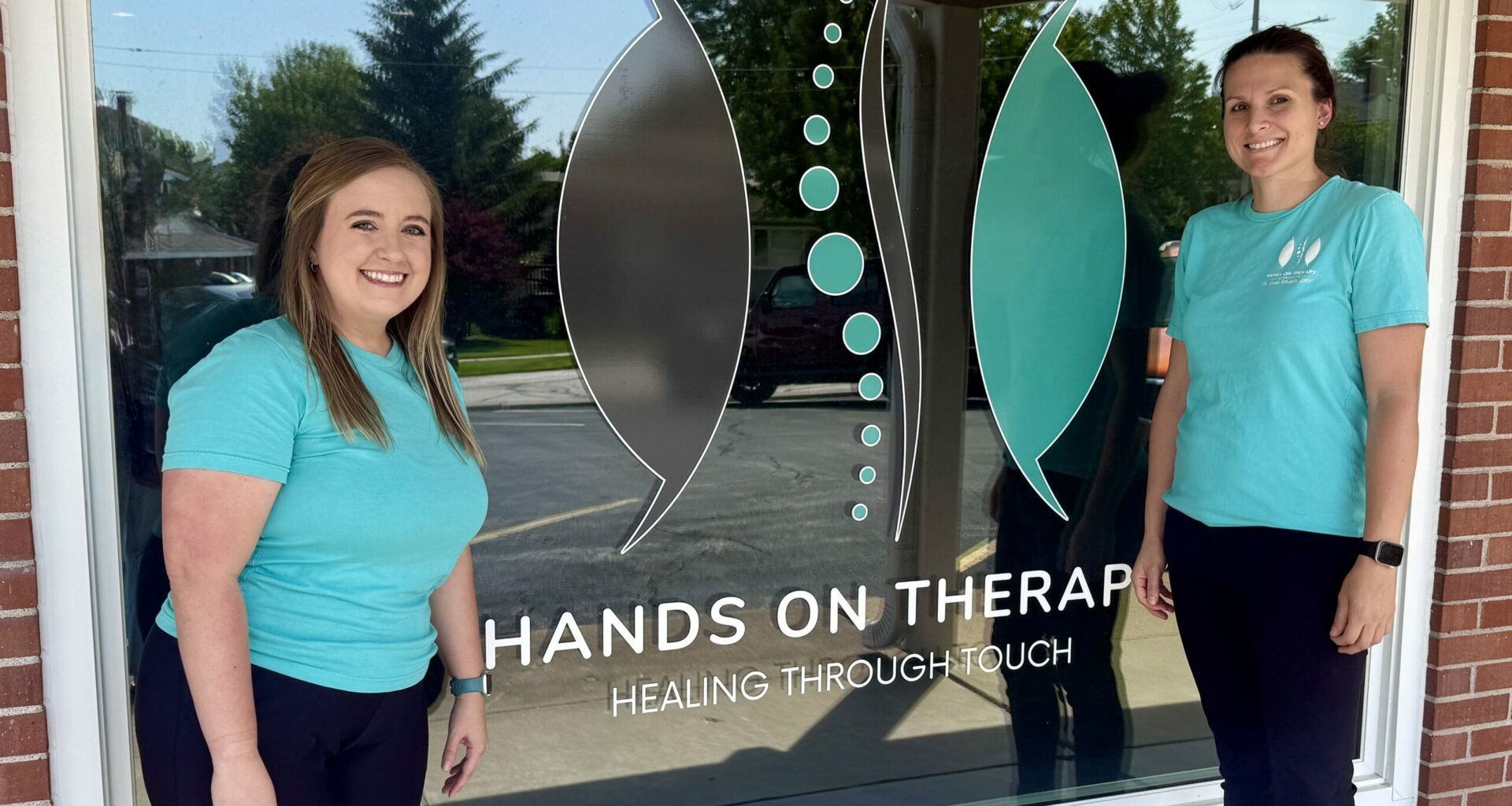
QUINCY — In a healthcare world often driven by insurance approvals, rushed appointments, and rigid treatment plans, Dr. Leah Whipple and Dr. Alaina Gribler wanted to create something different.
The women behind Hands On Therapy, 1905 Jefferson, Quincy, have built what they describe as the first all cash-based physical therapy clinic of its kind in the area. But after spending time talking with them, it becomes obvious that the business is about far more than the payment model itself.
It is about listening.
“I got tired of the way insurance limited patient care,” Leah said. “You had to go see the doctor, pay for that office visit, then maybe you could come to physical therapy. Or maybe insurance only approved six visits, even if the patient clearly needed more.”
For years, both women worked inside more traditional healthcare settings. Over time, they found themselves frustrated by what physical therapy had become in some places.
“I would hear patients say they went somewhere and they were treating three or four patients at once,” Leah explained. “Or they felt like they were basically getting a home exercise program and that was it. I just felt like that’s not what I want physical therapy to be.”
Instead, Leah and Alaina built Hands On Therapy around one central philosophy: treat the person, not just the body part.
“Every patient is different,” Leah said. “You have to look at the whole picture.”
That approach means appointments are personalized to the patient’s actual lifestyle, pain points, goals, and daily movement patterns instead of simply following a prewritten insurance-approved regimen.
Alaina says accessibility and affordability were huge motivations behind opening the clinic.
“There’s a lot wrong with healthcare right now,” she said. “But I think two of the biggest things are access and affordability.”
She explained that even as a healthcare professional herself, traditional physical therapy through insurance could still be financially overwhelming.
“I was on a high-deductible plan, and even for me as a physical therapist to go get PT, it would’ve cost over $200 for a half-hour session,” Alaina said. “Healthcare in general is just not affordable to the average person anymore, and I don’t think that’s okay.”
By operating as a cash-based clinic, patients can come directly to Hands On Therapy without needing referrals or waiting for insurance approval.
“In Illinois, physical therapists can see patients without referrals,” Alaina explained. “But insurance companies still create barriers because providers want to make sure they’ll get paid. We wanted to remove some of that and make care more accessible.”
The care itself often goes beyond what many people traditionally think physical therapy looks like.
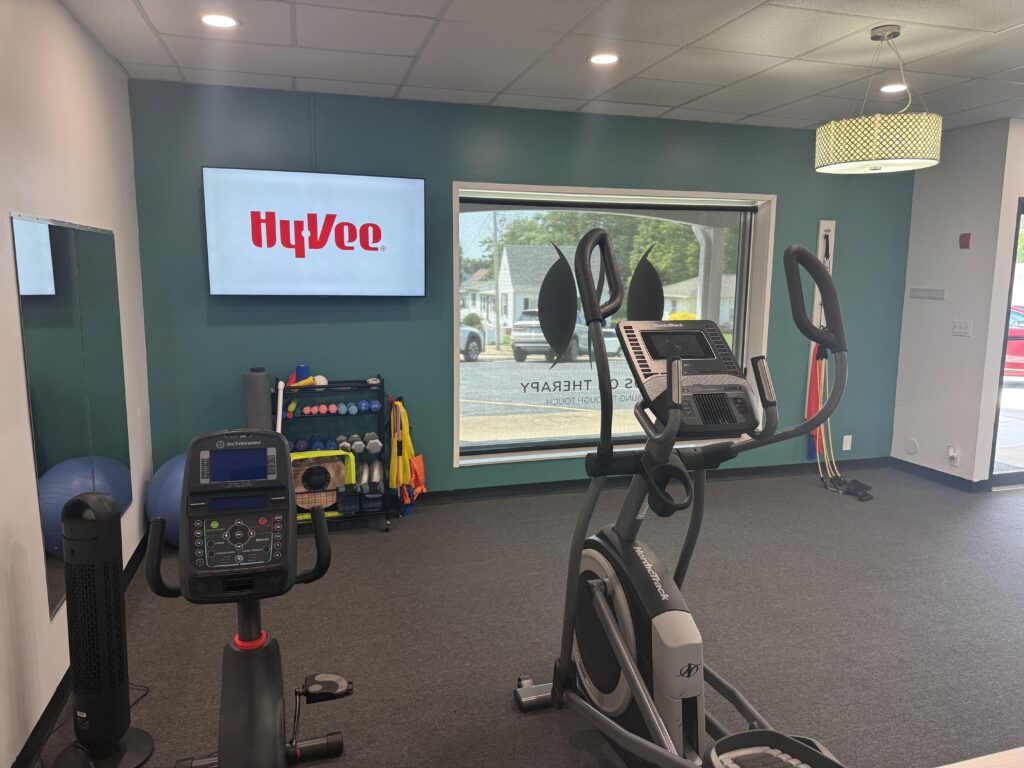
Hands On Therapy offers services including fascial release work, cupping, Graston and IASTM techniques, visceral manipulation, red light therapy, and sauna recovery services. Leah says fascial release has become one of the most talked-about therapies among patients.
“People are hearing about fascia all over social media now,” Leah laughed. “So they come in asking, ‘How do you release fascia?’”
She explained that many of their techniques focus on improving circulation, mobility, and long-term function instead of simply chasing temporary pain relief.
“I didn’t always treat this way when I first started,” Leah admitted. “But now I believe more in preventative care and maintenance. People don’t just want the pain fixed. They don’t want it to happen again.”
Some patients come in after injuries. Others come in because years of physically demanding work have slowly worn on their body.
“Sometimes your body is just naturally going to shift back into those patterns because of your job or lifestyle,” Leah explained. “You can’t always change that completely, but you can help manage it.”
One of the stories that impacted Alaina most involved a local small business owner suffering from osteomyelitis of the spine, an infection that severely affected his ability to move.
“He couldn’t walk. He couldn’t transfer himself. He really couldn’t do anything day to day without assistance,” Alaina said.
Because he did not have insurance, he struggled to find treatment.
“Nobody in town would see him because he didn’t have insurance,” she said.
Leah and Alaina began treating him directly, even making visits to his home while slowly helping him regain mobility.
“We started with transfers and standing,” Alaina recalled. “Then eventually walking.”
Over time, the patient improved enough to walk into the clinic himself.
“Now he’s back to work and doing what he was doing before,” Alaina said. “He was just so grateful to get his life back.”
Moments like that continue to remind both women why they took the risk of opening the business.
“Anytime someone tells me they can do one thing they couldn’t do before, that’s rewarding,” Alaina said. “That’s why we’re doing this.”
Their partnership itself is rooted in years of trust and mentorship. Before becoming business partners, Leah actually served as one of Alaina’s clinical instructors during school.
“She was one of the best instructors I had,” Alaina said. “I learned so many different techniques and ways to treat people from her.”
That connection is still visible when the two work together today. They share similar treatment philosophies, similar goals for patient care, and a mutual desire to make people feel genuinely heard.
Hands On Therapy may be a small business in a large healthcare industry, but Leah and Alaina have built something deeply personal inside their clinic walls.
Not rushed. Not assembly-line healthcare. Just people helping people heal.
Your body speaks to you every day – through pain, tightness, stress, exhaustion, and limitation.
The question is whether someone is willing to listen.
At Hands On Therapy, Leah and Alaina do.