
WASHINGTON (TNND) — Thursday marked three months of the United States at war with Iran and three months of Americans living with a wartime economy.
Thursday marked three months of the United States at war with Iran and three months of Americans living with a wartime economy. (TNND)
The gas pump was the first place many Americans noticed the war’s impact on their wallets, as the effective closure of the Strait of Hormuz obstructs the trade of one-fifth of the world’s oil. On Thursday, the national average for a gallon of gasoline was $4.42, according to AAA. The day before the United States and Israel launched the first strikes, the average price was $2.98.
This has been the primary force driving up overall inflation, which in April was 3.8% higher than 12 months prior, the highest rate in nearly three years, according to the new Personal Consumption Expenditures index released by the U.S. Department of Commerce on Thursday. When food and energy were taken out of the equation, a gauge favored by the Federal Reserve known as core inflation, inflation was 3.3%.
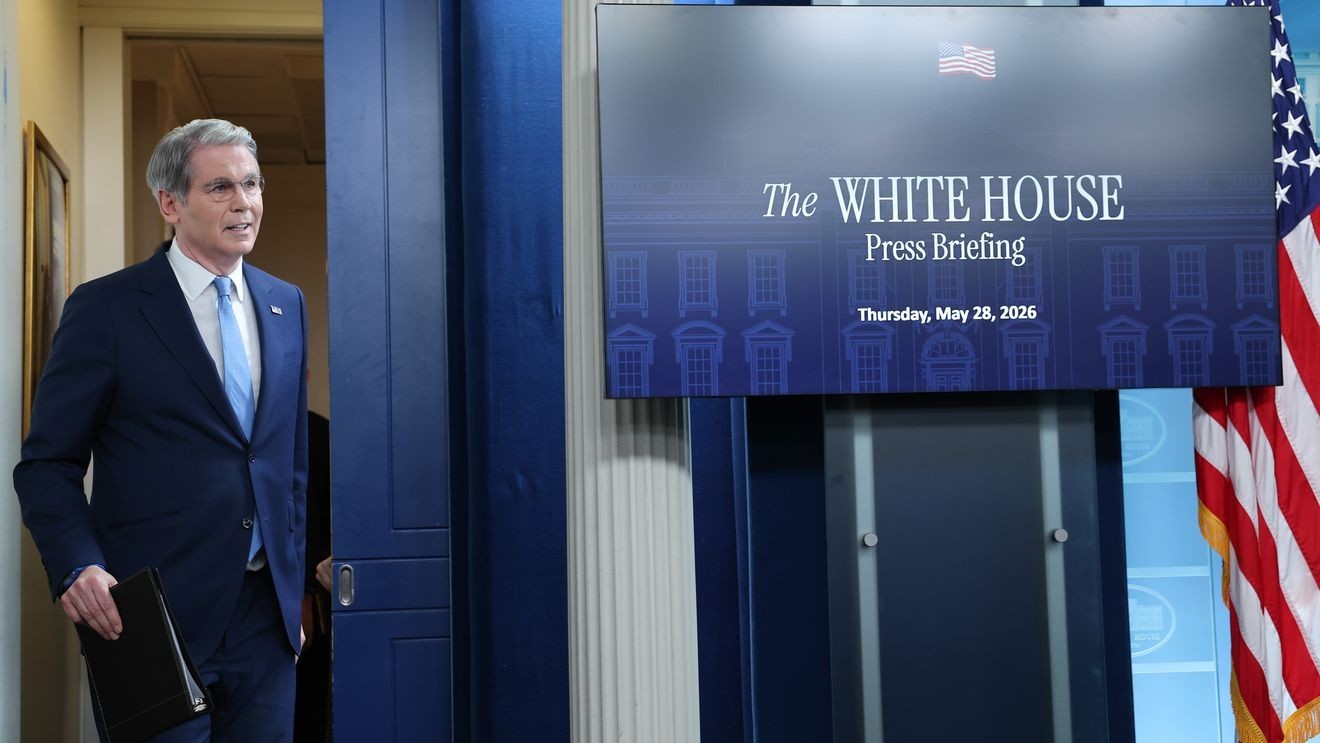
“There are almost 2,000 ships waiting to come out of the gulf and I think the oil market’s going to be very well supplied on the other side of this,” Treasury Secretary Scott Bessent said.
Bessent remained tight-lipped with reporters Thursday about details of a potential memorandum of understanding forming between American and Iranian negotiators that could lead to the strait’s reopening.
“We perhaps have the makings of a deal here and I believe that — and look, the economy, it is challenging now, but unemployment is still low, tax refunds were high and consumer spending is still quite high,” Bessent said.
On Thursday, the Commerce Department also released an updated reading of economic growth during the first quarter of the year, which included the first month of the war: 1.6%, a downgrade from the advanced estimate of 2% and a fraction of what the White House projected before the war.
During an interview in late January, Commerce Secretary Howard Lutnick said, “I think this quarter, the first quarter of 2026, the United States of America’s $30 trillion economy will exceed 5% growth.”
EY-Parthenon chief economist Gregory Daco said the growth that has occurred largely relied on three factors: affluent consumers, artificial intelligence-driven investment and rising asset values. Consumer spending growth in 2026, he predicts, will be nearly a full percentage point lower than last year.
“Household budgets are coming under mounting pressure from rising inflation and a softer income backdrop, while slower wage and job growth continue to weigh on purchasing power,” Daco said.