
Calocane was discharged in September 2022 due to a lack of engagement with mental health services in Nottinghamshire – a decision that has been scrutinised by the Nottingham Inquiry.
Nine months later, he killed Barnaby, Grace and Ian. He then used Ian’s van to drive into Wayne Birkett, Sharon Miller and Marcin Gawronski, who survived but were left with life-changing injuries.
On Calocane’s discharge from care, Smith said he should have been checked on before he was discharged.
Last month, a senior leader at the NHS trust responsible for Calocane’s care told the inquiry he was discharged because healthcare workers could not find him.
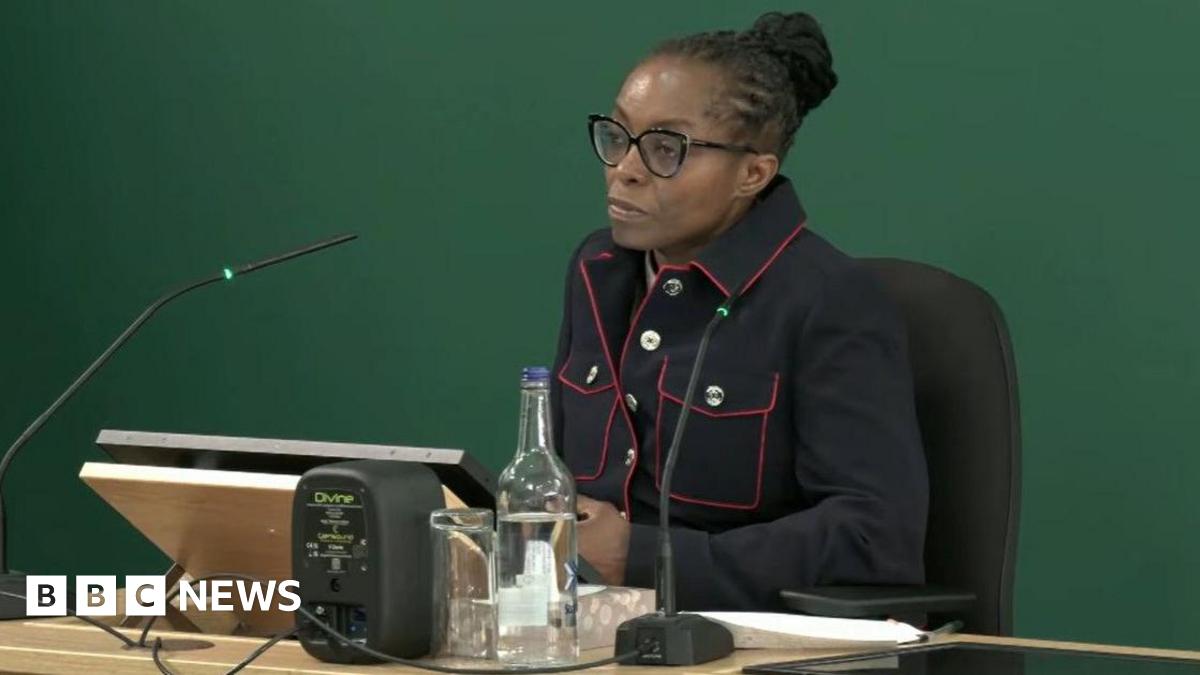
Smith told the inquiry the way psychiatric care was delivered had “changed” since she started 33 years ago and that it had gone from a “continuity” approach to one that was now “fragmented”.
“From my experience, [looking after someone] with a severe mental illness… if they stop coming [to appointments], that’s usually a bad sign, not a sign of [good] health,” she said.
“Often in medical terms, if someone doesn’t need to come and see you anymore, it’s because they’re well but when it comes to psychosis, it can be that person does not realise they are unwell.
“What we would have done is ensure we’d have gone to have seen that person to make sure they are well, before we would have discharged them.”
But Smith said due to a “reduction in resources”, teams had to “cut their cloth accordingly” and the threshold for people accessing services had increased.