
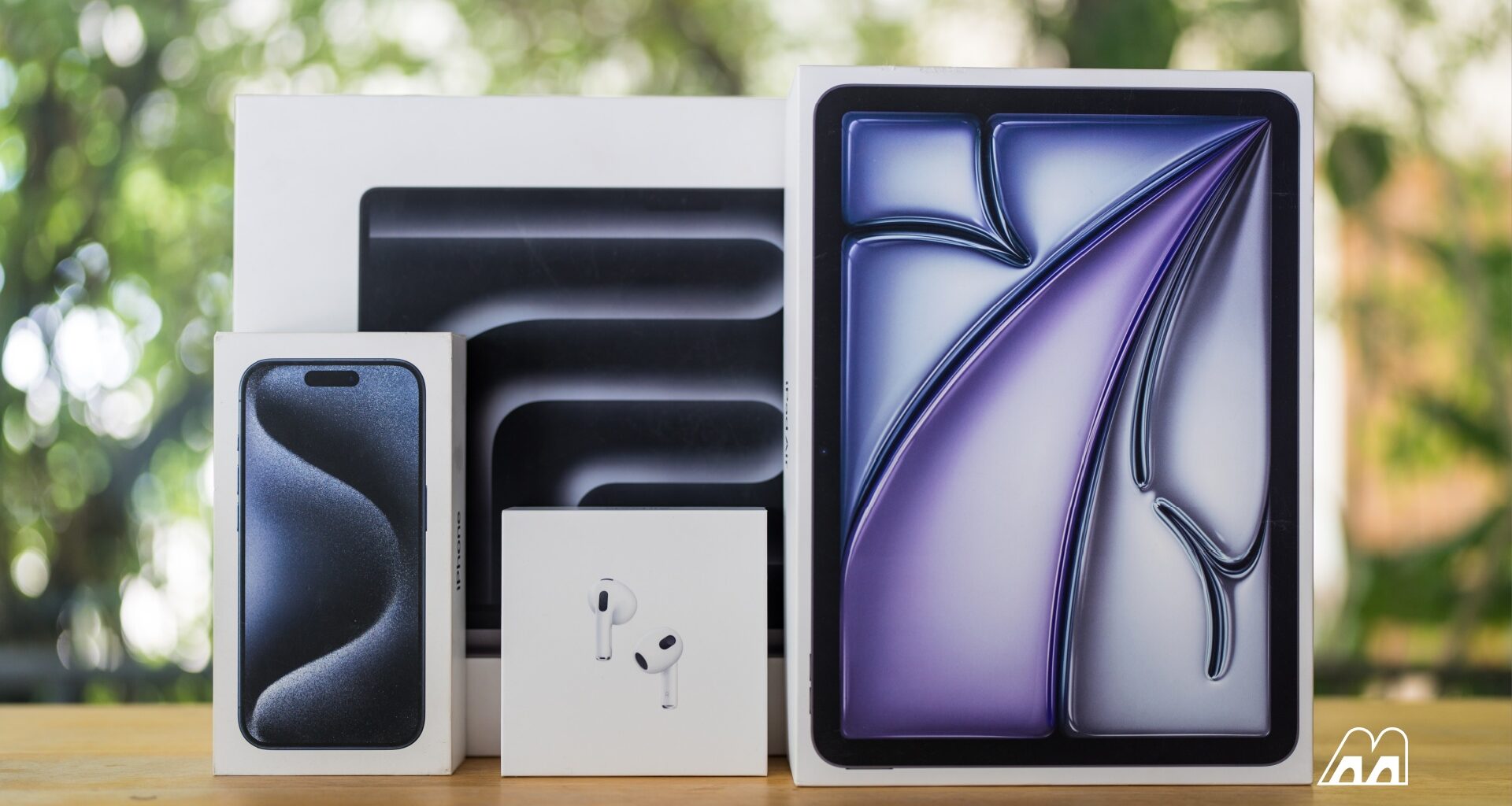
Apple doesn’t seem interested in winning the AI race by building the biggest data-center empire.
Its bet looks smaller. Literally.
The company is reportedly renewing its push for AI that runs on devices, even as rivals pour billions into cloud infrastructure and giant AI server farms. The idea is simple: make the iPhone, Mac, Apple Watch, AirPods, and future smart glasses do more of the AI work themselves.
Apple’s AI strategy is moving closer to your pocket
Apple’s reported direction shows a very different AI playbook from the one we’ve seen at OpenAI, Google, Microsoft, and Meta.
Those companies need huge data centers to train and run large AI models. While Apple still requires cloud computing, they want their AI tasks to take place within your current device.
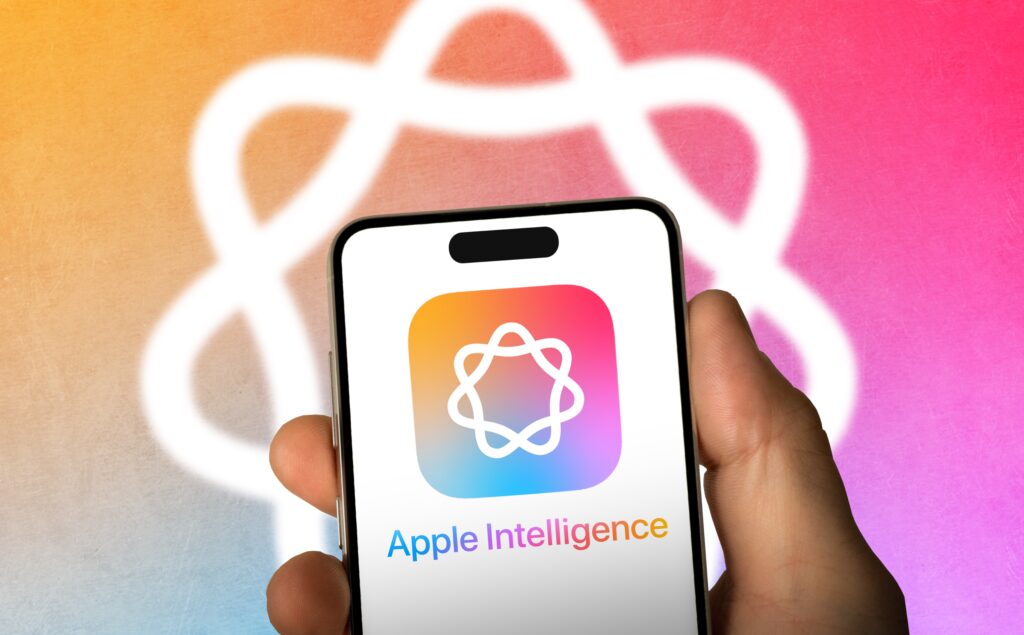
That means your iPhone, iPad, Mac, Apple Watch, AirPods, or future glasses could handle more everyday AI jobs without constantly sending requests to remote servers.
This is classic Apple. The company has spent years selling tight control over hardware, software, chips, and privacy. On-device AI gives it another way to say: we can make this feel personal without making it feel creepy.
Why Apple doesn’t want AI to depend only on data centers
The AI boom has turned data centers into one of the hottest battlegrounds in tech.
An AI data center houses the servers, chips, cooling systems, storage, and networking needed to train and run AI tools at scale, according to IBM’s explainer.
But this approach comes with heavy costs. The International Energy Agency estimated that data centers used about 415 terawatt-hours of electricity in 2024, around 1.5% of global electricity consumption.
That’s why Apple’s smaller-device bet matters.
If more AI tasks run directly on devices, Apple can reduce some dependence on expensive server capacity. It can also make simple features feel faster because your phone won’t need to send every request across the internet.
Here’s the difference:
AI approachWhat it meansMain benefitMain weaknessCloud AIAI runs in data centersMore power for complex tasksHigher infrastructure costOn-device AIAI runs on your phone, Mac, or wearableFaster, more private, offline-friendlyLimited by device hardwareHybrid AIDevice and cloud work togetherBest balanceHarder to build well
Apple appears to be pushing hardest toward the third option.
Private Cloud Compute is Apple’s safety net
Apple isn’t pretending every AI task can run on a phone.
Some requests need larger models. For that, Apple built Private Cloud Compute, a cloud system designed to process more complex Apple Intelligence tasks while protecting user data. Apple says user data isn’t stored and only gets used to complete the request.
That gives Apple a cleaner story than “everything goes to the cloud.”
The pitch is closer to this: your device handles what it can, and Apple’s private cloud steps in only when it must.
That matters because AI is becoming more personal. We’re not just asking chatbots for jokes anymore. We’re asking them to read emails, summarize messages, understand photos, manage calendars, and eventually act inside apps.
Once AI starts touching that kind of data, privacy becomes more than a marketing line.
The small devices could be bigger than Siri
The most interesting part of Apple’s strategy may not be Siri alone.
Reuters reported in 2025, citing Bloomberg, that Apple was developing chips for smart glasses, AI servers, and future Macs. The smart glasses chip was reportedly designed around low power use, with multiple cameras in mind.
That points to a bigger idea.
Apple may want AI to become an ambient layer across its devices. Not one chatbot app. Not one Siri window. A system that quietly works through the camera, microphone, sensors, screen, and apps around you.
That could show up in:
AirPods that understand your surroundings through cameras or sensorsApple Watch features that read health and context more intelligentlySmart glasses that use visual AI to identify objects, translate text, or guide youMacs that run more powerful local AI tools for work and creative tasksiPhones that process photos, messages, and app actions faster on-device
Memeburn has already covered how Apple’s AI wearable push could connect with future AirPods and visual intelligence, and that fits neatly into this broader hardware-first direction.
Why this matters for South African users
For South African users, the promise sounds useful.
If Apple gets on-device AI right, users in Cape Town, Durban, Johannesburg, or smaller towns with patchy connectivity could still get some AI features without relying on perfect cloud access.
That could help with things like:
summarising long messagesediting photostranslating textfinding information on-deviceautomating simple tasksusing smarter accessibility tools
But there’s a catch.
On-device AI usually needs newer chips. Apple Intelligence already pushed users toward newer iPhones, iPads, and Macs. If Apple’s best AI features stay locked to premium hardware, many users in South Africa may watch the shift from the sidelines.
That’s the tension. Apple’s AI could feel faster and more private, but it may also make the upgrade cycle feel more urgent.
Apple is trying to avoid the AI subscription trap
There’s another reason this strategy makes sense.
Cloud AI costs money every time users make requests. That’s why many AI services are adding limits, paid tiers, cooldowns, or usage caps. Memeburn recently covered how Google’s Gemini usage limits show that unlimited AI is becoming harder to sustain.
Apple’s model could reduce that pressure.
If more AI runs on your device, Apple doesn’t need to pay as much for server time on every simple task. That may help the company bundle AI into iOS, macOS, watchOS, and its hardware ecosystem instead of turning every feature into a separate subscription.
Of course, advanced AI may still cost more over time. Apple could eventually charge for premium Apple Intelligence features, especially if they use cloud-heavy models.
But the small-device strategy gives Apple more options.
The risk: Apple may still lag behind cloud-first rivals
There’s one obvious problem.
The biggest AI breakthroughs often come from massive models running in huge data centers. Apple’s cautious, privacy-first, hardware-first approach may produce better everyday tools, but it may not match the raw power of ChatGPT, Gemini, Claude, or other frontier systems.
That’s why the hybrid model matters.
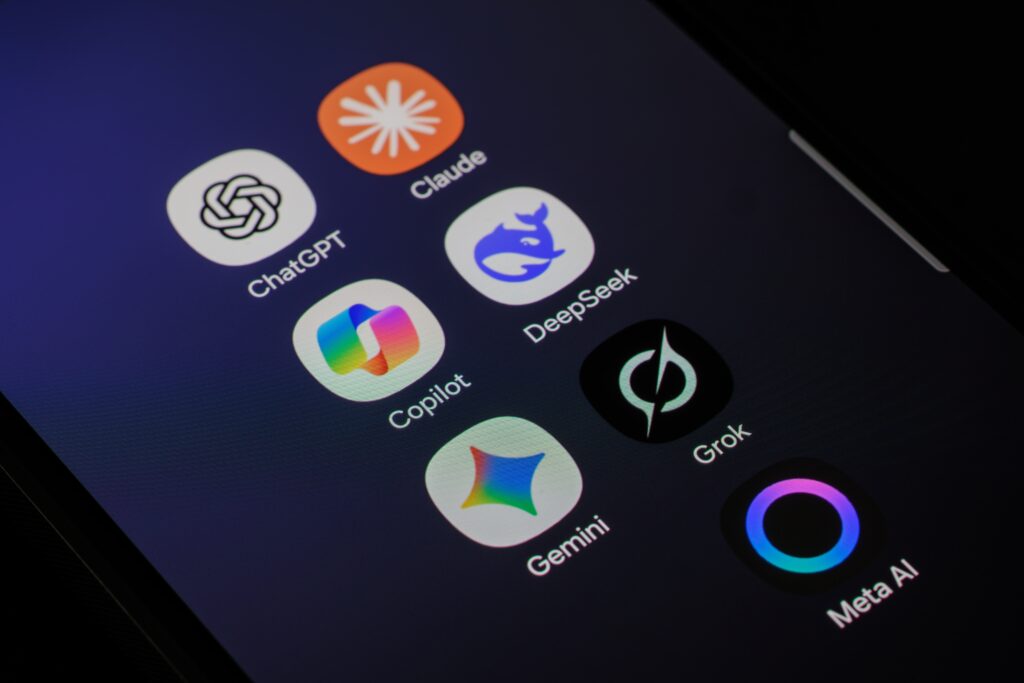
Apple doesn’t need to beat every chatbot at every task. It needs to make AI feel useful inside the devices people already carry.
If Siri can understand context, control apps, protect private data, and respond quickly, many users won’t care whether Apple owns the biggest AI cluster on Earth.
The real question is whether Apple can move fast enough. Because right now, the AI race isn’t waiting for anyone.
FAQsWhat does Apple’s small-device AI strategy mean?
This implies that Apple will have more AI processes occur right from the iPhone, Mac, wearable devices, and other products that the company plans to develop in the coming years. The goal is faster responses, stronger privacy, and less dependence on giant cloud data centers.
Will Apple still use data centers for AI?
Yes. Apple uses Private Cloud Compute when a request needs more processing power than your device can handle. The difference is that Apple wants the cloud to support the device, not replace it.
Why should South African users care?
AI on device would be helpful if there is limited internet connectivity, costly internet, or intermittent internet connection. The problem is that the most advanced functionality could only be available on newer Apple hardware.
Could Apple’s AI strategy make older iPhones feel outdated faster?
Yes, that’s a real risk. On-device AI needs powerful chips, so Apple may reserve its best AI features for newer iPhones, Macs, and wearables. For users in markets like South Africa, that could make the upgrade gap feel bigger if AI becomes a major reason to buy new hardware.