
Lina Altawell, Mohammad Sio and Sahin Demir
19 June 2026•Update: 19 June 2026
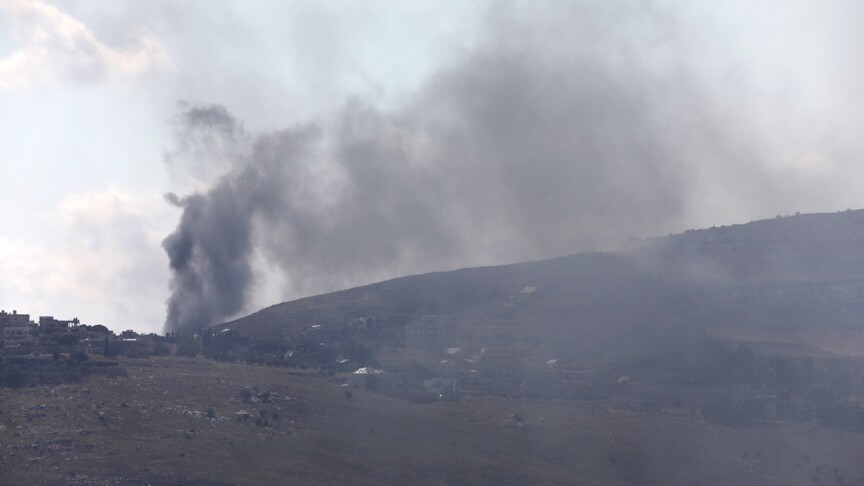
At least 47 people were killed and 97 others injured in a wave of Israeli airstrikes across southern and eastern Lebanon since midnight Friday, according to Lebanon’s Health Ministry, in the deadliest escalation since the US and Iran signed an agreement aimed at ending fighting on multiple fronts, including Lebanon.
In an updated toll, the ministry said the strikes targeted multiple towns in Nabatieh, Jezzine and Baalbek districts.
The highest casualties were reported in Harouf, where nine people, including three women, were killed and 14 others injured.
In Doueir, six people, including a child and a woman, were killed and six others wounded.
Seven people were killed in Haboush, while four were killed in Deir al-Zahrani and three in Arab Salim, including a child.
In eastern Lebanon, three people were killed in Tal al-Abyad near Baalbek, while Ain Bourday recorded nine injuries.
Earlier Friday, Lebanon’s National News Agency (NNA) reported multiple Israeli airstrikes and drone attacks on residential areas, motorcycles and farmland across southern Lebanon.
On Wednesday evening, US President Donald Trump and Iranian President Masoud Pezeshkian electronically signed the Islamabad Memorandum of Understanding, aimed at ending the war between the US, Israel and Iran and halting Israeli attacks on Lebanon.
However, members of the Israeli government, particularly far-right ministers, have rejected linking the Iran agreement to ending military operations in Lebanon or making security concessions, insisting on maintaining Israel’s military presence in southern Lebanon.
Under the memorandum, Washington and Tehran are expected to hold negotiations for 60 days, with the possibility of an extension, in an effort to reach a final agreement on Iran’s nuclear program and international sanctions.
According to the latest official figures, Israel’s military offensive in Lebanon since March 2 has killed 3,980 people, injured 12,001 others and displaced more than one million residents.
Israel continues to occupy areas in southern Lebanon, some for decades and others since the latest conflict.