
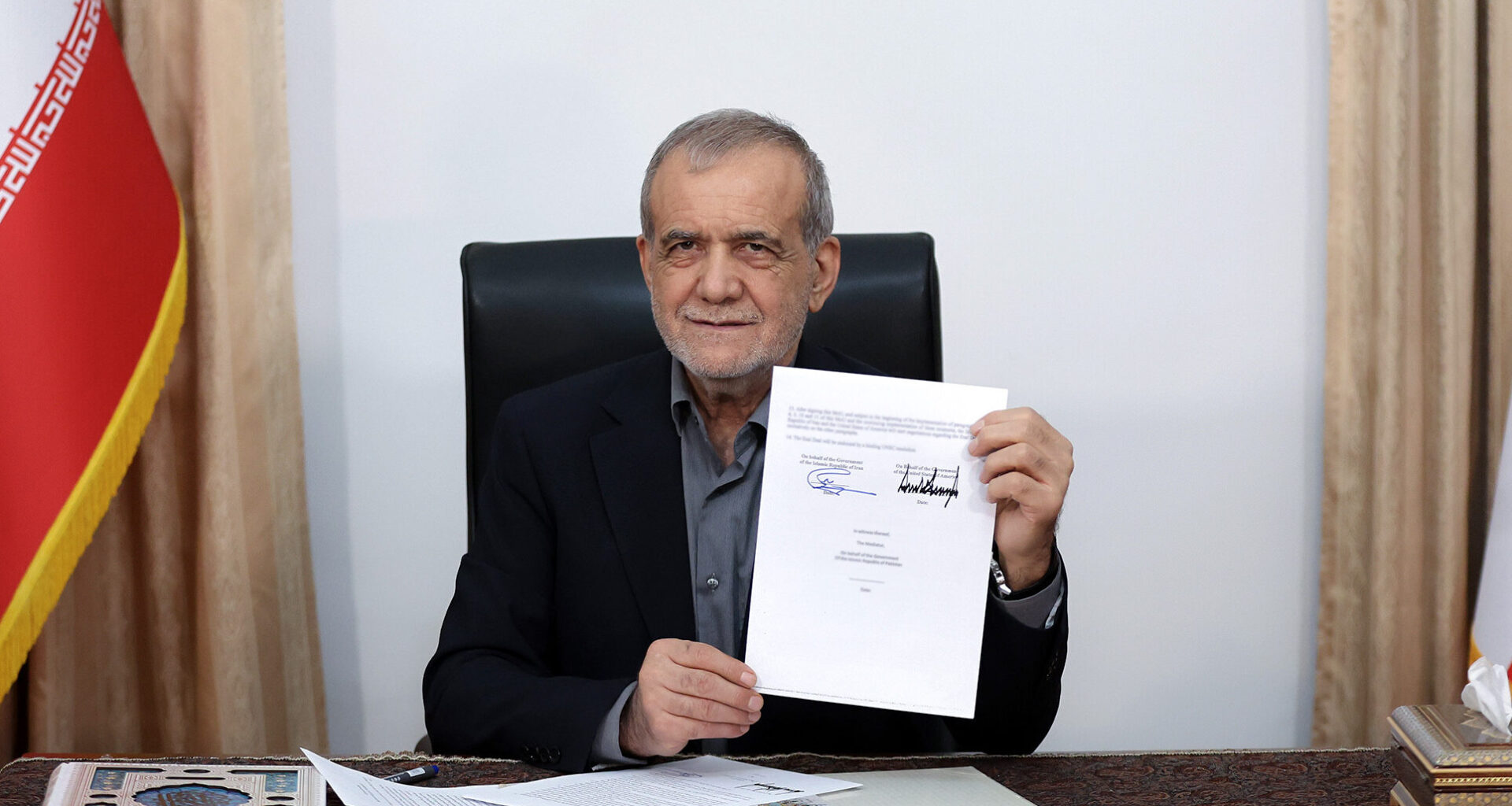
Majdi Halabi frames the new memorandum of understanding between Washington and Tehran as less a diplomatic breakthrough than a hard admission of fatigue. After 110 days of war, both sides have reached what he calls strategic exhaustion: the US wants relief from the conflict’s economic costs and pressure on global energy markets, while Iran needs breathing room after a punishing campaign that strained the regime and narrowed its ability to project power.
The deal, in Halabi’s telling, is a “settlement of necessity,” not a triumph. Iran keeps its nuclear program on its own soil under International Atomic Energy Agency monitoring, while Washington steps away from the old “maximum pressure” posture in favor of stabilizing markets and buying time. Gulf states helped shape the memorandum, giving them a larger role in the next phase of regional security, especially over the Strait of Hormuz.
That waterway is the agreement’s first real test. The memorandum creates a 60-day period in which commercial shipping through the Strait of Hormuz is expected to resume, but the arrangement is temporary and vague. The Gulf states must now help turn a short-term waiver into a durable system, or the region will be back to staring at the same loaded gun.
The bigger problem is what the memorandum leaves unsaid. Ballistic missiles and Iranian-backed armed groups are not spelled out in the text, but President Trump says they will be central to the next 60 days of talks. That window is supposed to turn a broad framework into a binding deal, yet Halabi is skeptical that Iran’s deeper strategic capabilities can be dismantled quickly, if at all.
For Israel, the bargain is deeply uncomfortable. A weak Lebanon ceasefire, Hezbollah’s remaining military power, and Iran’s apparent position as a threshold nuclear state leave Israel facing a strategic squeeze while its chief ally prioritizes regional de-escalation.
Halabi’s full piece captures the deal’s central tension: the war may be paused, but the most dangerous questions have merely been postponed.