

A fertile future
Daoutidis believes the long-term impact could extend well beyond fertilizer sales.
“It’s about the economic development of the state,” Daoutidis says. “This is huge.”
He envisions a future in which farmer cooperatives and rural investors build and operate commercial-scale green ammonia facilities throughout Minnesota, creating jobs, expanding local tax bases and generating additional demand for renewable energy produced in Greater Minnesota.
“If you look at the farmers, they are part of the market. And in a way, they have to be part of the solution,” Daoutidis says. “One can see a model of co-ops that will come together and hopefully develop these plants with support and loans and credits from the state.”

Researchers estimate that green ammonia could reduce the fossil energy footprint of farming by as much as 90 percent. Lower carbon intensity scores could create additional value for Minnesota farmers by improving access to emerging low-carbon fuel markets and tax incentives.
The benefits could also spread across multiple Minnesota industries.
Reese notes that green ammonia can be combined with carbon dioxide streams from the state’s ethanol plants to produce urea, the most widely used nitrogen fertilizer in Minnesota. Because urea is easier to transport and store than liquid ammonia, local production could further strengthen regional fertilizer supply chains.

Beyond agriculture, green ammonia may help support future development of green iron, green steel and sustainable aviation fuel.
Minnesota already possesses many of the raw materials needed for those industries. The state ranks among the nation’s leading producers of wind energy and supplies roughly 80 percent of the iron ore mined in the United States. Yet much of that ore is shipped elsewhere for processing.
“If we can switch the product that we have from conventional ammonia to greener sources of ammonia, other sources of nitrogen fertilizer, that opens up the door for green iron, green steel and sustainable aviation fuel,” Reese says. “So we have an opportunity here in Minnesota to have the same model to take these natural resources that we have in wind and solar and other things, and use that to transform the industries — agriculture, and mining, and transportation fuels, as well as the utility industry.”
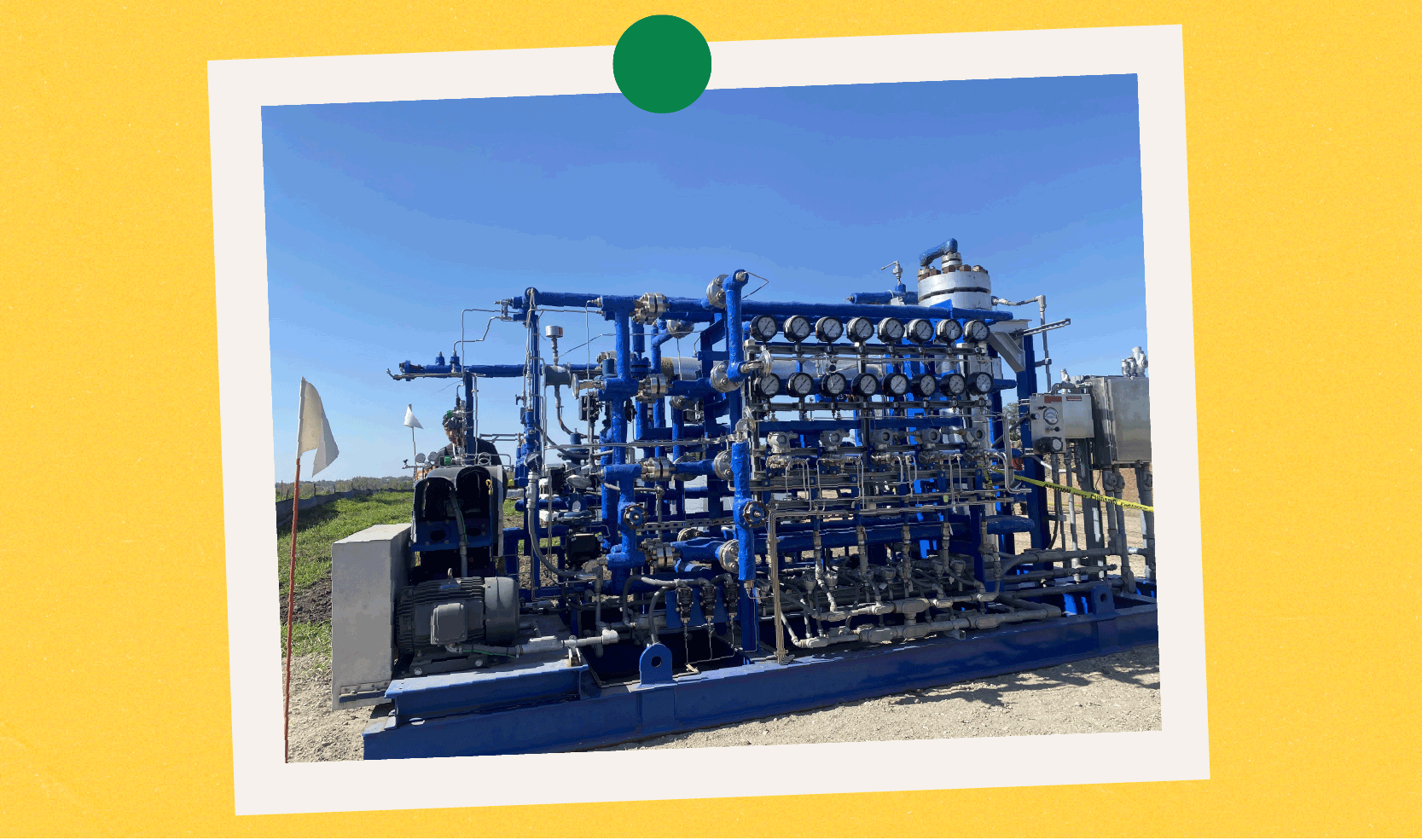
Daoutidis also sees broader opportunities for ammonia as an energy carrier. Because ammonia is easier to store and transport than hydrogen, it could eventually be used to move renewable energy across regions and support new energy applications that are difficult to electrify directly.
For now, however, the focus remains on proving the technology at Morris.
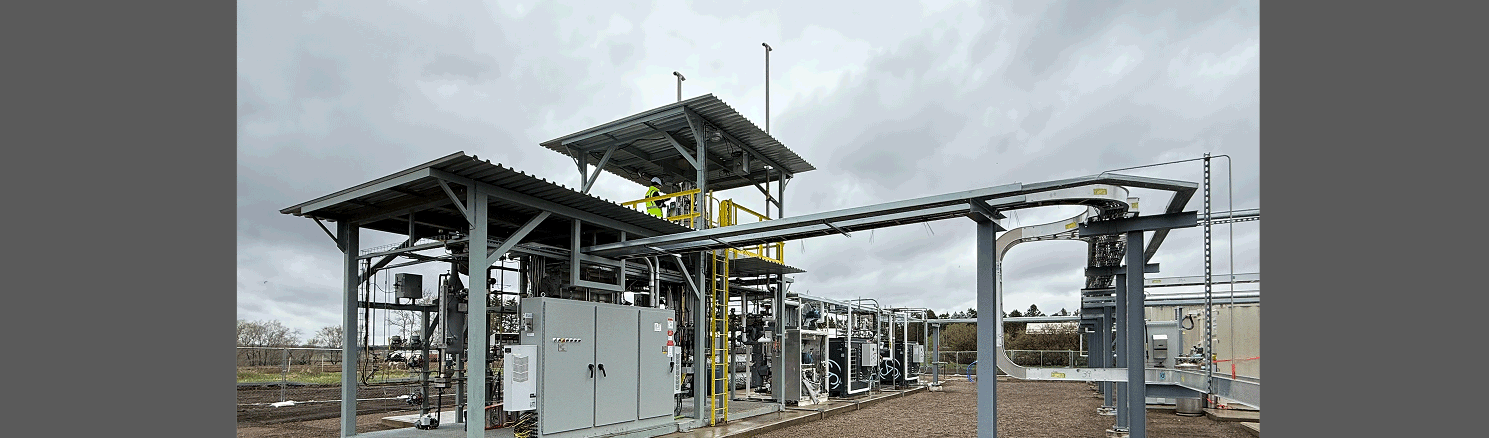
Researchers are bringing equipment online gradually and preparing the facility for full-scale pilot operations. The plant serves as a critical bridge between small research demonstrations and future commercial projects that could be built throughout Minnesota.
“It’s an exciting, slow, gradual process,” Reese says. “This plant is kind of a key step in going from a field test up to commercial scale… validating the technology and letting people come and kick the tires.”
If successful, the project could demonstrate that Minnesota’s wind resources can do more than generate electricity. They could become the foundation for a new manufacturing sector that keeps fertilizer dollars in-state, strengthens rural economies and creates new value from some of Minnesota’s most abundant natural resources.