
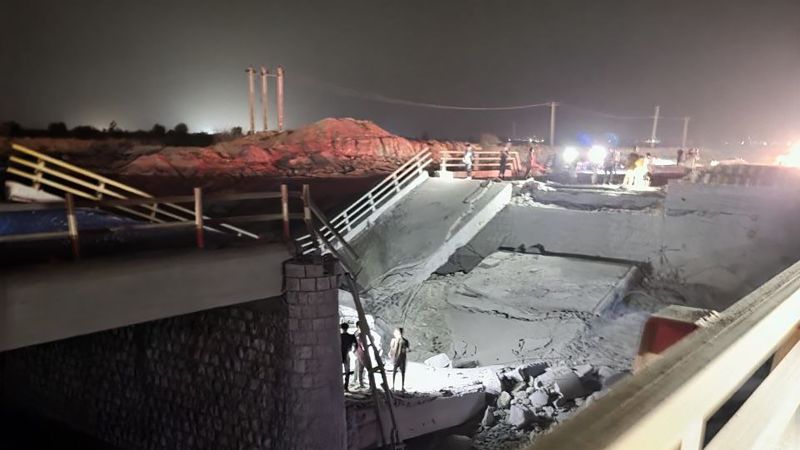
The United States launched a new wave of airstrikes against Iran a short while ago, intending to “continue degrading Iranian military capabilities,” according to the US military.
This comes after the US destroyed a surveillance tower yesterday belonging to the Islamic Revolutionary Guard Corps (IRGC) on Iran’s southeastern coast, the military said.
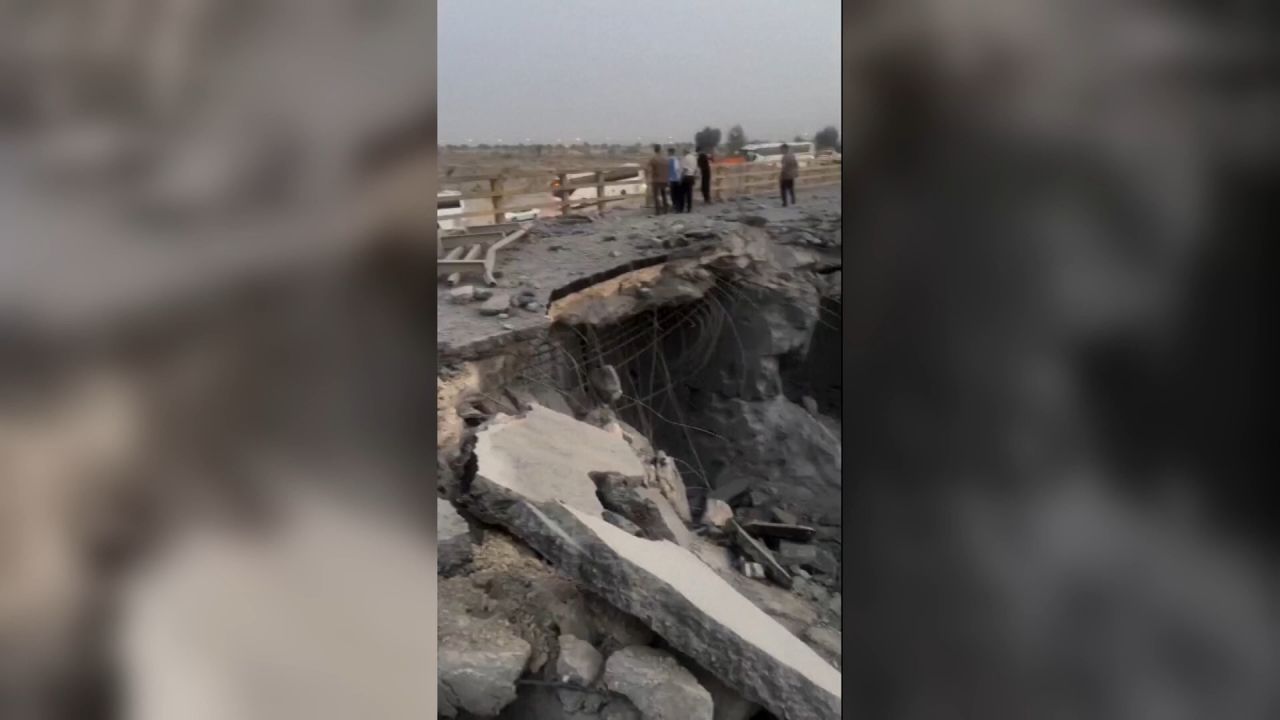
Daytime footage shows damaged bridge in Iran’s Bandar Khamir
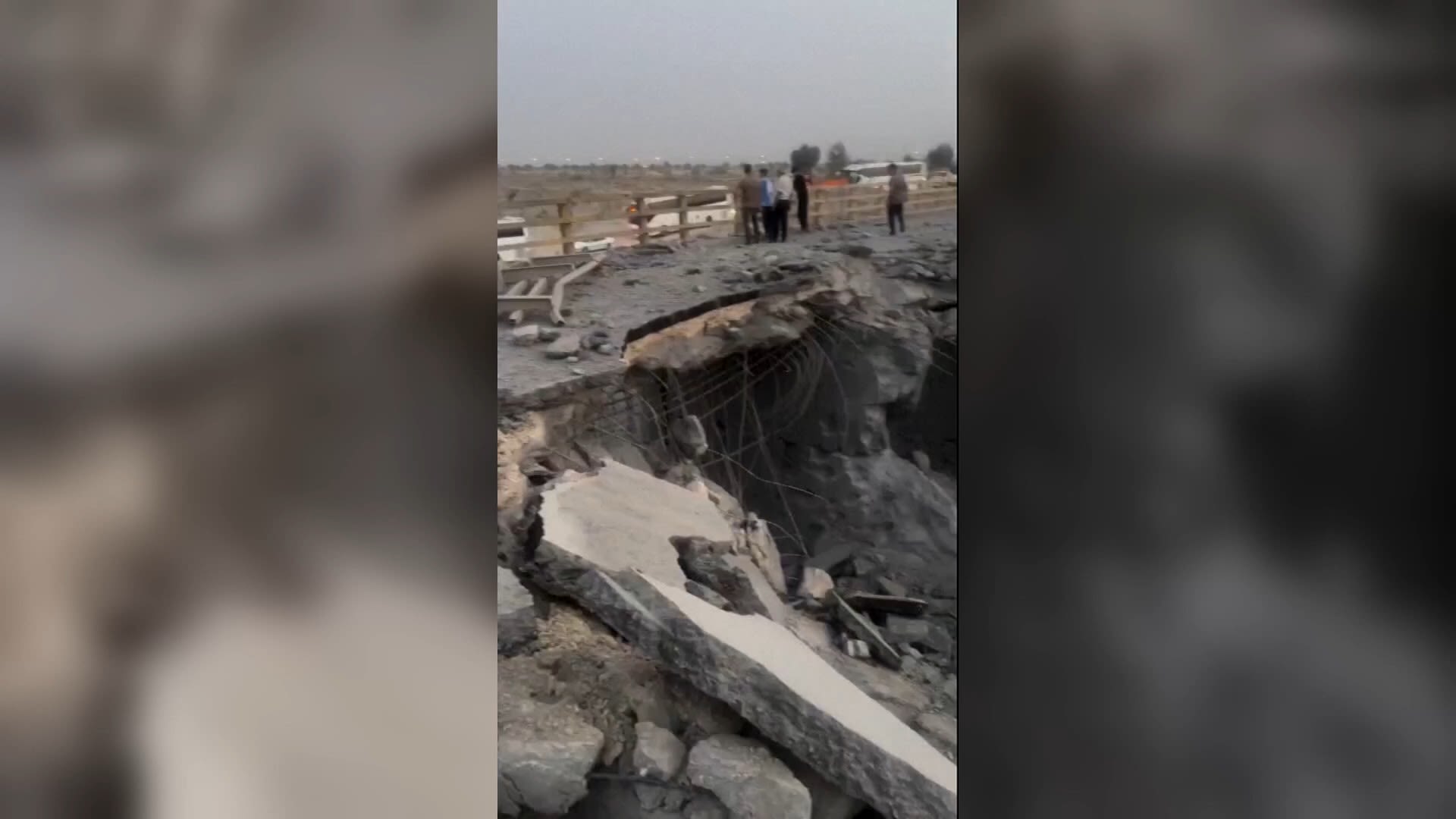
Daytime footage shows damaged bridge in Iran’s Bandar Khamir
0:23
Here’s what to know about the US strikes, now on their seventh consecutive day:
• A pattern: US strikes on Iranian bridges, railway junctures and power lines connecting key coastline cities appear to suggest a wider pattern by Washington intended to seize control of the Strait of Hormuz from Tehran.
• Iran’s response: Mohsen Rezaei, a top IRGC official and military adviser to Supreme Leader Mojtaba Khamenei, warned of a “full-scale offensive” if the US persisted with military strikes against Iran. Tehran, so far, has been striking US allies in the region, which several Arab nations have fiercely criticized.
• Impact on people: The cities currently under attack are among Iran’s poorest and most ethnically diverse, home to large populations of minority communities distinct from Persian-majority centers like Tehran. Despite being home to much of Iran’s energy industry and commercial ports, these provinces have historically suffered from underinvestment, high unemployment and weaker infrastructure.
• Caught in the crosshairs: An Indian seafarer who went missing after an Iranian attack on his ship Sunday has been confirmed dead, the Forward Seamen Union of India said in a statement. This week, India ordered shipowners and operators not to deploy Indian seafarers on vessels traveling through the Strait of Hormuz amid renewed hostilities.
India is the world’s third-largest supplier of seafarers, with more than 300,000 sailors working across global shipping fleets, according to the government.
CNN’s Mostafa Salem, Tim Lister, Leila Gharagozlou, Aida Karimi, Magdalena Sofia Vitores Moreno, Eyad Kourdi, Fadel Allassan, Davis Winkie, Dalia Abdelwahab and Sana Noor Haq contributed to the report.