
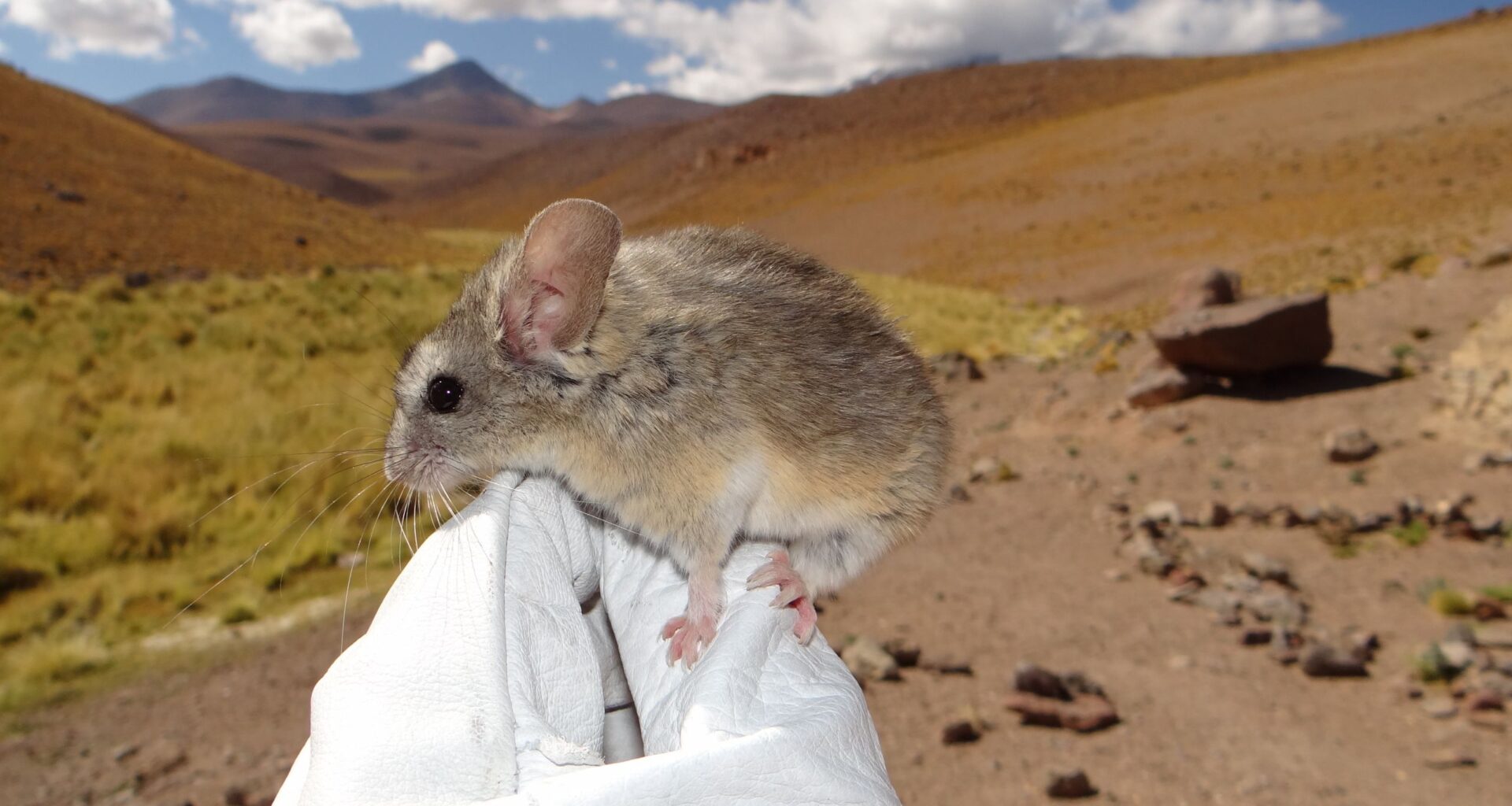
Scientists have discovered how mice survive at extreme altitudes on the tips of icy dormant volcanoes in the Andes.
The area where the mice call home extends more than 1 mile (1.6 kilometers) above the world’s highest human settlement. The air is thin, temperatures are blisteringly cold, and a desert ecosystem ensures water and vegetation are extremely scarce.
You may like
What to read next
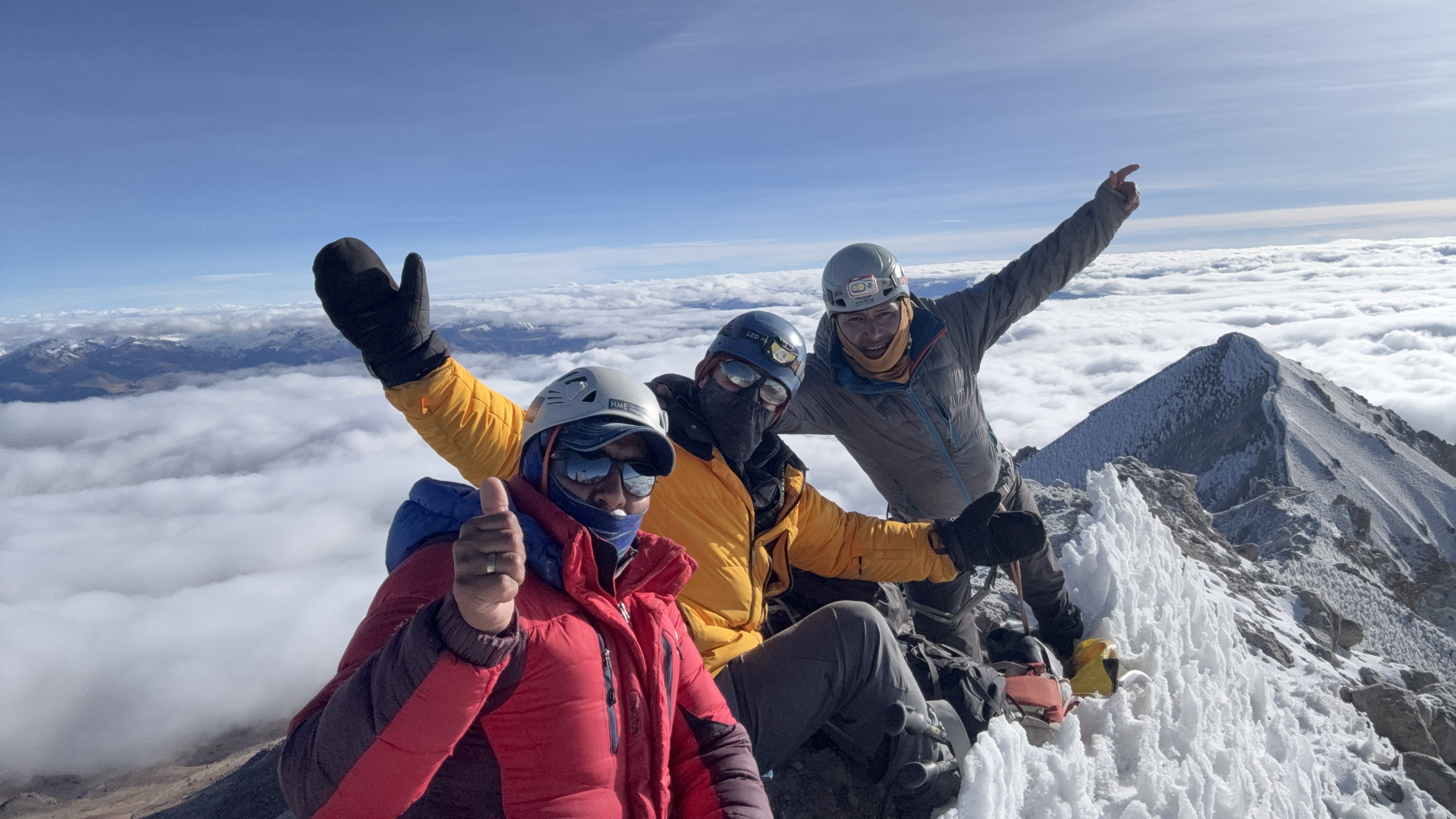
Storz surveyed the mice with other experienced mountain climbers. Here he is pictured with Mario Pérez Mamani and Franz Checca on the summit of Hualca Hualca in Peru.
(Image credit: Jay Storz)
“King of the mountains”
Liphardt, S., Bautista, N. M., Quiroga-Carmona, M., Herrera, N. D., Blumer, L. M., Opazo, J. C., Hoffmann, F. G., Saleem, R., Somo, D. A., Del Basto Llancaqueo, F., Thurman, T. J., Wheeler, T. B., Shaw, D. E., Walt, H. K., Harter, T. S., McClelland, G. B., Scott, G. R., Sabat, P., Cheviron, Z. A., . . . Storz, J. F. (2026). Adaptation across an extreme elevational gradient in Andean leaf-eared mice, the world’s highest-dwelling mammal. Science, 393(6807), eaec8347. https://doi.org/10.1126/science.aec8347