
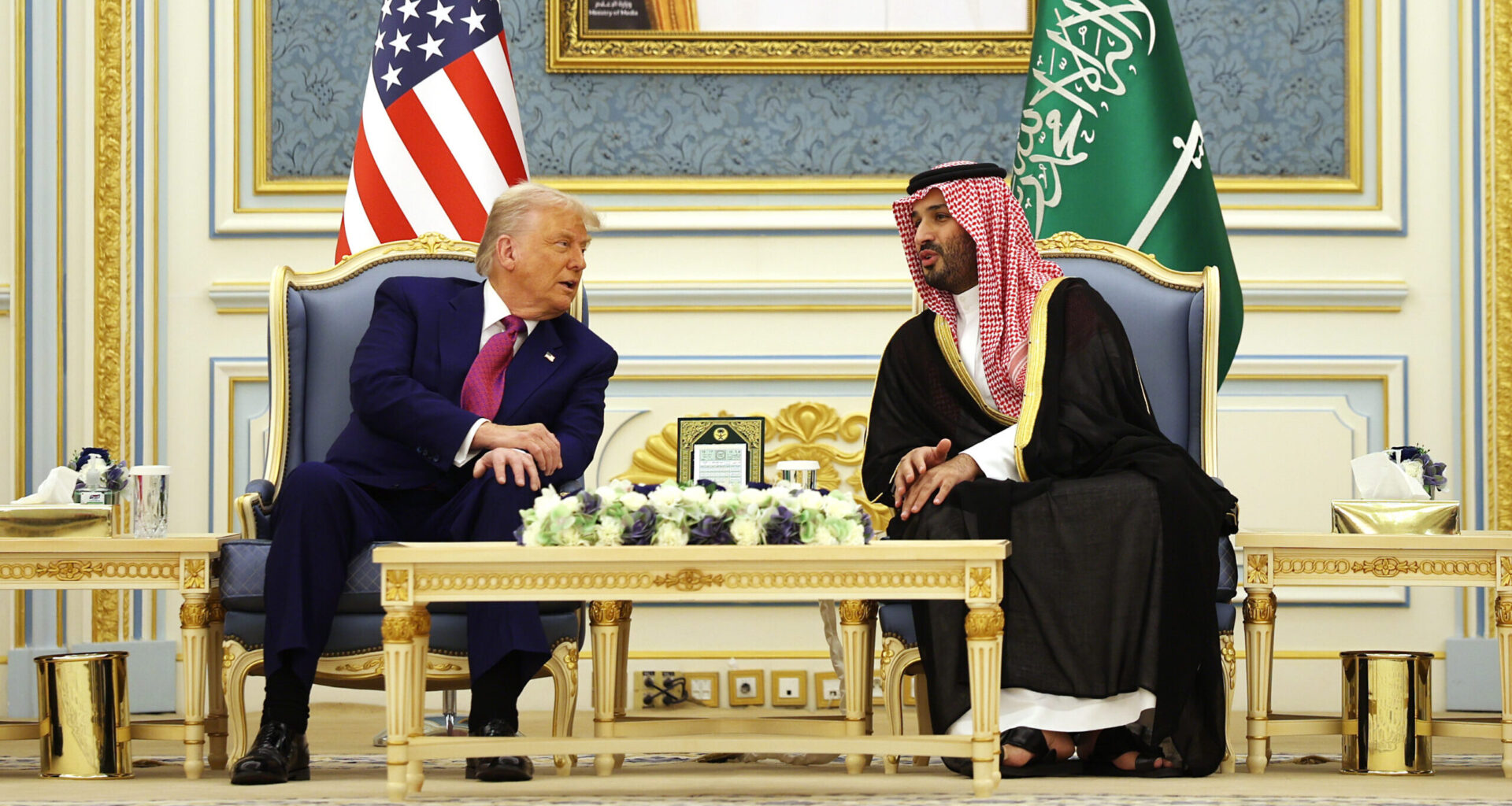
“Israel is not around the table; it is on the table,” former Prime Minister Naftali Bennett says as reports emerge that the Trump administration is preparing to submit a civilian nuclear cooperation agreement with Saudi Arabia to Congress.
The Media Line’s Gabriel Colodro, in his article Reported Saudi Nuclear Agreement Leaves Israel Exposed, explores why Bennett’s warning extends well beyond nuclear technology. The reported agreement could grant Riyadh one of the chief incentives once tied to recognizing Israel while leaving normalization outside the deal, reducing Israel’s leverage and shifting attention to the one issue that remains unresolved: the Palestinians.
Drawing on interviews with two Israeli analysts, Colodro traces how the proposed agreement could reshape both regional diplomacy and the Middle East’s nuclear landscape. Michael Koplow of the Israel Policy Forum argues that Saudi Arabia has long viewed normalization as a path to securing strategic concessions from Washington. If those concessions are delivered independently, he says, the political cost of recognizing Israel becomes harder for Riyadh to justify, particularly after the Gaza war. Kobi Michael of the Institute for National Security Studies contends that Israel cannot rely solely on opposing the agreement in Washington and may instead need to revive its own diplomatic initiative.
The proposed arrangement could eventually allow Saudi Arabia to enrich uranium or reprocess spent fuel under terms that appear less restrictive than those accepted by the United Arab Emirates. While those technologies have legitimate civilian uses, analysts warn they also lower the barrier to future military capabilities and could encourage other regional powers to seek similar agreements.
The piece also broadens the focus beyond Saudi Arabia, exploring how the agreement could reshape future negotiations with Iran and encourage countries such as Turkey, Egypt and the UAE to seek similar nuclear arrangements. It concludes with Congress, where lawmakers will weigh not only the agreement itself but also what it could mean for the regional framework linking normalization, security guarantees and civilian nuclear cooperation.