
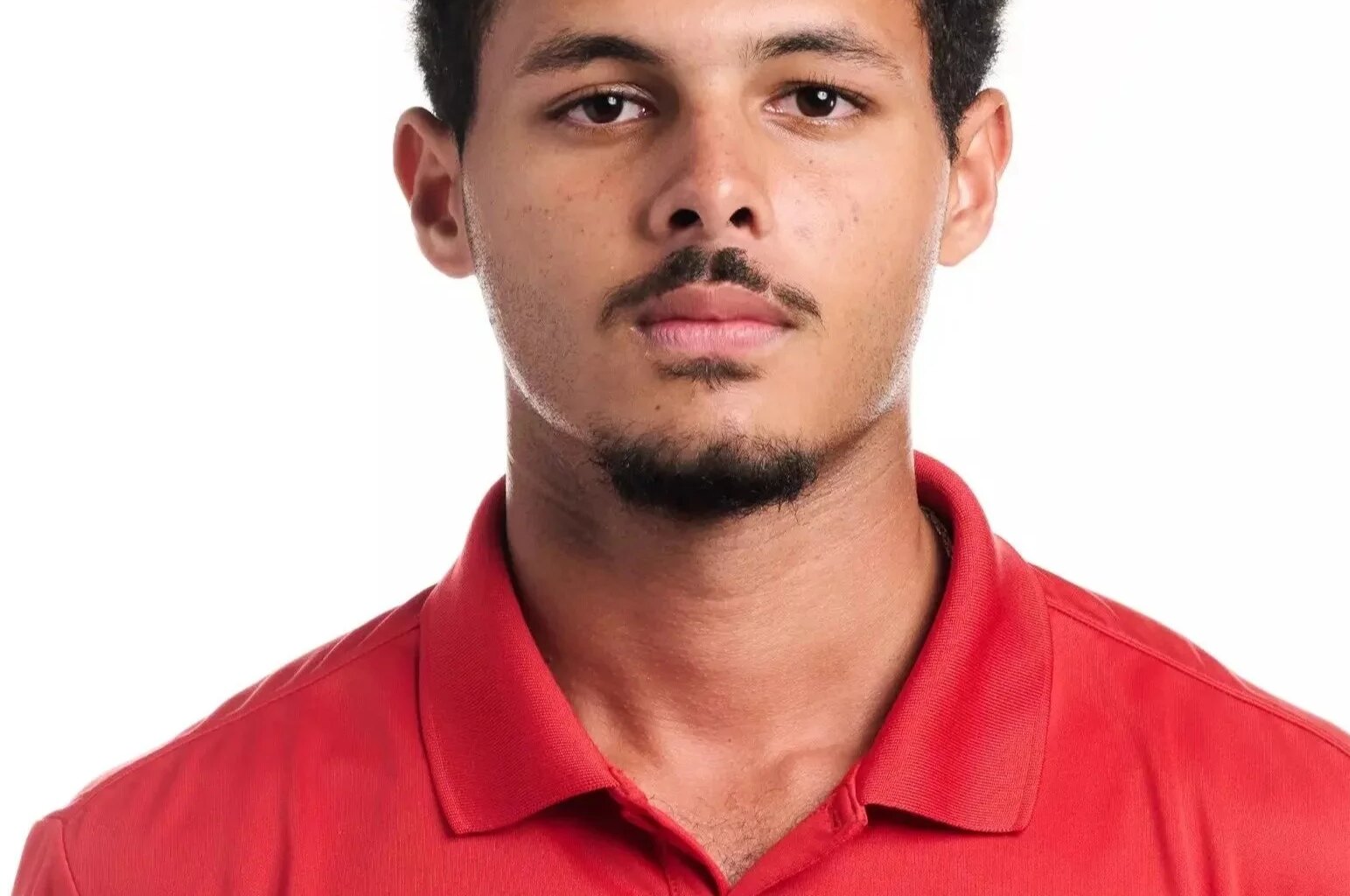
Those experiences have shaped the message he shares with younger golfers back home.
“When playing with the junior golfers in Jamaica, I find it important to encourage them and let them know that despite losses and setbacks, hard work and consistency will pay off,” Williams noted.
He hopes his journey will also broaden the horizons of Jamaica’s next generation of golfers.
While many talented juniors naturally look to American universities to continue their education and playing careers, Williams believes Canada deserves greater consideration.
“I hope my journey helps others realize that there are opportunities to continue their golf career in many places,” he said. “Canada is also an option, and the level of golf is greater than some may think. Although the seasons are shorter, there are opportunities to receive a great education while also playing competitive golf.”
Behind Williams’ progress is a family that has supported the considerable commitment required to pursue the sport.
He credits his parents, Neil and Seanne Williams, for supporting a journey that has required significant investment in equipment, coaching, tournament fees and international travel.
Williams and his twin brother, Zander, are the youngest of four siblings. Their eldest sister, Melissa, studied at McGill University, while their older brother, Matthew, earned recognition as one of Jamaica’s top junior go-kart racers before pursuing engineering and a career in motorsport.
Another major influence has been his godmother, Alison Reid, who introduced him to golf when he was six years old and became one of the driving forces behind junior golf in Jamaica.
As the Jamaica Golf Association’s longtime junior golf chairperson and now junior golf convener, she has helped strengthen the sport’s grassroots structure through year-round tournaments, school-based initiatives, expanded opportunities for girls and sustained advocacy for corporate sponsorship.
“Without these tournaments every year to practice my game, I likely would have never started playing golf competitively,” said Williams who applied to several universities in Canada and the United States but chose McGill after meeting Purboo and because his sister had attended the university. “She is the reason not only I, but several Jamaican junior golfers took the game seriously and continued to play at the collegiate level.”
The support he received growing up is something he is already finding ways to extend to others.
Together with fellow Jamaican national golfer Mattea Issa, he co-founded Clubs2Canes, a non-profit initiative that transforms discarded golf club shafts into walking canes for people who are blind.
The organization has donated 40 canes to the Jamaica Society for the Blind and hopes to expand the project through additional donations of used golf clubs.
Williams’ desire to give back also extends to the sport that has provided him with so many opportunities.
“In the future, I’d love to give back by mentoring junior golfers in Jamaica,” he said. “There are many promising young golfers on the island, and I believe with the right guidance they will be very successful in the sport.”
For generations, Jamaica’s international sporting identity has been shaped largely by track and field, cricket and football. Golf has rarely commanded the same attention or provided young athletes with an equally visible pathway to international success.
Williams is showing that another path is possible.
Every tournament he enters, every time he represents Jamaica and every young golfer he encourages brings greater visibility to a sport that has long existed on the margins of the country’s athletic landscape.
At this stage of his career, there are still many fairways ahead.
But Williams is already demonstrating that Jamaican golfers can pursue a quality education, compete internationally and, in the process, inspire another generation to see possibilities in a sport they may once have considered beyond their reach.