
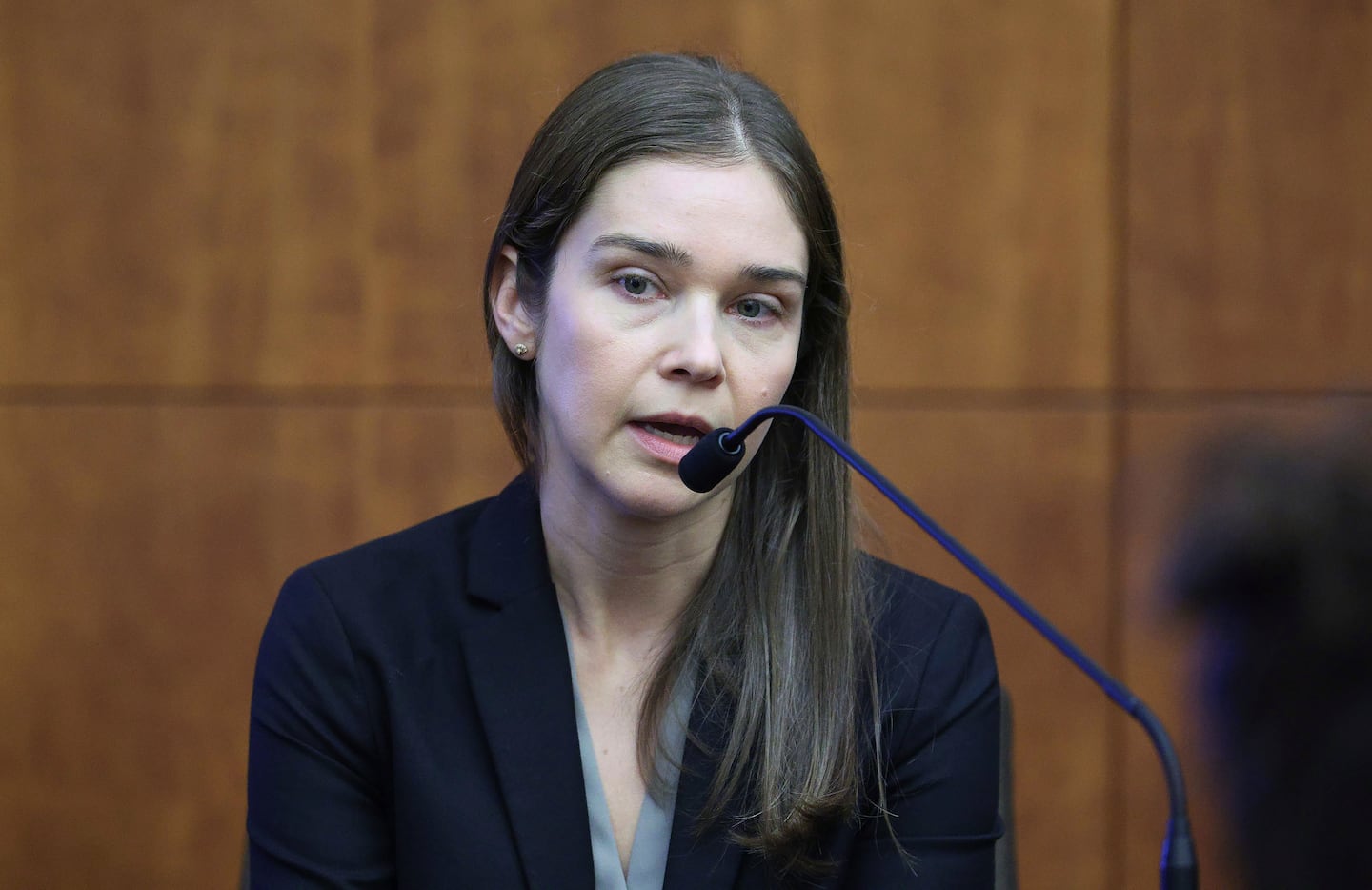
Testimony ends for the day — 3:48 p.m.
By Travis Andersen, Globe Staff
Judge Sullivan sent the jury home shortly before 3:50 p.m.
Paul’s cross-examination is scheduled to begin Tuesday.
Mental health specialist testifies that Clancy thanked her — 3:47 p.m.
By Travis Andersen, Globe Staff
Julie Paul said Clancy thanked her in late November 2022 when she told her she was leaving the perinatal clinic.
She said she transferred Clancy’s care to another provider at the clinic.
The lawyers were later called to a sidebar.
Mental health specialist says Clancy reported having a panic attack in late November 2022 — 3:43 p.m.
By Travis Andersen, Globe Staff
Julie Paul said it’s common for patients to try different medications to find one that works for them.
On Nov. 26, 2022, Paul said, Clancy reported that she had improved and asked if one medication should be increased to help her sleep better.
Paul said she could try a slight increase, she said.
On Nov. 27, 2022, Clancy said she had slept well but was also feeling disconnected from herself, Paul said.
Clancy opted to discontinue her Klonopin at the time, Paul said.
On Nov. 28, Paul said, Clancy reported having a panic attack. Paul said she recommended one medication and a run and also suggested a partial hospitalization program, which Clancy said wouldn’t work logistically for her at the time.
Mental health specialist transferred Clancy’s care to a different provider before leaving the clinic — 3:40 p.m.
By Travis Andersen, Globe Staff
Julie Paul, a psychiatric mental health nurse practitioner, said she left the perinatal clinic in mid-December 2022.
She said she transferred Clancy’s care to a different provider at the clinic on Nov. 30.
She said she had “a few phone calls” with Clancy and also communicated through an online patient messaging system.
Paul said she and Clancy communicated in November 2022 about the Prozac, which Clancy reported starting.
On Nov. 25, 2022, Paul said, she gave Clancy a one-time dose of Ambien and gave her a prescription for another medication after she reported having issues with the Prozac.
Paul said she recommended stopping the Prozac, which Clancy had taken for three days.
What to know about Julie Paul, who treated Lindsay Clancy in 2022 — 3:39 p.m.
By Sarah Rahal, Globe Staff
Julie Paul, a longtime South Shore maternal health provider who later helped build a behavioral health program specifically for pregnant and postpartum women, took the stand Monday about treating Clancy in 2022.
Paul is a psychiatric-mental health nurse practitioner and certified nurse-midwife. She is the former director of the perinatal behavioral health program at South Shore Health, which she started in 2018. The program supports women in preconception, pregnancy, postpartum and parenting, up to 2 years who are experiencing mood disorders or substance use disorders. By October 2020, the program had completed 486 new patient intakes and more than 2,500 follow-up appointments, according to South Shore Health website.
She knew and briefly worked with Sue Clancy, Lindsay Clancy’s mother-in-law who also worked as a labor and delivery nurse. Sue Clancy reached out to Paul to connect Lindsay Clancy for care, she said.
Paul prescribed several of the medications Clancy took during a period of rapidly changing psychiatric treatment in late 2022. On Nov. 21, Paul prescribed 10 milligrams of Prozac, an antidepressant. Four days later, on Nov. 25, she prescribed three additional medications: 5 milligrams of Ambien for sleep; 5 milligrams of Remeron, an antidepressant also used to help with sleep; and 0.5 milligrams of Klonopin, an anti-anxiety medication.
“She verbally understood the instructions of taking the medications,” said Paul, adding in addition to medication, “I set her up with talk therapy as well.”
Paul transferred Clancy’s care on Nov. 30. Paul couldn’t recall when her follow up was supposed to be with Nurse Practitioner Rebecca Jollotta.
Paul earned a bachelors degree in nursing from Saint Anselm College in 1991 and worked as a labor and delivery nurse at Elliot Hospital in New Hampshire for 15 years. She received a master’s degree in nurse-midwifery from Frontier School of Midwifery and Family Nursing and a Doctor of Nursing Practice from Frontier Nursing University in 2011. She also completed a post-master’s teaching certificate at Boston College and later trained as a psychiatric-mental health nurse practitioner.
Paul was inducted as a fellow of the American College of Nurse-Midwives in 2016.
Paul left South Shore Health in December 2023. Her LinkedIn states she served as director of women’s mental health at Rivia Mind and worked with FamilyWell before launching Empower Perinatal, her own practice focused on psychiatric care during pregnancy and postpartum.
Mental health specialist prescribed Clancy Prozac — 3:28 p.m.
By Travis Andersen, Globe Staff
Julie Paul, a psychiatric mental health nurse practitioner, said she prescribed Prozac to Clancy, since she’d had success with it before.
Paul said she wanted to pair the Prozac with Ativan to help with Clancy’s anxiety.
She said it can take four to six weeks for the medications to lessen symptoms.
She said she also arranged for Clancy to start therapy with a provider at the clinic.
Clancy was ‘feeling overwhelmed’ during first appointment, mental health specialist testifies — 3:23 p.m.
By Travis Andersen, Globe Staff
Julie Paul, a psychiatric mental health nurse practitioner, said Clancy indicated during intake that she couldn’t sleep.
Paul said Clancy at the time did not report thoughts of harming her children but “was feeling overwhelmed” with increased anxiety as her husband prepared to go back to work.
Clancy also said she once tried a marijuana gummy that didn’t help her sleep, and she listed other drugs she’d been prescribed, Paul said.
She said Clancy indicated she briefly took Prozac in nursing school.
Paul said Clancy had delayed her own return to work due to anxiety.
Mental health specialist said Clancy indicated she ‘was safe’ when they first spoke — 3:17 p.m.
By Travis Andersen, Globe Staff
Julie Paul said Clancy indicated she “was safe” when they initially spoke in November 2022.
She said “there was no immediate need” to address safety concerns, and that Clancy denied suicidal or homicidal thoughts. Clancy also denied visual or auditory hallucinations, Paul said.
She said Clancy did not appear delusional during that conversation.
Paul said Clancy denied using illicit drugs and said she had stopped breastfeeding.
An intake appointment was scheduled fthe next day on Nov. 21, 2022, Paul said.
Mental health specialist met with Clancy in fall 2022 — 3:13 p.m.
By Travis Andersen, Globe Staff
Julie Paul, a psychiatric mental health nurse practitioner, said she spoke with Clancy by phone in November 2022 to determine whether she would be a candidate for the perinatal clinic.
She said Clancy indicated she had done well during the first 12 weeks after Callan’s birth but later struggled.
“She did say that she had met with a psychiatrist” and had gone to the emergency room, Paul said.
She said Clancy listed multiple drugs she had been prescribed, and that one of Clancy’s goals was to not be on medication long-term.
Mental health specialist discusses perinatal clinic — 3:08 p.m.
By Travis Andersen, Globe Staff
Julie Paul, a psychiatric mental health nurse practitioner, said the clinic sometimes refers patients to other community providers. She said the staff works with each patient to develop the best medication plan.
Postpartum issues, she said, can surface anywhere within the first year after giving birth.
She said she worked with Clancy’s mother-in-law, who was a labor and delivery nurse at South Shore Hospital.
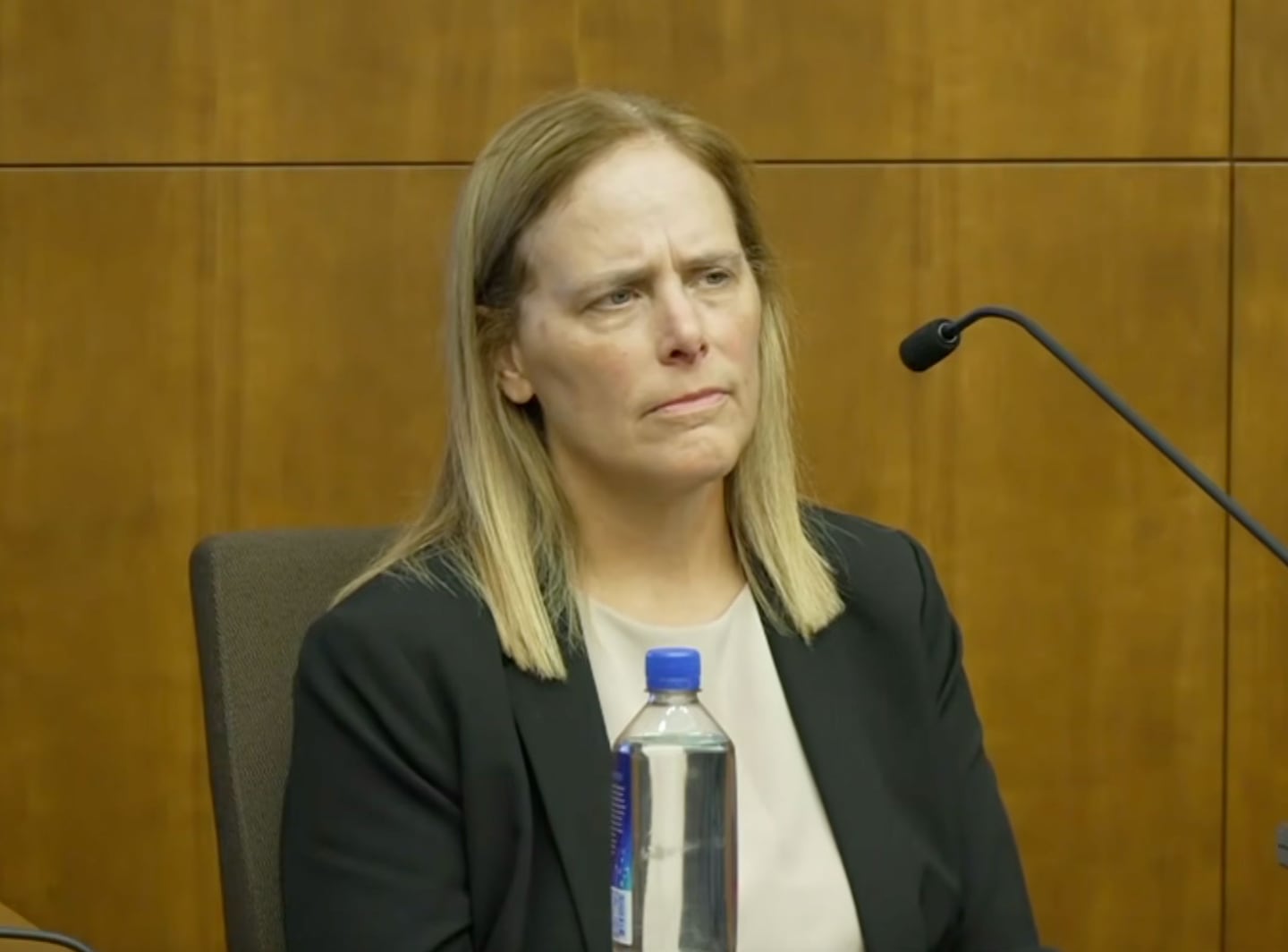 Julie Paul takes the stand on Monday, Aug. 10.Court TVNurse practitioner who treated Clancy discusses perinatal clinic — 3:06 p.m.
By Travis Andersen, Globe Staff
Julie Paul said she started the perinatal health clinic at South Shore Hospital.
The clinic launched in 2018, she said.
Paul said the clinic offered therapy services, as well as medication for psychiatric disorders.
Paul said she has worked with a number of patients dealing with postpartum issues.
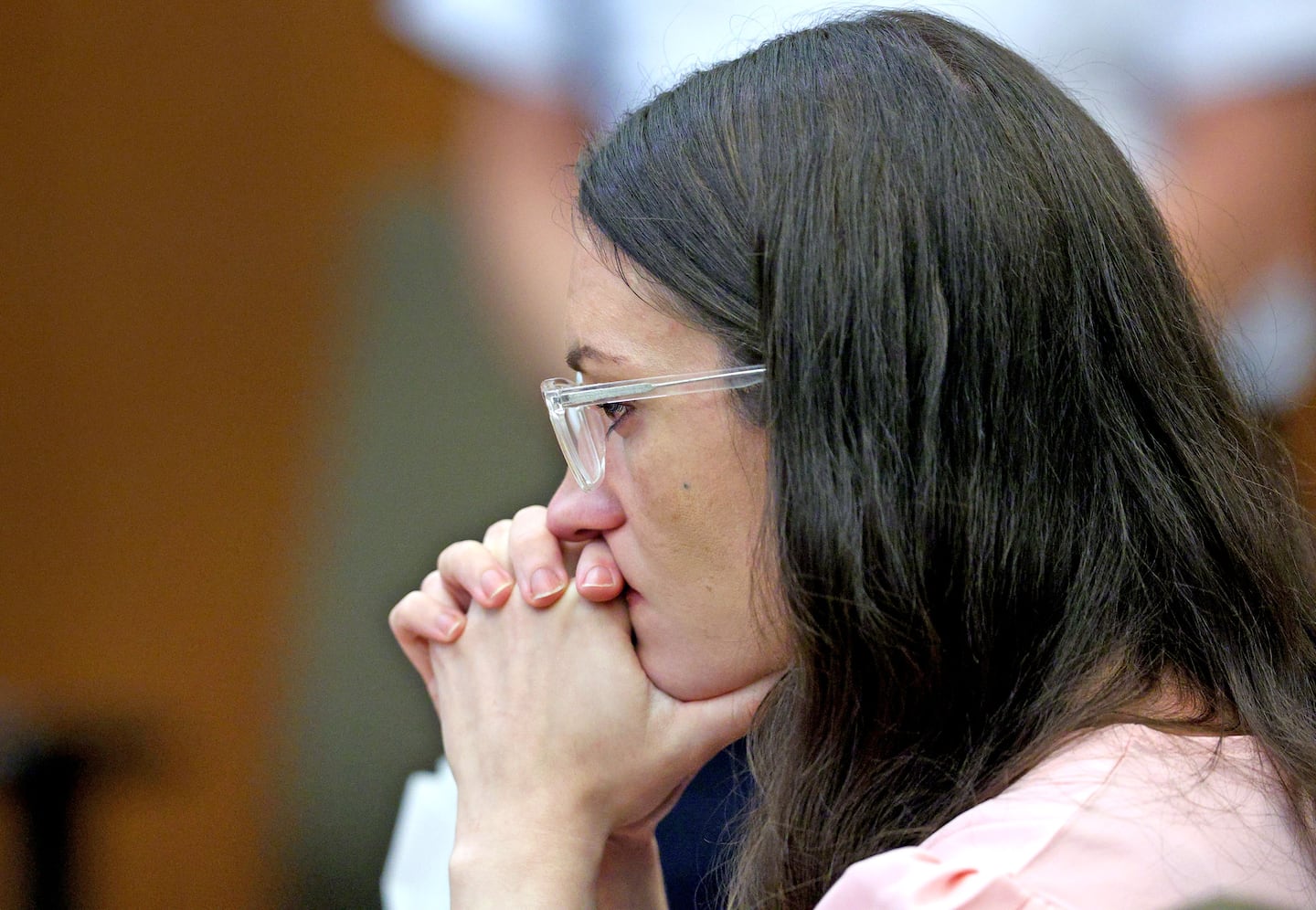 Defendant Lindsay Clancy listens to Dr. Jennifer Tufts on the witness stand during her murder trial at Plymouth Superior Court in Plymouth, Mass., Monday, Aug. 10, 2026. Greg Derr/Greg Derr/Pool The Patriot LedgeThe next witness is Julie Paul, a nurse practitioner who treated Clancy — 2:59 p.m.
By Travis Andersen, Globe Staff
Prosecutors next called Julie Paul, a psychiatric mental health nurse practitioner who also treated Clancy.
Paul ran through her training and professional background.
Clancy said THC gummy gave her heart palpitations — 2:57 p.m.
By Travis Andersen, Globe Staff
Dr. Jennifer Tufts said medical records showed Clancy took a single marijuana edible in mid-November, which gave her heart palpitations.
Tufts said additional records show Clancy had thyroid levels tested at Brigham and Women’s and South Shore hospitals on unspecified dates.
She said Clancy on Oct. 21, 2022, indicated she hadn’t slept the night before and that she was battling “severe anxiety.”
She said she meant to write in her records that Clancy’s speech was “not pressured.” The record said “not hyper, pressured speech,” Tufts said, “but your interpretation is incorrect.”
Tufts also noted that day that Clancy’s speech was appropriate, she said.
She later stepped down.
Psychiatrist said she never asked Clancy to sign HIPPA release — 2:50 p.m.
By Travis Andersen, Globe Staff
Dr. Jennifer Tufts told defense lawyer Kevin Reddington on recross that HIPPA laws bar providers from contacting a patient’s relatives unless they waive their privacy rights.
She said she never asked Clancy to sign a HIPPA release.
Tufts said Clancy “did not tell me she was smoking marijuana” or using gummies.
Clancy denied suicidal or homicidal thoughts during session the day before the killings, psychiatrist testifies — 2:47 p.m.
By Travis Andersen, Globe Staff
Dr. Jennifer Tufts said Clancy denied suicidal or homicidal thoughts during her appointment on Jan. 23, 2023.
On Jan. 16, she said, Clancy reported having to force herself to get out of bed. Tufts said she wasn’t aware Clancy had done a number of things in the days beforehand, including visit the Museum of Science with her children.
She said Clancy did not increase her dosage of Amitriptyline, an antidepressant, as directed.
Clancy did not appear manic, psychiatrist testifies — 2:39 p.m.
By Travis Andersen, Globe Staff
Dr. Jennifer Tufts said she would have moved to commit Clancy if she disclosed a plan to harm herself or her children.
Tufts said Clancy also showed no signs of mania during their appointments.
She said such signs include excessively fast or loud speech, hyperactivity, and racing and disjointed thoughts.
Tufts said she observed no such signs in Clancy.
“It was the opposite,” Tufts said.
Plan was to gradually reduce Clancy’s Ativan dosage, psychiatrist testifies — 2:34 p.m.
By Travis Andersen, Globe Staff
Dr. Jennifer Tufts said she prescribed hydroxyzine to Clancy as a possible alternative to the Benadryl she’d been taking.
Clancy reported in December 2022 that Ativan was helping her sleep but she knew it was not a long-term solution, Tufts said.
She said they planned to gradually reduce her Ativan dosage until “she was off of it.”Clancy also told her that she was exercising daily, Tufts said.
She said Clancy never told her that she was trying weed gummies.
Psychiatrist testifies that Clancy didn’t report suicidal thoughts until December 2022 — 2:31 p.m.
By Travis Andersen, Globe Staff
Dr. Jennifer Tufts said that Clancy filled out a form in September 2022 indicating that she had suffered postpartum anxiety after one birth, and that she also took Prozac and Wellbutrin in the past without experiencing side effects.
In October 2022, Clancy reported she couldn’t sleep, had diarrhea, increased depression, mental fog, and other issues, including paranoia that she may develop suicidal thoughts, Tufts said.
Tufts said a patient can have a fear of having suicidal thoughts without actually having them.Tufts said Clancy didn’t report having such thoughts until December 2022.
She said she viewed Clancy having her mother come to stay with her as a positive decision.
In addition, Tufts said, she wouldn’t normally ask a patient unprompted if they had called a suicide hotline.She said Clancy was told to take Ativan as needed.
Psychiatrist testifies that she advised Clancy to engage in therapy on weekly basis — 2:22 p.m.
By Travis Andersen, Globe Staff
Dr. Jennifer Tufts said listening is critically important when providing therapy to a patient.
She said she repeatedly recommended that Clancy engage in individual therapy on a weekly basis.
Tufts said Clancy only saw a therapist at Aster Mental Health twice.
Zoloft, Tufts said, is commonly prescribed to treat anxiety, and a suicide warning on the label is predominantly aimed at children and adults younger than 24.
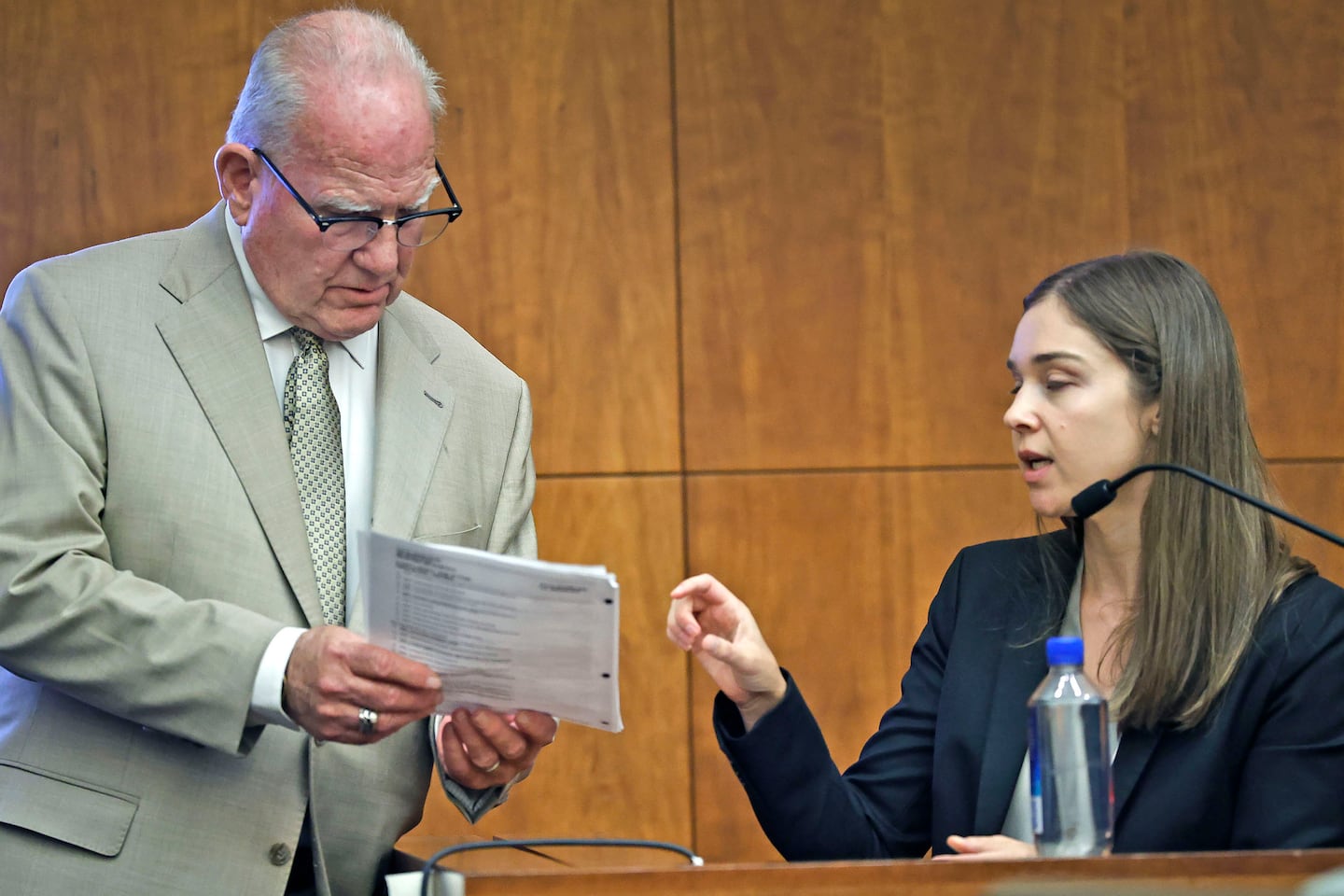 Defense attorney Kevin Reddington questions psychiatrist, Dr. Jennifer Tufts about her hand written notes during a session with Lindsay Clancy.Greg Derr/PoolPsychiatrist said she saw no signs of psychosis in Clancy — 2:18 p.m.
By Travis Andersen, Globe Staff
Dr. Jennifer Tufts said signs of psychosis can include excessively loud or disjointed speech and paranoid statements.
Under redirect questioning from the prosecution, she said she saw no signs of psychosis in any of her interactions with Clancy.
She said telehealth appointments are a common and accepted practice. All of her sessions with Clancy were remote.
Tufts said her company uses one particular screening tool for depression.
She said she can use the screening responses and her interaction with a patient to determine whether they’re in the postpartum stage.
Tufts said patient truthfulness is very important.
She said Clancy advocated for herself by scheduling her own appointments, voluntarily going to the emergency room, and sharing detailed information about her medications and responses to them.
Psychiatrist returns to stand after sharp questioning from Clancy’s defense lawyer — 2:16 p.m.
By Travis Andersen, Globe Staff
Dr. Jennifer Tufts returned to the stand just before 2:10 p.m. for redirect questioning from prosecutors.
She said she was a licensed doctor at the time of her four-year residency and treated patients during that period.
Tufts said she treated thousands of patients during her residency, including dozens with postpartum issues. Tufts said she’s not certain how rare postpartum psychosis is when asked to quantify it.
Clancy met with psychiatrist the day before the killings — 12:58 p.m.
By Travis Andersen, Globe Staff
Dr. Jennifter Tufts said Clancy denied suicidal and homicidal ideation on Jan. 16, 2023, and that she also expressed an interest in ketamine treatment.
She reported that her mood was low.
On Jan. 23, 2023, Tufts said, they met again. That was one day before the killings.
She reported that day that her heart was racing, Tufts said.
Judge Sullivan called a lunch recess shortly before 1 p.m. Testimony resumes at 2 p.m.
Clancy continued to report feeling numb, psychiatrist testifies — 12:53 p.m.
By Travis Andersen, Globe Staff
Dr. Jennifer Tufts said Clancy was also on Trazodone at the time and continued to report feeling numb.
She also reported continued difficulty sleeping, Tufts said, and her Trazodone dosage was increased.
Clancy had also around the same period been prescribed drugs that included diazepam and amitriptyline, Tufts said.
She said Clancy indicated on Jan. 16, 2023, that bonding with her infant “feels forced.”
Clancy ‘wasn’t doing well’ after her discharge from McLean Hospital, psychiatrist testifies — 12:46 p.m.
By Travis Andersen, Globe Staff
Dr. Jennifer Tufts said Patrick Clancy indicated in December 2022 that his wife was not “doing well,” and that he thought her issues could be linked to the Seroquel she was taking.
Tufts said another provider had prescribed Clancy Seroquel, an antipsychotic.
Tufts said Clancy had another appointment on Jan. 6, 2023, the day after her discharge from McLean Hospital.
“She wasn’t doing well,” Tufts said, adding that McLean staffers diagnosed Clancy with “major depression” and took her off Seroquel.
Clancy went to ER after having thoughts of suicide, psychiatrist testifies — 12:39 p.m.
By Travis Andersen, Globe Staff
Dr. Jennifer Tufts said Clancy indicated during their Dec. 16, 2022, appointment that she was having a difficult time, though “she was sleeping.”
Clancy also referenced a lack of motivation and said she’d gone to the emergency room for suicidal ideation, Tufts said, citing the treatment notes.
Tufts said she asked Clancy to elaborate on her suicidal thoughts, and Clancy replied that she felt hopeless.
“She was assessed in the emergency room and was not admitted,” Tufts said, adding that Clancy “did not require hospitalization” at the Dec. 16 appointment.
Tufts said she did not know that Clancy had told her husband about having thoughts of harming the children.
Clancy also indicated that she was depressed.
“She said she was having a really tough time,” Tufts said.
She said Clancy’s affect was also flat.
Tufts said Clancy’s treatment goals included symptom reduction and improved functioning.
In early December, Clancy’s moderate symptoms were ‘maybe heading toward severe,’ psychiatrist testifies — 12:30 p.m.
By Travis Andersen, Globe Staff
Dr. Jennifer Tufts said a hypomanic episode for someone with bipolar can last four days, while mania can last for seven days.
In early December, Clancy presented with “moderate” symptoms “maybe heading toward severe,” Tufts said.
Clancy denied suicidal ideation on Dec. 1, 2022, but voiced worry that she was “close to” having suicidal thoughts, Tufts said. “She described it further as using the word ‘hopeless.’”
Clancy did not have bipolar disorder, psychiatrist testifies — 12:27 p.m.
By Travis Andersen, Globe Staff
Dr. Jennifer Tufts said she also told Clancy about Seroquel, an antipsychotic, and they discussed the possibility of an undiagnosed bipolar disorder.
Tufts said “no” when Reddington asked if Clancy suffered from bipolar.
She said she also discussed a separate mood-stabilizing drug with Clancy during that appointment.
She said she recommended that Clancy try a partial hospitalization program in Brookline, but she ultimately went to the Women & Infants program in Rhode Island “for one day.”
Clancy in early December 2022 said she had the ‘feeling that I am going to die,’ psychiatrist testifies — 12:22 p.m.
By Travis Andersen, Globe Staff
Dr. Jennifer Tufts said that on Dec. 1, 2022, Clancy indicated she was being treated at South Shore and continued to have difficulty sleeping.
Another provider had prescribed Clancy Trazodone, Tufts said.
She said Clancy also mentioned depression and “intrusive thoughts,” including the “feeling that I am going to die.”
Clancy also said she was numb, and that she was “close to” suicidal ideation, based on the notes, she said.
“I told her that this was something that we could address,” Tufts said, adding that she mentioned “partial hospitalization” options for treatment.
Psychiatrist asked about meeting with Clancy in early November 2022 — 12:17 p.m.
By Travis Andersen, Globe Staff
Dr. Jennifer Tufts said that on Nov. 2, 2022, she continued diagnosing Clancy with generalized anxiety disorder and a depressed mood.
She said she also noted Clancy’s psychological condition was improving and referenced a plan to taper off the Ativan.
Tufts also suggested four additional drugs as options for Clancy to try on that date, she said.
During their next appointment on Nov. 22, 2022, Clancy again denied suicidal ideation, Tufts said, referring to her treatment notes.
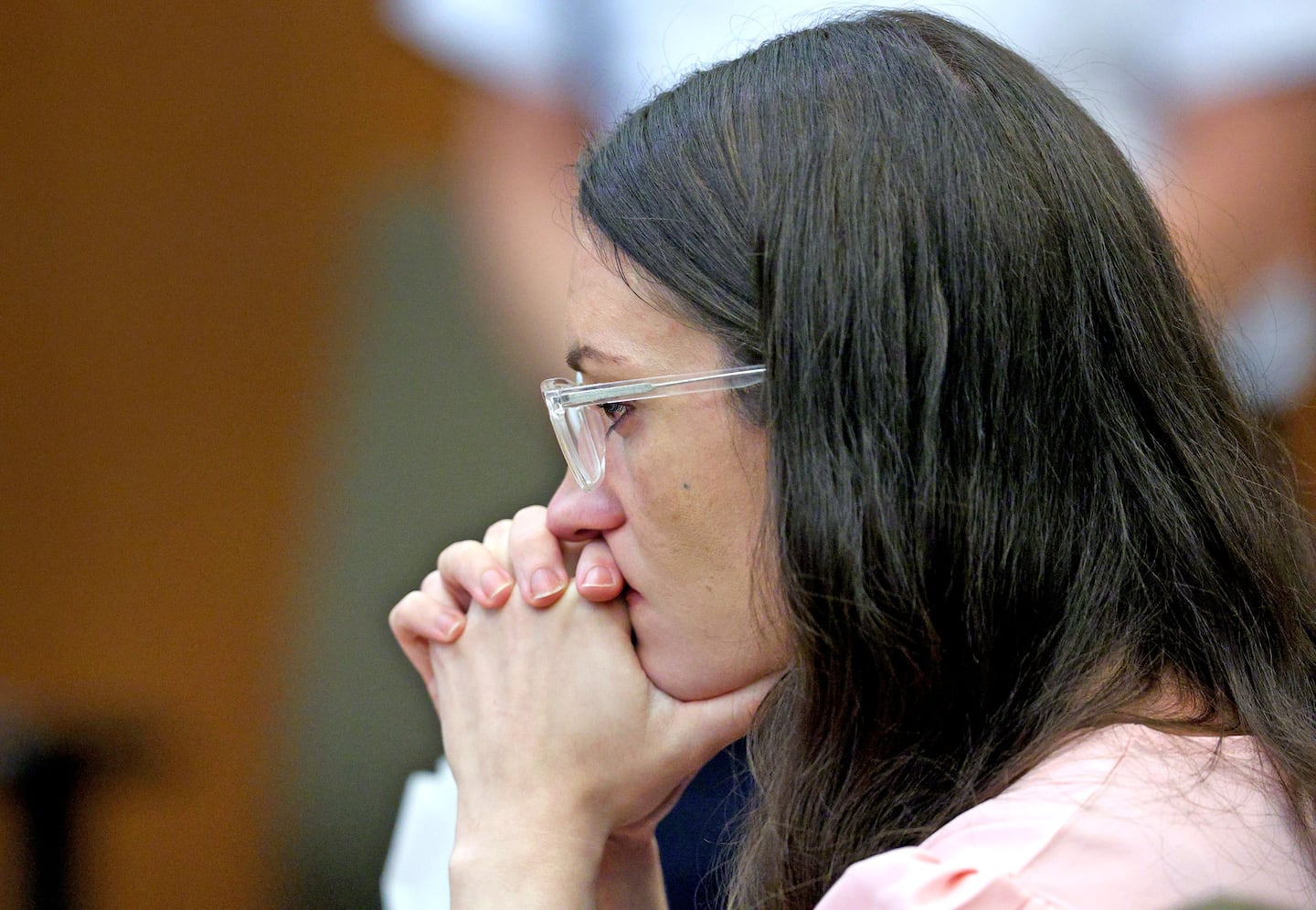 Lindsay Clancy listened to Dr. Jennifer Tufts on the witness stand.Greg Derr/PoolPsychiatrist questioned about thyroid issues — 12:15 p.m.
By Travis Andersen, Globe Staff
Dr. Jennifer Tufts said she’s published “a small thing” on postpartum issues, adding that the writing is “not a full article.”
She said she hadn’t read medical articles Reddington cited linking thyroid issues with postpartum conditions.
Tufts said she would advise patients to discuss elevated thyroid levels with a primary care provider or a specialist.
Psychiatrist asked about testing for drug responses, says it ‘would not have made a difference’ — 12:10 p.m.
By Travis Andersen, Globe Staff
Clancy’s lawyer, Kevin Reddington, repeatedly asked Dr. Jennifer Tufts about testing to determine how psychiatric medications are being broken down in the blood.
Such testing is “very new,” Tufts said.
She said she did not conduct such testing on Clancy.“It would not have made a difference … in her treatment,” Tufts said.
What’s the difference between suicidal ideation and suicidal thoughts? — 12:09 p.m.
By Jason Laughlin, Globe Staff
Much has been made during the Clancy trial of the defendant reporting suicidal ideation, and how her clinicians responded.
The Columbia Suicide Severity Rating Scale places suicidal thinking on a spectrum, ranging from low to high risk. Low risk, which is considered suicidal ideation, involves a person wishing they were dead or contemplating self-harm. More alarming are suicidal thoughts that are accompanied by specific plans to carry out the act, or prior suicide attempts.
Recognizing the severity of a person’s suicide risk is complicated, and practitioners should consider when these thoughts began, how frequently a patient is having them, their intensity, what triggers them, and how much control a person has over these thoughts, according to a study of suicidal ideation published by the online medical journal StatPearls in 2024. Some people may also attempt suicide without any prior ideation.
Psychiatric records in Massachusetts are subject to a higher standard of confidentiality than other medical records — 12:07 p.m.
By Sarah Rahal, Globe Staff
A key portion of testimony centered on what Dr. Jennifer Tufts knew — and didn’t know — about Lindsay Clancy’s treatment with other providers including at South Shore Hospital and Women & Infants Hospital in Rhode Island.
Tufts, one of the first psychiatrists to treat Clancy, testified that she did not have access to Clancy’s outside medical records, nor did she seek them.
In Massachusetts, information obtained by mental health providers “is subject to a higher standard of confidentiality than is other types of health information,” according to state guidance. While routine medical information may be accessible to providers through shared electronic health record systems, such as Epic, psychiatric information has additional restrictions. Under state law, psychotherapy notes, genetic testing, and HIV testing must be requested specifically and separately.
Clancy could have authorized the release of those records, but Tufts said she didn’t believe she needed them.
“I did not feel like it was necessary because she provided all the relevant information of her treatment” Tufts told Clancy’s defense attorney Kevin Reddington.
Tufts said she trusted Clancy’s medical account because she was remarkably specific.
“It felt very accurate when she was able to recall the names of the medicine, doses of the medicine, specific dates,” she said. “She provided incredibly detailed information. It showed me she was capable.”
Between September 2022 and January 2023, Tufts prescribed Clancy 12 of the 30 total medications she received.
Psychiatrist asked about suicide assessment — 12:04 p.m.
By Travis Andersen, Globe Staff
Dr. Jennifer Tufts said she wasn’t sure based on the medical records whether a therapist in her office conducted a suicidal assessment of Clancy on Oct. 31, 2022.
“It looks like it was asked in other ways,” Tufts said of the assessment.
In October, Clancy said she was in distress and did not want to be alone, psychiatrist testifies — 11:58 a.m.
By Travis Andersen, Globe Staff
Dr. Jennifer Tufts said that on Oct. 20, 2022, Clancy indicated she was in mental distress and did not want to be alone.
She said she never spoke with Clancy’s parents.
“It’s not typical when you have an adult who’s able to advocate for themselves that you speak with” their parents, Tufts said.
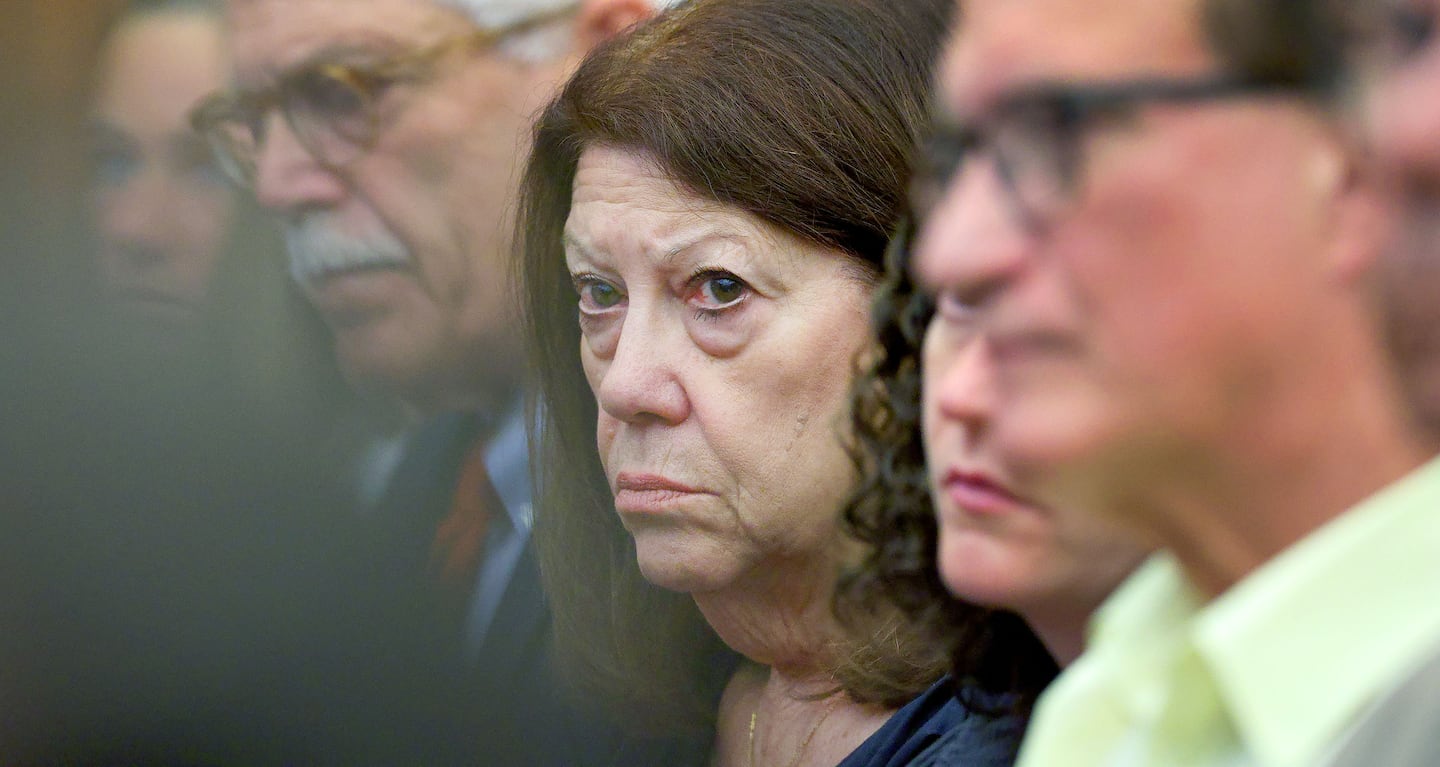 Defendant Lindsay Clancy’s mother Paula in court on Monday.Greg Derr/PoolPsychiatrist recommended natural remedies — 11:53 a.m.
By Travis Andersen, Globe Staff
Dr. Jennifer Tufts said she also recommended that Clancy try natural remedies such as fish oil, and she also looked into a separate medication for postpartum issues that’s infused through an IV under hospital supervision.
She said she advised Clancy to discuss the medication with providers at Women & Infants Hospital in Rhode Island.
Testimony resumes after morning break — 11:50 a.m.
By Travis Andersen, Globe Staff
Dr. Jennifer Tufts resumed her cross-examination around 11:45 a.m.
She said that on Oct. 20, 2022, Clancy reported a number of symptoms, including anxiety, lack of appetite, prolonged crying, mental fog, and trouble sleeping.
She said Clancy indicated “her mom was coming to provide support.”
She said she didn’t know how long Clancy’s mother ended up staying at her home.
Telehealth visits are comparable to in-person mental health care, studies show — 11:49 a.m.
By Anna Kuchment, Globe Staff
Lindsay Clancy’s defense attorney Kevin Reddington implied that Clancy’s telehealth visits with psychiatrist Dr. Jennifer Tufts may not have been as thorough as in-person visits. But research shows the two are comparable and that telehealth visits hold some advantages.
A 2023 study by Harvard University researchers published in the journal JAMA Health Forum found that patients who received care at practices that almost exclusively switched to telemedicine during the pandemic had more appointments with their providers than those receiving care at practices that largely used in-person visits.
The study examined the records of 120,050 Medicare beneficiaries with schizophrenia or bipolar disorders. It reported there were no changes in medication adherence, hospital and emergency department use, or mortality between the two groups.
Another smaller study published in the Journal of Psychiatric Research in 2021 compared a group of more than 1,000 patients who received in-person intensive psychological treatment before the pandemic with a similar group who received telehealth treatment during the pandemic.
Results suggested no significant differences between in-person and telehealth groups in depressive symptom reduction and significant increases in self-reported quality of life across both groups. But the authors added that future research was needed to replicate the findings.
Defense attorney raises more questions about whether doctors did due diligence — 11:41 a.m.
By Lea Skene, Globe Staff
In between her visits with psychiatrist Dr. Jennifer Tufts, Clancy sought treatment from South Shore Perinatal Behavioral Health Program. She told Tufts about the program during their appointment on Nov. 22, the doctor testified.
When asked what information she gleaned from the South Shore medical records, Tufts acknowledged she wasn’t able to review them.
“I did not have access to those records because we’re a completely separate clinic,” she said.
Reddington appeared exasperated. “Seriously?” he said. “She’s visiting with you as a patient, and you can’t access her medical records?”
Reddington continued his lengthy interrogation of Tufts, whose demeanor was composed and professional as she responded to his questions.
The defense is building an argument that Clancy’s medical providers failed her. On Friday, Reddington presented a similar line of questioning during cross-examination of a McLean Hospital psychiatrist, suggesting facility staff should have done more to diagnose and treat Clancy before she was discharged.
He asked why Tufts didn’t have Clancy sign a release form that would have allowed access to the records.
“I did not feel like it was necessary because she provided all the relevant information about her treatment there,” Tufts replied, adding that Clancy’s accounts “felt very accurate” because she was able to provide “incredibly detailed information” about names and dosages of different medications.
Telehealth has pros and cons, but its use for mental health care has exploded — 11:24 a.m.
By Jason Laughlin, Globe Staff
Defense attorney Kevin Reddington pressed Dr. Jennifer Tufts, Clancy’s psychiatrist, about how much she was able to evaluate Lindsay Clancy’s body language during their appointments, which were all virtual.
Just over a quarter of behavioral health appointments nationwide are held via telehealth, three times the rate of other specialties, according to a 2025 survey by Epic Research.
In a 2014 Boston Globe article evaluating the costs and benefits of telehealth for behavioral health care, Steven Hyler, an academic in Columbia University’s psychiatry department, acknowledged, “You can’t touch the patient, or smell the patient. You can’t hand the person a tissue through the screen.”
Yet telehealth has also expanded access to mental health care and made it more convenient. Among those who benefit are people who live in areas with few providers.
Telehealth use exploded during the pandemic. From the end of 2020 through August 2022, telehealth visits for mental health care were 10 times more frequent than before the pandemic, according to a 2023 study published in the Journal of the American Medical Association.
That study found that by August 2022, overall utilization of mental health services had increased by nearly 39 percent nationally.
Psychiatrist says she didn’t reach out for records from perinatal clinic — 11:07 a.m.
By Travis Andersen, Globe Staff
Dr. Jennifer Tufts said she didn’t think it was necessary to obtain Clancy’s medical records from South Shore, since she provided “incredibly detailed” information about her treatment and prescriptions.
Judge William Sullivan called a morning recess shortly before 11:10 a.m.
Clancy tells psychiatrist she was also receiving help from a perinatal clinic — 11:05 a.m.
By Travis Andersen, Globe Staff
Dr. Jennifer Tufts said Clancy indicated on Nov. 22, 2022, that she was seeing someone at the South Shore perinatal clinic.
Tufts said she told her around that time to begin tapering off Ativan.
She said she believes Clancy went to the ER for depression after that.
Tufts said she didn’t have access to Clancy’s records at South Shore.
Clancy didn’t want to take Buspirone, psychiatrist testifies — 11:01 a.m.
By Travis Andersen, Globe Staff
Dr. Jennifer Tufts said “it depends” whether brain fog can be a reaction to medication.
“It’s a symptom of depression as well,” Tufts said.
She said Clancy’s Ativan prescription went from 0.5 milligrams to 1 milligram at one point.
Clancy also indicated she “was afraid” to take the buspirone, Tufts said.
She said Clancy told her on Dec. 1, 2022 that she was concerned about potentially having suicidal thoughts.
Psychiatrist says she didn’t realize Clancy had called a suicide hotline — 11:00 a.m.
By Lea Skene, Globe Staff
Dr. Jennifer Tufts, a psychiatrist Clancy started seeing in September 2022, testified that Clancy mentioned suicidal thoughts at an appointment on Dec. 1, 2022.
“She denied feeling suicidal” but said that “she was close to feeling suicidal,” Tufts said, responding to intense questioning from defense attorney Kevin Reddington as her cross-examination stretched toward its second hour.
Clancy was fearful she could become suicidal, Tufts said.
Reddington questioned whether Tufts inquired more about Clancy’s concerns.
Tufts said she would typically ask a patient how often they were having such concerns, but in this case she didn’t have documentation of her exchange with Clancy.
Psychiatrist says she didn’t realize Clancy had called a suicide hotline
Dr. Jennifer Tufts, a psychiatrist Clancy started seeing in September 2022, testified that Clancy mentioned suicidal thoughts at an appointment on Dec. 1, 2022.
“Would you agree with me that many times patients, especially psychiatric patients, may minimize new symptomology?” Reddington said.
He asked if the doctor was aware that Clancy had called a suicide hotline twice around this time. Tufts said she wasn’t aware of that.
“It surprises me that she called them twice,” she said, acknowledging that she likely didn’t ask Clancy specifically whether she had called a suicide hotline.
Reddington’s demeanor briefly softened then during the otherwise tense questioning.
“You’re a doctor and you’re trying to do the right thing,” he said. “This is just horrible.”
Clancy told psychiatrist she was experiencing brain fog — 10:55 a.m.
By Travis Andersen, Globe Staff
Dr. Jennifer Tufts said she also prescribed hydroxyzine, an antihistamine used to treat short-term anxiety, to Clancy in October 2022.
Tufts said she did not advise Clancy to keep a journal documenting side effects to the medication.
Clancy also said at one point that she was experiencing brain fog, Tufts said.
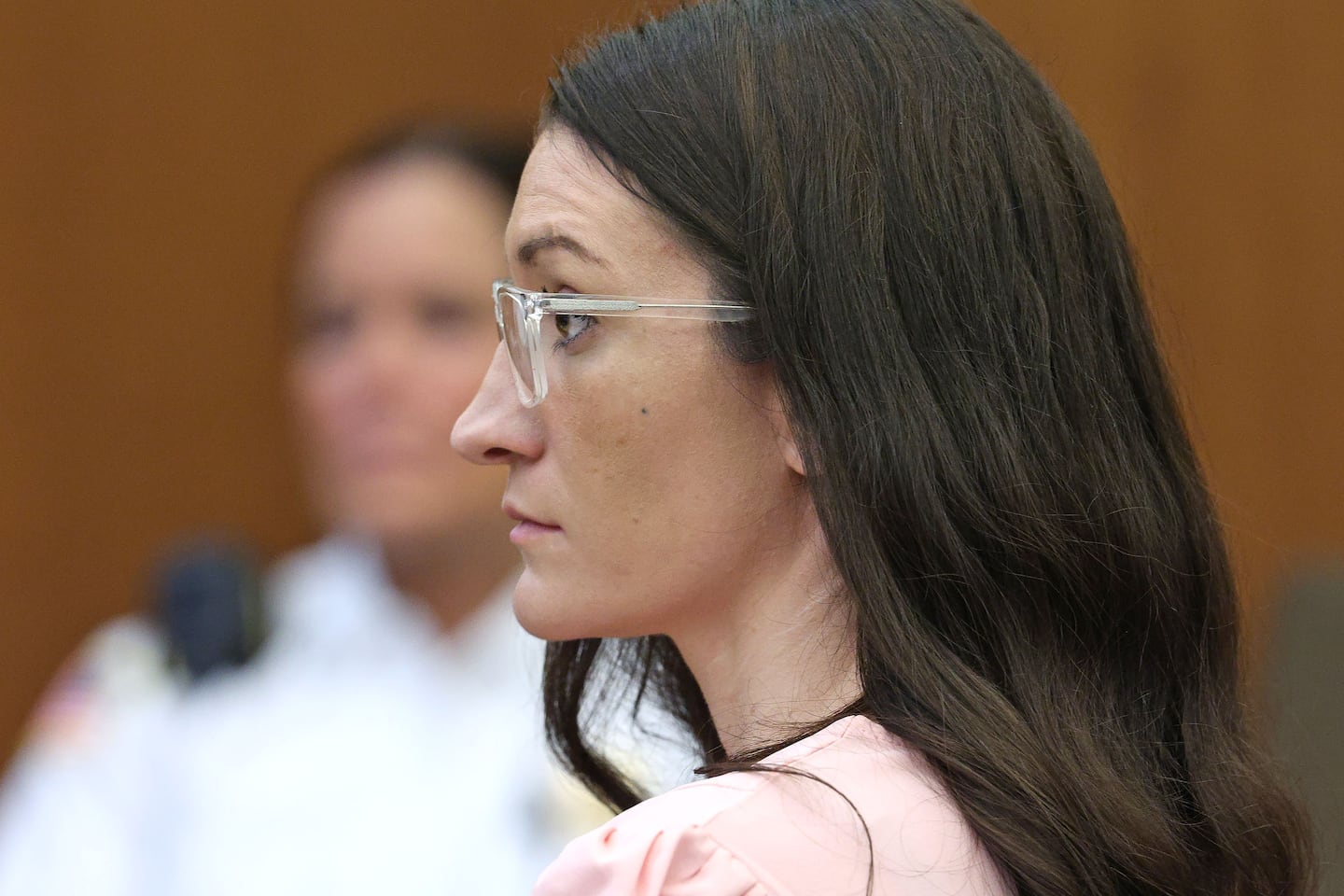 Defendant Lindsay Clancy listens to Dr. Jennifer Tufts on the witness stand.Greg Derr/PoolPsychiatrist said she prescribed Clancy Ativan and Buspirone — 10:50 a.m.
By Travis Andersen, Globe Staff
Dr. Jennifer Tufts said she also prescribed Ativan and Buspirone to Clancy in the fall of 2022. Both are used to treat anxiety disorders.
Buspirone’s side effects include fatigue, dizziness, and nausea, Tufts said.
She said Clancy also reported that she was taking Benadryl, an over-the-counter medication.
She said she didn’t recall if she discussed any potential issues with taking Ativan and Benadryl in tandem with Clancy.
Tufts said Clancy on Oct. 26, 2022 denied having suicidal thoughts.
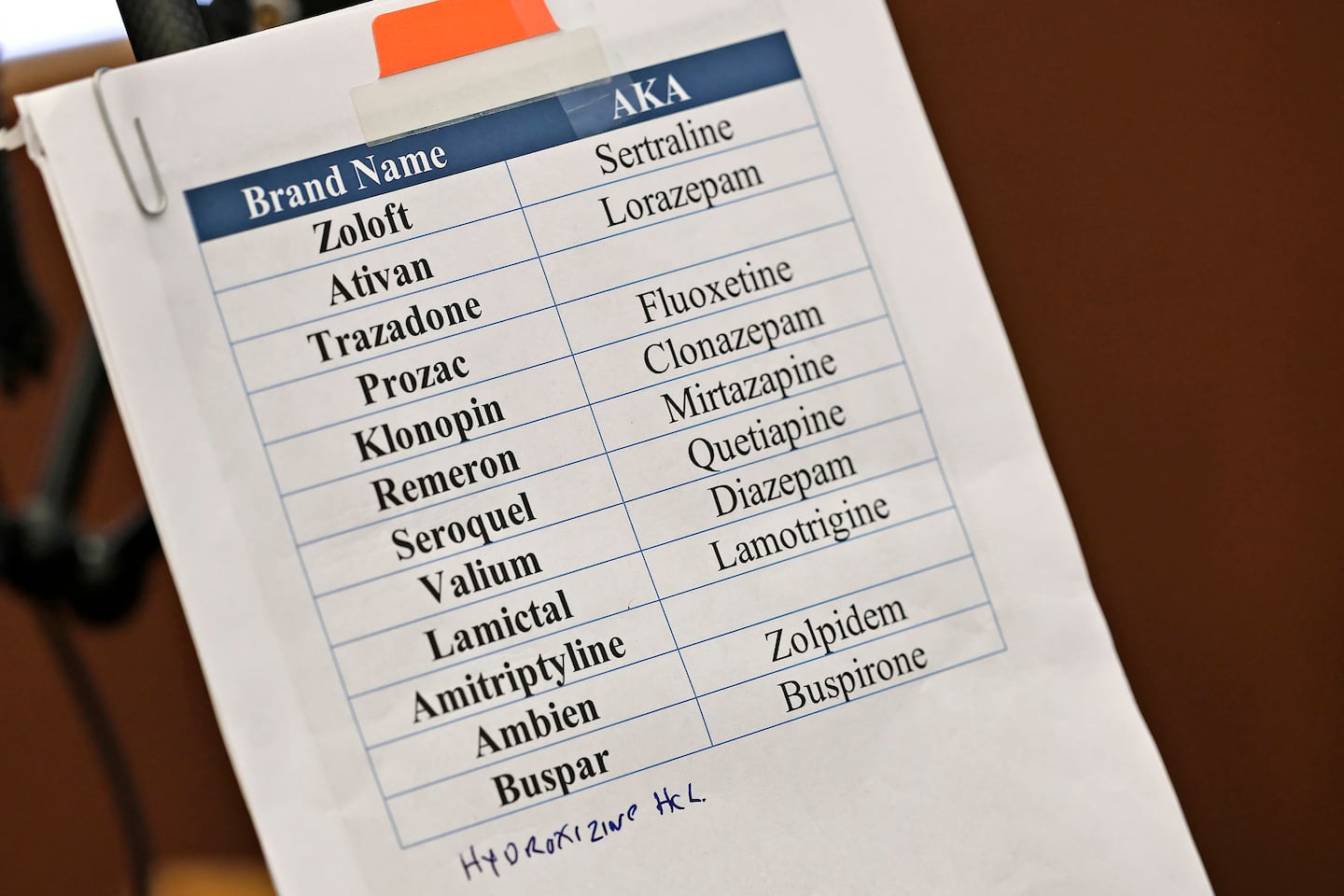 A list of medications that attorney Kevin Reddington posted next to his lectern. Greg Derr/PoolClancy feared being close to suicidal thoughts, psychiatrist testifies — 10:44 a.m.
By Travis Andersen, Globe Staff
Dr. Jennifer Tufts said she wasn’t sure how frequently Clancy was experiencing thoughts that made her afraid she would become suicidal.
“She felt close to it, close to having those thoughts,” Tufts said.
She said patients sometimes minimize their symptoms.
“I gave her supportive psychotherapy,” Tufts said.
Tufts said she provided Clancy with emotional support and “validation.”
She said she doesn’t recall the exact therapeutic terms she used to comfort Clancy.
Tufts said she didn’t know Clancy twice called a suicide hotline.
“It surprises me that she called them twice,” Tufts said.
Clancy in December 2022 said she was ‘close’ to feeling suicidal, psychiatrist testifies — 10:37 a.m.
By Travis Andersen, Globe Staff
Dr. Jennifer Tufts said Clancy had previously experienced side effects on Zoloft.
“I did not feel that it was necessary to document the specific side effects” that Clancy had experienced while on Zoloft after Dawson’s birth, she said.
She said Clancy indicated in the fall of 2022 that she was feeling overwhelmed.
On Dec. 1, 2022, Clancy said she was “close” to feeling suicidal but denied suicidal thoughts, Tufts said.
Psychiatrist discusses Clancy’s anxiety after birth of second child — 10:31 a.m.
By Travis Andersen, Globe Staff
Dr. Jennifer Tufts said Clancy on Oct. 26, 2022, told her she was considering a new medication.
Tufts said trouble sleeping can be a temporary side effect for some people on Zoloft.
Tufts said she knew Clancy had experienced anxiety after the birth of Dawson, her second child. Dawson was 3 when he died.
She said Clancy had taken Zoloft for about a week after Dawson’s birth and experienced certain side effects.
“Based on her description, they did not sound severe,” she said.
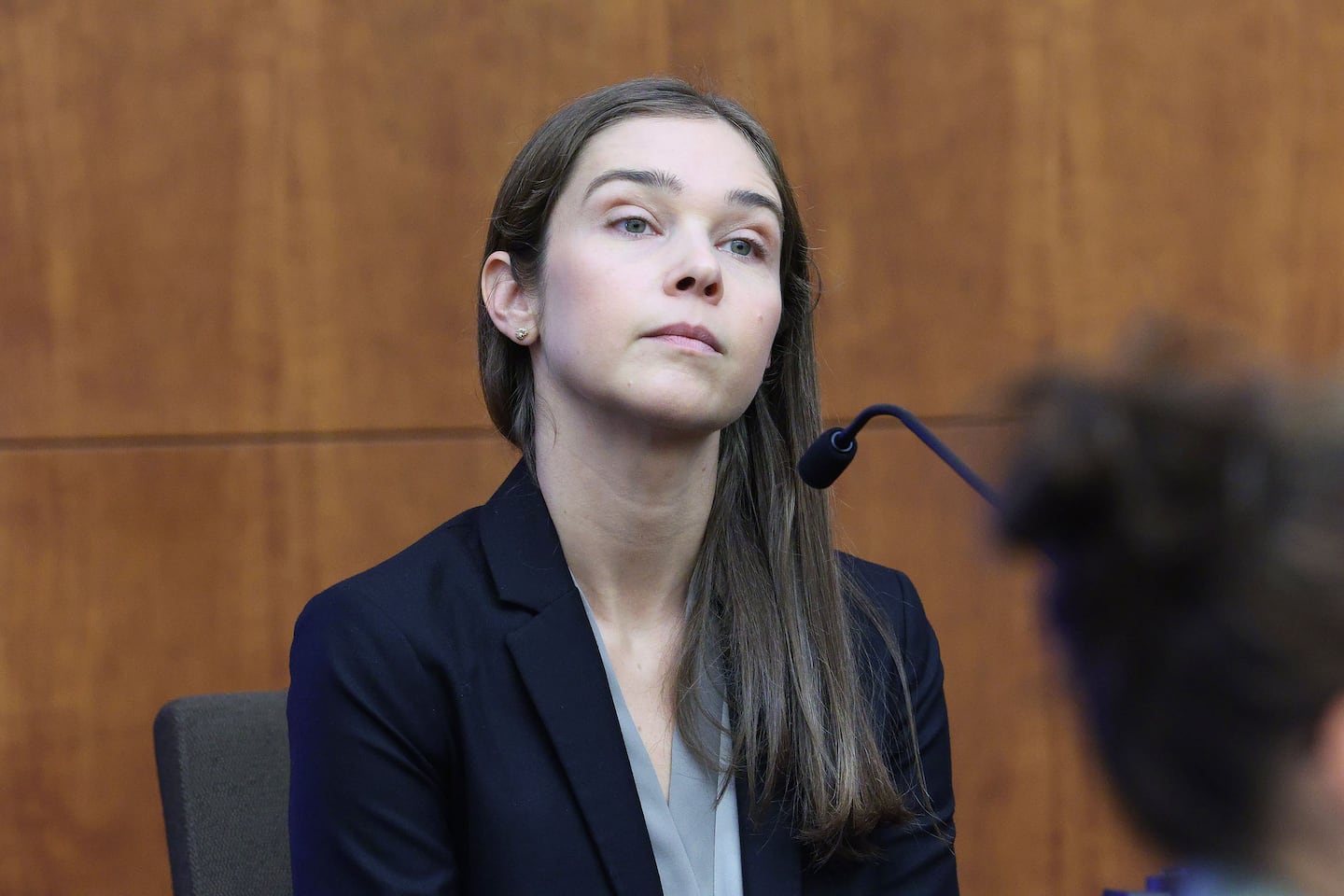 Psychiatrist Dr. Jennifer Tufts on the witness stand.Greg Derr/PoolZoloft among most common treatments in US for depression, OCD, and anxiety — 10:28 a.m.
By Jason Laughlin, Globe Staff
Lindsay Clancy’s defense attorney has raised questions about the side effects of Zoloft, the medication initially prescribed for Lindsay Clancy by psychiatrist Jennifer Tufts.
The attorney, Kevin Reddington, has raised concerns about one of Zoloft’s side effects, insomnia, for a woman who was already having trouble sleeping.
Zoloft, a brand name for sertraline, is prescribed to more than 30 million people a year in the United States as one of the most common treatments for depression, obsessive-compulsive disorder, panic disorder, premenstrual dysphoric disorder, posttraumatic stress disorder, and social anxiety disorder, according to the Mayo Clinic.
Tufts diagnosed Clancy with generalized anxiety disorder and adjustment disorder with depressed mood.
Its most common side effects include, nausea, loss of appetite, diarrhea or indigestion, increased sweating, tremor or shaking, agitation, change in sleep habits, including increased sleepiness or insomnia, sexual problems and decreased libido, and anxiety, according to Pfizer, Zoloft’s manufacturer.
Defense questions why psychiatrist prescribed Clancy Zoloft in months before the children’s deaths — 10:23 a.m.
By Lea Skene, Globe Staff
Defense lawyer Kevin Reddington intensely scrutinized why Clancy was prescribed the antidepressant Zoloft after seeing Dr. Jennifer Tufts beginning in September 2022.
“Did you tell her that one of the known side effects is suicidal thoughts?” he asked.
Tufts said the concern mostly applies to children, so she probably didn’t mention it. She said Zoloft is widely considered an effective treatment for “various forms of anxiety disorders as well as depression.”
“Did you tell her that Zoloft has a side effect of giving patients … trouble sleeping?” Reddington asked, suggesting the drug exacerbated the psychological problems Clancy was already experiencing when she sought treatment.
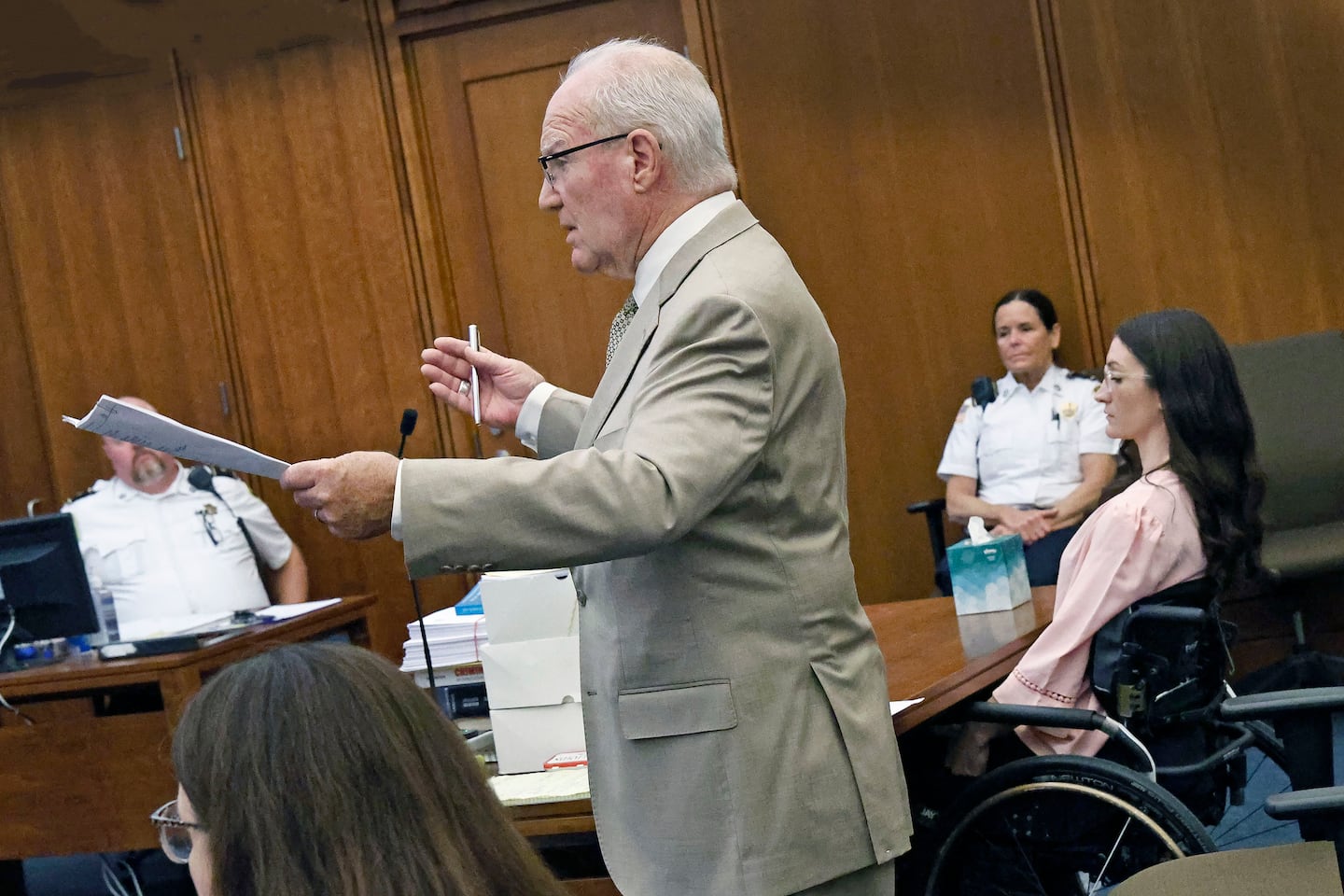 Defense attorney Kevin Reddington cross examines Dr. Jennifer Tufts who treated Lindsay Clancy.
The Lindsay Clancy trial in Plymouth Superior Court, Clancy is charged with murdering her three young children in 2023. The defense is claiming she was suffering from post partum sycosis at the time and is not responsible. Monday, August 10, 2026
Greg Derr/Pool
Defense attorney Kevin Reddington cross examines Dr. Jennifer Tufts who treated Lindsay Clancy.
The Lindsay Clancy trial in Plymouth Superior Court, Clancy is charged with murdering her three young children in 2023. The defense is claiming she was suffering from post partum sycosis at the time and is not responsible. Monday, August 10, 2026
Greg Derr/Pool
“Individuals have very varied responses to medications,” Tufts replied.
“Some have no side effects. Some have one or two. It’s impossible to predict that.”
They discussed how Clancy didn’t immediately take the Zoloft, even after obtaining the prescription, because she was worried about potential side effects. Insomnia was one of Clancy’s main concerns when she initially started seeing the psychiatrist.
“She eventually did want to take the pills because she wanted to feel better,” Tufts said.
She later advised Clancy to stop taking the Zoloft after she reported having more trouble sleeping, according to her testimony.
Clancy waited to increase Zoloft dosage because she was worried about side effects, psychiatrist testifies — 10:22 a.m.
By Travis Andersen, Globe Staff
Dr. Jennifer Tufts said Clancy was instructed to increase the Zoloft from 25 milligrams to 50 milligrams after a week, but that Clancy waited a month.
She said Clancy was apprehensive about side effects.
“She told me in her Oct. 20 visit that she had taken it one week prior,” Tufts said, adding that Clancy reported “she felt awful.”
Tufts said she told Clancy to stop the medication.
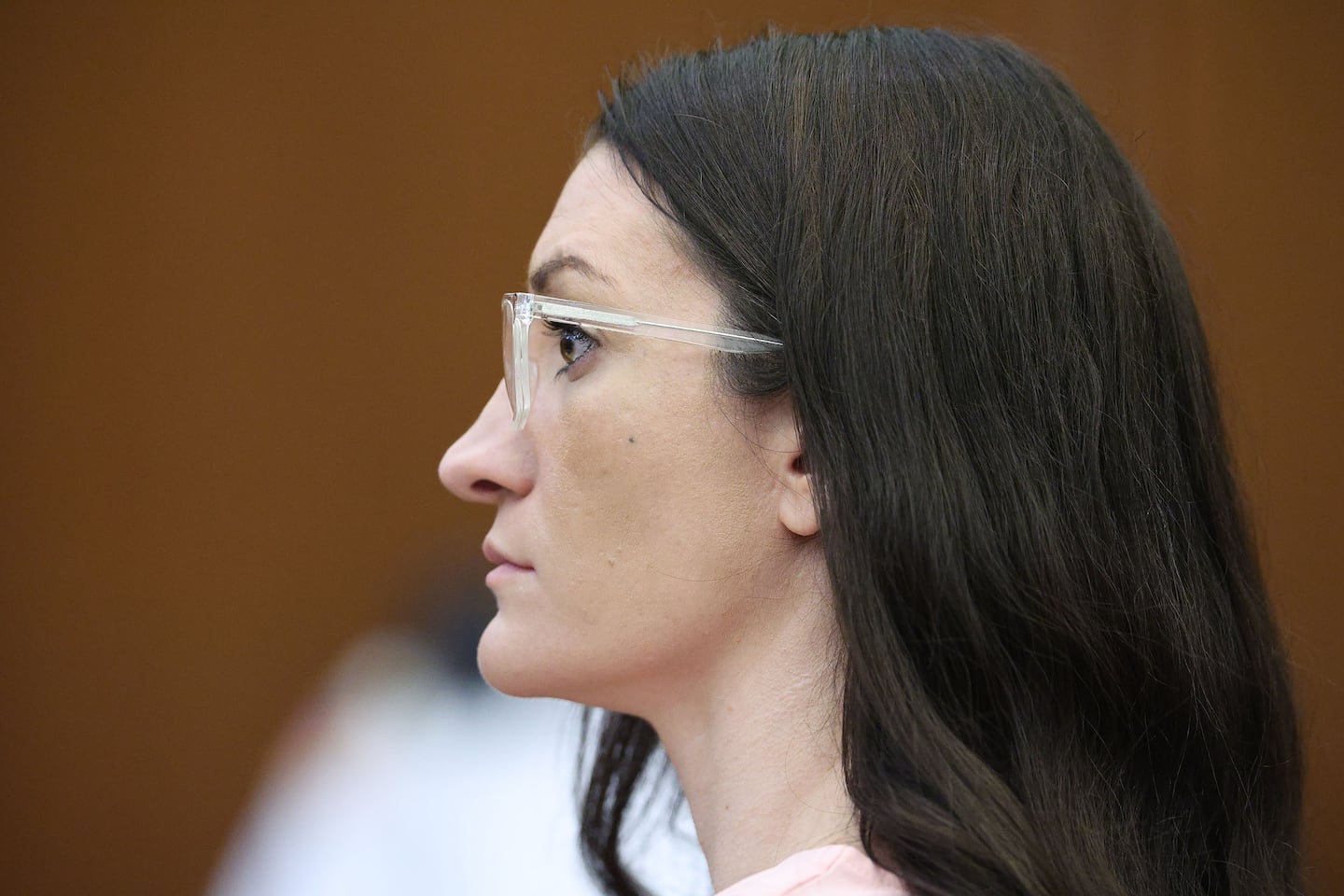 Defendant Lindsay Clancy listens to Dr. Jennifer Tufts on the witness stand.Greg Derr/PoolZoloft is accepted ‘first line’ treatment for anxiety, psychiatrist says — 10:17 a.m.
By Travis Andersen, Globe Staff
Dr. Jennifer Tufts said insomnia is listed as a side effect of Zoloft, and that Clancy had told her about her trouble sleeping.
“Individuals have very varied responses to medication,” Tufts said when asked why she prescribed Zoloft to Clancy.
She said Zoloft is a generally accepted “first line” of medication for people suffering from anxiety.
Judge allows Clancy defense to add three doctors to witness list — 10:14 a.m.
By John R. Ellement, Globe Staff
Judge William F. Sullivan will allow the defense to call two doctors who can describe the injuries Lindsay Clancy suffered when she jumped from a second-story window in a failed attempt to end her life, but he said he will first listen to their testimony before deciding how much the jury should hear. Defense attorney Kevin J. Reddington will also be allowed to call a third doctor.
In a three-page ruling, the judge said Clancy defense attorney Kevin J. Reddington’s move to add the doctors to his witness list while the trial is underway is not an attempt to ambush prosecutors from Plymouth District Attorney Timothy J. Cruz’s office.
“The court finds no bad faith on the part of the defendant in the late addition of these witnesses,” Sullivan wrote. “The court finds that the testimony is material to the issues in this case. The court has instituted lesser sanctions by possibly limiting some of the offered opinions.”
According to Sullivan, Reddington intends to call: Dr. Elizabeth Laposata, who will discuss the “wounds and injuries” sustained by Clancy, among other issues. Reddington also wants her to describe the absence of “abusive injuries” caused prior to the deaths of Cora, Dawson, and Callan.
Dr. Michael Vulfovich will also review injuries sustained by Clancy, and the impact on her “cervical and thoracic spine.”
A third person, Dr. Donald Condie, was also approved. Sullivan did not summarize his testimony.
Psychiatrist said she discussed side effects of Zoloft with Clancy — 10:12 a.m.
By Travis Andersen, Globe Staff
Dr. Jennifer Tufts said she went over the side effects of Zoloft with Clancy.
She said she didn’t think she mentioned suicidal thoughts, because that’s predominantly for children.
Tufts said a black box warning on Zoloft advises that it can cause suicidal or homicidal thoughts for young people and young adults, typically capping at around age 24.
She said she didn’t think there’s “evidence at all” that Zoloft can cause such thoughts in older adults. Clancy is about to turn 36.
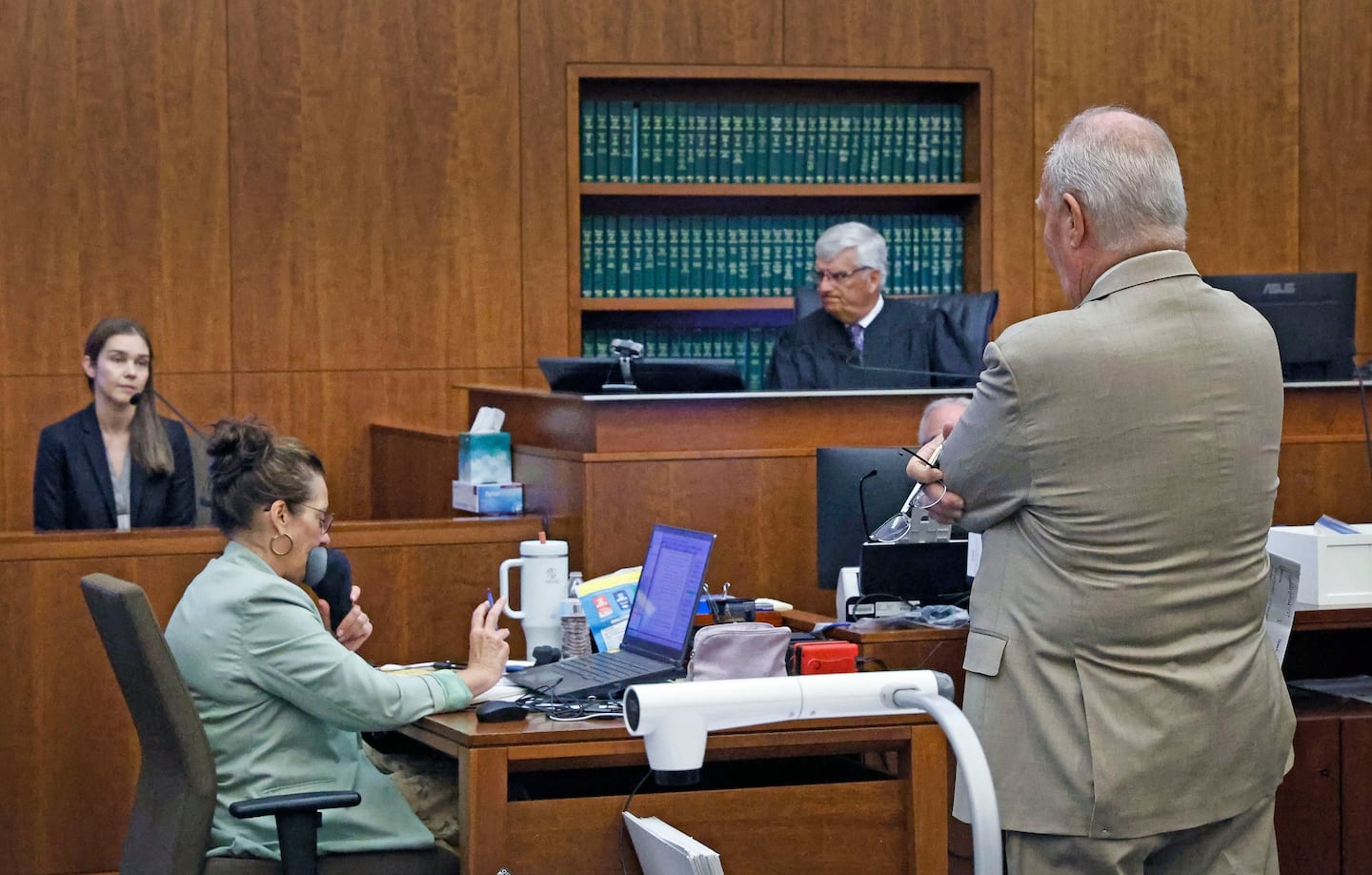 Defense attorney Kevin Reddington cross examines Dr. Jennifer Tufts who treated Lindsay Clancy during Clancy’s murder trial at Plymouth Superior Court in Plymouth, Mass., Monday, Aug. 10, 2026.Greg Derr/Greg Derr/Pool The Patriot LedgePsychiatrist says she prescribed Clancy Zoloft in September 2022 — 10:08 a.m.
By Travis Andersen, Globe Staff
Dr. Jennifer Tufts said she prescribed Zoloft to Clancy in September 2022.
She said “it is a very effective medication for generalized anxiety disorder,” which she’d diagnosed Clancy with.
She said she was not concerned with Clancy’s alcohol consumption, which was “overall minimal.”
Clancy did not report ‘any past psychiatric history,’ doctor testifies — 10:04 a.m.
By Travis Andersen, Globe Staff
Dr. Jennifer Tufts said Clancy “said she was anxious and she appeared anxious” during their sessions.
Tufts said Clancy “did not report any past psychiatric history” except for the Prozac prescription she obtained in nursing school.
Asked how she gives a patient hope, Tufts said she tries to encourage them.
She said she works to provide “emotional support and validation.”
Tufts said women can experience postpartum issues within one year of giving birth.
Psychiatrist says she listened to Clancy’s concerns, tried to give her hope that things would improve — 9:58 a.m.
By Travis Andersen, Globe Staff
Dr. Jennifer Tufts said Clancy’s telehealth sessions generally lasted 25 to 30 minutes.
“I listened to her, I listened to her concerns,” Tufts said, adding that she tried to give Clancy “hope” that her situation would improve.
Clancy also said she was anxious, Tufts said.
Clancy was ‘a little bit worse’ at some appointments, psychiatrist testifies — 9:55 a.m.
By Travis Andersen, Globe Staff
Dr. Jennifer Tufts told Kevin Reddington that Clancy “absolutely” could advocate for herself during their appointments.
She said Clancy was “a little bit worse at certain appointments,” and that at one point she noted that Clancy’s condition was “deteriorating,” one of three descriptions she could select in that section of her notes.
Clancy reported ‘postpartum anxiety,’ psychiatrist testifies — 9:52 a.m.
By Travis Andersen, Globe Staff
Dr. Jennifer Tufts told Kevin Reddington that Clancy reported having “postpartum anxiety.”
Tufts said she did not administer a postpartum screening test that Reddington asked about; she said she used a separate depression screening tool.
She told Reddington she wasn’t aware that the postpartum screening test had been administered to her and showed severe depression.
Defense attorney aggressively questions psychiatrist’s experience level — 9:49 a.m.
By Lea Skene, Globe Staff
As cross-examination began, defense attorney Kevin Reddington immediately sought to raise questions about the experience and competency of Dr. Jennifer Tufts, the psychiatrist with Aster Mental Health who Clancy began seeing in September 2022.
Tufts started working at the practice the month prior, in August 2022, according to her testimony.
“So you were practicing as a psychiatrist for a little more than a month?” Reddington asked.
Tufts said she “was practicing independently with my full credentials for about a month,” but the training she received before that was “immense.”
Reddington asked how many postpartum women Tufts had treated during her time with Aster.
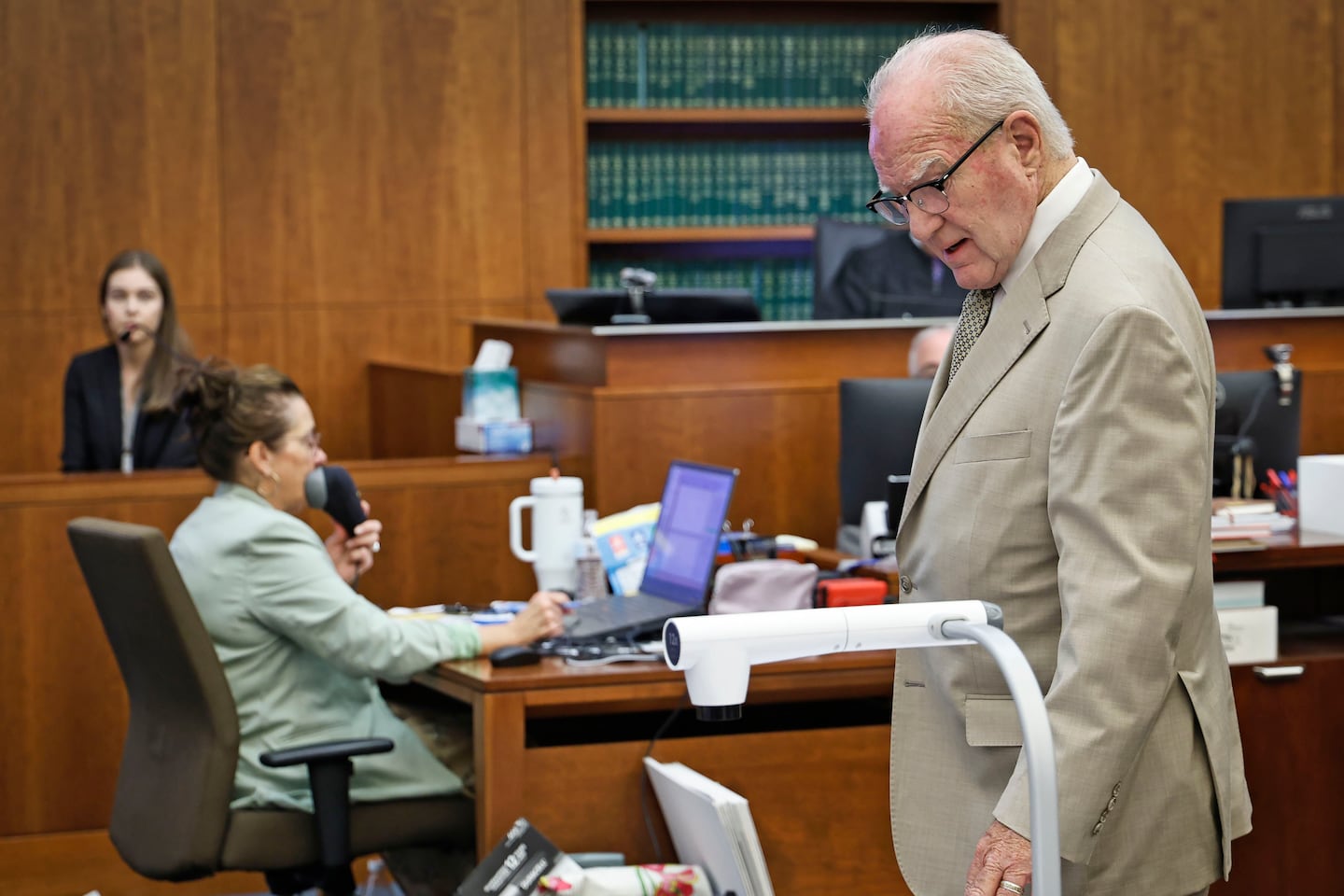 Defense attorney Kevin Reddington cross examines Dr. Jennifer Tufts who treated Lindsay Clancy.
The Lindsay Clancy trial in Plymouth Superior Court, Clancy is charged with murdering her three young children in 2023. The defense is claiming she was suffering from post partum sycosis at the time and is not responsible. Monday, August 10, 2026
Greg Derr/Pool
Defense attorney Kevin Reddington cross examines Dr. Jennifer Tufts who treated Lindsay Clancy.
The Lindsay Clancy trial in Plymouth Superior Court, Clancy is charged with murdering her three young children in 2023. The defense is claiming she was suffering from post partum sycosis at the time and is not responsible. Monday, August 10, 2026
Greg Derr/Pool
“Maybe a couple,” Tufts responded. She treated many more during her residency at Boston Medical Center, she testified.
Citing her online biography, Reddington raised questions about whether Tufts had advertised a specific expertise in postpartum psychiatric conditions.
With only a month under her belt as an independently practicing psychiatrist, Reddington asked, “would you consider that to be negligent” or a misrepresentation?
“I do not believe that I have been negligent,” she replied.
Psychiatrist says all 14 appointments she had with Clancy were by telemedicine — 9:45 a.m.
By Travis Andersen, Globe Staff
Dr. Jennifer Tufts told Kevin Reddington that she didn’t recall when Clancy got married, but she knew she was married.
Patrick Clancy, Tufts said, attended one appointment they had via telemedicine.
She said all 14 appointments she had with Lindsay Clancy were by telemedicine.
Tufts said Clancy at one time told her it was “difficult” to get out of bed because she was depressed.
Psychiatrist says Clancy was previously on Prozac — 9:43 a.m.
By Travis Andersen, Globe Staff
Dr. Jennifer Tufts told defense attorney Kevin Reddington that Clancy had indicated she had been prescribed Prozac while in nursing school.
She said she couldn’t say how long Clancy was on Prozac.
“She didn’t mention any side effects,” Tufts said. “She volunteered a lot of information.”
‘I do not believe that I have been negligent,’ psychiatrist testifies about online biography — 9:40 a.m.
By Travis Andersen, Globe Staff
Dr. Jennifer Tufts told Kevin Reddington she’s a defendant in a lawsuit related to the case.
Clancy and her ex-husband, Patrick Clancy, have filed medical malpractice lawsuits against Tufts and others involved in Clancy’s postpartum psychiatric care.
She said “I do not believe that I have been negligent,” when asked about the website biography stating she has an interest in postpartum issues.
Reddington had asked Tufts if she felt she was being “negligent” in advertising herself as a postpartum expert; Tufts said she didn’t represent herself as an expert in the bio.
Lindsay Clancy’s defense attorney asks her former doctor if she misrepresented her credentials
“I do not believe that I have been negligent,” said Dr. Jennifer Tufts when asked about her online biography stating she had an interest in postpartum issues.
Psychiatrist asked about her credentials, website biography by Clancy’s lawyer — 9:35 a.m.
By Travis Andersen, Globe Staff
Dr. Jennifer Tufts told Kevin Reddington that she hasn’t personally changed her company website biography. She said it listed postpartum issues as one of her professional interests.
Tufts said she treated many people dealing with postpartum issues during her residency.
She said she doesn’t know “exactly” how Clancy found Aster Mental Health.
Psychiatrist testifies that she first saw Clancy the month after being hired — 9:32 a.m.
By Travis Andersen, Globe Staff
Dr. Jennifer Tufts told Kevin Reddington she first saw Clancy on Sept. 15, 2022.
She’d been hired at Aster Mental Health the month before, she said.
Tufts said she hadn’t seen any patients with postpartum psychosis at Aster before seeing Clancy, as the condition is rare.
Tufts said “many people” with postpartum psychosis hear voices.
Psychiatrist testifies that she treated many patients in postpartum during her residency — 9:28 a.m.
By Travis Andersen, Globe Staff
Dr. Jennifer Tufts told Kevin Reddington that her professional residency lasted from 2018 until 2022.
She said she received her board certification in September 2022.
She said she treated Clancy while working in the Braintree office of Aster Mental Health; Tufts said she now works in the company’s Peabody office.
Tufts said she had treated “many” patients in their postpartum period during her residency at Boston Medical Center.
Packed courtroom for defense attorney’s questioning — 9:25 a.m.
By Shelley Murphy, Globe Staff
The highly anticipated cross-examination of Dr. Jennifer Tufts, the psychiatrist who treated Lindsay Clancy for four months, has drawn a crowd.
The courtroom is packed, as more spectators lined up this morning to get into the trial than any day since Clancy’s former husband, Patrick, testified during the first week of the trial.
Psychiatrist returns to stand for cross-examination — 9:20 a.m.
By Travis Andersen, Globe Staff
Dr. Jennifer Tufts, a psychiatrist who treated Clancy, returned to the stand for cross-examination from defense attorney Kevin Reddington.
Tufts, one of the first medical professionals Clancy consulted as she struggled with increasing anxiety ahead of returning to work after the birth of her third child, ran through her training and educational background.
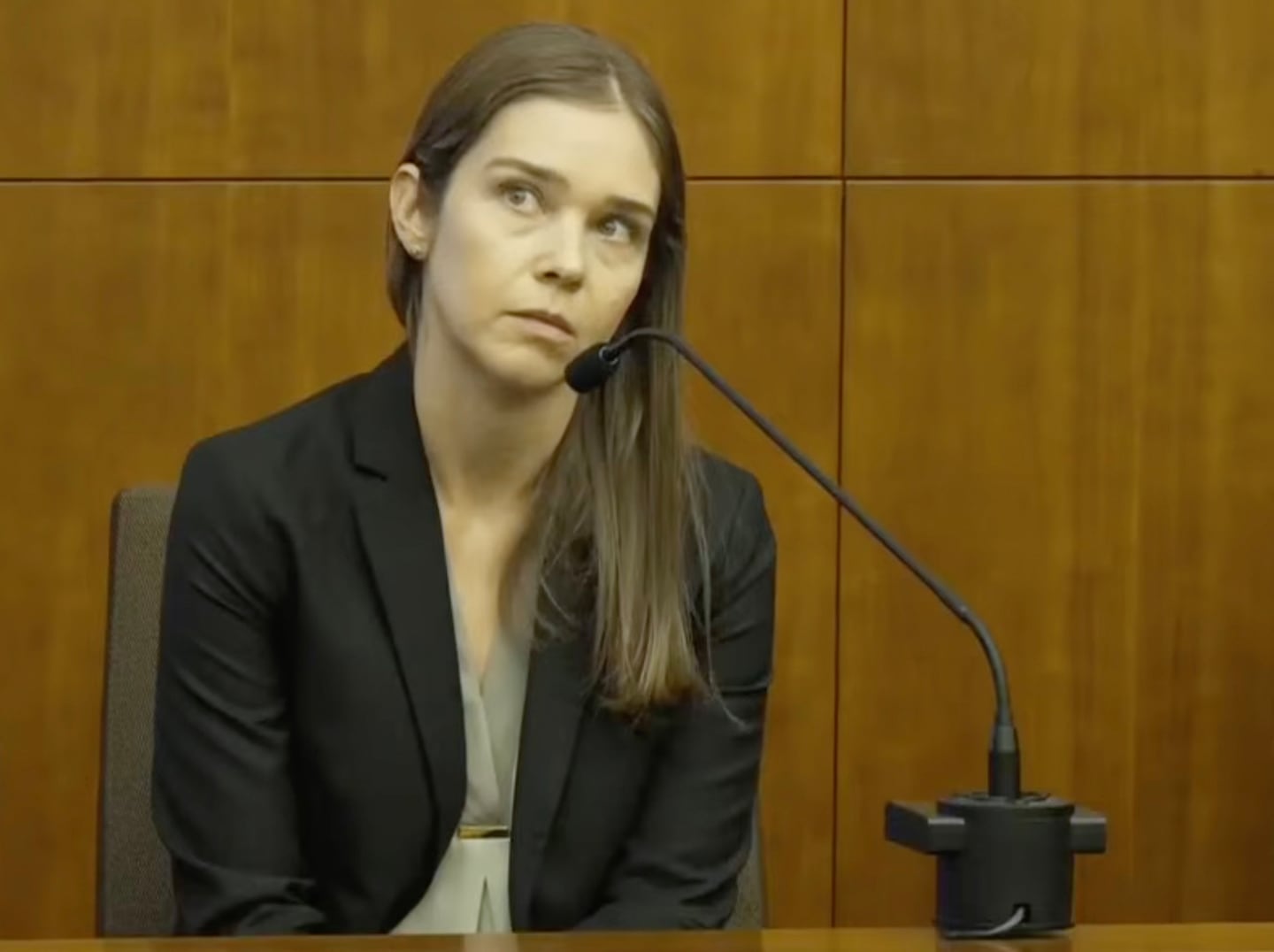 Dr. Jennifer Tufts testifies during the Lindsay Clancy murder trial in Plymouth on Monday, August 10, 2026.Court TVJury enters the courtroom — 9:18 a.m.
By Travis Andersen and Shelley Murphy, Globe Staff
Jurors entered the courtroom around 9:15 a.m.
Judge William Sullivan ran through his standard list of questions to ensure they avoided outside coverage of the case over the weekend.
Clancy’s parents, who have been in the courtroom every day since the trial started, and her sister are seated in the second row of the spectator section. Two nurses who accompanied Clancy to court are in the front row.
Court in session — 9:15 a.m.
By Travis Andersen, Globe Staff
Judge William Sullivan got on the bench around 9:10 a.m. and called the attorneys to a sidebar.
Jurors have yet to enter the courtroom.
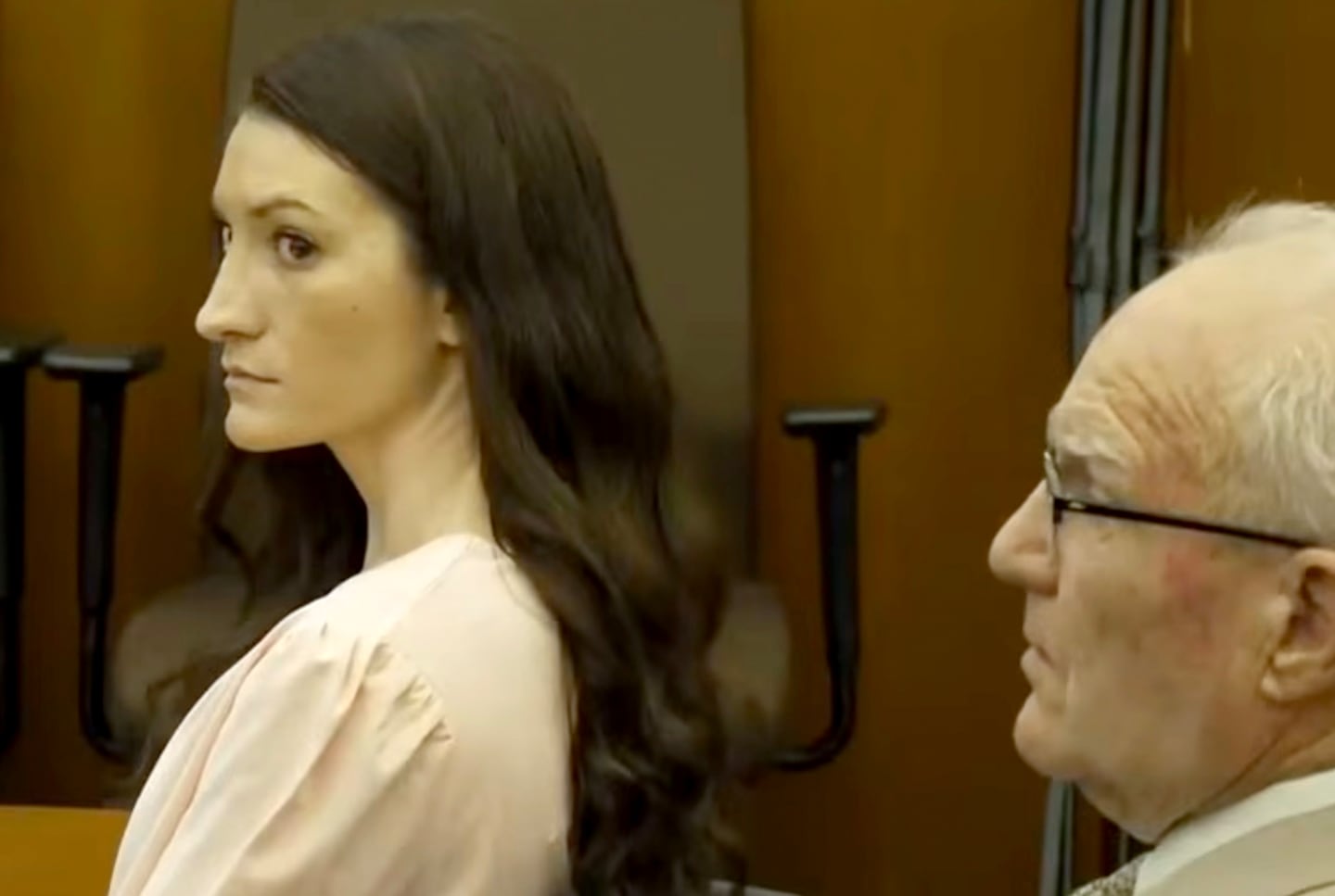 Lindsay Clancy looks on before her murder trial in Plymouth on Monday, August 10, 2026.Court TVExperts divided on whether Lindsay Clancy’s symptoms pointed to postpartum psychosis — 9:06 a.m.
By Sarah Rahal and Jason Laughlin, Globe Staff
Lindsay Clancy’s defense in her triple-murder trial hinges on a dangerous and often misdiagnosed condition that afflicts a small minority of birth mothers: postpartum psychosis.
She and her lawyers argue that her mental state left her unable to distinguish right from wrong when she strangled her three children and attempted to kill herself in January 2023. The prosecution does not dispute she was mentally ill but asserts the murders were intentional and premeditated.
Regardless of the verdict, perinatal mental health specialists say a key message is getting lost: postpartum psychosis, when properly and promptly diagnosed, is treatable.
“With treatment, most women recover completely and regain their previous level of functioning,” said Dr. Uruj Haider, director of the Massachusetts Child Psychiatry Access Program. “I think that’s very important to emphasize.”
A 2017 study in the Journal of Clinical Psychiatry found 88 percent of women with postpartum psychosis had returned to work and routine household responsibilities within nine months. Another study found that hospitalization and treatment with benzodiazepines such as Ativan, antipsychotics, and lithium resulted in remission in 98 percent of patients.
Roughly one to two out of every 1,000 birth mothers experiences postpartum psychosis, a medical emergency that develops within days or weeks after delivery. Broadly speaking, that translates into something between hundreds of cases a year in the US to as many as 9,400.
https://www.bostonglobe.com/2026/08/10/metro/clancy-lindsay-postpartum-psychosis-trial/
Who is Dr. Jennifer Tufts? — 8:39 a.m.
By Sarah Rahal, Globe Staff
Dr. Jennifer Tufts was one of the first medical professionals Clancy consulted as she struggled with increasing anxiety ahead of returning to work after the birth of her third child, Callan, in May 2022.
Clancy found Tufts, who works with Aster Mental Health in Braintree and Peabody, through an online search, according to court documents. Tufts has a “particular interest in women’s mental health and perinatal psychiatry from pregnancy through two years postpartum,” according to her online bio.
Dr. Jennifer Tufts testifies in Day 9 of Lindsay Clancy trial
One of the first medical professionals Lindsay Clancy reached out to testifies in court.
Here’s what happened in the trial on Friday — 8:31 a.m.
By Shelley Murphy and Lea Skene, Globe Staff
Several hours of testimony offered jurors the first detailed glimpse into Clancy’s mental state and the psychiatric care she received in the months and weeks leading up to the killings.
Prosecutors sought to downplay the mental health challenges Clancy had experienced, while her defense attorney suggested her providers should have done more to investigate and address the problems she presented, including insomnia, anxiety, intrusive thoughts, reduced appetite, and low mood.
The first psychiatrist to testify was Dr. Alia Goodheart, who treated Clancy after she was voluntarily admitted to McLean Hospital in early January 2023. She faced aggressive questioning from defense attorney Kevin Reddington, who implied that inadequate psychiatric treatment contributed to Clancy’s decline, despite her best efforts to get help.
Lindsay Clancy trial Day 9: McLean psychiatrist testifies
On Friday the Lindsay Clancy trial continued with a Mclean hospital psychiatrist testifying.
Travis Andersen can be reached at travis.andersen@globe.com. Shelley Murphy can be reached at shelley.murphy@globe.com. Follow her @shelleymurph. Lea Skene can be reached at lea.skene@globe.com. Follow her on X @lea_skene. Jenna Reyes can be reached at jenna.reyes@globe.com. Follow her @jennaelaney and Instagram @jennaelaney. Jason Laughlin can be reached at jason.laughlin@globe.com. Follow him @jasmlaughlin.