
Reading Time: 2 minutes

Consumers are paying more for beef than ever before with the average price above $24/kg and with little prospect prices will ease.
Rabobank senior animal protein analyst Jen Corkran said strong demand from the United States for trim beef has driven up local retail prices, which she does not see changing in the near future.
Consumers should not expect lower beef mince prices anytime soon, she said.
“If we go back to early 2024, the average price for beef mince was around $18/kg. However, since then it’s been on a rapid upwards ascent, and the average price in July 2026 now sits at above $24.40/kg, more than 30% higher than it was just two and a half years ago.”
Corkran said historically mince has been a cheaper go-to option because of its versatility, but that is no longer the case.
The rapid rise in beef mince prices is in direct contrast to price trends for chicken and pork which have remained relatively flat over the past two and a half years.
“If we look at retail prices for chicken breast and pork loin chops for example, they’re currently averaging $14.80/kg and $16.70/kg respectively, so chicken breast is actually and bit less expensive than it was in early 2024 and pork loin chops nearly exactly the same price.”
Rabobank’s global researchers have been monitoring consumer behaviour to high beef prices and found that in the US demand has not been impacted despite record prices.
Consumer trends are leading to a recalibration rather than demand collapsing.
“In the US, we are hearing that the main present-day concern is not that consumers have stopped buying beef, but that retailers and foodservice may have pushed prices to the edge of consumer tolerance, especially for higher-value cuts,” she said.
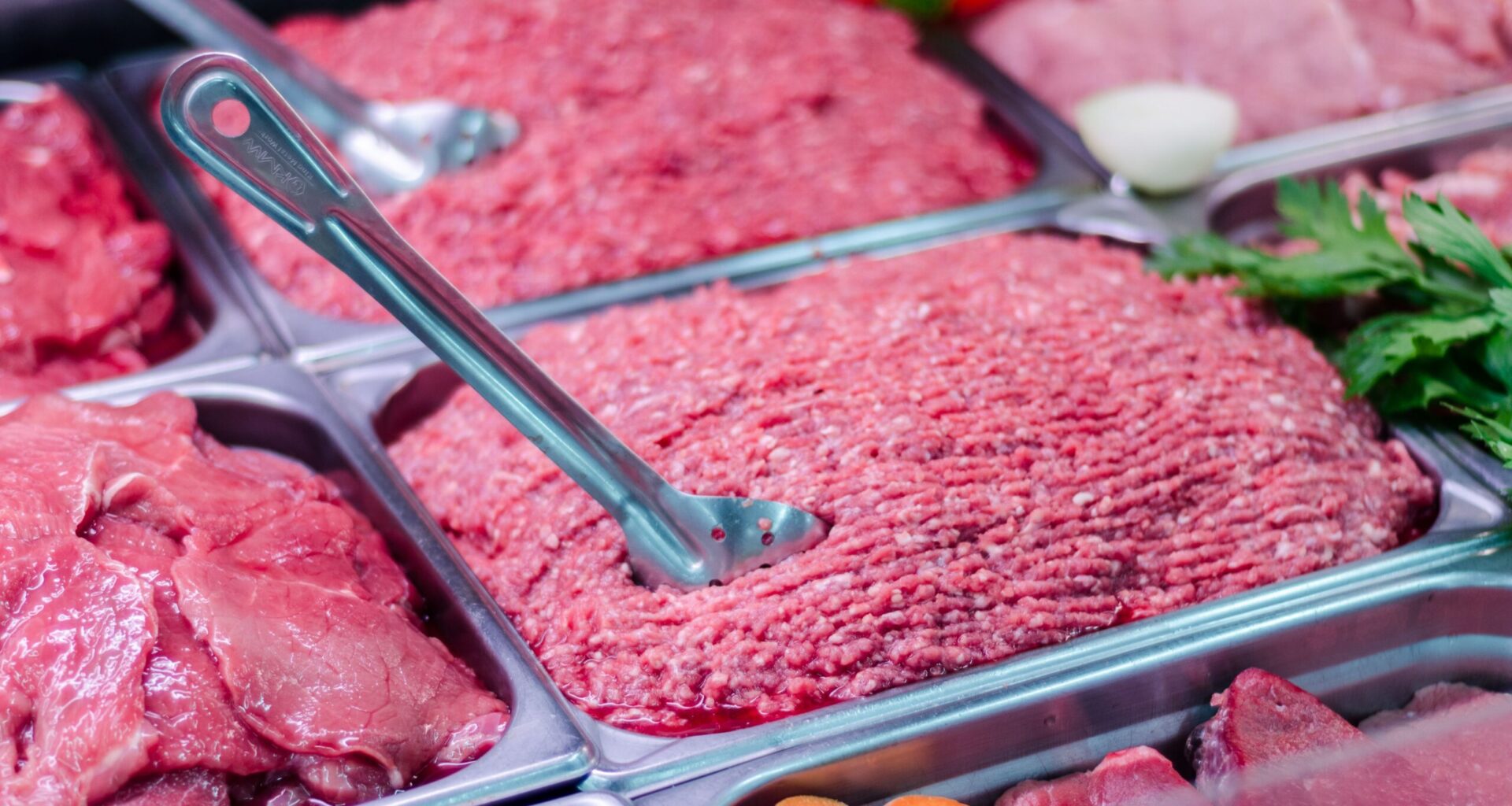
 The price of beef mince has reached record levels and is showing little sign of easing, says Rabobank senior animal protein analyst Jen Corkran. File photo
For example, quick-service restaurants are offering more chicken-based options to protect margins and capture market share.
At household levels, she said, persistently high beef prices could drive consumers to trade down to lower cost proteins such as chicken.
“At this stage we’re yet to see any evidence of lower demand for beef mince here in NZ but, at some stage, we think there will be a point where the consumer says ‘These high prices are getting too much for me,’ and this might prompt a more concerted switch to either smaller volumes purchased or lower-priced protein options.”