
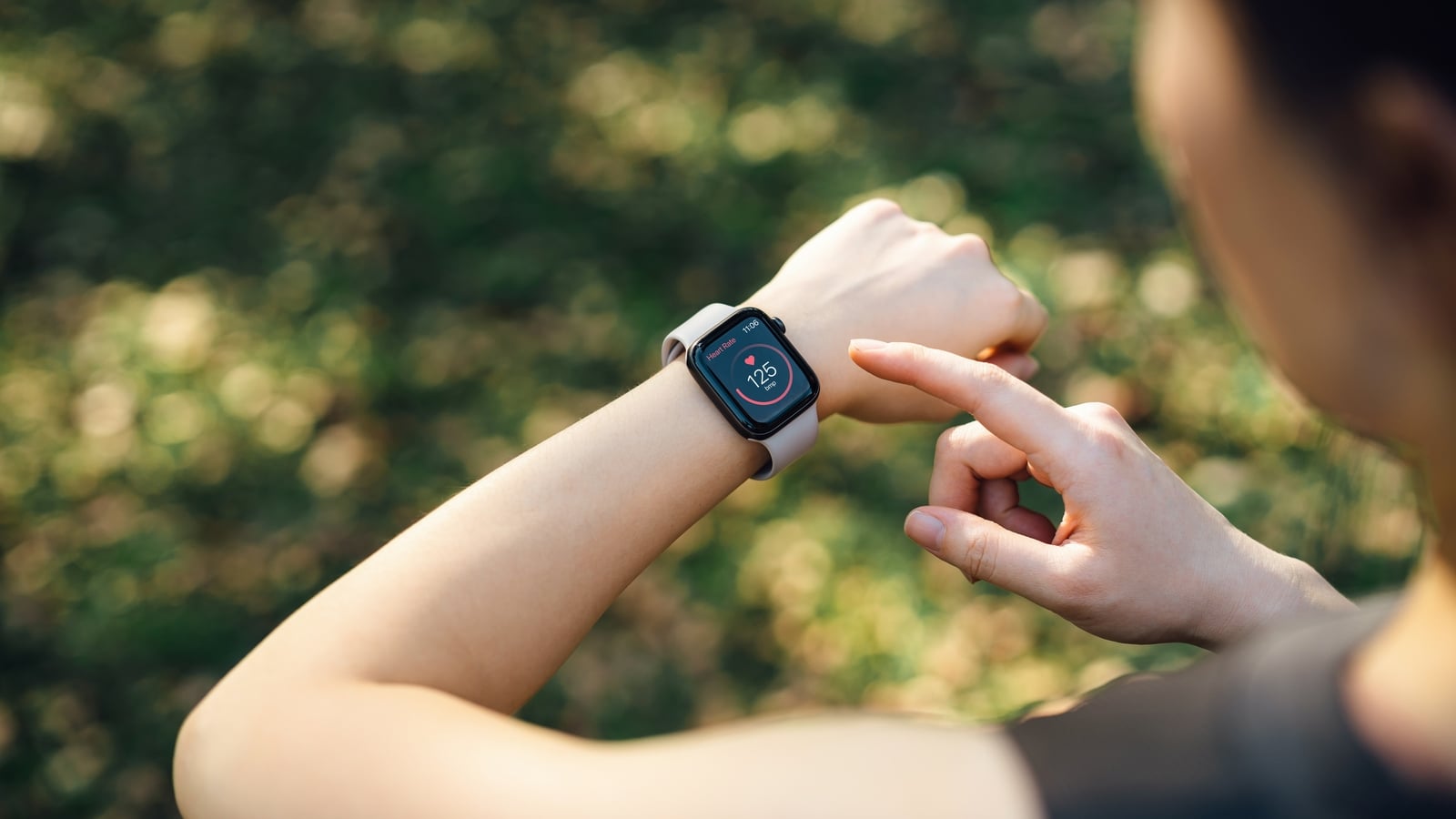
New research shows that technology is transforming health and wellbeing, with 81% of Irish consumers use apps or wearables for at least one health and wellness activity.
The research says that consumers are regularly tracking their own data as the health sector becomes more personalised and embedded in everyday life, shaping meals, commutes, shopping, pharmacy visits, wearables and AI-driven advice.
PwC Ireland’s 2026 Voice of the Consumer survey, which focuses on health and wellbeing, also shows that 41% of consumers are planning to increase their spend on health and wellness activities in the year ahead.
Today’s research analyses the views of over 1,000 consumers here and shows that they are taking an active role in meeting their health goals. The biggest goal for 53% of consumers is leading a longer life, followed by reducing stress (44%) and losing weight (40%).
Challenges facing people in achieving these goals include stress, fatigue and low energy (65%), difficulty staying motivated (60%) and the lack of time to commit (52%).
The survey also reveals that consumers are planning to increase their spend in the next 12 months in the following key areas: health and wellness activities (41%); vitamins, minerals & supplements (33%) and medication (20%).
This is despite 50% of those surveyed saying that that health supplements in Ireland are either “very expensive” or “somewhat expensive”.
It also reveals that just 6% of Irish consumers are currently taking GLP-1 prescription medication for type 2 diabetes and/or weight. A further 21% said that they would be open to using this type of medication in the future, it adds.
Ruth McNamee, Partner, PwC Ireland Retail & Consumer Practice, said the survey shows that health and wellness in Ireland is increasingly shaping both discretionary spending and routine grocery choices.
“People are managing their health and wellness more often, in more places, with more tools and higher expectations and they are using AI,” she said.
“What we’re seeing, as a result, is that healthcare is becoming more continuous and consumer-led. As Irish consumers weave monitoring their health alongside wellness decisions into their daily routines, they’re looking for support from right across the health and wellness sector,” she said.
“Many are open to AI playing a role to help them to achieve their goals,” she added.