
Fruits may be off the menu for people who focus on eating protein and following a low-carb diet for weight loss.
But they’re missing out on important health benefits, dietitians say.
“People are scared of carbohydrates,” confirms registered dietitian Natalie Rizzo, nutrition editor for TODAY.
“But not all carb-rich foods are created equal.”
Carbs are “the most efficient fuel source for our brain, our nervous system and for our muscles during exercise,” registered dietitian Caroline Susie previously told TODAY.com.
Fruits, which can be full of carbs, are a healthy and necessary part of the diet, Rizzo notes. They provide energy for daily activities and workouts, plus important nutrients for overall health.
“Carbs aren’t the enemy — context matters,” Patricia Bannan, a registered dietitian in Los Angeles and author of “From Burnout to Balance,” tells TODAY.com.
“The carbs in whole fruit come naturally packaged with fiber, water and nutrients that support health. That fiber slows digestion and helps prevent blood sugar spikes — very different from refined or added sugars.”
Whole fruits are also naturally filling thanks to their fiber and water content, she adds.
Everyone should eat a variety of colorful, nutrient-dense fruits, according to the Dietary Guidelines for Americans, 2025–2030. The government’s nutrition guide recommends two servings of fruit a day.
Eating lots of fresh fruit may protect against Type 2 diabetes, studies have found. Still, it’s important to be aware of the portion size and stick to a small piece of fruit the size of a tennis ball or one cup of berries, the American Diabetes Association advises.
“The carbs and sugars can add up — especially from dried fruit or juice,” Bannan says. “Pair fruit with healthy fats or protein to slow digestion and reduce blood sugar spikes.”
She suggests eating berries with Greek yogurt, apple slices with nut butter, or avocado on whole-grain toast.
Here are nine fruits naturally high in carbs. “Enjoy (them) in moderation as part of a varied, whole-food diet,” Bannan. “They still come with fiber, vitamins and antioxidants.”
Dates2 medjool dates, 36 grams of carbs
Produced by palm trees, dates make a caramelly, moist and chewy treat. They’re also rich in polyphenols, or beneficial plant compounds, and fiber. Plus, they contain copper, B vitamins, calcium, iron and magnesium.
Dates actually have a low glycemic index, meaning they don’t spike blood sugar, studies have found.
Banana1 medium banana, 27 grams of carbs
Sweet and starchy, bananas are a tasty source of carbs for energy. Eating a banana before and during intense exercise is an “effective strategy” to support athletic performance, studies have found. No wonder many athletes turn to the fruit for quick and convenient fuel.
Bananas are also among fruits highest in potassium, an electrolyte that plays a role in hydration and fluid regulation in the body.
It’s fine to eat a banana every day to get a good amount of potassium, Rizzo says.
Pear1 medium pear, 27 grams of carbs
“Who doesn’t love a sweet and juicy pear? This delicious fruit is my secret weapon for meeting your fiber goals,” Rizzo notes.
One medium pear has 6 grams of fiber, or about 20% of the amount you need each day, she adds.
Pears are also a good source of vitamin C, and they’re succulent so they’re hydrating.
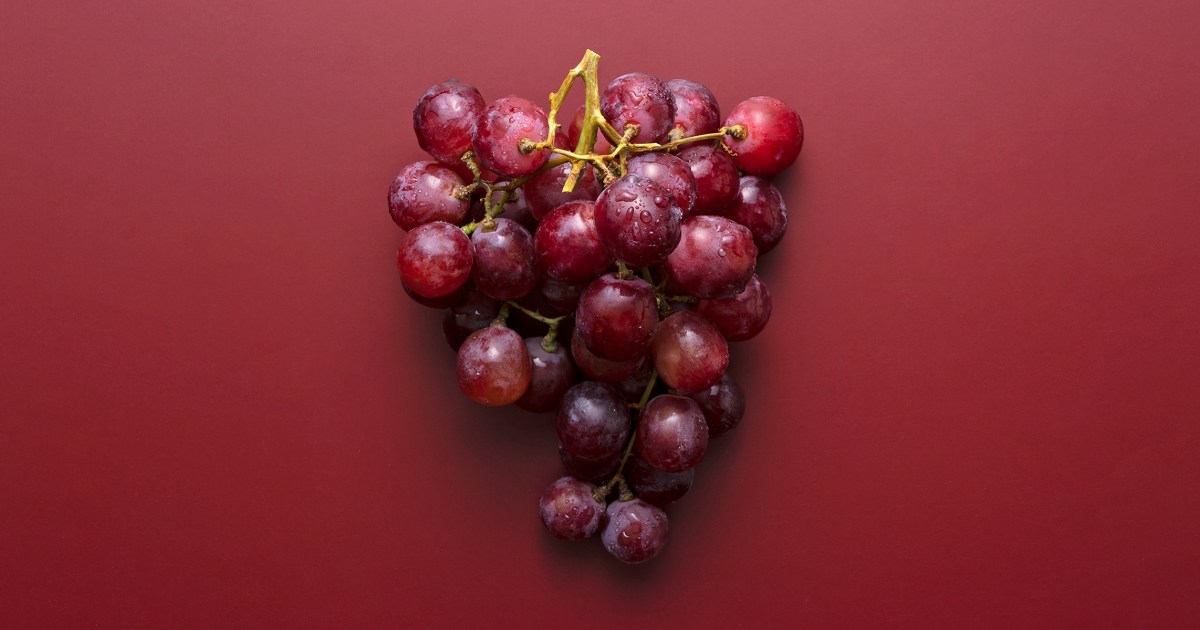
Grapes1 cup of grapes, 27 grams of carbs1/4 cup of raisins, 32 grams of carbs
Grapes and raisins make the list of fruits with the most sugar, but they also come with inflammation-fighting antioxidants and health benefits for the heart and skin.
Raisins are among fruits with the most iron. Rizzo calls a handful of raisins one of her go-to “simple carb-rich snacks that are quickly digested and provide energy for a workout.”
Mango1 cup of mango, 25 grams of carbs
Rich in vitamin A and vitamin C, mango is sweet, juicy and delicious whether eaten fresh on its own or added to a smoothie.
It’s high in soluble fiber, the kind that turns to gel during digestion and slows it down, which is associated with better blood sugar control and a lower risk of heart disease, according to the National Institutes of Health.
Apple1 medium Gala apple, 23 grams of carbs
A classic snack throughout human history, apples are nutritious, portable, hydrating and satisfying.
They’re still one of the most popular fruits sold in the U.S.
Apples are low in calories and fat, but high in fiber and nutrients, dietitians note.
Eating apples is associated with a reduced risk of various types of cancer, a meta-analysis of studies found. The fruit also has benefits for heart and gut health.
Cherries1 cup of sweet cherries, 22 grams of carbs
A serving of cherries provides 25% of a person’s daily vitamin C needs, and comes with a dose of anthocyanins, antioxidants that give cherries their red color and have been linked with reducing the risk of chronic diseases.
Cherries make the list of the healthiest summer fruits. When they’re not in season, Rizzo always buys frozen cherries so she can add them to smoothies all year long for natural sweetness and to fight inflammation.
Blueberries1 cup of blueberries, 21 grams of carbs
Small in size, but high in nutrients, blueberries are among fruits with the most antioxidants.
They’re famously good for brain health and also come with benefits for the heart.
Blueberries are among fruits that have shown “potent cardiovascular protective action,” a study published in the journal Nutrients found. They have properties to prevent inflammation and plaque build-up in arteries, the authors wrote.
Figs2 medium raw figs, 19 grams of carbs1/4 cup dried figs, 24 grams of carbs
With a sweet jam-like taste and tiny, crunchy seeds, figs make a satisfying snack. They’re part of the Mediterranean diet, help reduce inflammation and aid in gut health.
“Figs are a fiber star,” registered dietitian Frances Largeman-Roth previously told TODAY.com.
Dried figs are also among fruits with the most calcium and magnesium.