
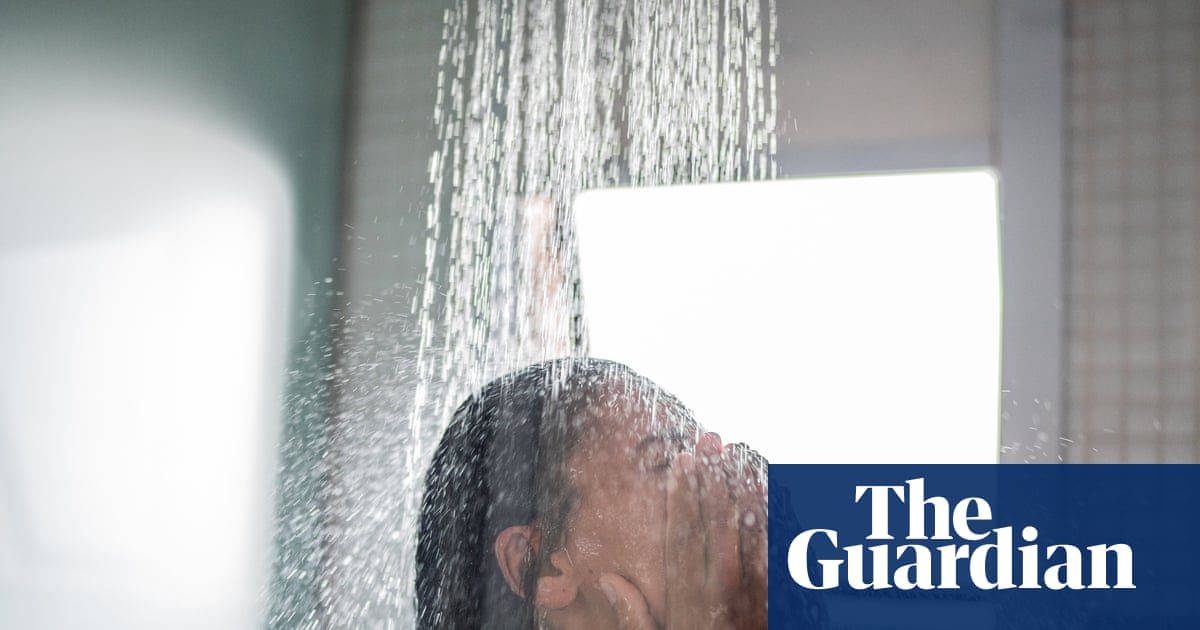
Australians love getting into hot water. About 15% have four or more showers a day, while nearly a third say they shower at least twice daily, a national survey by the Water Conservancy finds.
Most people’s showers last five minutes or more, and one in five will spend between 10 and 15 minutes under the mist, sending up to 135 litres of water down the drain in the process.
Water heating is the largest source of greenhouse gas emissions in an average Australian home, and the second largest user of energy. Most hot water use happens in the shower, followed by the bath, laundry and kitchen.
Water costs depend on a home’s location, use and appliances, but in some cases they can exceed $1,000 per year, particularly for households still reliant on gas hot water systems, say researchers at the University of Technology Sydney. Efficient and electric technologies can reduce those costs by 72%, or sometimes more when paired with rooftop solar.
“Hot water is one of the biggest opportunities to reduce household energy costs,” says Lloyd Heathfield, the solar and electrification programs lead at Yarra Energy Foundation, noting that the shower is usually the best place to start.
Simple ways to save
Switching to an efficient shower head is a quick way to save on water and energy, says Tim Forcey, an independent energy consultant and the author of My Efficient Electric Home Handbook.
“I’ve been in homes where there might be a shower head using 25 litres a minute, and I’ve even measured as much as 50 – it’s like standing under some sort of fire hydrant,” Forcey says. “These days you can have a nice shower with a shower head that’s using eight litres a minute,” he says, or maybe even four or less.
Forcey often recommends Methven’s Kiri Satinjet as a highly efficient, pleasant-feeling shower. But there are cheaper options available, including free or subsidised showerheads under government programs, and flow restriction devices, which can be bought for a few dollars.
For those willing to make behavioural changes, cutting your shower time – from 10 to four minutes – can reduce indoor water use by 25% and energy consumption by up to 15%. Modern shower timers, with traffic light alerts, can help nudge people towards shorter showers, especially for families with children, according to research by the University of Queensland.
Modern dishwashers can be more efficient than hand washing – but be sure the machine is fully stacked before running it. Photograph: Aire Images/Getty Images
Rachael Wilkinson, a senior adviser at the Energy Efficiency Council, says other simple changes make a real difference too. “Using cold water for washing clothes, washing your hands with cold water where practical, and keeping showers a little shorter can all help reduce hot water consumption.”
Beyond the shower, modern dishwashers can be more efficient on water and energy than hand washing in the sink, says Helen Oakey, the chief executive of Renew, a not-for-profit that advocates for people to live sustainably – but you should make sure it’s stacked full before running it.
Heat pumps and solar panels
When it comes to hot water systems, most energy experts recommend heat pumps as an efficient, electric alternative to gas or conventional electric water heating.
“Hot water heat pumps are also such an easy swap to make, there’s no behaviour change needed – you turn on the tap or shower and hot water comes out – it’s just costing you much less!” Heathfield says. “A heat pump hot water system works much like a reverse-cycle air conditioner. Instead of creating heat directly, it collects heat from the surrounding air and transfers it into a tank of water.”
skip past newsletter promotion
Sign up to Five Great Reads
Each week our editors select five of the most interesting, entertaining and thoughtful reads published by Guardian Australia and our international colleagues. Sign up to receive it in your inbox every Saturday morning

after newsletter promotion
Forcey says heat pumps do require some electricity to run the fan and compressor. “But you can heat with a hot water heat pump for a third of the cost of using gas, and even a quarter or a fifth of the cost of using electric resistive hot water systems.”
The running costs get even lower when the system is powered by rooftop solar, he says, or is scheduled to switch on during a free power period on your electricity plan.
For households with solar, it’s a good way to “self-consume” what you generate each day, he says. “You don’t get paid much for putting your solar electricity out on to the grid. So you might as well use it.”
It does pay to plan ahead, Oakey says. People can panic when their hot water system breaks down, and end up replacing like-with-like in a rush, potentially missing out on available rebates too, she says.
Homes that are only connected to gas for hot water are also paying a daily connection fee to remain on the network, and should seriously consider going electric when their unit breaks down.
“Get that choice ready before it happens, because when it happens you’re probably going to be quite keen to get hot water back on in the home.”
Generous federal and state rebates are available to assist with the upfront price of the product. Tools like Rewiring Australia’s Electric Saul and the Victoria government’s Easy Electric SEC can help with estimating savings and finding rebates for switching from gas to electric.
A new hot water system may be a long-term investment, but Forcey agrees it’s better to weigh your options before your current unit breaks. “Chances are it’s going to fail on Christmas Eve, or it’s going to fail when you’re standing in the shower,” he says. “It’s difficult to make a sensible decision when you are cold, wet and naked.”