
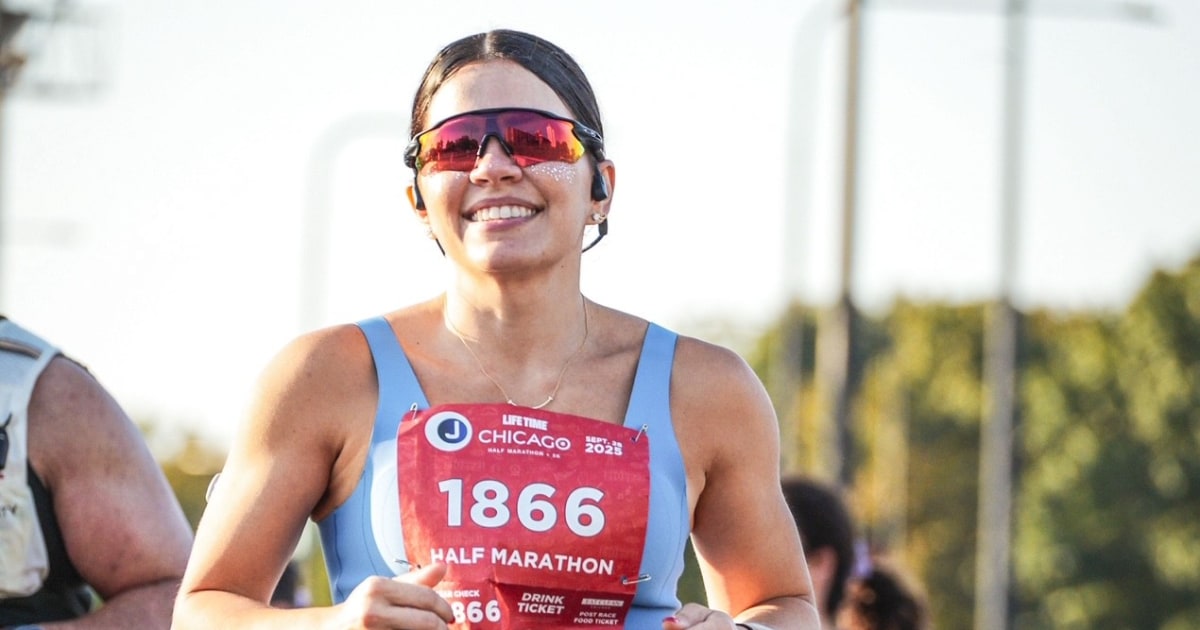
When Naomi Pineiro, 33, of Guayabo, Puerto Rico, went for routine blood work in late 2022, she wasn’t expecting anything to be wrong. Pineiro was active, doing CrossFit about five days a week, and she had no family history of diabetes. When her fasting glucose came back at 120 mg/dL, in the prediabetes range, she didn’t think much of it.
“This must be a mistake,” Pineiro recalls telling herself. “I might have had ice cream the night before. Maybe I had a glass of wine.”
But there were other signs that something wasn’t quite right. Pineiro was excessively tired and experiencing migraines and blurry vision. She had recently started a demanding job in corporate banking and assumed stress was the culprit.
A few months later, Pineiro saw a nutritionist at work, who encouraged her to consult a doctor about her still-elevated blood sugar. This doctor sent her for an oral glucose tolerance test, which measures how well your body processes sugar. She “failed” the test when her glucose rose to about 345 mg/dL, and she was subsequently diagnosed with Type 2 diabetes.
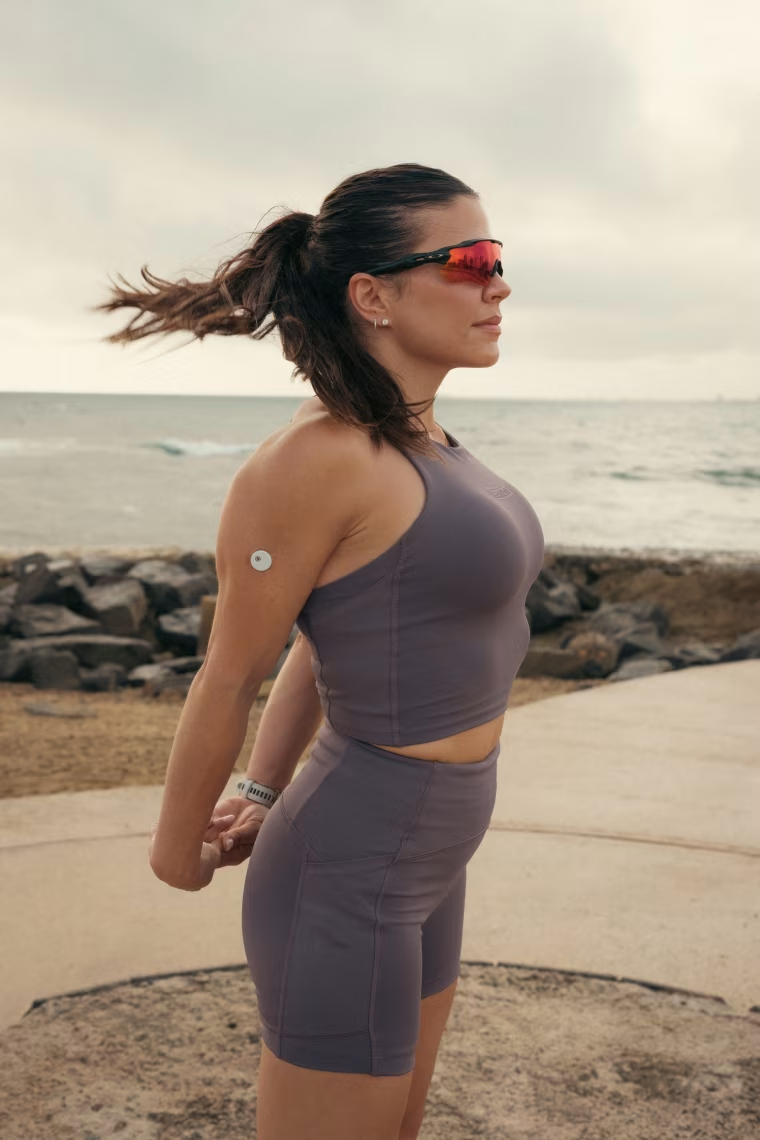 Pineiro first learned of her elevated blood sugar in late 2022.Courtesy Naomi Pineiro
“At that time, again, I was very ignorant of the term of diabetes,” Pineiro tells TODAY.com. “So it wasn’t like, ‘Oh my god, I need to go running to the doctor or anything.’ I was like, ‘OK, I already started with a nutritionist. I’ll keep doing exercise, and I’ll be mindful of my diet,’” she adds.
There was just one problem: Pineiro didn’t actually have Type 2 diabetes.
She Lost 30 Pounds, But Her Blood Sugar Kept Rising
Pineiro took her diagnosis seriously. She worked with a nutritionist, continued exercising and started taking diabetes medication. She was prescribed Ozempic to manage her blood sugar, and she lost about 30 pounds.
But controlling her blood sugar required increasingly drastic measures. After she began wearing a FreeStyle Libre continuous glucose monitor, or CGM, she saw her blood sugar routinely spike to 290-300 mg/dL after breakfast. (For people without diabetes, post-meal spikes usually only hit 140 mg/dL or lower, and fasting glucose is 99 mg/dL or lower.)
Her response at the time was to exercise more, drink more water and cut back on carbohydrates.
“I was just chasing after numbers, not really knowing what I was doing,” she says. Even her wedding day was affected. Pineiro says her blood sugar dropped so low that she had to leave her own celebration for about an hour to drink Sprite and recover.
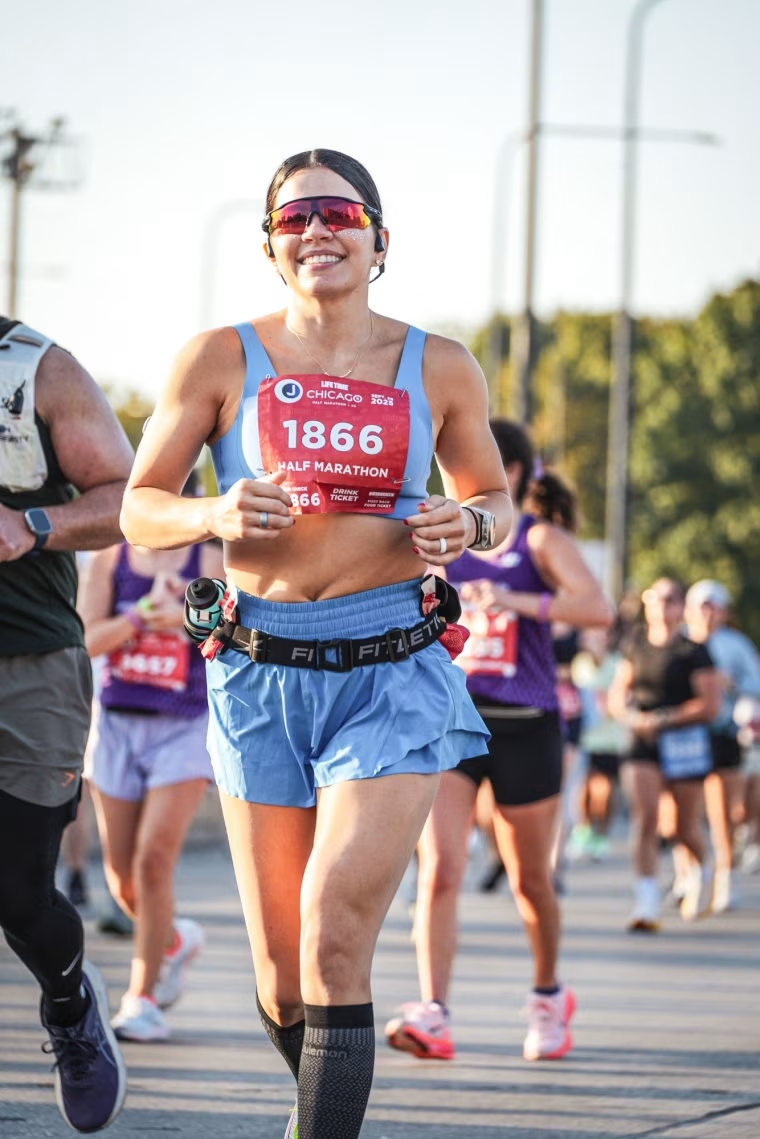 Pineiro learned to love running after getting the correct diagnosis.Courtesy Naomi Pineiro
Given her healthy lifestyle, Pineiro was confused. She repeatedly raised her concerns with her endocrinologist.
“I kept telling her, ‘I’m not doing anything else. … I’m still working out, still eating right,’” Pineiro says. “I think she didn’t believe me at that time. She was dismissing me.”
A Frightening Hospitalization
By March 2025, more than two years after her abnormal blood work, Pineiro was struggling to get through the workday. “I was super tired all the time,” she says.
After eating lunch, she sometimes spent the remainder of her break sleeping in her car because she was having so much trouble staying awake. Then, her hand became swollen for seemingly no reason.
Pineiro continued working at first. Her boss suggested she draw a circle around the swollen area with a marker so they could see whether it spread. By lunchtime, the swelling had grown well beyond the circle. Her boss urged her to go to the emergency room.
Pineiro was diagnosed with cellulitis, a bacterial skin infection, and admitted to the hospital. While she was there, her blood sugar climbed to about 500 mg/dL, she says. “I couldn’t even stand up. I was fainting,” she recalls.
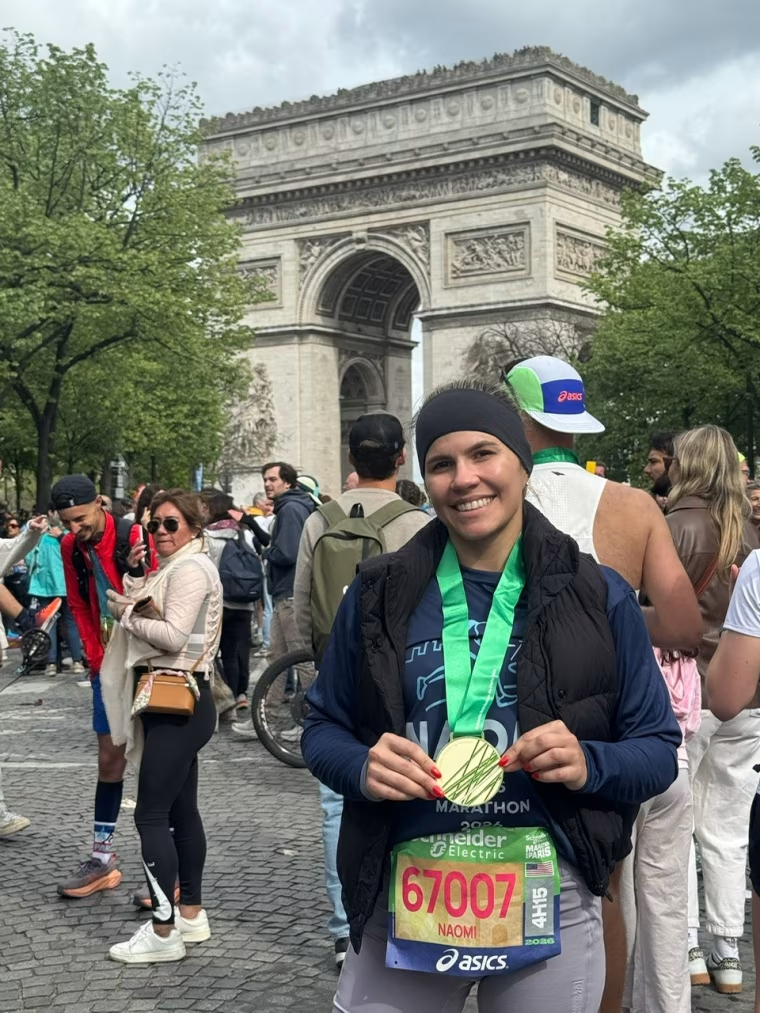 Running has help Pineiro cope with her life-changing LADA diagnosis.Courtesy Naomi Pineiro
Doctors told Pineiro she had developed diabetic ketoacidosis, or DKA, a serious complication of diabetes that occurs when the body does not have enough insulin.
Pineiro says she had no idea what the diagnosis meant. “I didn’t understand what was going on and how severe it was and how it could impact my long-term health,” she says. Doctors gave her insulin in the hospital to bring down her blood sugar, but Pineiro says she was discharged without insulin and instructed to follow up with a doctor.
She returned to her endocrinologist, who prescribed several medications, including insulin. But Pineiro says she still didn’t understand why her diabetes had suddenly become so difficult to manage. “I’m not going to start using a bunch of medicines without knowing what’s actually wrong with me,” she remembers thinking. “What’s going on?”
So she decided to find another doctor.
‘I Felt Like I Was an Alien Inside My Own Body’
Pineiro began calling endocrinologists in Puerto Rico, but says the earliest appointments she could find were months away. Meanwhile, she was still dealing with extremely high blood sugar and feeling increasingly ill.
“It was super, super stressful. I was very overwhelmed,” she says. “I felt like I was an alien inside my own body because nothing was working.”
Her in-laws had previously received treatment at Mayo Clinic and encouraged her to seek another opinion. Pineiro researched endocrinology programs and sent her medical records to Mayo Clinic in Rochester, Minnesota. Within two days, the hospital called her to schedule an appointment. Pineiro took medical leave from work and boarded a plane with her husband.
 Pineiro lost 30 pounds after starting treatment for her diabetes.Courtesy Naomi Pineiro
At Mayo Clinic, doctors ordered tests she had never received before, including a C-peptide test to evaluate how much insulin her body was producing and a diabetes autoantibody panel. Three of the four autoantibodies were positive, Pineiro says, and her insulin production was extremely low.
This time, she got a different diagnosis: latent autoimmune diabetes in adults, or LADA, also known as Type 1.5 diabetes.
LADA is Type 1 diabetes that begins in adulthood instead of childhood. With LADA, the pancreas cannot make enough insulin, resulting in uncontrolled blood sugar levels.
“Type 1 diabetes is very different. There’s no resistance to insulin so it can’t be treated with weight loss, diet and exercise,” Dr. Caroline Messer, an endocrinologist at Northwell Lenox Hill Hospital, previously told TODAY.com. “You have to treat it with insulin.”
Pineiro’s diagnosis finally explained why losing weight, exercising and taking medications for Type 2 diabetes didn’t work.
After spending so long wondering what she was doing wrong, Pineiro needed to learn how to manage an entirely different disease. She started insulin and spent a week receiving diabetes education at Mayo Clinic. She learned how to count carbohydrates, calculate insulin doses, use a CGM and manage her blood sugar around exercise.
“I was really, really mad with my body,” she says. “I felt like my body basically betrayed me.”
She worked with a psychologist to process the diagnosis. But another activity became an unexpected part of her healing.
Running Started as a ‘Punishment’
The first time Pineiro attempted to run a mile, she nearly passed out. After learning she had LADA, Pineiro decided she wanted to challenge the body that had “betrayed” her. “If you’re going to punish me, I’m going to punish you, and we’re going to run a half marathon,” she remembers thinking.
 Pineiro is now training for the Berlin Marathon.Courtesy Naomi Pineiro
She signed up for the Chicago Half Marathon. Her medical team helped her learn how to safely balance insulin, blood sugar and endurance exercise. One of her diabetes educators was a former college athlete who also lived with Type 1 diabetes and talked her through managing an active lifestyle.
About six months after her LADA diagnosis, Pineiro crossed the finish line of her first half marathon in under two hours. “It was so emotional for me,” Pineiro says. “It gave me so much confidence and strength to believe in myself.”
Finishing the race changed how she viewed her diagnosis and her body. “Even though diabetes is super hard and it’s something that I’m going to have to live with for the rest of my life, with education and proper nutrition and proper care, you can still achieve great things,” she says.
Now, Pineiro is preparing for another 26.2 miles. She’ll run the Berlin Marathon on Sept. 27 as part of Team Abbott.