
Michael Siluk | UCG | Universal Images Group | Getty Images
Consumer health company Haleon has achieved growing sales of products to counter side-effects of weight-loss drugs in the United States, the company said, capitalising on the rising popularity of GLP-1 medication.
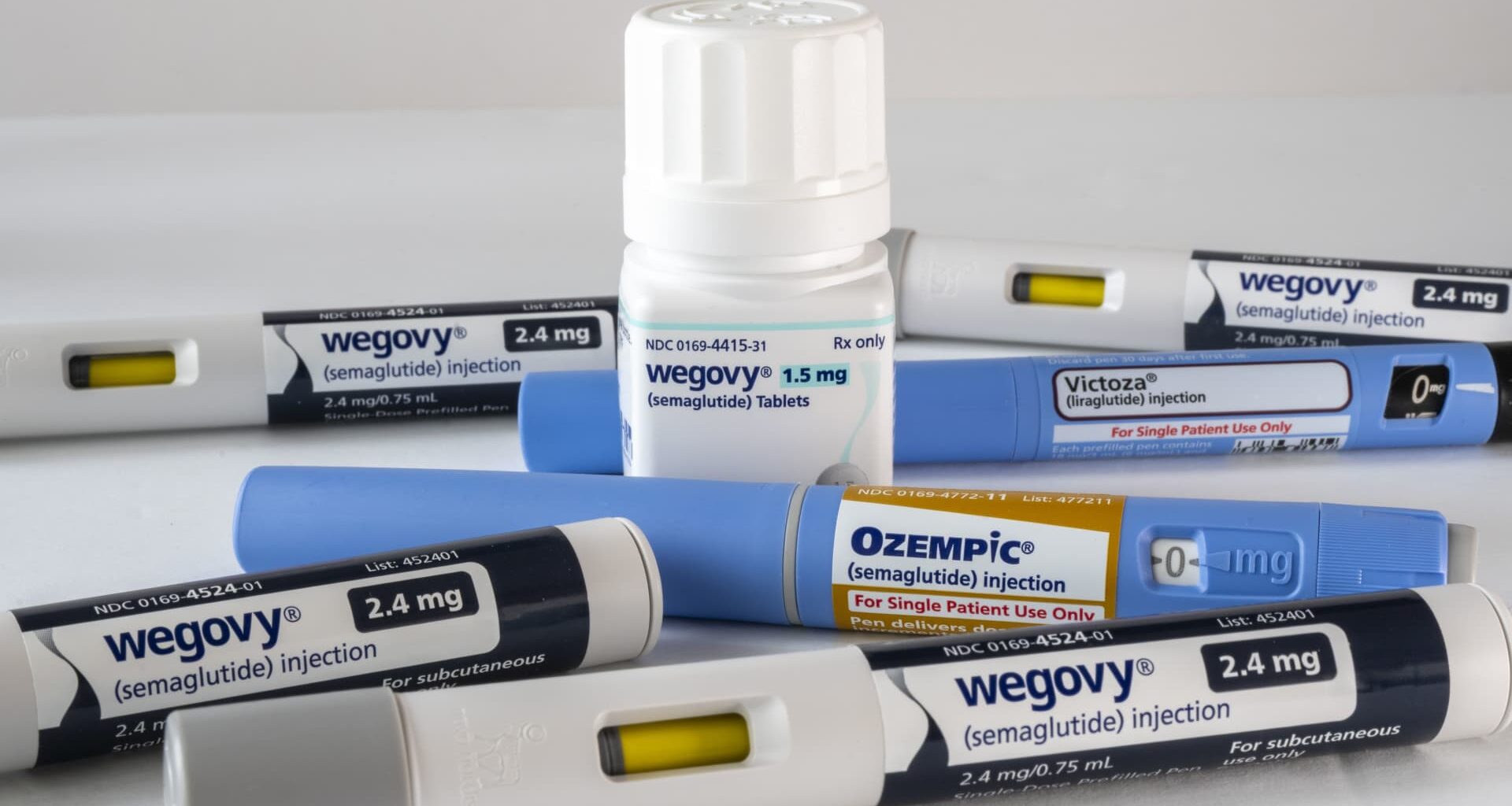
Drugs such as Novo Nordisk‘s Wegovy and Eli Lilly’s Zepbound and Foundayo help people to lose weight by mimicking a hormone that keeps the stomach feeling full.
Potential side-effects from these GLP-1 drugs include nausea, vomiting, constipation and diarrhea. Some people also experience abdominal pain and stomach cramps.
Haleon, which makes Advil pain relief pills, TUMS indigestion tablets and Biotène oral-care gels, said it is working with U.S.-based stores including CVS Pharmacy to put its products in spaces curated for GLP-1 drug users as well as on regular store aisles.
“Dual placement in core aisles and GLP-1 destination sets delivers an average 24% sales lift per store,” a Haleon spokesperson said of the previously unreported strategy. The sales increase was recorded in the first quarter of the year.
“Haleon holds the majority of GLP-1 shelf space at CVS,” the spokesperson added, noting that curated items on dedicated GLP-1 shelves in stores are outperforming the same items in stores without one.
About 11% of Americans are on GLP-1 weight-loss drugs, according to analytics company Gallup.
“CVS Pharmacy has expanded its product assortment and is highlighting CVS brand and national brand over-the-counter products to help make managing side effects easier,” the retailer said in a statement without addressing Haleon’s comments directly.
London-listed Haleon has also spoken to retail giants Walmart and Target about its GLP-1 in-store strategy, the Haleon spokesperson added without disclosing the outcome of those talks.