
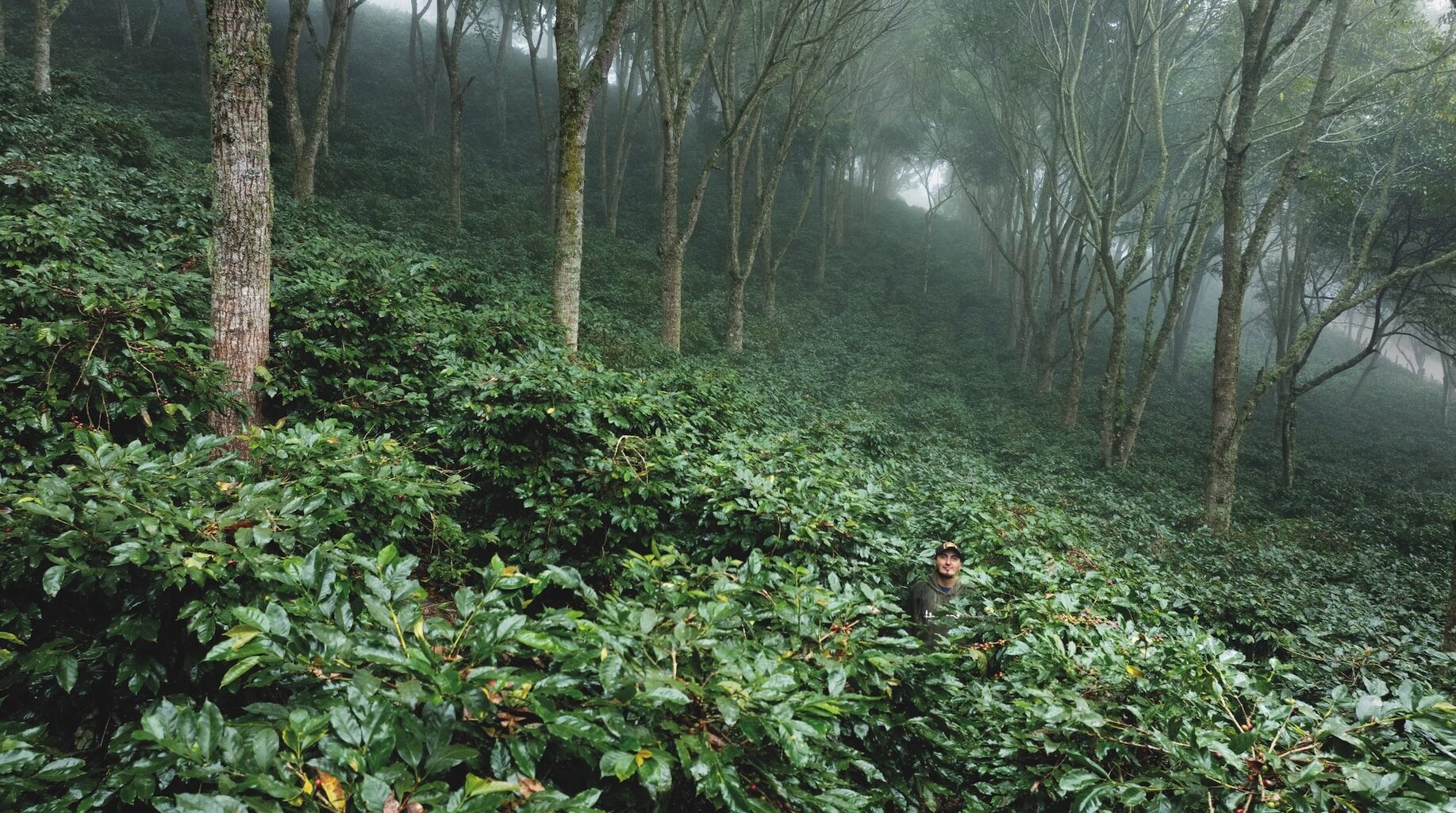
Lavazza has launched La Reserva de ¡Tierra! Selection, the first coffee for the away-from-home segment certified under the Rainforest Alliance Regenerative Agriculture standard.
The evolution of coffee over the past two decades has reshaped both how it’s consumed and how the chain – from farm to cup – is understood by the end consumer.
Once largely viewed as a commodity, coffee is now appreciated as a complex agricultural product defined by origin, processing, and sustainability.
Now, increasing attention is being paid to the systems that help sustain production itself, with regenerative agriculture rapidly emerging as vital to this shift.
What it means
Regenerative agriculture represents a progression from traditional sustainability models. Rather than focusing on minimising negative impact, it seeks to actively restore ecosystems and aims to improve natural resources over time.
For coffee, the quality of a crop is inseparable from its environment: soil fertility, water availability, biodiversity, and microclimate all contribute directly to the sensory characteristics expressed in the final cup.
While many practices such as agroforestry, organic fertilisation, and water stewardship have long been part of agricultural systems, regenerative agriculture today is distinguished by its structure, measurement, and scalability.
It offers a framework for combining time-tested knowledge with modern science, enabling farmers and companies to monitor impact and refine practices over time, according to Edgar Castro, Producer Support Manager at Rainforest Alliance.
“Regenerative agriculture means returning to those ancestral practices, respecting the resources that farming depends on,” he says.
“Instead of depleting the soil and natural resources, the idea is to regenerate them and restore them to what they once were.”
In Honduras, regenerative agriculture is being implemented with support from Lavazza – and farmers are already reporting positive changes.
“My farm is, as I always say, my favourite place,” says coffee grower Edward Aria. “Harvesting coffee is the most beautiful thing you can do here as a farmer. It’s managed with an agroforestry system, always taking care of the environment.
“[Implementing regenerative agriculture] costs a little more in the end, but it really pays off when it comes to production. It gives us higher yields every year, which helps the plants make better use of the nutrients.”
Alma Iris Saravia, another coffee grower involved in the project, says regenerative agriculture is transformative. Her farm, which she originally purchased as cattle pastureland, has been restored through coffee cultivation and regenerative practices.
“Four years ago, we implemented regenerative agriculture because it helps us improve the soil, and we’ve already seen quite a change both in the soil and the plants,” she says.
Certification is a crucial framework for ensuring this approach is credible and measurable. The Rainforest Alliance Regenerative Agriculture Standard provides independently verified criteria across key impact areas.
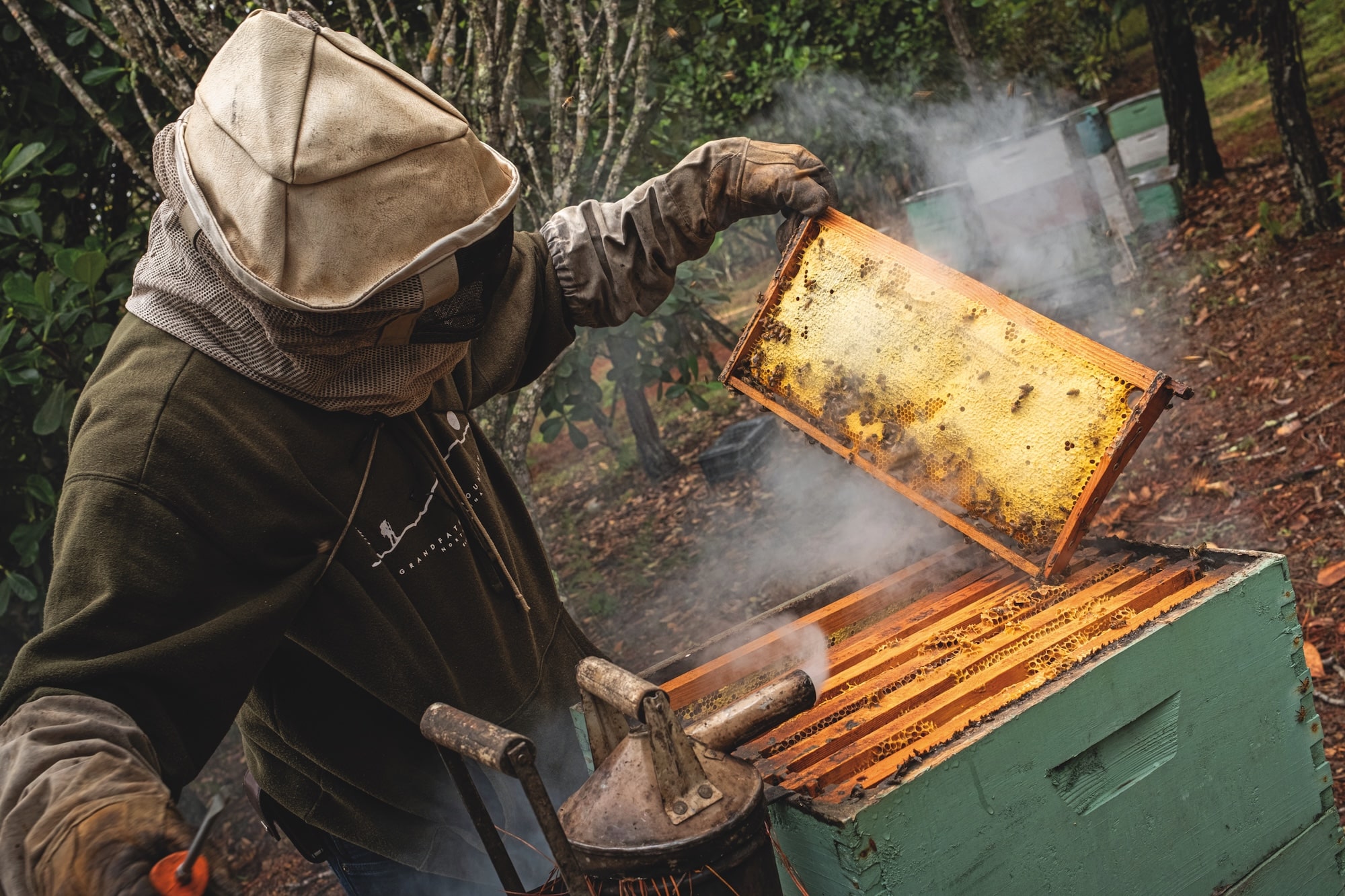 Lavazza says it is championing regenerative practices on coffee farms around the world. Image: Lavazza.
La Reserva de ¡Tierra! Selection
Lavazza’s La Reserva de ¡Tierra! Selection is an example of how regenerative agriculture is being translated into a tangible product for the professional coffee sector. It’s part of a broader collection that reflects the company’s long-term approach to sourcing, sustainability, and quality.
With Lavazza’s support for Rainforest Alliance’s early implementation program, more than 70 farms in Honduras have already achieved certification, demonstrating how regenerative agriculture can move from concept to structured, verifiable practice.
The La Reserva de ¡Tierra! Selection from regenerative farms in Honduras and Brazil, along with beans from a Lavazza Foundation project in Minas Gerais, Brazil, involves more than 300 producers.
Each blend of the wider La Reserva de ¡Tierra! range, which is a collection of certified coffee blends dedicated to professional baristas, contains, among their origins, coffee from territories and communities involved in sustainability projects promoted and managed by the Lavazza Foundation.
“The La Reserva de ¡Tierra! range brings together coffee quality, sourcing, and agricultural practices in a way that reflects our long-term work with producing communities,” says Michele Cannone, Lavazza Marketing Away From Home Director.
“La Reserva de ¡Tierra! Selection is not simply a new certified blend. It represents a further step in how coffee can be conceived, combining double certification, direct involvement in field implementation, and a product designed specifically for professional use, with the perfect balance between aroma and flavour.”
Designed for professional use, La Reserva de ¡Tierra! Selection is a 100 per cent Arabica blend, with natural Arabica from Brazil and washed Arabica from Honduras. Lavazza says it delivers a balanced cup profile with notes of jasmine, almond, and milk chocolate.
Lavazza Food and Innovation Director Francesca Dangelico says that since 2023, Lavazza has been working on regenerative agriculture through two complementary fronts: field projects developed in origin countries and direct support for certification pathways.
“The first involves on-the-ground implementation tailored to local realities. The project-based work developed across origins reflects a test-and-learn approach. Practices are financed, implemented, monitored, and progressively refined over time,” says Dangelico.
“Regenerative agriculture often requires upfront investment. Lavazza’s approach includes targeted project financing as well as the development of on-farm demonstration areas. This combination of financial support and demonstration is particularly relevant in ensuring regenerative practices are not only technically valid but also economically viable.”
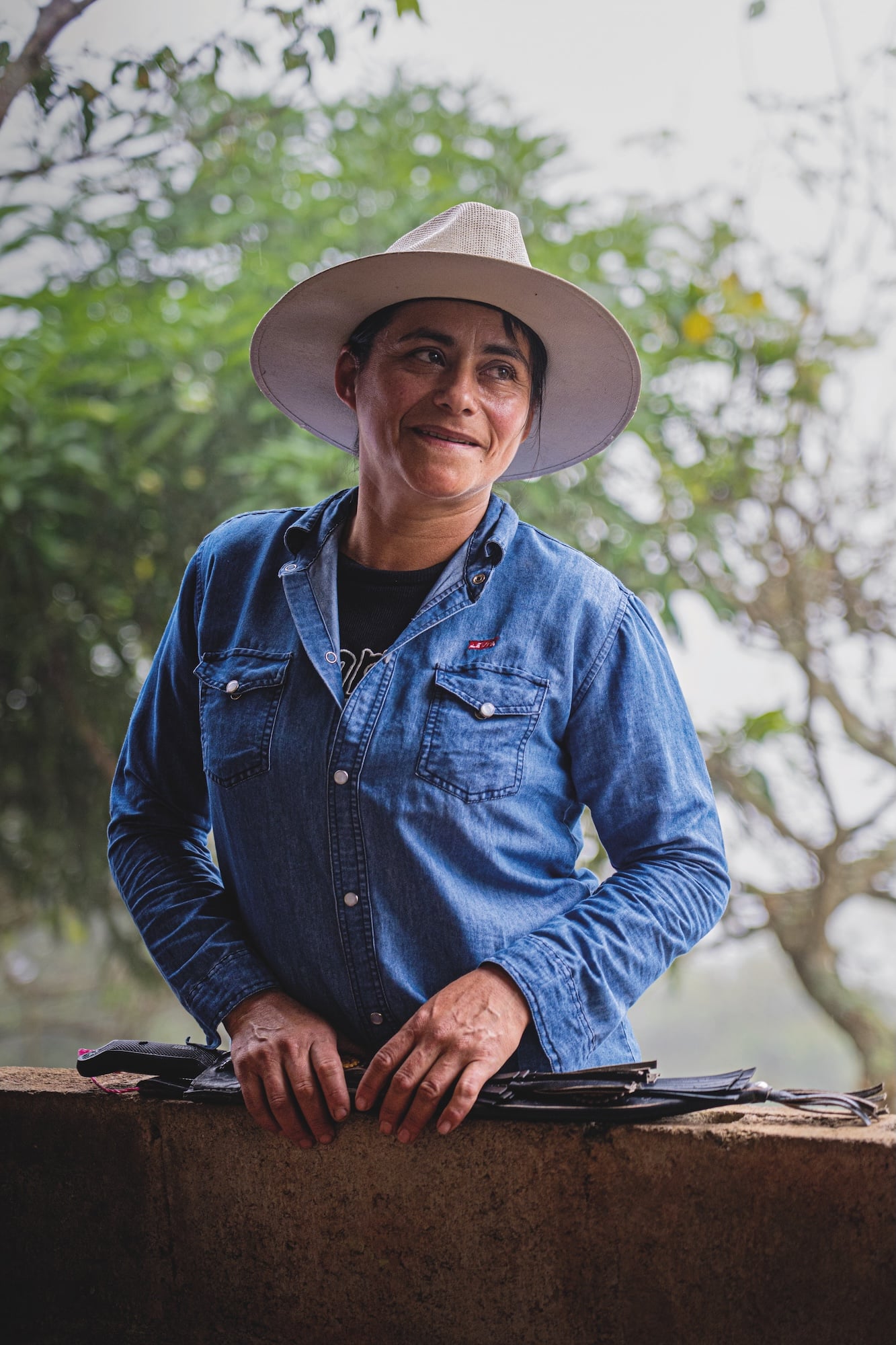 Coffee grown on Alma Iris Saravia’s farm has been used in the La Reserva de ¡Tierra! Selection. Image: Lavazza.
What’s next for regenerative coffee?
For Lavazza, the evolution of regenerative agriculture and the launch of La Reserva de ¡Tierra! Selection align with changing consumer expectations and contribute to the wider adoption of regenerative agriculture practices.
“In a context where foodservice operators are increasingly seeking coffees that bring together quality, traceability, and distinctiveness, regenerative agriculture is attracting significant relevance,” says Cannone.
“Regeneration is not a fixed model, but a field of continuous development, where practices are tested, measured, and progressively refined.”
Cannone believes the success in cultivating the La Reserva de ¡Tierra! Selection can help expand how premium coffee is presented to customers.
“Premium coffee storytelling is usually built around origin, craftsmanship, varietals, and sensory profiles. Regenerative agriculture is an enrichment bringing the condition of the land, the resilience of farming systems, and improving management of natural resources into the story,” he continues.
“In this sense, La Reserva de ¡Tierra! Selection sits at the intersection of several ongoing transformations in coffee: the evolution of consumers’ habits, the increasing importance of measurable and verifiable approaches, and the integration of agricultural resilience into the definition of quality itself.
“Ultimately, what emerges is a closer connection between product quality, origin, farmers, and agricultural practices.”
For more information, visit lavazza.com/en/business/la-reserva-de-tierra-collection or ra.org/Lavazza
This article was first published in the September/October 2026 edition of Global Coffee Report. Read more here.