
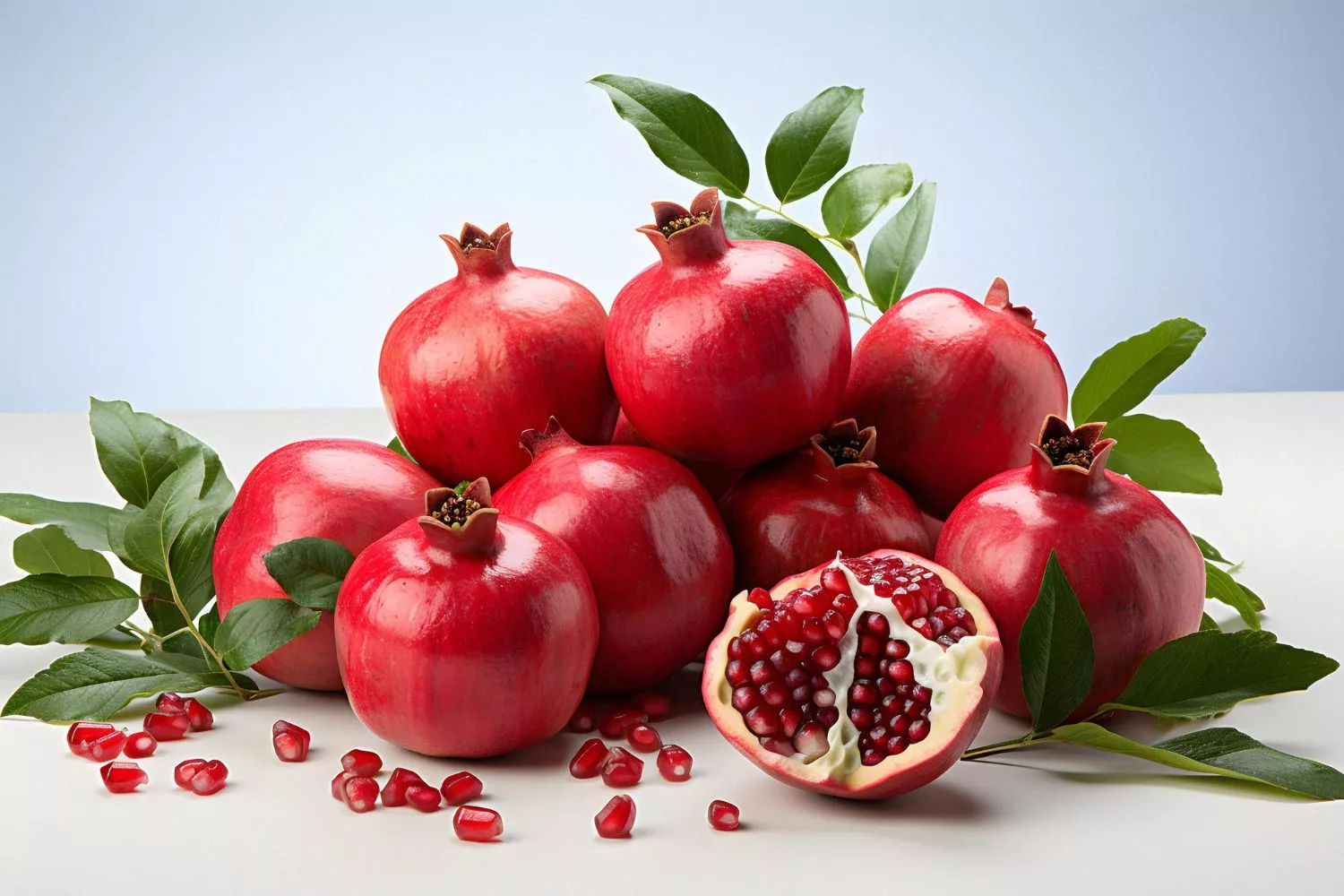
A team at King’s College London has uncovered a surprising ally in the fight against one of the most stubborn forms of heart disease: a natural compound called urolithin A, produced in the body after eating foods such as pomegranates, walnuts, and certain berries.
Their study, funded by the British Heart Foundation, shows that urolithin A can improve the heart’s ability to relax, reduce scarring, and prevent harmful enlargement of heart muscle cells. The findings could offer hope to nearly half a million people in the UK living with heart failure with preserved ejection fraction (HFpEF). In this condition, the heart pumps normally but becomes stiff, making it harder to fill with blood between beats.
Approximately one-half of all individuals diagnosed with heart failure will have a diagnosis of HFpEF. Patients with HFpEF typically present with symptoms such as shortness of breath, fatigue, and an inability to tolerate physical activity, as well as those who suffer from other types of heart failure. However, patients with HFpEF have fewer treatment options than do those with other forms of heart failure. The reason for this difference is that the heart’s function (pumping blood) is preserved in HFpEF; rather, it is the heart muscle that becomes stiff.
“This type of heart failure remains one of the most challenging forms of heart disease to treat,” said Dr. Joseph Burgoyne, senior author of the study. “Our findings identify a completely new therapeutic target and show that urolithin A can activate this pathway to improve heart relaxation and reduce disease severity. This raises the exciting possibility of developing new treatments that improve clinical outcomes and quality of life for people living with the condition.”
Study says the heart can heal itself
The researchers discovered that urolithin A activates a protein called PKGlα, which regulates blood vessel function and heart muscle relaxation. By targeting a specific amino acid on the protein, urolithin A sets off a cascade of cardiovascular benefits.
Compared with untreated controls, the urolithin A treatment significantly enhanced measures of cardiac function in animal models by up to 80%. Additionally, the compound maintained normal functioning of the heart by reducing fibrosis (scarring) and inhibiting enlargement of cardiac myocytes.
The researchers additionally evaluated the effects of urolithin A in human engineered heart tissues created using stem cells. As a highly realistic model for human heart muscle, the engineered heart tissue demonstrated that urolithin A enhanced tissue relaxation, thus indicating that the potential advantages of urolithin A may apply to humans.
Unlike many experimental compounds, urolithin A has already been evaluated in human studies and has a favorable safety profile. It has attracted attention in recent years for its links to healthy aging and mitochondrial function, the process by which cells generate energy.
Still, researchers caution against overinterpreting the findings. “While there isn’t enough evidence to suggest that people should eat pomegranates to treat heart failure, these findings raise the possibility that dietary approaches that enhance urolithin A production may help alleviate this condition,” Burgoyne said.
Professor James Leiper, Director of Research at the British Heart Foundation, emphasized both the promise and the caution:
“HFpEF makes up roughly half of all heart failure cases in the UK, and can be debilitating. This early-stage study in experimental models suggests that urolithin A may help to improve the heart tissue’s ability to relax and fill with blood between beats, reducing the harmful changes to the heart muscle seen in HFpEF.”
“While these findings are promising, the benefits have so far been seen in animals and engineered human tissue, so clinical trials involving people are needed to test if this approach is effective for patients. In the meantime, a healthy, balanced diet remains one of the best ways to look after your heart.”
Discovery of Urolithin A’s ability to relax the heart may lead to the development of new treatments for HFpEF. If clinical trials validate this effect, an ingredient commonly found in food can serve as a primary component of treatment for a disease which has previously proved difficult to treat with current methods.
So, at this point in time, it is still unknown whether a compound made from pomegranate and walnut may change the way we treat people with heart failure. However, scientists are being very cautious about making predictions. The next step will be to test this compound in clinical studies.
Journal Reference
Jie Su, Yue Zhao, Pierre Coleman, Xiaoping Yang, Mark Holt, Janice Raabe, Friederike Cuello, Ajay Shah, Michael J. Shattock, Min Zhang, Joseph R. Burgoyne. Targeting PKGIα Cys 42 attenuates cardiac dysfunction in heart failure with preserved ejection fraction. Science Advances, 2026; 12 (34). DOI: 10.1126/sciadv.aec8088