
Federal Reserve officials increasingly see higher oil prices and artificial intelligence heightening the risk of higher inflation, which could require more interest rate increases to bring it down.
Federal Reserve Governor Michael Barr said Tuesday that the combined effects of higher energy prices and artificial intelligence have knocked the Fed off course toward achieving its 2% inflation goal. He noted that while the effects from tariffs have diminished, energy prices are still high, and there’s uncertainty about when the Iran war’s effect on prices will be resolved. At the same time, he noted the surge of investment and demand from the AI build-out is having a “measurable effect” on prices.
“I count only two months of data consistent with 2% core PCE inflation over the past 20 months. And I don’t yet see a clear trend toward a timely return to 2%,” Barr said.
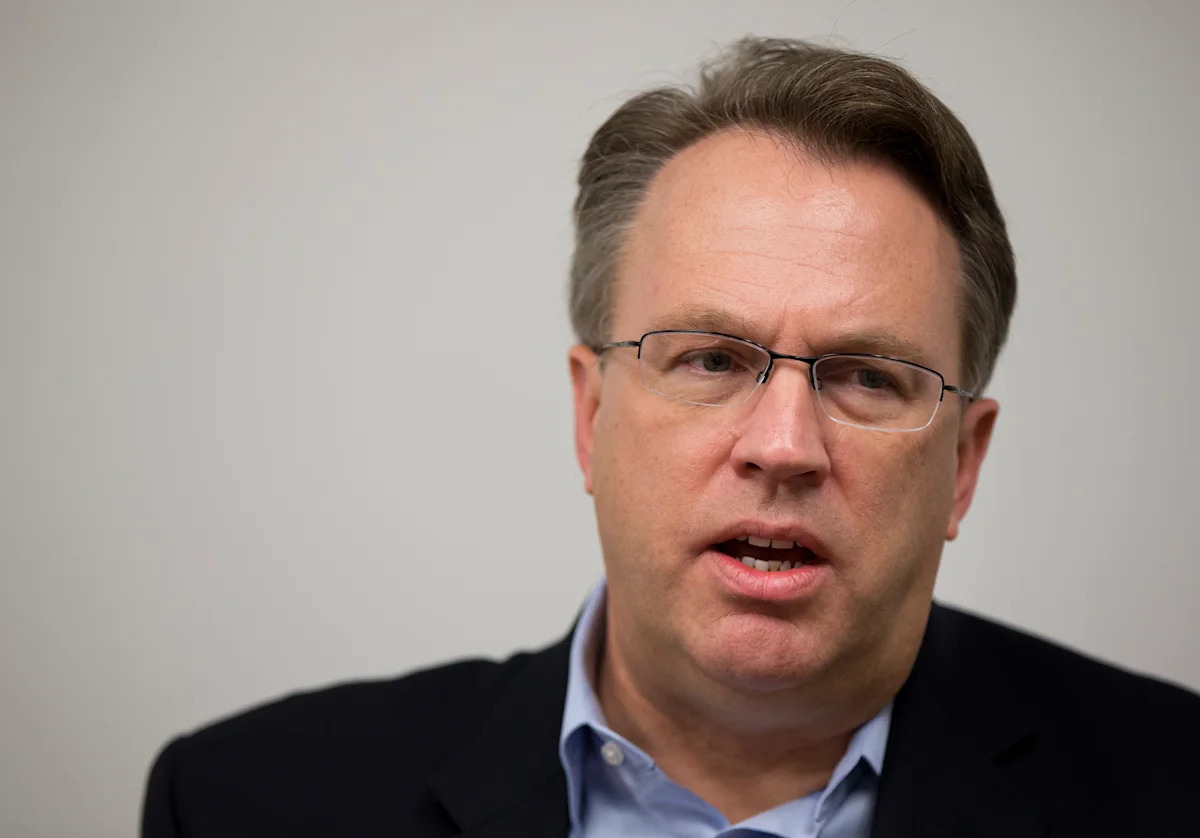
New York Federal Reserve president John Williams is focused on the same forces.
“The inflationary impact of the AI-related demand shock is increasingly salient, and I now expect somewhat larger and longer-lasting effects from energy prices on inflation,” said Williams, who anticipated earlier this spring that oil prices would come down and suggested inflation could come down on its own.
“While monetary policy cannot move ships or reopen pipelines and refineries, it can diminish the risk that these supply shocks spill over into broader and more persistent inflation.”
Read more: How oil price shocks ripple through your wallet, from gas to groceries
On the plus side, Williams said, tariffs are no longer adding to inflation in goods prices, though he noted that could change if more tariffs are imposed.
Barr said he expects further interest rate hikes to be needed to bring down inflation, as inflation risks have increased.
“With economic growth strong and the labor market solid, we need to address risks to achieving our inflation target in a timely fashion,” Barr said in a speech in Detroit.
The Fed raised rates a few weeks ago for the first time in more than three years, and the median expectation of the interest rate-setting committee, excluding Chairman Kevin Warsh, is for one more rate hike this year. The market has priced in expectations for three additional rate hikes.
Chicago Fed president Austan Goolsbee said Tuesday he’s one of the more sanguine members of the central bank, but that he needs to “get evidence that inflation is coming back down, that these things that are supposed to be temporary are going away. Otherwise, by definition, they’re not before rates come down.”
Both Williams and Barr see a solid economy that’s showing signs of strengthening.
“The overall economy is on a solid footing; therefore, getting inflation back to 2% is job No. 1,” Williams said.
Jennifer Schonberger is a veteran financial journalist covering markets, the economy, and investing. At Yahoo Finance, she covers the Federal Reserve, Congress, the White House, the Treasury, the SEC, the economy, cryptocurrencies, and the intersection of Washington policy with finance. Follow her on X @Jenniferisms and on Instagram.
Click here for the latest economic news and indicators to help inform your investing decisions
Read the latest financial and business news from Yahoo Finance