
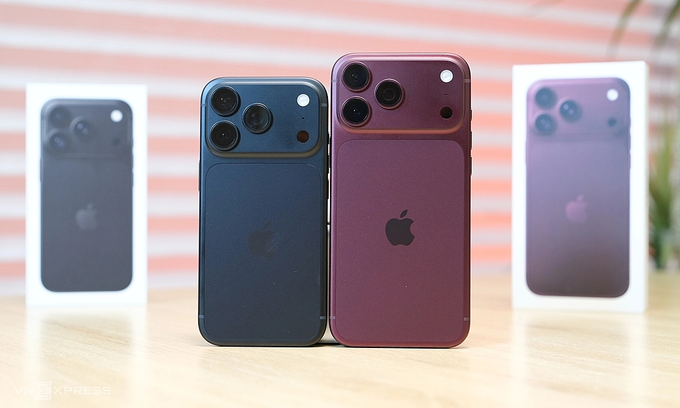
The U.S. technology giant accounted for 33% of smartphone sales in China during the week of Sept. 14-20, according to a Sept. 30 report by market research firm Counterpoint Research.
The result came even though the 18 Pro series went on sale only on Sept. 18, meaning it was available for just three days of the seven-day period. Sales during those three days were 12% higher than those of the 17 Pro series during its entire first week on the market a year earlier, Counterpoint said.
Counterpoint attributed the iPhone’s performance partly to Apple’s decision to delay the standard 18, potentially steering consumers seeking the latest generation toward the more expensive Pro models.
“The delayed launch of the base iPhone 18 may have driven some consumers to trade up to the Pro series, while price hikes of over $200 on many Chinese flagship models may have raised the price anchor, strengthening the iPhone’s relative value proposition,” Counterpoint senior analyst Ivan Lam said in the report.
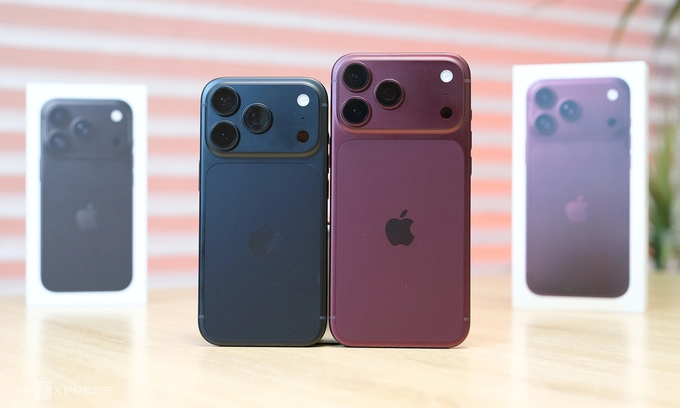
Apples’ iPhone 18 Pro (L) and 18 Pro Max. Photo by VnExpress/Tuan Hung
China, the world’s largest smartphone market, has been under pressure from weak consumer demand and rising component costs, with weekly sales declining by double digits year-on-year since July, according to Counterpoint.
Contract prices for standard memory chips were expected to rise 13-18% in the third quarter after surging about 60% in the previous quarter, according to TrendForce data cited by Forbes. Higher component costs have pushed up prices for Chinese flagship smartphones, particularly models with more memory and those using advanced 2-nanometer chips.
Apple had already been gaining ground in China before the 18 Pro launch. Its iPhone sales rose 23% year-on-year during the first nine weeks of 2026 while the overall smartphone market contracted 4%. It could receive another boost from its first foldable smartphone, the Duo, which is scheduled to go on sale on Oct. 23.
Chinese consumers have shown greater interest in foldable smartphones than consumers in other international markets, the South China Morning Post reported, citing UBS.
The Swiss bank maintained its forecast for Apple to ship 261 million iPhones in the current financial year, up 15.4% year-on-year.