
Violence is not confined to the areas around the Yellow Line. In June and July alone, despite a so-called ceasefire, MSF teams treated more than 1,200* cases of violent trauma across Gaza, including blast injuries, burns, gunshot wounds and injuries resulting from physical assault.
Over the past three years, our teams have treated more than 200,000 trauma cases*, including injuries resulting from intentional physical violence, while Israel’s military offensive has killed more than 74,000 people, including more than 20,000 children.
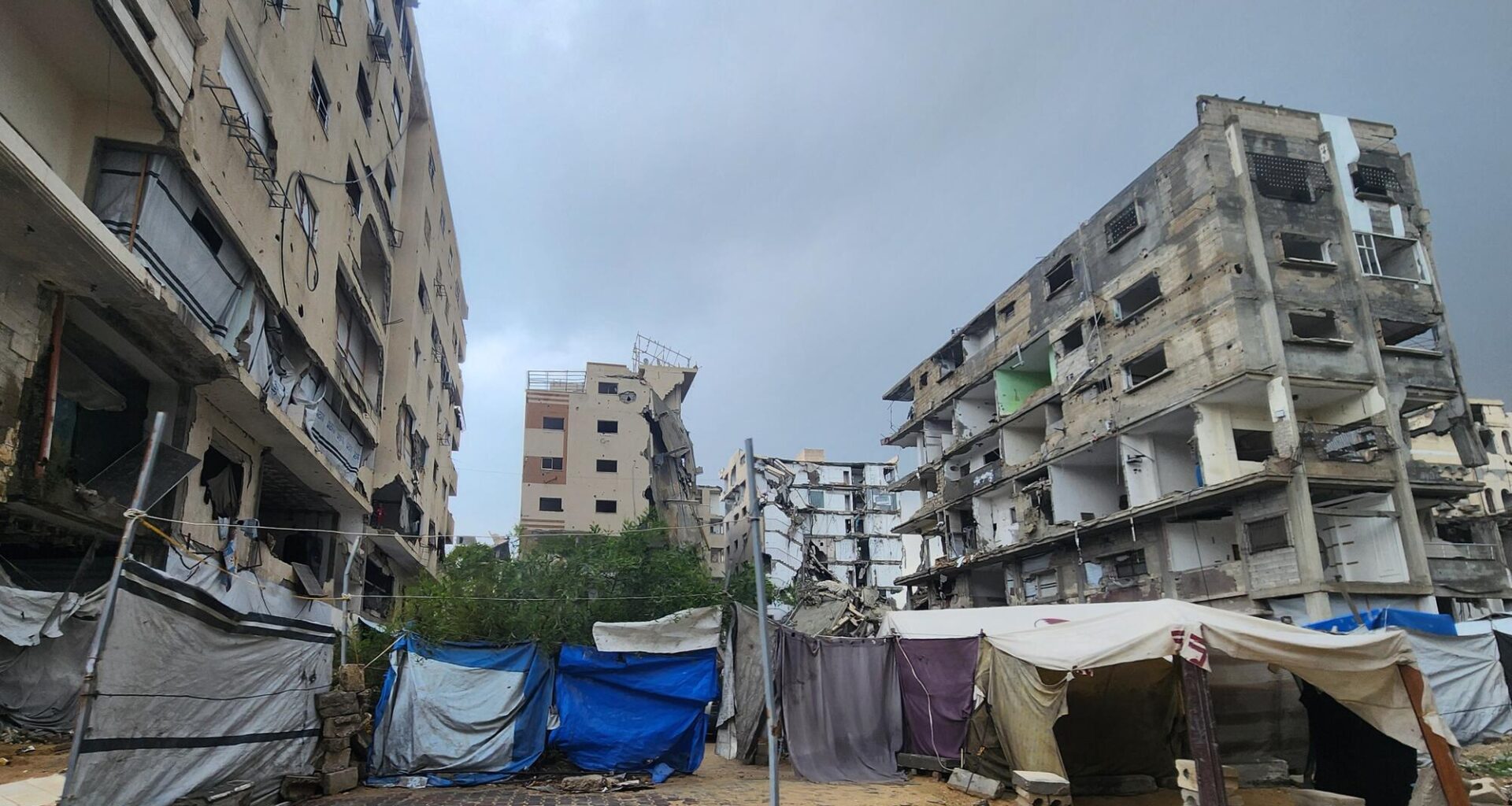
As Israel confines Palestinians into increasingly limited areas, families are being pushed into overcrowded and unlivable conditions, without sufficient access to clean water, sanitation services, shelter, or healthcare. These conditions are contributing to the spread of disease.
MSF teams have treated more than 11,000 cases of skin diseases, such as scabies, this year alone, while seeing more than 1,500 cases of chickenpox in June and July. MSF distributed around 2.1 million litres of drinking water per day in August, yet the scale of need remains far beyond what can be met under these restrictions.
“Most people have less than six litres of domestic-use water per day and limited access to basic hygiene items such as soap and detergent,” says Dr Murad Asaliyya, medical activities manager in Gaza. “We are treating gastroenteritis, acute respiratory infections, a lot of skin conditions, hepatitis, bacterial skin infections, scabies and lice.”
“At the same time, we are facing severe shortages in terms of medical supplies,” says Dr Asaliyya. “Even the cream we need to treat scabies has been restricted by the Israeli authorities.”