
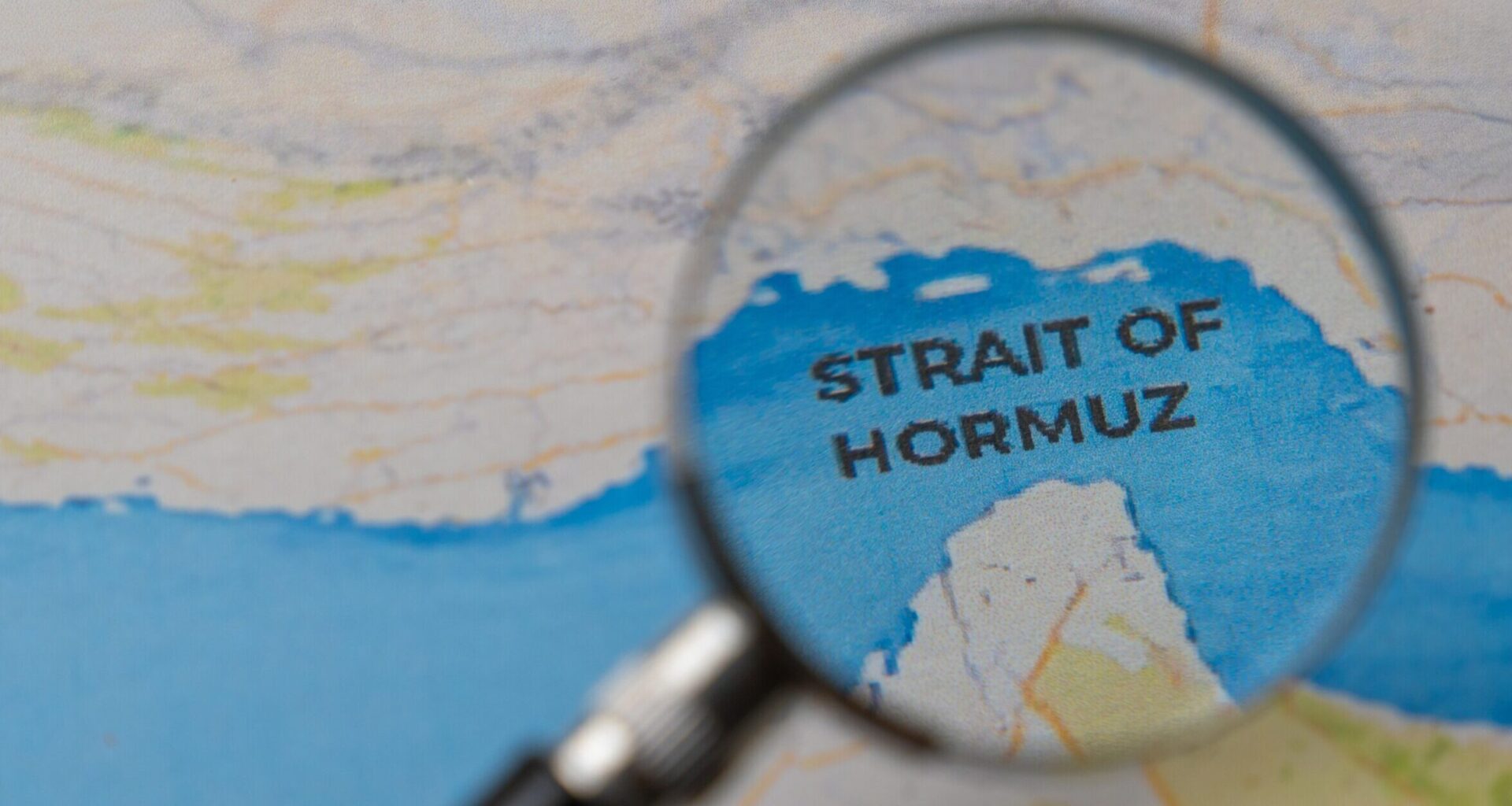
Efforts to restore normal maritime traffic through the Strait of Hormuz remain uncertain after Iran described the United States’ response to its seven-point proposal for reopening the strategic waterway as “insufficient”, signalling continued obstacles to a potential agreement.
Mohsen Rezaei, Iran’s security chief and Secretary of the Supreme National Security Council, was quoted by Iranian state media on 11 October as saying that Washington must clarify outstanding issues before Tehran would consider further progress, Reuters reports. He added that Iran would not reopen the strait to the United States or engage in negotiations until its conditions had been met.
Iran presented its proposal during the United Nations General Assembly, outlining conditions under which the Strait of Hormuz could reopen and normal maritime passage resume within seven days. The United States subsequently responded through Qatari intermediaries, although Tehran maintains that the reply failed to address its concerns adequately.
The latest developments follow remarks made by US President Donald Trump at the White House on 26 September, when he said Tehran had proposed reopening the strait immediately as part of a broader agreement. Trump said he had rejected the proposal.
Iranian Foreign Minister Abbas Araghchi subsequently acknowledged the US president’s remarks but said Tehran was awaiting an official response through mediators before determining its position.
According to Reuters, Iran said in late September that it had received an official US response to its latest proposal that had previously collapsed. The response came days after Trump publicly stated that he had rejected the proposal.
The differing accounts underline the challenges facing diplomatic efforts to resolve the conflict and restore maritime access through the strait. For the shipping industry, the immediate concern remains the uncertainty surrounding when normal commercial passage can resume.