
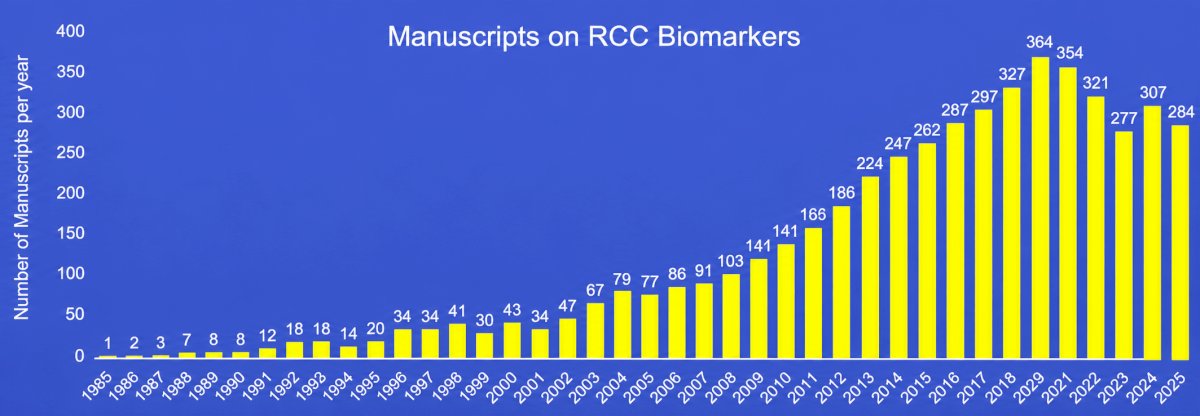
(UroToday.com) The 2026 North Central Section of the AUA annual meeting featured a kidney cancer panel session, which included Drs. Vidit Sharma, Bradley Leibovich, Lee Ponsky, and Ithaar Derweesh. Dr. Sharma started the discussion with a talk entitled “Biomarkers in Renal Cell Carcinoma (RCC): Can We Predict When to Use Adjuvant Immunotherapy?” Interest in RCC biomarkers has increased substantially over the past several decades, with a growing number of publications evaluating RCC biomarkers:
This expanding literature reflects the increasing recognition that conventional clinicopathologic characteristics alone may not fully capture the biologic heterogeneity of RCC. However, despite the proliferation of candidate biomarkers, their incorporation into routine clinical practice remains limited.
The clinical rationale for improved biomarker development begins with the variable outcomes observed across adjuvant immunotherapy trials in RCC. Dr. Sharma reviewed five major trials, highlighting important differences in treatment strategies and efficacy outcomes. KEYNOTE-5641-2 evaluated pembrolizumab for 1 year and demonstrated improvements in both disease-free survival and overall survival. More recently, LITESPARK-0223 evaluated pembrolizumab + belzutifan for 1 year and demonstrated a disease-free survival benefit, although overall survival data remain immature. In contrast, IMmotion010,4 evaluating 1 year of atezolizumab, CheckMate-914,5 evaluating ipilimumab + nivolumab, and PROSPER,6 evaluating approximately 1 year of nivolumab in a perioperative strategy, did not demonstrate improvements in disease-free survival or overall survival:
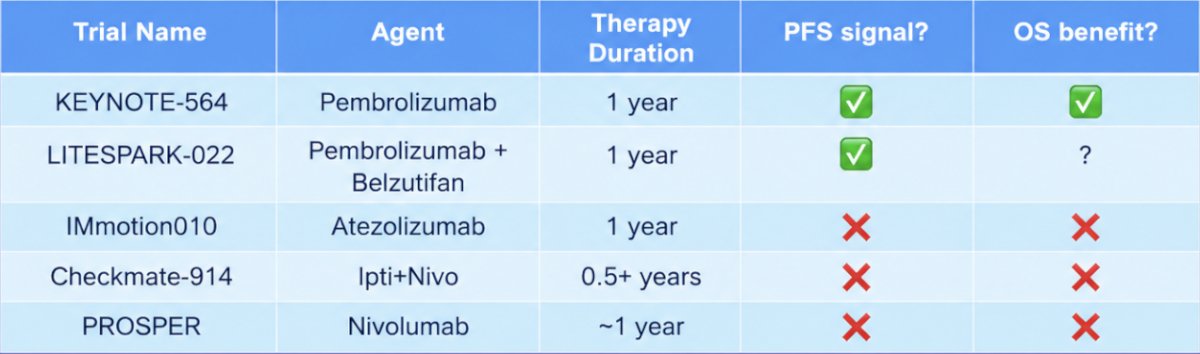
These findings suggest that the therapeutic benefit observed with adjuvant immunotherapy in RCC does not represent a uniform class effect. Rather, differences in treatment regimens, patient populations, and trial designs may contribute to the observed variability in outcomes. This reinforces the importance of selecting appropriate patients for adjuvant treatment and developing biomarkers capable of identifying those most likely to benefit.
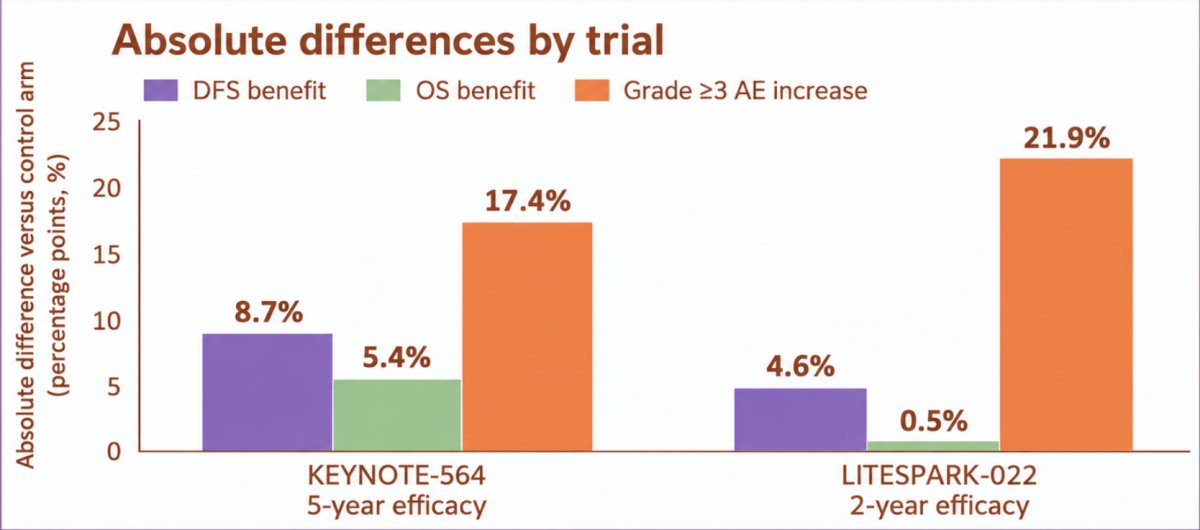
Dr. Sharma emphasized the importance of interpreting efficacy results alongside treatment-related toxicity. In KEYNOTE-564, the absolute disease-free survival benefit of 8.7% and overall survival benefit of 5.4% at 5 years were accompanied by a 17.4-percentage-point increase in grade ≥3 adverse events compared with placebo. Similarly, in LITESPARK-022, the 4.6% absolute disease-free survival improvement at 2 years and 0.5% numerical overall survival difference were accompanied by a 21.9-percentage-point increase in grade ≥3 adverse events.
Although adjuvant systemic therapy may reduce recurrence risk, not every patient undergoing nephrectomy for RCC will experience recurrence, and some patients may receive treatment without deriving a meaningful clinical benefit.
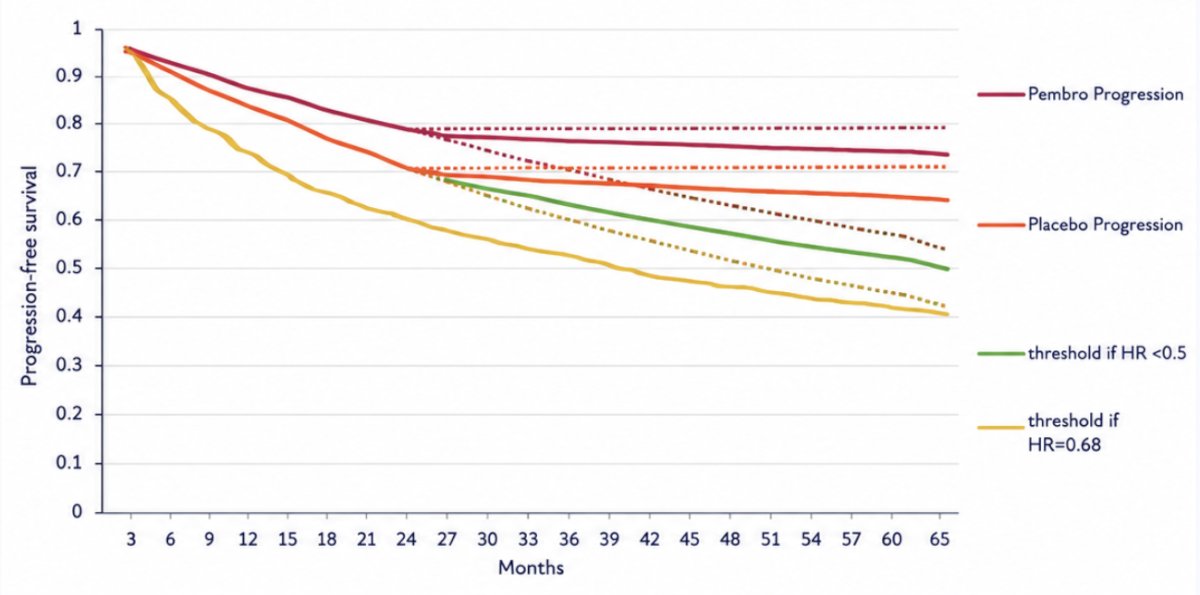
Dr. Sharma emphasized that there is currently no broadly accepted predictive biomarker for adjuvant immunotherapy in RCC. Nevertheless, accurate prognostication remains important. Even when the relative treatment effect is similar across risk groups, patients with a higher baseline probability of recurrence may derive a greater absolute benefit from treatment. Thus, improved identification of patients at increased risk of metastasis could facilitate more individualized discussions regarding the potential benefits and risks of adjuvant immunotherapy. Looking at subgroup analyses from KEYNOTE-564, patients classified as intermediate-high risk had a 24-month disease-free survival rate of 81.1% with pembrolizumab compared with 72.0% with placebo, corresponding to an HR of 0.68 (95% CI 0.52–0.89). In the high-risk subgroup, 24-month disease-free survival rates were 48.7% and 35.4%, respectively, with an HR of 0.60 (95% CI 0.33–1.10). In the M1 NED population, 24-month disease-free survival was 78.4% with pembrolizumab compared with 37.9% with placebo, corresponding to an HR of 0.28 (95% CI 0.12–0.66).
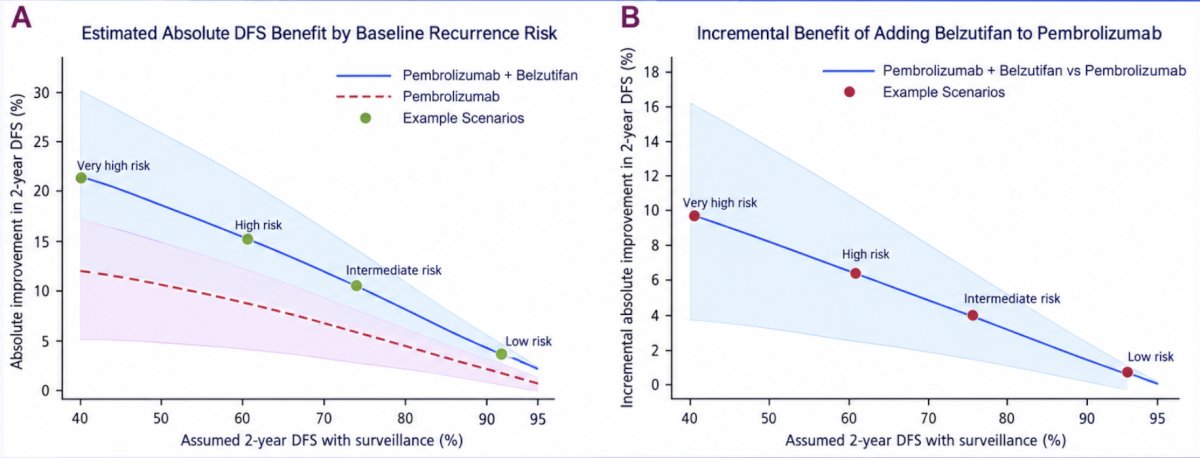
Das et al.7 have recently proposed a risk-adapted framework for evaluating the incremental benefit of adding belzutifan to pembrolizumab in resected clear cell RCC. The framework modeled the absolute improvement in 2-year disease-free survival according to baseline recurrence risk, demonstrating that the potential absolute benefit of pembrolizumab and pembrolizumab + belzutifan decreases as the expected disease-free survival with surveillance increases. Thus, patients with the greatest underlying risk of recurrence may experience the largest absolute improvement from systemic treatment, even when the relative treatment effect remains similar:
Using a Markov model, previous work from Dr. Sharma’s group demonstrated that the cost-effectiveness of adjuvant pembrolizumab was highly dependent on baseline recurrence risk.8 In this analysis, pembrolizumab was considered cost-effective for a subset of patients with a risk of progression greater than 59% during observation:
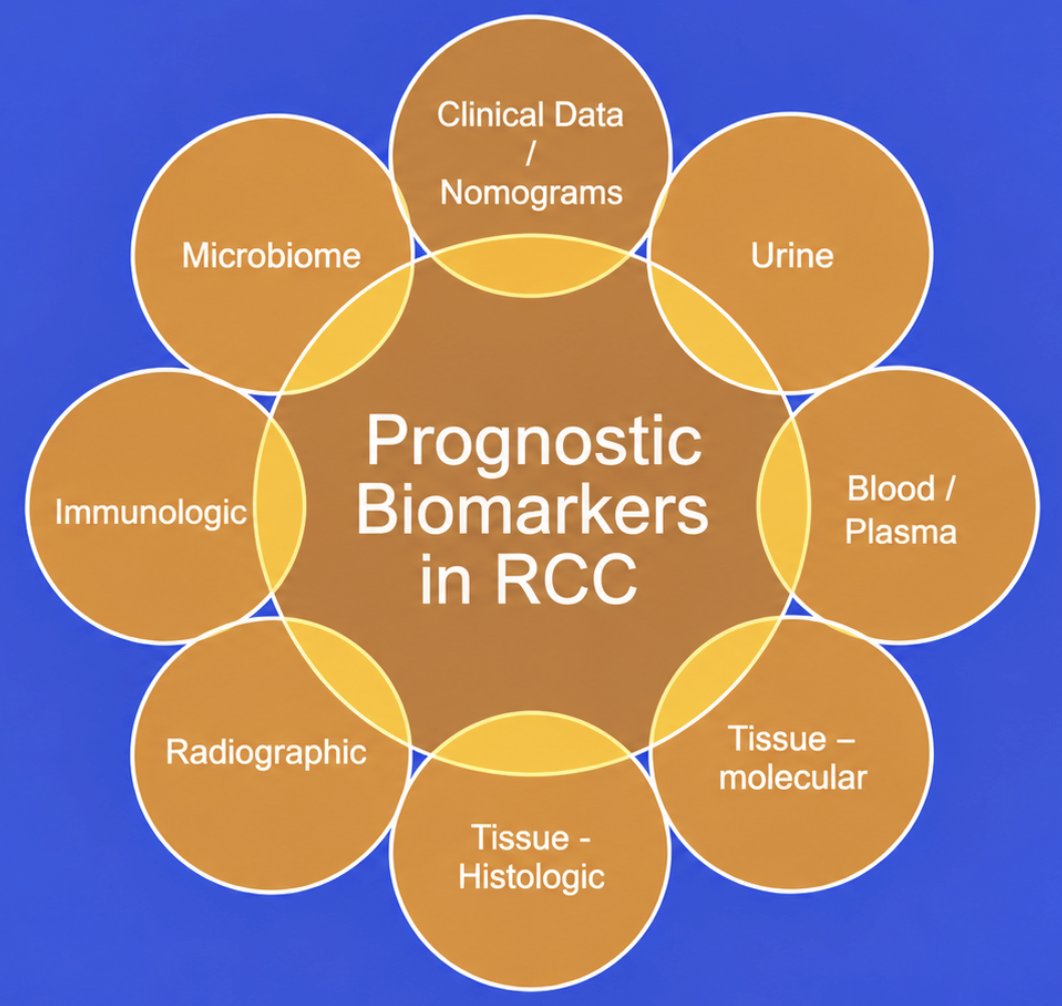
Having established the rationale for improved risk stratification, Dr. Sharma introduced the broad range of prognostic biomarkers currently being investigated in RCC. These included clinical data and nomograms, urine-based biomarkers, blood and plasma biomarkers, tissue-based molecular signatures, tissue histology, radiographic features, immunologic biomarkers, and the microbiome. Each approach offers a different opportunity to characterize tumor biology and estimate the risk of recurrence following nephrectomy:
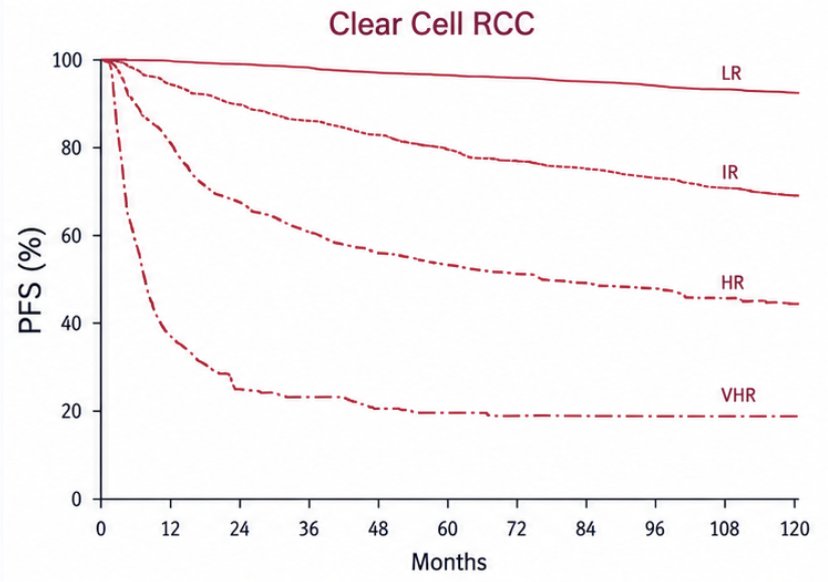
Among these approaches, clinical prognostic models remain the most established and readily applicable in routine practice. AUA low-risk disease includes pT1 tumors with grade 1/2 histology. Intermediate-risk disease includes pT1 grade 3/4 tumors or pT2 tumors of any grade, while high-risk disease includes pT3 tumors of any grade. Very-high-risk disease includes pT4 or pN1 disease, sarcomatoid or rhabdoid differentiation, or macroscopic positive surgical margins. In 2024, Dr. Sharma and colleagues provided Mayo Clinic validation of the AUA risk groups,9 showing that these classifications provide meaningful separation in progression-free survival across risk categories. In this analysis, the Mayo Clinic progression-free survival model demonstrated an AUC of 0.82 compared with an AUC of 0.78 for the AUA risk classification system:
The key clinical question is therefore not simply whether a novel biomarker is associated with recurrence, but whether it meaningfully improves prognostic performance beyond existing clinical models. Given the established discriminatory ability of clinical nomograms, any new biomarker must demonstrate incremental value, ideally through improved risk classification, calibration, and clinically meaningful treatment decisions.
Dr. Sharma next examined circulating biomarkers, focusing initially on kidney injury molecule-1 (KIM-1). In 2024, Xu and colleagues10 evaluated preoperative plasma KIM-1 as a potential biomarker for distinguishing RCC from benign renal masses and predicting oncologic outcomes following nephrectomy. In this study of 162 patients, preoperative plasma KIM-1 levels were associated with metastasis-free survival following nephrectomy. Patients were stratified according to KIM-1 quartiles, with higher concentrations associated with less favorable oncologic outcomes:
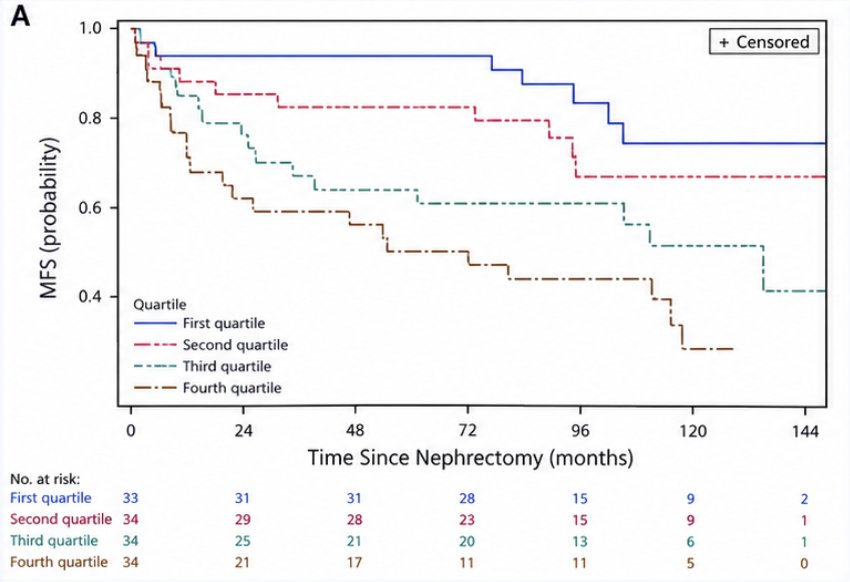
Although these findings support the potential prognostic utility of plasma KIM-1, Dr. Sharma emphasized that the incremental benefit of incorporating KIM-1 into established clinical nomograms remains uncertain.
Regarding tissue-based molecular biomarkers, Dr. Sharma highlighted the development and validation of a 15-gene RNA expression signature for clear cell RCC reported by Mehra and colleagues.11 The initial study included 110 patients undergoing radical nephrectomy and utilized an RNA-based gene expression signature incorporating cell-cycle progression-associated genes. The signature was subsequently externally validated across two datasets comprising 761 patients. Across the validation cohorts, the 15-gene signature demonstrated concordance indices ranging from 0.65 to 0.79 for predicting disease-free survival.
Beyond molecular profiling, Dr. Sharma reviewed the growing role of digital histopathology and artificial intelligence in RCC prognostication. Recently, Xiong et al.12 evaluated an artificial intelligence-based platform capable of performing tumor identification, histologic subtype classification, tumor grading, and prognostic assessment using digitized pathology slides. This approach incorporates whole-slide histopathologic images into a computational framework that extracts tumor features and generates prognostic scores. The investigators demonstrated the feasibility of using artificial intelligence to predict disease-specific outcomes, with model performance characterized by a concordance index of approximately 0.70. Although these results are encouraging, the prognostic accuracy remains comparable to, rather than clearly superior to, existing clinical models.
Radiographic biomarkers, specifically radiomics, involve the extraction of quantitative imaging features that may reflect underlying tumor biology. Dr. Sharma highlighted a multicenter retrospective study by Zhang et al.13 evaluating an interpretable machine-learning radiomics model for predicting 5-year recurrence-free survival in patients with nonmetastatic clear cell RCC. The study included 559 patients divided into a primary training cohort and two external validation cohorts. The investigators utilized CT imaging, tumor segmentation, radiomic feature extraction, and machine-learning algorithms to develop a prognostic model. Across the evaluated cohorts, model discrimination ranged from an AUC of 0.73 to 0.81, with an overall performance of approximately 0.75.
Dr. Sharma also discussed the potential advantages of integrating multiple biomarker modalities rather than relying on a single source of prognostic information. Zhang et al.14 evaluated an MMAI model incorporating clinical characteristics, radiographic features, and digital histopathology for prognostication in clear cell RCC. The study included 1,648 patients from six centers and the TCGA. The multimodal model demonstrated an AUC of 0.84, compared with approximately 0.70 for the compressed Leibovich score:
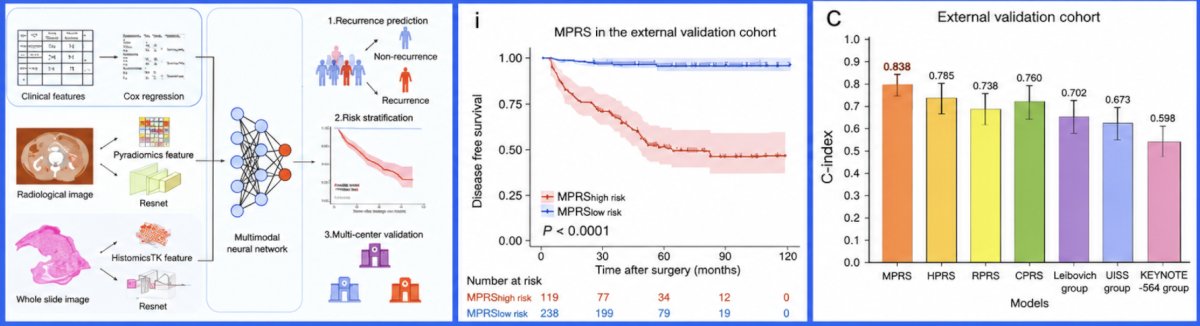
Dr. Sharma emphasized that multimodal approaches may represent the future of RCC biomarker development. Rather than attempting to identify a single biomarker capable of accurately predicting recurrence, combining clinical nomograms, digital pathology, radiomics, and molecular sequencing may provide a more comprehensive assessment of tumor biology and postoperative recurrence risk.
Minimal residual disease (MRD) assessment is an area with particular relevance to adjuvant treatment selection. Unlike conventional prognostic biomarkers, which estimate recurrence risk based on baseline tumor characteristics, MRD biomarkers seek to identify evidence of persistent disease following definitive local treatment. Dr. Sharma highlighted two potential approaches to MRD assessment in RCC: circulating tumor DNA (ctDNA) and KIM-1. Both have generated considerable interest as potential tools for identifying patients at increased risk of recurrence following nephrectomy and, potentially, predicting benefit from adjuvant systemic therapy.
Although the IMmotion010 trial did not demonstrate a disease-free survival benefit with atezolizumab, the biomarker analysis suggested that baseline KIM-1 levels may identify patients with differential treatment outcomes. Among patients with high KIM-1 levels, atezolizumab was associated with improved disease-free survival compared with placebo (HR 0.72, 95% CI 0.52–0.99), whereas patients with low KIM-1 levels did not demonstrate a similar benefit (HR 1.20, 95% CI 0.88–1.63):15
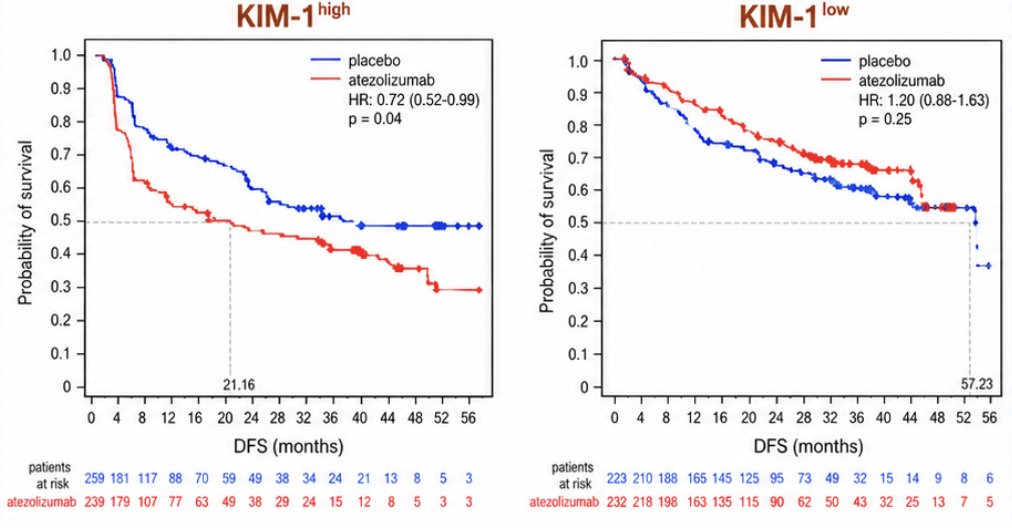
These results raise the possibility that KIM-1 may function as more than a prognostic biomarker; however, the findings remain exploratory. Dr. Sharma estimated that the treatment-by-biomarker interaction p-value may fall between 0.02 and 0.05, although prospective validation will be necessary to determine whether KIM-1 can reliably identify patients who derive greater benefit from adjuvant immune checkpoint inhibition.
Unlike KIM-1, which may reflect both tumor biology and kidney injury, tumor-informed ctDNA assays seek to identify tumor-specific genetic alterations in circulating blood. In principle, detection of ctDNA following nephrectomy may indicate persistent microscopic disease and identify patients at particularly high risk of recurrence. At ASCO GU 2026, Dr. Choueiri presented an exploratory ctDNA analysis from KEYNOTE-564, which included 736 patients and evaluated ctDNA detection using both 16-plex and 64-plex tumor-informed assays. The proportion of patients with detectable ctDNA was relatively low, with 5.4% testing positive using the 16-plex assay and 8.2% testing positive using the 64-plex assay.
With the 16-plex assay, baseline ctDNA demonstrated a sensitivity of 12% (17/146) and specificity of 98% (224/228) in the pembrolizumab arm, compared with a sensitivity of 10% (18/173) and specificity of 99% (188/189) in the placebo arm. Using the 64-plex assay, sensitivity increased to 15% (22/146) in the pembrolizumab arm and 15% (26/173) in the placebo arm, while specificity remained high at 96% (220/228) and 98% (185/189), respectively.
Among patients receiving pembrolizumab, the 24-month disease-free survival rate was 78.8% in ctDNA-negative patients compared with 38.8% in ctDNA-positive patients (p < 0.0001). In the placebo arm, the 24-month disease-free survival rate was 72.9% among ctDNA-negative patients compared with 18.3% among ctDNA-positive patients (p < 0.0001).
Thus, detectable ctDNA following nephrectomy identifies a population at increased risk of disease recurrence, regardless of whether patients receive adjuvant pembrolizumab. However, the low sensitivity of ctDNA detection limits its ability to reliably exclude minimal residual disease in patients with negative results.
To conclude his portion of the session, Dr. Sharma emphasized that RCC biomarker development is entering an exciting period, with advances in clinical prognostic modeling, molecular sequencing, digital pathology, radiomics, and circulating biomarkers offering new opportunities to individualize postoperative management. These complementary sources of information may provide a more comprehensive assessment of tumor biology and recurrence risk than any individual biomarker. Among circulating biomarkers, KIM-1 appears particularly promising given its potential role in both prognostication and MRD assessment. Tumor-informed ctDNA represents another promising approach, particularly because of its high specificity and ability to identify patients at increased risk of recurrence following nephrectomy. While detectable ctDNA may identify patients with aggressive residual disease who could benefit from treatment intensification, undetectable ctDNA cannot reliably exclude microscopic disease or justify withholding adjuvant treatment.
Dr. Leibovich continued the panel discussion with his presentation “The Evolving Role of Cytoreductive Nephrectomy in Metastatic Renal Cell Carcinoma.” Dr. Leibovich began by outlining the rationale for cytoreductive nephrectomy, highlighting several potential advantages and disadvantages of removing the primary renal tumor in patients with metastatic disease. Potential benefits include reducing complications associated with the primary tumor, including paraneoplastic syndromes and bleeding, removing a potential source of additional metastatic dissemination, and modifying the immunologic environment. Furthermore, responses to systemic therapy within the primary renal tumor may be less robust than responses observed at metastatic sites. The TRACERx Renal study16 demonstrated the complex evolutionary processes underlying metastatic dissemination and suggested that the primary tumor may serve as an evolutionary reservoir from which additional metastatic clones emerge. Consequently, removing the primary tumor may reduce the potential for subsequent metastatic seeding.
However, several concerns remain regarding cytoreductive nephrectomy, including the possibility of rapid postoperative disease progression, surgical morbidity, and the lack of definitive randomized evidence demonstrating a survival advantage when cytoreductive nephrectomy is combined with contemporary systemic therapies. Importantly, as systemic treatments continue to improve, the relative contribution of surgery to long-term outcomes remains uncertain.
Dr. Leibovich subsequently reviewed the historical evolution of systemic therapy for metastatic RCC, beginning with the cytokine era between 1992 and 2005. During this period, high-dose IL-2 and interferon-alpha represented the principal systemic treatment options. Although objective responses were limited to a minority of patients, durable complete responses were possible with high-dose IL-2. The first randomized evidence supporting cytoreductive nephrectomy emerged during this period. Two landmark trials, conducted by the SWOG and EORTC, compared nephrectomy followed by interferon-alpha with interferon-alpha alone. A combined analysis of the two trials, encompassing 331 patients, demonstrated median overall survival of 13.6 months with nephrectomy followed by interferon-alpha compared with 7.8 months with interferon-alpha alone (p = 0.002).17 Response rates were 6.9% and 5.7%, respectively (p = 0.60):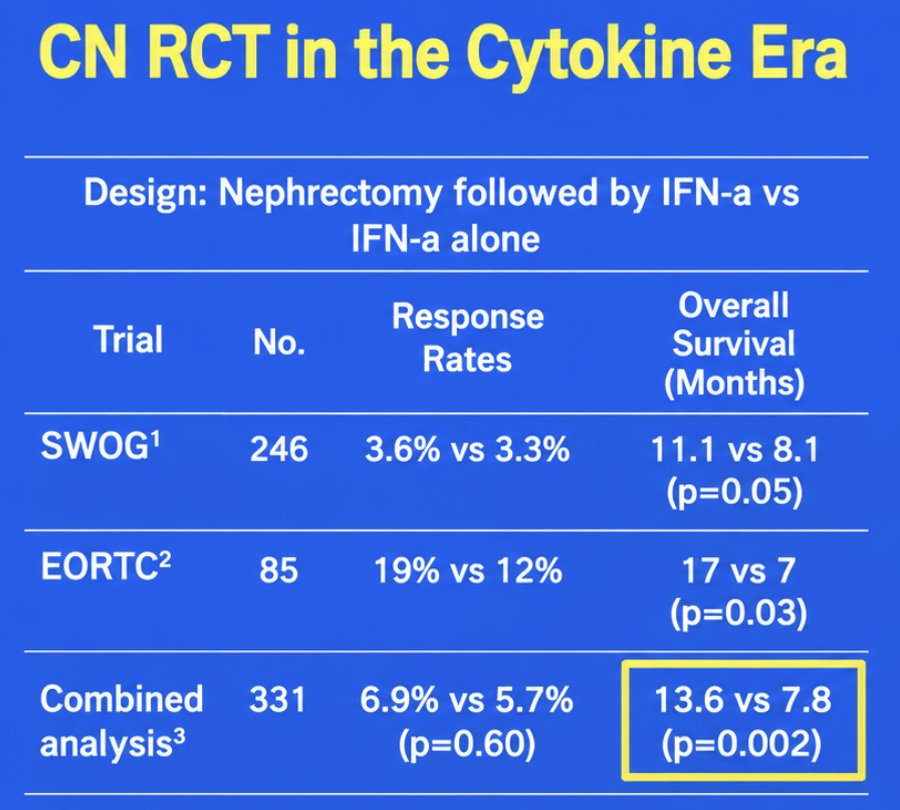
These results established cytoreductive nephrectomy followed by systemic therapy as a standard treatment strategy for appropriately selected patients with metastatic RCC during the cytokine era.
Between 2005 and 2014, multiple targeted therapies became available, including sorafenib, sunitinib, temsirolimus, bevacizumab + interferon-alpha, everolimus, pazopanib, and axitinib. Despite these improvements, Dr. Leibovich emphasized that much of the evidence supporting cytoreductive nephrectomy during the targeted therapy era came from retrospective analyses rather than randomized trials. In 2011, Choueiri et al.18 evaluated 314 patients with metastatic RCC receiving VEGF-targeted therapy, including 201 who underwent cytoreductive nephrectomy and 113 who did not. The median overall survival was 19.8 months among patients undergoing cytoreductive nephrectomy compared with 9.4 months among those managed without cytoreductive nephrectomy. After multivariable adjustment for Heng risk factors, cytoreductive nephrectomy remained associated with improved survival (HR 0.68).
Dr. Leibovich also highlighted an NCDB analysis19 examining initial cytoreductive nephrectomy versus initial targeted therapy among 15,068 patients treated between 2006 and 2013. Of these, 6,731 underwent initial cytoreductive nephrectomy and 8,337 received initial targeted therapy. After inverse probability of treatment weighting to account for treatment selection, initial cytoreductive nephrectomy was associated with improved overall survival in the overall cohort (HR 0.62, 95% CI 0.59–0.65, p < 0.001). Similar findings were observed in patients with clear cell RCC (HR 0.61, 95% CI 0.58–0.65, p < 0.001) and non-clear cell RCC (HR 0.73, 95% CI 0.64–0.84, p < 0.001):
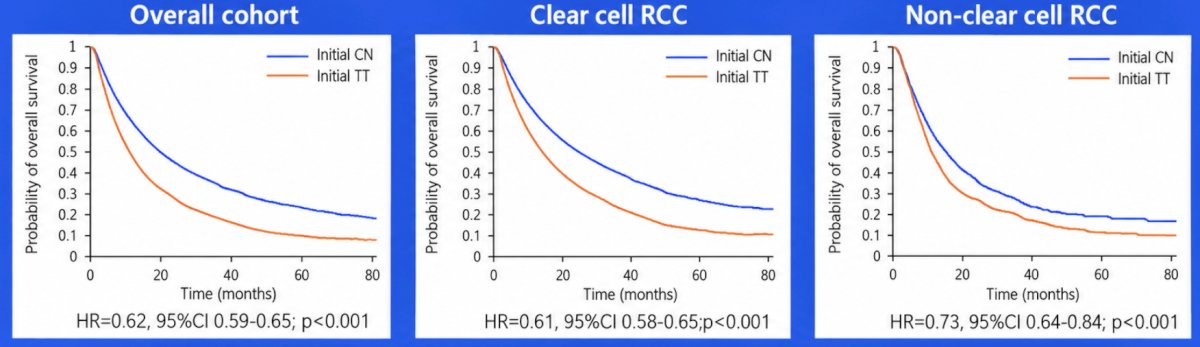
The median overall survival was 16.5 months with initial cytoreductive nephrectomy compared with 9.2 months with initial targeted therapy. Collectively, the observational study literature suggested a consistent association between cytoreductive nephrectomy and improved survival during the targeted therapy era. Nevertheless, Dr. Leibovich emphasized the inherent limitations of retrospective studies, particularly selection bias, as patients undergoing cytoreductive nephrectomy generally have more favorable clinical characteristics than those managed without surgery.
Dr. Leibovich then discussed the two prospective randomized trials that challenged the routine use of upfront cytoreductive nephrectomy during the targeted therapy era: SURTIME20 and CARMENA.21 SURTIME was designed to compare immediate cytoreductive nephrectomy followed by sunitinib with deferred cytoreductive nephrectomy after initial sunitinib. The original study planned to enroll 458 patients, with progression-free survival as the primary endpoint and an anticipated improvement from 9 to 12 months with deferred cytoreductive nephrectomy. However, poor accrual resulted in only 64 patients being enrolled over 3 years, and the trial was subsequently revised to evaluate progression-free rate at 28 weeks.
The sequence of cytoreductive nephrectomy and sunitinib did not significantly affect progression-free rate at 28 weeks (HR 0.88, 95% CI 0.56–1.37, p = 0.57). However, an exploratory overall survival analysis suggested improved survival with deferred cytoreductive nephrectomy (HR 0.57, 95% CI 0.34–0.95, p = 0.03). Given the limited accrual, these findings were considered hypothesis-generating rather than definitive.
The CARMENA trial subsequently randomized patients with metastatic RCC to nephrectomy followed by sunitinib versus sunitinib alone. The study was designed to enroll 576 patients and directly challenged the assumption that upfront cytoreductive nephrectomy was necessary for all patients receiving systemic therapy. CARMENA demonstrated that sunitinib alone was noninferior to nephrectomy followed by sunitinib for overall survival in the studied population:
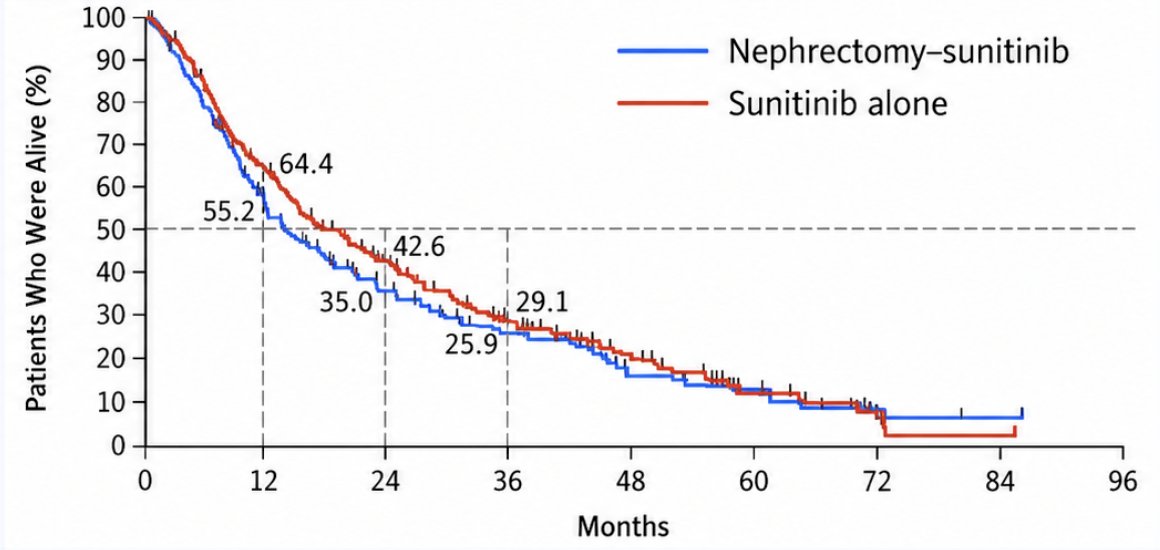
However, Dr. Leibovich noted several limitations that complicate extrapolation of these findings to all patients with metastatic RCC. First, accrual was slow, averaging approximately 0.7 patients per site per year. Although the study initially planned to enroll 576 patients over 4 years, enrollment closed after more than 8 years with 450 patients. Second, the trial population was enriched for patients with higher-risk disease, with 43% classified as poor risk. Advanced primary tumors (T3/T4) were present in 70% of patients assigned to surgery and 51% assigned to sunitinib alone. Furthermore, patients had substantial metastatic disease burden, with the primary renal tumor accounting for only 63% of the overall tumor burden. Third, protocol adherence was imperfect. In the nephrectomy-sunitinib arm, 18% did not receive sunitinib, and 7% did not undergo nephrectomy. In the sunitinib-alone arm, 5% did not receive sunitinib, while 17% subsequently underwent delayed nephrectomy.
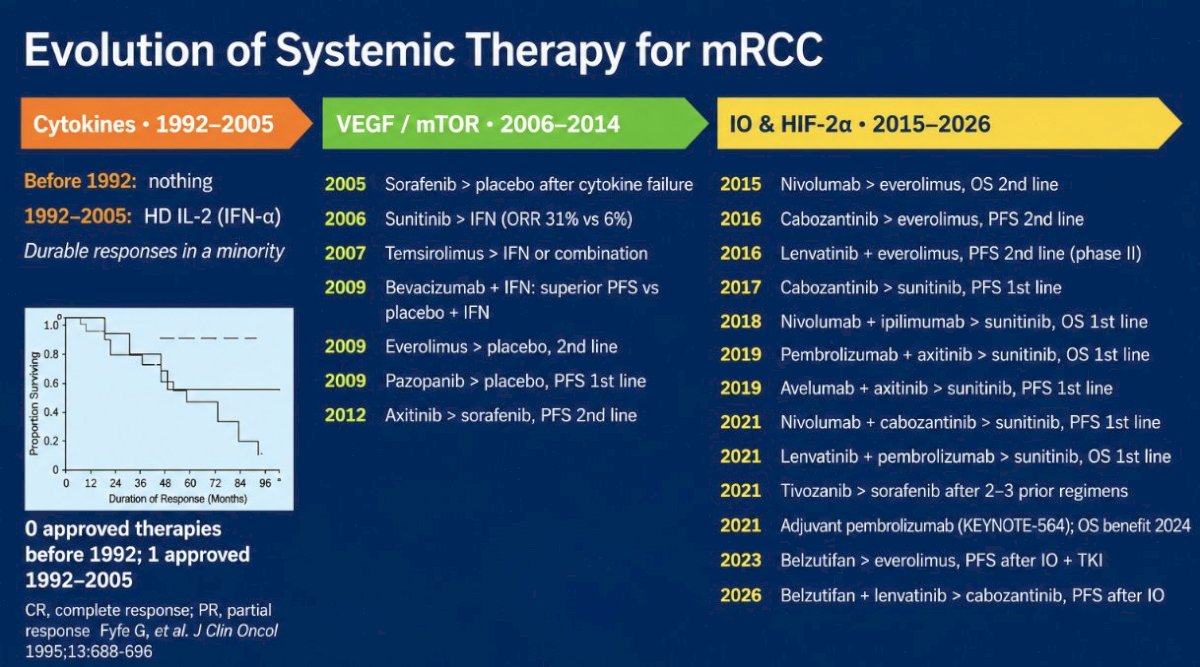
Since the breakthrough immunotherapy era, there have been an additional 13 FDA approvals from 2015-2026:
Transitioning to contemporary evidence, Dr. Leibovich highlighted several considerations supporting continued use of cytoreductive nephrectomy in selected patients. First, patients with limited metastatic disease may experience prolonged intervals without systemic therapy following removal of the primary tumor. Second, nonrandomized studies continue to demonstrate associations between cytoreductive nephrectomy and improved survival. Third, the morbidity and mortality associated with surgery must remain acceptably low. Finally, the optimal timing of cytoreductive nephrectomy may be particularly important in the modern immunotherapy era.
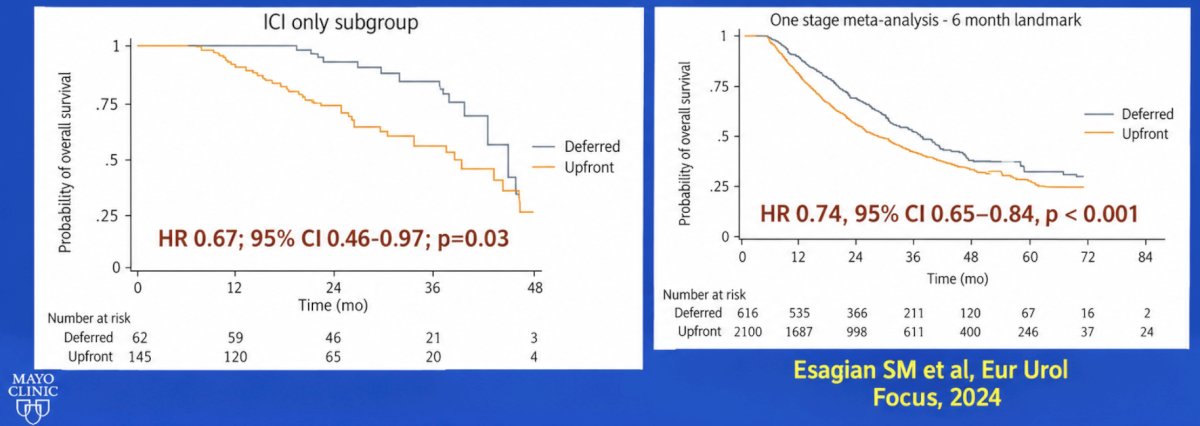
Building on this discussion, Dr. Leibovich highlighted the emerging evidence supporting deferred cytoreductive nephrectomy following an initial period of systemic therapy. Rather than proceeding directly to nephrectomy, this approach allows clinicians to assess disease biology and treatment responsiveness before committing patients to surgery. Patients who demonstrate a favorable response or prolonged disease stability may represent a population more likely to benefit from cytoreductive nephrectomy, whereas those experiencing rapid progression can avoid an operation that may provide little clinical benefit. One of the more important contemporary analyses presented was a systematic review and individual patient data meta-analysis by Esagian et al.22 examining upfront versus deferred cytoreductive nephrectomy in metastatic RCC. The analysis included 12 studies, including 2 randomized trials, encompassing 3,323 patients. In the subgroup receiving immune checkpoint inhibitor-based therapy, deferred cytoreductive nephrectomy was associated with improved overall survival compared with upfront cytoreductive nephrectomy (HR 0.67, 95% CI 0.46–0.97, p = 0.03). Additionally, a one-stage meta-analysis using a 6-month landmark demonstrated improved overall survival with deferred cytoreductive nephrectomy compared with upfront cytoreductive nephrectomy (HR 0.74, 95% CI 0.65–0.84, p < 0.001):
Currently, there are several important clinical trials ongoing that will help to position cytoreductive nephrectomy in the current systemic therapy treatment landscape: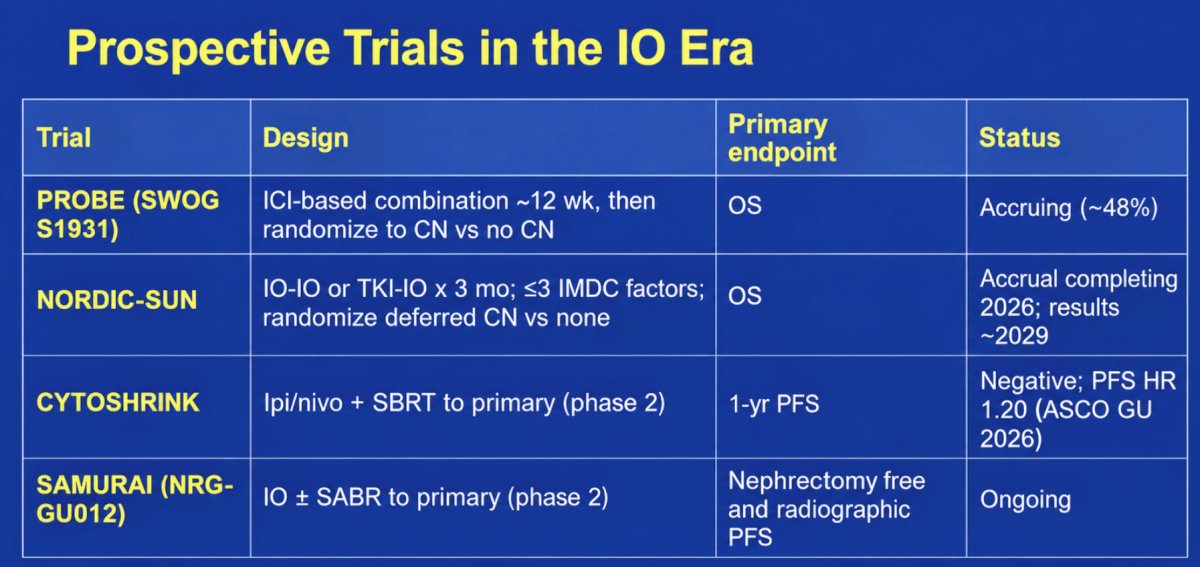
However, until these trials read out, cytoreductive nephrectomy in the immunotherapy era relies on retrospective data and patient selection.
Dr. Leibovich also highlighted the potential role of complete surgical metastasectomy in carefully selected patients with metastatic RCC. Work from his group published in 202023 evaluated outcomes following complete metastasectomy in the post-cytokine era. This retrospective study included 586 patients who developed their first metastatic recurrence of RCC between 2006 and 2017, of whom 158 underwent complete surgical metastasectomy. Among these patients, 147 (93%) were treatment-naïve at the time of resection. Only 48 (33%) subsequently required systemic therapy, with a median time to systemic treatment initiation of 1.6 years. The median overall survival following complete metastasectomy was 7.2 years, while median cancer-specific survival was not reached. Kaplan-Meier analyses demonstrated improved cancer-specific and overall survival among patients undergoing complete metastasectomy compared with those who did not undergo complete resection: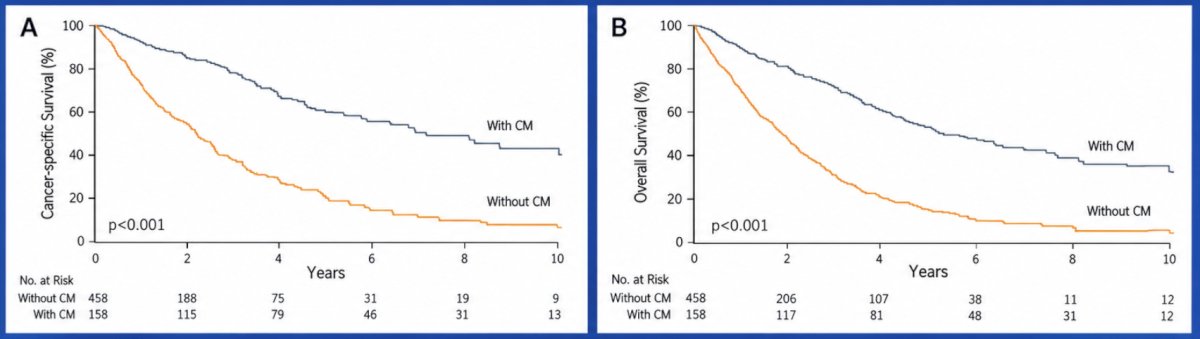
On multivariable analysis, complete metastasectomy was associated with a significantly lower risk of RCC-specific mortality (HR 0.47, 95% CI 0.34–0.65, p < 0.001), representing an approximately 53% reduction in the hazard of RCC-related death. Notably, this association persisted regardless of patient age, sex, timing of metastatic recurrence, number of metastatic lesions, or location of metastases. Beyond the observed survival association, complete resection may provide a meaningful interval free from systemic therapy and its associated toxicities.
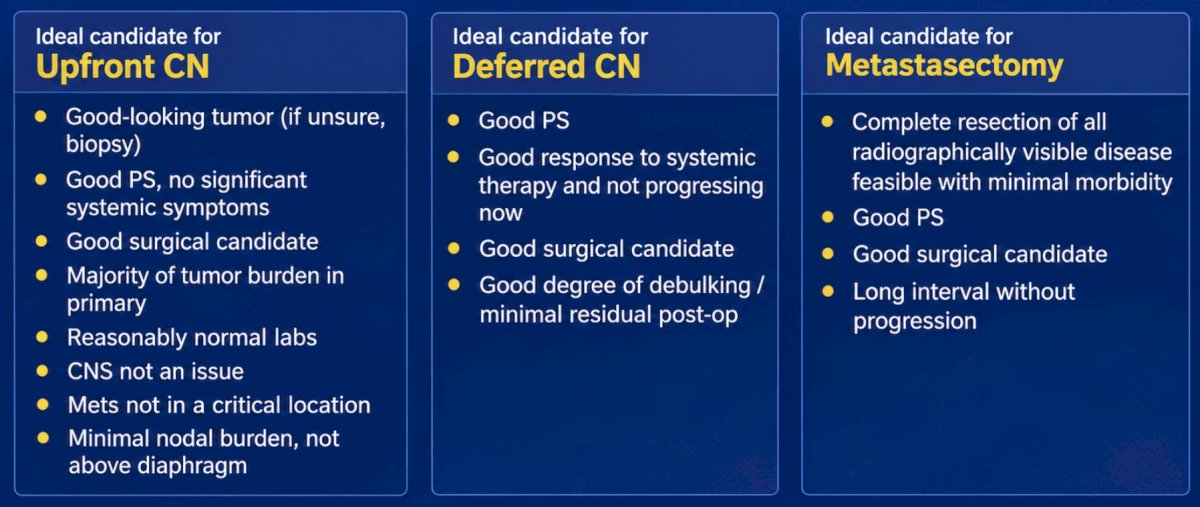
To conclude his presentation, Dr. Leibovich provided the following summary slide highlighting ideal candidates for upfront cytoreductive nephrectomy, deferred cytoreductive nephrectomy, and metastasectomy:
Dr. Ponsky was next, with his discussion on “Pushing the Envelope: How Far Should We Go With Ablation and Active Surveillance for Renal Masses?” Dr. Ponsky started by emphasizing that innovation in renal mass management is already occurring and accelerating. Rather than resisting advances that challenge traditional surgical approaches, he argued that urologists have a responsibility to evaluate, validate, and implement treatments that meaningfully benefit patients. The patient must be placed ahead of any particular procedure or revenue-generating intervention. He stressed that nephron-sparing and treatment-sparing approaches should both be considered legitimate treatment objectives, concluding that, in selected patients, the best operation may be the one that is never performed.
Currently, there is a problem of renal mass overdiagnosis, driven in part by the widespread use of cross-sectional imaging. Many RCCs are now detected incidentally, with approximately 70% diagnosed at stage I. Importantly, 15–20% of surgically removed renal tumors measuring less than 4 cm are benign, highlighting the potential for unnecessary intervention when imaging findings alone drive treatment decisions. Despite increasing detection, the relationship between RCC incidence and mortality remains discordant. Between 2015 and 2019, RCC incidence in the United States increased by approximately 1% annually, whereas mortality declined by approximately 2% annually between 2016 and 2020. Many small renal masses exhibit indolent biology, although conventional imaging cannot reliably distinguish benign lesions from biologically aggressive tumors.
Transitioning to active surveillance, Dr. Ponsky highlighted the maturity of contemporary evidence supporting observation in appropriately selected patients. In the prospective Delayed Intervention and Surveillance for Small Renal Masses (DISSRM) registry, 958 patients were followed, with 12-year cancer-specific survival of 99.8% among patients managed with active surveillance compared with 99.3% among those undergoing intervention (p = 0.43). Additional evidence from a meta-analysis by Klatte et al.24 involved 2,066 patients, demonstrating a metastasis rate of 2.1% and RCC-specific mortality of 1.0%. Among renal masses measuring 4 cm or less, the RCC-specific mortality was 0.6%. Dr. Ponsky also highlighted a national cohort of 1,393 patients in which the 5-year incidence of metastasis was 2.3%, the 5-year incidence of local treatment was 21%, and cancer-specific outcomes remained favorable. Active surveillance requires structured follow-up rather than passive observation. Successful surveillance incorporates scheduled imaging, clearly defined triggers for intervention, and shared decision-making. Current AUA guidance supports consideration of active surveillance for solid enhancing renal masses measuring less than 2 cm or predominantly cystic lesions, with delayed intervention remaining an option when clinical or radiographic circumstances change.
Dr. Ponsky subsequently discussed thermal ablation, emphasizing that these techniques should no longer be considered experimental in appropriately selected patients. AUA guidance recognizes thermal ablation as an alternative treatment approach for selected clinical T1a renal masses measuring less than 3 cm, with renal mass biopsy preferred before treatment or at the time of ablation. He reviewed several studies demonstrating favorable long-term oncologic outcomes with ablative approaches. A 20-year single-center cohort of 129 patients demonstrated 15-year cancer-specific survival of 96%. Similarly, a 307-patient cryoablation cohort reported 15-year disease-specific survival of 99% and local progression-free survival of 95%. The potential advantages of thermal ablation must be weighed against higher local recurrence rates compared with surgery, emphasizing that longitudinal imaging surveillance and the possibility of repeat treatment should be incorporated into pretreatment counseling.
To contextualize the available modalities, Dr. Ponsky presented pooled 5-year local control estimates encompassing 8,910 patients across heterogeneous observational cohorts:
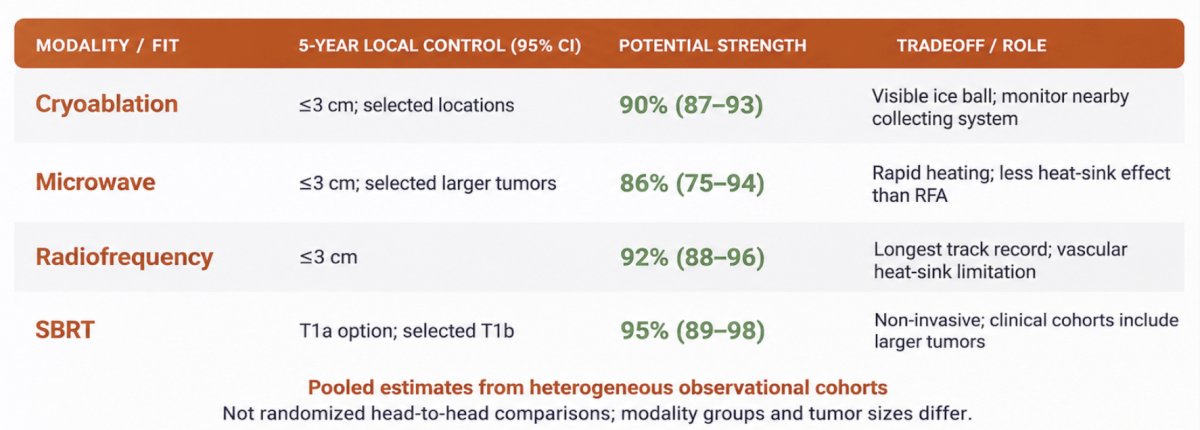
Dr. Ponsky cautioned that these pooled estimates should not be interpreted as randomized head-to-head comparisons. The included studies differed in patient selection, tumor size, anatomical complexity, and treatment technique, limiting direct comparisons between modalities. Nevertheless, the available data demonstrate that multiple approaches can achieve durable local control when applied to appropriately selected renal masses.
He further compared active surveillance, cryoablation, microwave ablation, and stereotactic body radiotherapy (SBRT) across practical treatment considerations, including anesthesia requirements, heat-sink effects, management of multiple lesions, anatomical applicability, renal function preservation, long-term cancer control, and treatment invasiveness:
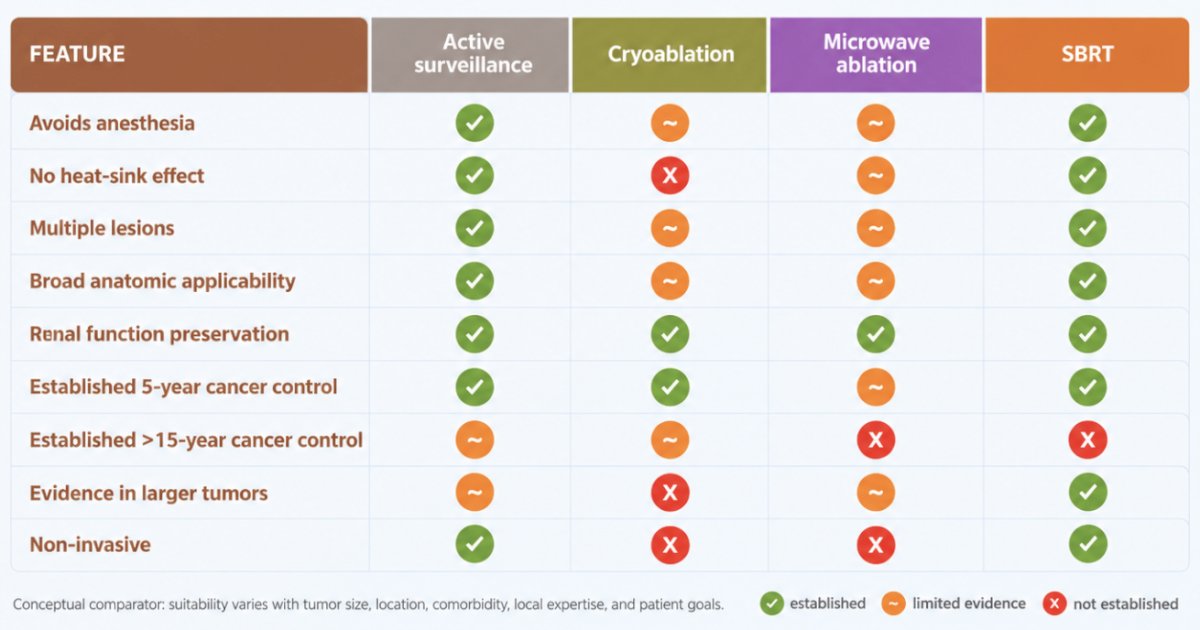
The optimal approach depends on tumor size, location, comorbidities, local expertise, and patient goals rather than any single modality being universally superior.
Dr. Ponsky then focused on SBRT as one of the more faster moving spaces in renal mass management. Dr. Ponsky emphasized that a comprehensive discussion of renal mass treatment should include consideration of SBRT, particularly when surgery is not feasible. The FASTRACK II study enrolled 70 patients with a median tumor diameter of 4.6 cm. At a median follow-up of 43 months, no cancer-related deaths were reported, with grade 3 adverse events occurring in 10% of patients and no grade 4 adverse events. Additionally, there was 100% local control at 12 months, supporting the potential efficacy of SBRT in a population with tumors larger than those typically selected for percutaneous thermal ablation. In a pooled FASTRACK analysis, the 5-year local control was 98%, with grade 3 adverse events occurring in 8% of patients and no grade 4 adverse events or treatment-related deaths. Similarly, the IROCK experience involving 190 patients reported 5-year local control of 94.5%. One grade 4 adverse event occurred, with no grade 3 adverse events reported. A single-fraction approach was associated with fewer local failures (p = 0.020). Dr. Ponsky noted that NCCN version 1.2026 includes SBRT among treatment options for selected patients with T1b disease, reflecting the growing recognition of radiation-based treatment as a potential definitive approach for localized RCC.
In contrast to the increasingly mature evidence supporting SBRT, Dr. Ponsky provided a more cautious assessment of high-intensity focused ultrasound (HIFU) for renal tumors. He characterized HIFU as investigational and not yet suitable for routine clinical use. Several technical limitations remain, including attenuation of extracorporeal ultrasound energy by ribs and adipose tissue, as well as respiratory motion that can compromise accurate energy delivery and result in incomplete ablation. Although laparoscopic HIFU has demonstrated proof of concept, the available evidence remains insufficient to support widespread clinical implementation.
The final portion of the presentation shifted from individual treatment modalities to the broader responsibilities of the urologist in an increasingly complex therapeutic landscape. Dr. Ponsky emphasized that physicians should serve as trusted patient advocates, evaluating and integrating available evidence before guiding treatment decisions. He identified three essential elements of professional leadership: (i) prioritizing outcomes rather than procedural volume, (ii) developing sufficient expertise to understand and counsel patients regarding available treatment options, and (iii) coordinating multidisciplinary care. As renal mass management increasingly involves urologists, interventional radiologists, radiation oncologists, and other specialists, it is important to ensure that patients receive coordinated recommendations rather than fragmented, procedure-driven opinions.
Dr. Ponsky concluded with a practical framework for responsibly expanding renal mass treatment options
Renal mass biopsy should be used selectively when histopathologic findings could meaningfully influence management, with tissue obtained before or at the time of ablation when appropriate
Active surveillance should be routinely discussed for renal masses measuring less than 2 cm and considered through shared decision-making for selected larger clinical T1a lesions
Urologists should develop or partner with established ablation and SBRT programs, while systematically tracking treatment outcomes
Structured imaging follow-up remains essential regardless of the selected treatment, with readiness to intervene or retreat when indicated
Participation in clinical trials comparing renal mass management strategies is encouraged to strengthen the evidence guiding future treatment decisions
In the final portion of the panel discussion, Dr. Derweesh discussed “Nephron Preservation for Large and Complex Renal Tumors: Where Are We Heading, and Is It Worth It?” Dr. Derweesh began by outlining two primary objectives: evaluating nephron-sparing surgery in patients with venous tumor thrombus extension (clinical T3 or higher disease) and examining future directions for expanding nephron preservation in this challenging population. He emphasized that the management of large and complex renal tumors presents a fundamental clinical dilemma, as patients who stand to benefit most from nephron preservation are frequently those in whom partial nephrectomy is technically most difficult.
Dr. Derweesh highlighted data from Dey et al.25 published in 2017, which demonstrated that patients with clinical stage T3/T4 RCC were significantly more likely to have pre-existing chronic kidney disease (CKD) than patients with earlier-stage disease. The proportion of patients at risk for pre-existing CKD was 39.5% among those with T3/T4 tumors, compared with 22% and 19% among patients with T2 and T1 disease, respectively (p = 0.0001).
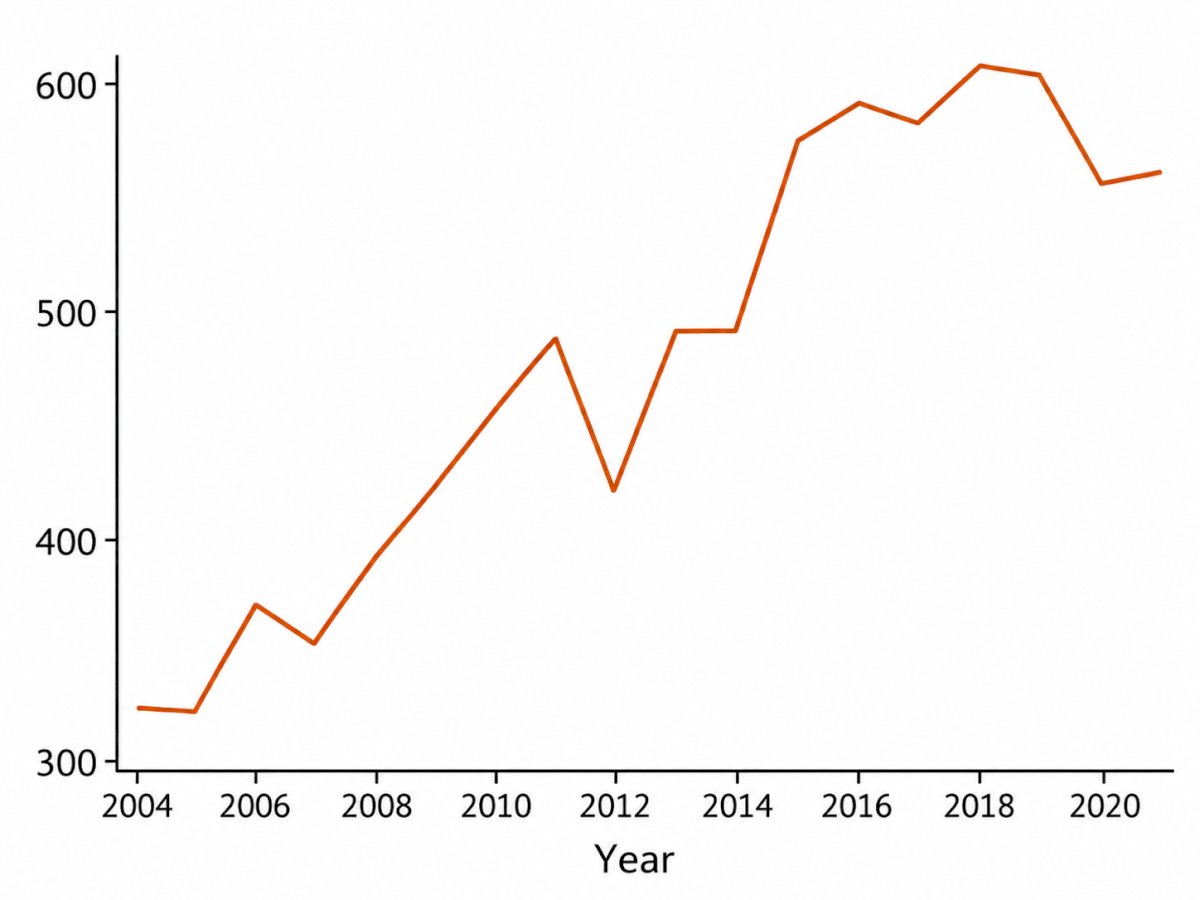
Additionally, there are changing epidemiologic patterns in RCC, noting that increasing disease incidence has been accompanied by concerning trends in younger patients. Although advances in imaging have contributed to earlier detection, there is also evidence of increasingly aggressive disease that cannot be explained by stage migration alone. In 2025, a study by Garofano et.26 evaluated trends in aggressive RCC among patients aged 20–39 years. Aggressive disease, defined by clinical stage T3 or higher, high-grade histology, or lymph node involvement, increased by 3.58% annually (p < 0.001):
An additional consideration is the potential renal toxicity associated with adjuvant immunotherapy. Dr. Derweesh noted that although clinically recognized immune-mediated nephritis is relatively uncommon, acute kidney injury (AKI) represents a broader and potentially underappreciated complication of systemic treatment. According to the pembrolizumab safety data, the risk of AKI is at least 13%. He further highlighted real-world functional data from the INMARC consortium suggesting that the incidence of AKI may approach 16% following initiation of treatment.
Currently, there is a “paradox of need” in contemporary RCC management. Patients with more advanced disease are more likely to have baseline renal insufficiency, younger patients are increasingly presenting with larger and more aggressive tumors, and adjuvant immunotherapy may contribute additional renal functional decline. Collectively, these factors increase the importance of nephron preservation precisely in the population where technically challenging tumors often lead surgeons toward radical nephrectomy. This paradox remains the case despite improving oncologic outcomes for locally advanced RCC, the development of strategies to facilitate nephron preservation, and emerging evidence supporting the safety and efficacy of partial nephrectomy for large and locally advanced tumors when performed by experienced surgeons.
Next, Dr. Derweesh reviewed the AUA guideline for renal mass and localized renal cancer management, focusing on Statement 19. The guideline recommends consideration of radical nephrectomy for patients with solid or Bosniak 3/4 complex cystic renal masses when tumor size, renal mass biopsy findings, or imaging suggest increased oncologic potential (moderate recommendation; evidence level Grade B). In this setting, radical nephrectomy is preferred when all three criteria are met: high tumor complexity that would make partial nephrectomy challenging even in experienced hands, absence of pre-existing CKD or proteinuria, and a normal contralateral kidney with an anticipated post-radical nephrectomy eGFR greater than 45 mL/min/1.73 m² (Expert Opinion). The guideline also states that partial nephrectomy should be considered when these criteria are not met, unless overriding concerns regarding oncologic efficacy or procedural safety exist.
Transitioning to the expanding indications for partial nephrectomy, Dr. Derweesh highlighted work from his group and a multicenter study by Yim et al27 evaluating outcomes of robot-assisted partial nephrectomy for clinical T3a renal masses. Clinical T3a disease has traditionally been considered a strong indication for radical nephrectomy, particularly when tumors demonstrate invasion into perinephric tissues or venous structures. The multicenter analysis included 157 patients undergoing robot-assisted partial nephrectomy for clinical T3a RCC. The 5-year overall survival was 91.3% and 5-year cancer-specific survival was 93.3%:
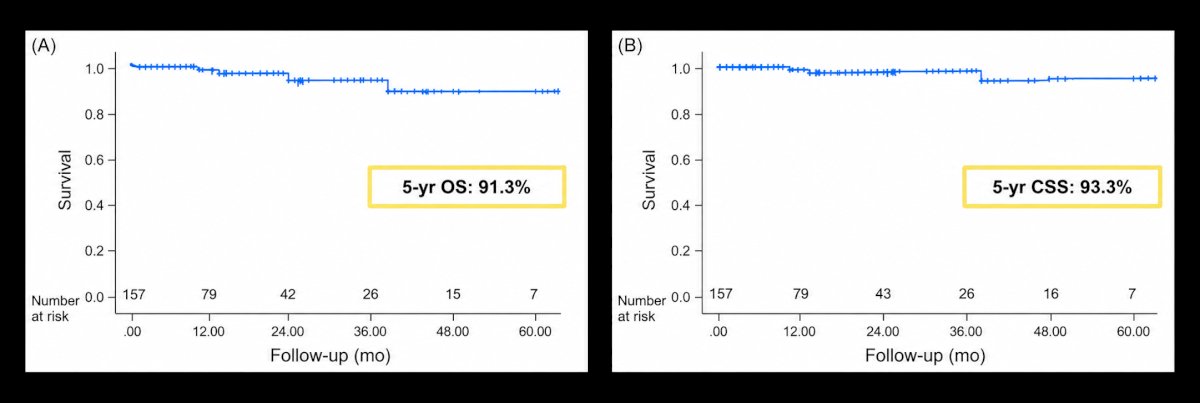
The investigators concluded that robot-assisted partial nephrectomy provided acceptable survival, functional, and morbidity outcomes in patients with stage T3a kidney cancer when performed by experienced surgeons and could be considered an option when clinically indicated.
Dr. Derweesh subsequently addressed partial nephrectomy combined with renal vein or IVC tumor thrombectomy. Historically, the presence of venous tumor thrombus has generally prompted radical nephrectomy with thrombectomy. However, for patients with imperative indications for nephron preservation, including pre-existing renal insufficiency or limited contralateral renal function, removal of the kidney may carry substantial functional consequences. In 2026, Musso et al.28 evaluated partial nephrectomy for clinical T2b, T3a, and T3b renal masses. The investigators reported 3-year overall survival, cancer-specific survival, and recurrence-free survival rates of 92%, 94%, and 75%, respectively. Dr. Derweesh emphasized that partial nephrectomy for large and complex locally advanced renal tumors is feasible with acceptable outcomes in selected patients with imperative indications for nephron preservation.
To further illustrate the feasibility of this approach, Dr. Derweesh presented his current institutional experience at Rush University. Over a 10-month period, his team performed 38 partial nephrectomies for clinical T3 disease, including 27 nephron-sparing procedures involving the venous system. Among these 27 procedures, two involved the IVC, 14 were performed robotically, and 13 were performed using an open approach. There were three cytoreductive procedures and two salvage operations, including one following cryoablative failure and another for local recurrence after prior partial nephrectomy. There was one microscopic positive surgical margin, one pseudoaneurysm following robotic surgery, and one urine leak following robotic surgery.
How should clinicians approach patients with CKD or proteinuria in whom radical nephrectomy would reduce eGFR below 45 mL/min/1.73 m², but partial nephrectomy would remain technically challenging even for experienced surgeons? What if a kidney with a tumor with venous extension in a patient with imperative indications for nephron-preserving treatment is deemed unsalvageable? In this setting, Dr. Derweesh suggested that neoadjuvant systemic therapy may offer an opportunity to modify tumor characteristics before surgery and potentially convert an otherwise unsuitable renal mass into one amenable to partial nephrectomy.
The PADRES trial (Prior Axitinib as a Determinant of Outcome of Renal Surgery)29 evaluated neoadjuvant axitinib as a strategy to facilitate partial nephrectomy in patients with complex clear cell RCC. The study incorporated a structured pretreatment evaluation, including cross-sectional CT or MRI to define tumor anatomy and surrounding structures, urinalysis and serum creatinine-based assessment of GFR, metastatic staging with chest CT and bone scintigraphy or head imaging when appropriate, renal mass biopsy confirming clear cell RCC, and assessment of tumor complexity using the RENAL nephrometry score. Following enrollment, patients received axitinib 5 mg orally twice daily for 8 weeks, with dose escalation to 7 mg twice daily as tolerated. Patients subsequently underwent restaging imaging and repeat serum creatinine-based estimation of GFR. The study assessed tumor response according to RECIST version 1.1, changes in maximal tumor diameter and RENAL nephrometry score, and the ability to perform partial nephrectomy after tyrosine kinase inhibitor therapy. Functional outcomes included avoidance of dialysis, severe CKD (stage 4, eGFR <30 mL/min/1.73 m²), or a decline in eGFR of at least 50%. The investigators also evaluated major complications, including Clavien grade 3 or higher events: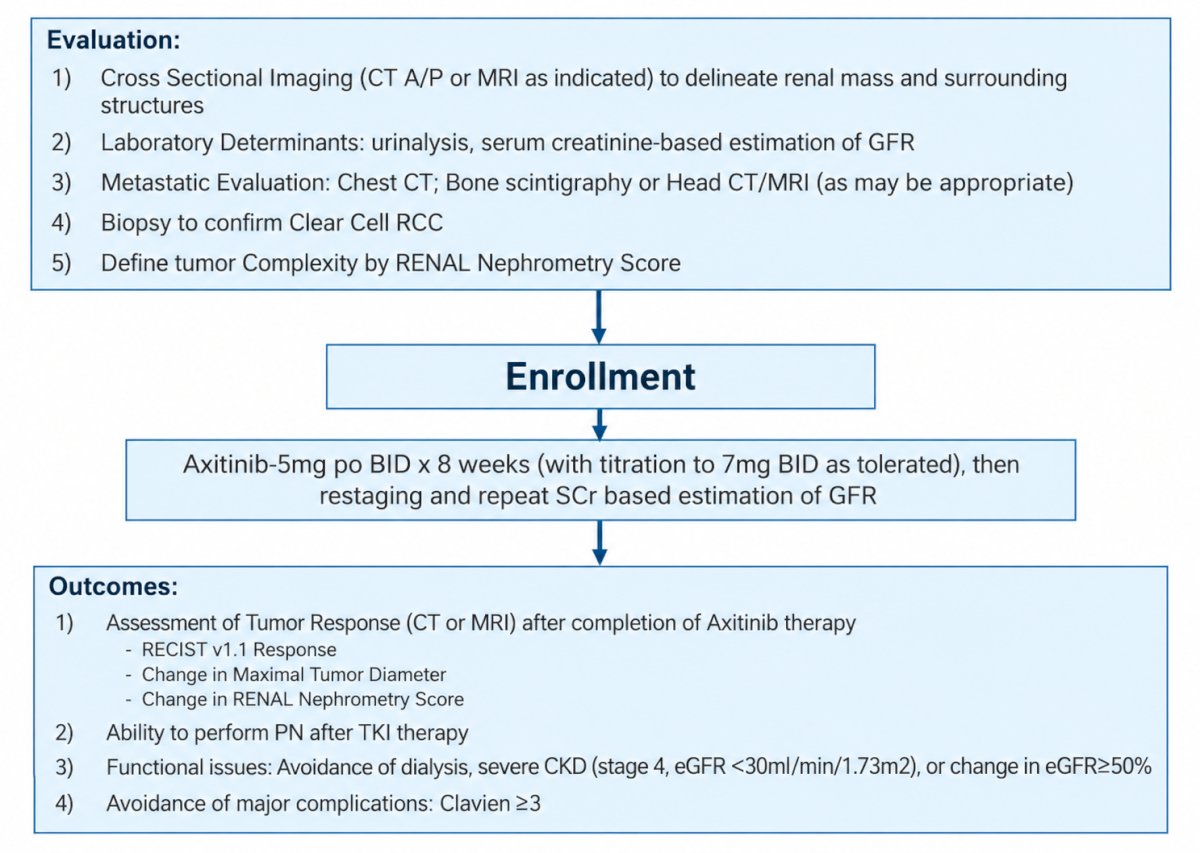
In the phase II PADRES trial, 27 patients were enrolled, with a median age of 69.5 years. The cohort included 15 men (55.5%) and 12 women (44.4%). ECOG performance status was 0 in 10 patients (37.0%), 1 in 15 patients (55.5%), and 2 in two patients (7.4%). Six patients (22.0%) had a solitary kidney, and five patients (18.5%) had a pretreatment eGFR of at least 60 mL/min/1.73 m², while 21 (77.8%) had an eGFR of 30–59 mL/min/1.73 m² and one (3.7%) had an eGFR below 30 mL/min/1.73 m². All patients had high-complexity tumors, with RENAL nephrometry scores of 10–12.
Following neoadjuvant axitinib, the median tumor diameter decreased from 7.5 cm to 6.2 cm (p < 0.001). Partial nephrectomy was ultimately performed in 20 patients (74.1%), while six patients (22.2%) underwent radical nephrectomy. Among patients undergoing partial nephrectomy, the study demonstrated that neoadjuvant axitinib could facilitate nephron preservation in a population initially considered to have highly complex disease. Functional outcomes included a median serum creatinine increased from 1.25 to 1.48 mg/dL following surgery (p = 0.005), while median eGFR declined from 48.5 to 40.0 mL/min/1.73 m² (p < 0.001). These results highlight that although nephron-sparing surgery may preserve renal parenchyma, clinically meaningful postoperative renal functional decline can still occur, particularly in patients with substantial baseline renal impairment.
Dr. Derweesh noted that the NCCN Kidney Cancer Guidelines version 1.2026 recognize that systemic therapy may be considered before surgery in selected patients with locally advanced or potentially resectable disease. He emphasized that the role of neoadjuvant treatment is particularly relevant when the primary surgical objective is not simply tumor removal, but preservation of sufficient renal function to avoid severe CKD or dialysis.
Dr. Derweesh concluded his presentation by discussing complex partial nephrectomy with several future directions:
Nephron sparing surgery in patients with venous tumor thrombus will increase, driven by changing epidemiology and demographics of RCC, and will be aided by:
Personalized neoadjuvant therapy
Improved detection of patients at risk for AKI and AKI treatment/renoprotection
Technical surgical refinements
Innovation is necessary in open and minimally invasive surgery:
More data and collaboration are necessary
The results of PIVOT (Partial nephrectomy for IVC and renal Vein ONcologic Thrombus)
The results of MANTRA-RCC (Multicenter Adjuvant and Neoadjuvant Therapy Registry for Advanced RCC)
Panelists:
Vidit Sharma, MD, Urologic Oncologist, Mayo Clinic, Rochester, MN
Bradley Leibovich, MD, Urologic Oncologist, Mayo Clinic, Rochester, MN
Lee Ponsky, MD, Professor of Urology, Case Western Reserve University, Cleveland, OH
Ithaar Derweesh, MD, Urologic Oncologist, Rush-MD Anderson Cancer Center, Chicago, IL
Written by: Zachary Klaassen, MD, MSc – Urologic Oncologist, Augusta, GA, @zklaassen_md on Twitter during the 2026 North Central Section of the American Urological Association (AUA) Annual Meeting, Wailea, HI, Wed, Oct 14 – Sat, Oct 17, 2026.
References:
Choueiri TK, Tomczak P, Park SH, et al. Adjuvant Pembrolizumab after Nephrectomy in Renal-Cell Carcinoma. N Engl J Med. 2021 Aug 19;385(8):683-694.
Choueiri TK, Tomczak P, Park SH, et al. Overall Survival with Adjuvant Pembrolizumab in Renal-Cell Carcinoma. N Engl J Med. 2024 Apr 18;390(15):1359-1371.
Choueiri TK, Motzer RJ, Karam JA, et al. Adjuvant pembrolizumab plus belzutifan for renal-cell carcinoma. N Engl J Med. 2026;395(1):32-43.
Pal SK, Uzzo R, Karam JA, et al. Adjuvant atezolizumab versus placebo for patients with renal cell carcinoma at increased risk of recurrence following resection (IMmotion010): A multicentre, randomized, double-blind, phase 3 trial. Lancet. 2022 Oct 1;400(10358):1103-1116.
Motzer RJ, Russo P, Grunwald V, et al. Adjuvant nivolumab plus ipilimumab versus placebo for localized renal cell carcinoma after nephrectomy (CheckMate 914): A double-blind, randomized, phase 3 trial. Lancet. 2023 Mar 11;401(10379):821-832.
Allaf ME, Kim SE, Master V, et al. Perioperative nivolumab versus observation in patients with renal cell carcinoma undergoing nephrectomy (PROSPER ECOG-ACRIN EA8143): An open-label, randomized, phase 3 study. Lancet Oncol. 2024;25(8)1038:1052.
Das A, Cotta BH, Msaouel P, et al. A risk-adapted framework for adjuvant pembrolizumab plus belzutifan in resected clear cell renal cell carcinoma. Clin Genitourin Cancer. 2026 Sep 14:102679.
Sharma V, Wymer KM, Joyce DD, et al. Cost-effectiveness of adjuvant pembrolizumab after nephrectomy for high-risk renal cell carcinoma: Insights for patient selection from a Markov Model. J Urol. 2023 Jan;209(1):89-98.
Zganjar A, Khanna A, Joyce D, et al. Mayo Clinic validation of the AUA risk groups for localized renal cell carcinoma. J Urol. 2024 Aug;212(2):331-341.
Xu W, Gaborieau V, Niman SM, et al. Plasma Kidney Injury Molecule-1 for Preoperative Prediction of Renal Cell Carcinoma Versus Benign Renal Masses, and Association with Clinical Outcomes. J Clin Oncol. 2024 Aug 1;42(22):2691-2701.
Mehra R, Nallandhighal S, Cotta B, et al. Discovery and validation of a 15-gene prognostic signature for clear cell renal cell carcinoma. JCO Precis Oncoli. 2024 May:8:e2300565.
Xiong Y, Xi W, Zhang G, et al. Artificial intelligence empowers full-stack histopathological diagnosis and prognosis of renal cell tumor: A multi-center study with external validation. BMC Med. 2026 Aug 4;24(1):408.
Zhang J, Huang W, Li Y, et al. Interpretable machine learning radiomics model predicts 5-year recurrence-free survival in non-metastatic clear cell renal cell carcinoma: A multicenter and retrospective cohort study. Acad Radiol. 2025 Jul;32(7):3788-3800.
Zhang X, Xia Y, Xiao H, et al. A multimodal AI model for precision prognosis in clear cell renal cell carcinoma: A multicenter study. NPJ Digit Med. 2025 Nov 17;8(1):668.
Rini BI, Albiges L, Tang X, et al. Circulating kidney injury molecule-1 (KIM-1) and association with outcome to adjuvant immunotherapy in renal cell carcinoma. Ann Oncol. 2025 Dec;36(12):1525-1534.
Turajlic S, Xu H, Litchfield K, et al. Tracking Cancer Evolution Reveals Constrained Routes to Metastases: TRACERx Renal. Cell 2018 Apr 19;173(3):582-594.e12.
Flanigan RC, Mickisch G, Sylvester R, et al. Cytoreductive nephrectomy in patients with metastatic renal cancer: A combined analysis. J Urol. 2004 Mar;171(3):1071-1076.
Choueiri TK, Xie W, Kollmannsberger C, et al. The impact of cytoreductive nephrectomy on survival of patients with metastatic renal cell carcinoma receiving vascular endothelial growth factor targeted therapy. J Urol. 2011 Jan;185(1):60-66.
Bhindi B, Habermann EB, Mason RJ, et al. Comparative survival following initial cytoreductive nephrectomy versus initial targeted therapy for metastatic renal cell carcinoma. J Urol. 2018 Sep;200(3):528-534.
Bex A, Mulders P, Jewett M, et al. Comparison of immediate vs deferred cytoreductive nephrectomy in patients with synchronous metastatic renal cell carcinoma receiving sunitinib: The SURTIME Randomized Clinical Trial. JAMA Oncol 2019 Feb 1;5(2):164-170.
Mejean A, Ravaud A, Thezenas S, et al. Sunitinib alone or after nephrectomy in metastatic renal cell carcinoma. N Engl J Med 2018 Aug 2;379(5):417-427.
Esagian SM, Karam JA, Msaouel P, et al. Upfront versus deferred cytoreductive nephrectomy in metastatic renal cell carcinoma: A systematic review and individual patient data meta-analysis. Eur Urol Focus. 2025 Jan;11(1):100-108.
Lyon TD, Thompson RH, Shah PH, et al. Complete surgical metastasectomy of renal cell carcinoma in the post-cytokine era. J Urol. 2020 Feb;203(2):275-282.
Klatte T, Berni A, Serni S, et al. Intermediate- and long-term oncological outcomes of active surveillance for localized renal masses: A systematic review and quantitative analysis. BJU Int. 2021 Aug;128(2):131-143.
Dey S, Hamilton Z, Noyes SL, et al. Chronic kidney disease is more common in locally advanced renal cell carcinoma. Urology. 2017 Jul:105:101-107.
Garofano G, Saitta C, Musso G, et al. Rising trends of aggressive renal cell carcinoma among younger adults: Insights from the National Cancer Database. Clin Genitourin Cancer. 2025 Dec;23(6):102425.
Yim K, Aron M, Rha KH, et al. Outcomes of robotic-assisted partial nephrectomy for clinical T3a renal masses: A multicenter analysis. Eur Urol Focus 2021;7:1107-1114.
Musso G, Meagher MF, Nasseri R, et al. Partial nephrectomy for clinical T2b, T3a, and T3b renal mass: Evaluating trifecta achievement and surgical outcomes. World J Urol. 2026;44:136.
Hakimi K, Campbell SC, Nguyen MV, et al. PADRES: A phase 2 clinical trial of neoadjuvant axitinib for complex partial nephrectomy. BJU Int. 2024 Apr;133(4):425-431.