
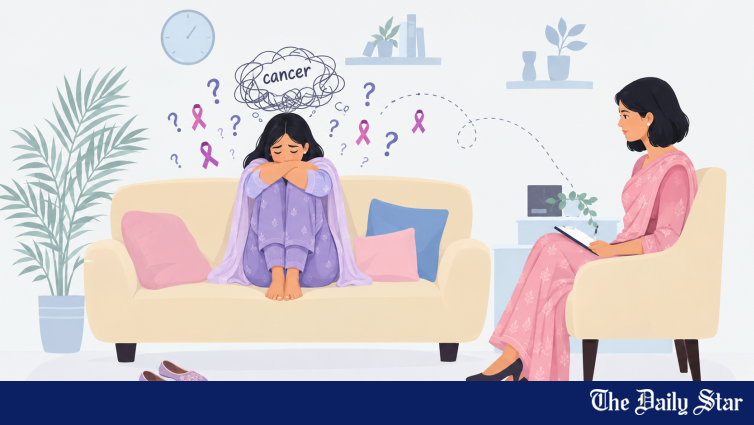
Facing a life-changing diagnosis involves far more than medical appointments and prescriptions. From handling treatment burnout to easing difficult family conversations, working with a therapist provides essential tools to navigate the emotional side of recovery.
Most of us picture counselling sessions as a chair, a box of tissues and an hour of talking about chronic depression. And for someone fighting cancer, that picture can be the very first thing that keeps them from walking through the door.
The reality, however, is broader. A psychologist or counsellor is not there only to hear about your feelings of distress, but also to help you manage the many challenges that come with a diagnosis, including fear, treatment-related stress, changes in your body, difficult conversations at home, questions about work, and a future that suddenly feels uncertain.
The first thing many patients meet, though, is not sadness but disbelief.
Abdul Hamid, who is a prominent psychotherapist at the Monobikash Foundation, says, “The most common reactions after a diagnosis are non-acceptance and denial. ‘This can’t be happening to me’ is a way of protecting oneself from something too large to take in at once.”
That is why a psychologist primarily assists cancer patients in coming to terms with their diagnosis and gradually accepting the changes it brings to their lives. Hamid clarifies that encouraging patients to “stay positive all the time” is not how counselling sessions work. It is more about creating a safe space for them to express their fears, frustrations, and uncertainties without judgment.
Through emotional support, realistic reassurance, and positive encouragement, they assist patients in recognising their strengths, acknowledging their efforts, and rebuilding their confidence in their ability to navigate the journey ahead.
Even small affirmations such as acknowledging their courage in attending treatment or their determination to keep going despite challenging days can strengthen their sense of self-worth and agency.
The goal is not to deny the reality of the illness but to empower patients to confront it with greater emotional resilience, hope, and confidence. In Hamid’s experience, individuals who are psychologically and mentally strong tend to respond better to medication.
In practice, most psychologists begin by simply listening. They want to know what has happened, what worries you most, and what support you currently have in place. You do not have to share your entire story all at once, nor do you need to have the “right” words to express yourself. And over the course of several sessions, the conversation typically shifts to specific issues and how to address them.
Along the way, many patients arrive carrying fears and uncertainties: fear of pain, treatment, and the unknown. Hamid says a counsellor helps identify these fears so they no longer operate in the dark. Treatment itself can often be a source of stress. Side effects, waiting for scan results, making difficult decisions, and the exhaustion that comes with hospital routines can wear a person down, even when the treatment is progressing well.
The body’s changes bring their own struggles. “The physical changes may lead individuals to feel self-conscious, prompting them to avoid social interactions,” Hamid mentions. “In such cases, counselling can be beneficial in helping to rebuild confidence and comfort in being seen by others.”
Hamid mentions how relationships change too, as partners take on caregiving roles, intimacy shifts, and some friendships fade. Returning to work after treatment raises further questions about energy, disclosure, and how colleagues will react. These changes are worth discussing rather than keeping silent.
Throughout, counselling is not only about talking. Practical tools, such as ways to manage anxious thoughts, coping with negative rumination, and ways to pace daily life, are part of the work.
Ultimately, a psychologist cannot change a diagnosis. However, they can provide a supportive, non-judgmental environment and assistance in initiating difficult conversations. While medicine addresses the illness, counselling supports the individual experiencing it.