
 5 min read
 Key Points
 Food labels use confusing terminology like “best by” and “sell by” that rarely indicate safety, leading consumers to waste perfectly good food.But high-risk foods require stricter adherence to expiration dates, like infant formula, raw meat, eggs, and soft cheeses.Experts recommend using smell, texture, and appearance checks, along with proper storage, to safely consume some foods past their expiration date.
I hate wasting food, and I’m more likely to eat a container of leftovers that’s been sitting in the fridge for a little too long than throw it away. But some foods are riskier to mess with than others, like infant formula, meat, and eggs, and experts say it’s better to throw them out if they’re past their prime.
Although I’m a proponent of using your five senses over the expiration date—if it looks OK, smells OK, and ultimately tastes OK, it’s probably safe to eat—some hazards you can’t necessarily suss out on your own. That’s when the label comes in handy.
Here’s what you need to know about expiration dates, plus what food experts say you definitely shouldn’t eat after that date has passed.
The Truth About Expiration Date Labels
“Generally speaking, expiration dates in the U.S. don’t mean a lot,” says Laurie Beyranevand, director of the Center for Agriculture and Food Systems at Vermont Law School. “What’s even more confusing is that they’re written in a few different ways on a product label.”
You might see a “best before” date on one package and a “sell by” date on another. Typically, these labels indicate when manufacturers believe quality may start to decline, and they rarely address a product’s safety, Beyranevand says.
Expiration dates on food items also tend to be conservative, adds food safety attorney Jory Lange, leading many of us to throw away perfectly safe food out of fear it’s rotten.
As long as you store your groceries properly, you can still eat or use foods after their expiration dates, says Janilyn Hutchings, CP-FS, a food scientist with StateFoodSafety. “Better indicators for whether food has gone bad are ‘off’ smells, textures, and flavors,” she notes.
That said, some foods are more likely to lose quality or carry harmful pathogens after their expiration date. Here are the 13 foods experts say you should skip.
Foods You Shouldn’t Eat After They ExpireInfant Formula
Federal law doesn’t require food manufacturers to provide expiration dates—except for infant formula, says Hutchings. After the expiration date, nutrient levels may drop, which is a problem because the Food Safety and Inspection Service (FSIS) requires the formula’s nutrients to match those listed on the label.
Meat
Ground beef, steak, and chicken can sometimes be safe to eat after the use-by date, but be extra cautious and look for signs of spoilage, such as unusual smells, discoloration, or visible mold, Hutchings says.
You can also use the fingerprint test for chicken: “If you press down on the chicken and it bounces back, it’s still good,” she notes. “If the imprint of your finger stays, it’s likely not good and should be thrown away.”
Eggs 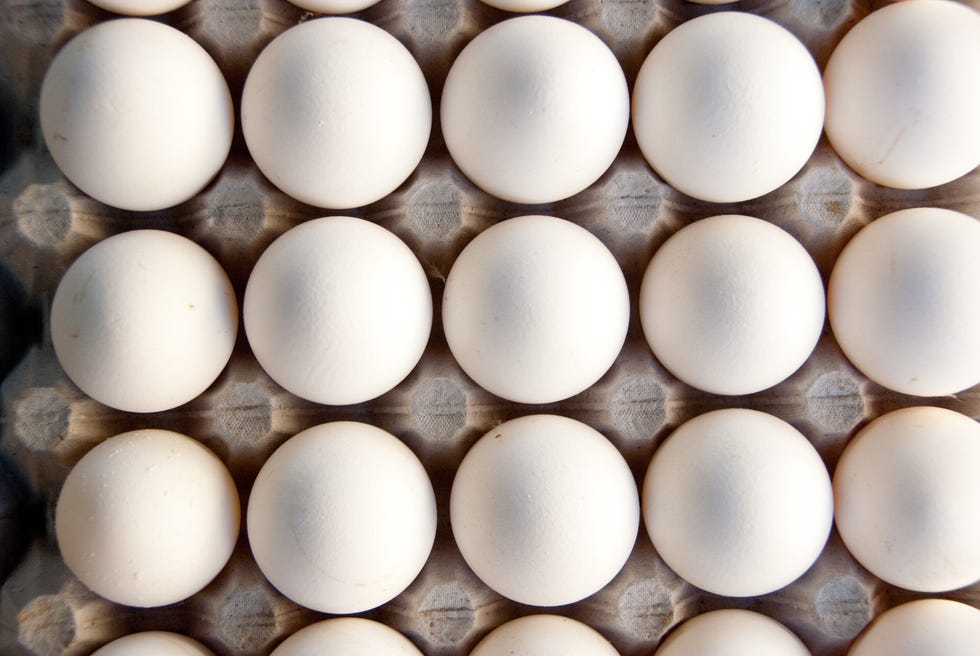

getty images
While eggs may be fine past their use-by date, Hutchings recommends performing the float test to be sure. Just fill a bowl with water and drop the egg in: if it sinks, it’s fresh; if it stands up, it’s older but likely OK; if it floats, it’s too old.
A spoiled egg will also smell when cracked, according to FSIS. Because eggs can carry Salmonella, your best bet is to store them in the original carton and aim for use within three weeks, according to the Food and Drug Administration.
Soft Cheeses
Hard cheeses (like a block of cheddar, for instance) can sometimes be salvaged by cutting away mold, but soft cheeses (like cream cheese, ricotta, mozzarella, etc.) and crumbled varieties are different. Mold threads can spread and contaminate the cheese, extending beyond what you can see. Harmful bacteria like Listeria, Brucella, Salmonella, and E. coli can grow with the mold, the Mayo Clinic notes, so once soft cheese is moldy or expired, it’s a no.
Deli Meat
Moisture and low salt speed up spoilage in deli meats, while dry foods such as rice and pasta last longer, says Lange. “We wouldn’t recommend eating high-moisture, low-salt items past their expiration dates because of bacteria growth that can lead to food poisoning,” he says. If your cold cuts smell sour or look slimy, toss them.

Add Delish as a preferred source in your Google search results.
Use your Google account to add this to your settings.

Add to Google settings
Fiddleheads
You probably don’t cook with fiddleheads often, but keep this in mind if you do: These tightly coiled, asparagus-like ferns can produce toxins that can make you sick if you eat them past their expiration date, Lange says.
Strawberries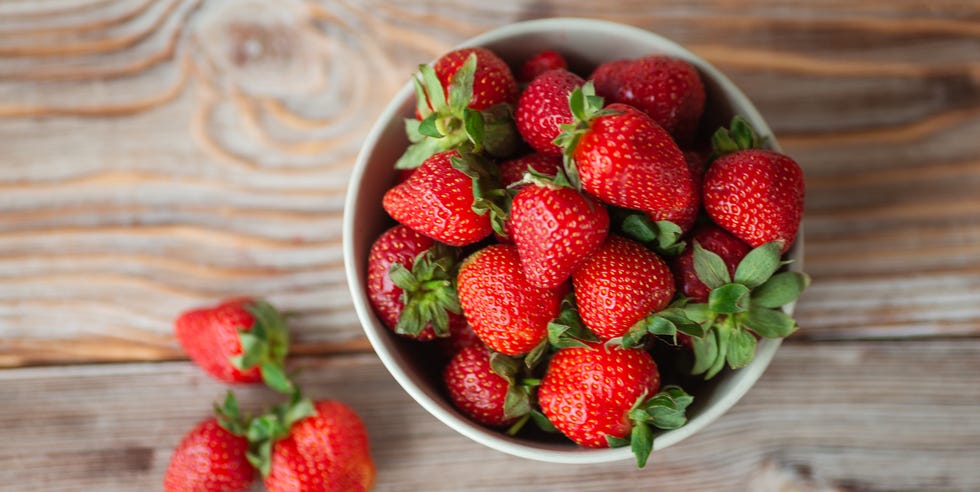

Kseniya Sharapova//Getty Images
One of summer’s biggest bummers is opening your fridge and discovering your strawberries in a furry white coat. If you see a moldy berry, remove it and any fruit it touched. Mold spreads quickly on soft fruit, so check the rest and discard anything that shows signs of spoilage.
Some molds can cause illness or trigger allergic reactions. If your berries are nearing their expiration date, pop them in the freezer to extend their shelf life and use them later in smoothies or cooked desserts, says professional chef Norah Clark.
Ground Spices
It’s not a food-safety concern, but expired spices mean your meals aren’t as flavorful as they should be, Clark says. “Some spices that lose flavor after expiration include ground cinnamon, paprika, and ground cumin,” she notes.
Store your spices in airtight containers, away from heat and direct sunlight, to preserve their optimal flavor.
Restaurant Leftovers

getty images
Your restaurant to-go container won’t have a printed expiration date, but timing still matters. Leftovers often sit at room temperature on the way home, giving bacteria a chance to grow and multiply, says dietitian Hannah Byrne, M.S., R.D.N.
“While refrigeration can slow down the bacterial growth, it doesn’t stop it completely,” she says. “Plus, some restaurant leftovers have a variety of different food groups in them, and they all have different expiration dates on them, so for safety, it’s best to consume them within three to four days.”
Raw Fish
If you pick up raw fish from your local store, make sure it’s stored on plenty of ice. If it feels dry or mushy, it’s likely old and not safe to eat. Once home, refrigerate seafood for one to two days before cooking or freezing it, as recommended by the FDA. If seafood spoils, it’ll smell sour, strongly fishy, or like ammonia, and the smell gets stronger after cooking. When in doubt, throw it out.
Leafy Greens 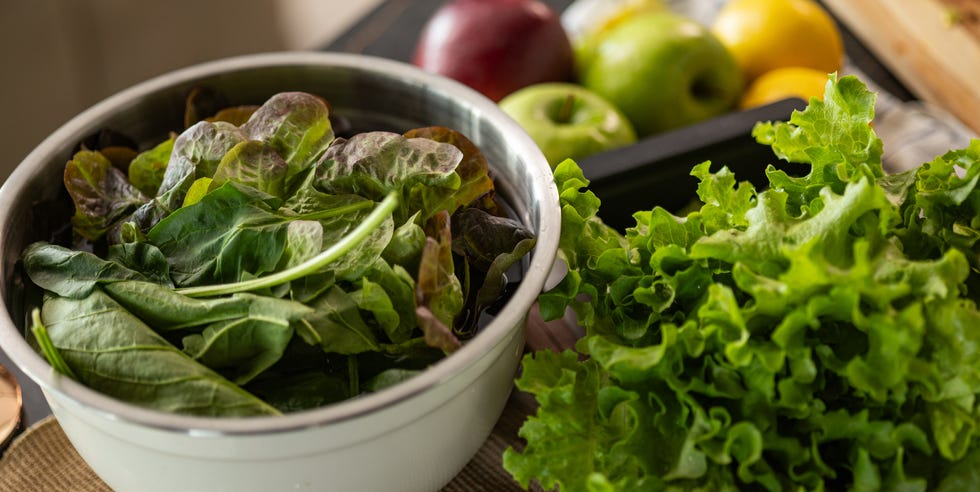
Ivan Pantic//Getty Images
That jumbo bag of spinach seemed like a good idea—until it wasn’t. Once past their date, leafy greens like spinach and kale turn bitter, Byrne says, and eating expired greens increases your risk of foodborne illness. If they’re nearing expiration, blend them into a green smoothie.
Nuts
High in unsaturated fats, nuts tend to go rancid fast, says dietitian Kelsey Kunik, R.D.N., and nutrition adviser for Zenmaster Wellness. Most last about four to six months at room temperature when stored in an airtight container, away from light.
“When the oils oxidize, the nut produces a bitter or sour taste, letting you know it’s gone rancid,” Kunik says. “While it’s safe to eat nuts that have gone bad in small amounts, you won’t want to because of the bad taste.”
Cooking Oils
Unopened cooking oils generally last about a year; once opened, they last approximately six months, says Tracee Yablon-Brenner, R.D. She recommends storing cooking oils in dark glass away from light and heat. If it tastes bitter, it’s rancid and should be thrown away.
Unprocessed oils, such as extra-virgin olive oil, lose their beneficial polyphenols as they age, Kunik adds, and the flavor suffers.