
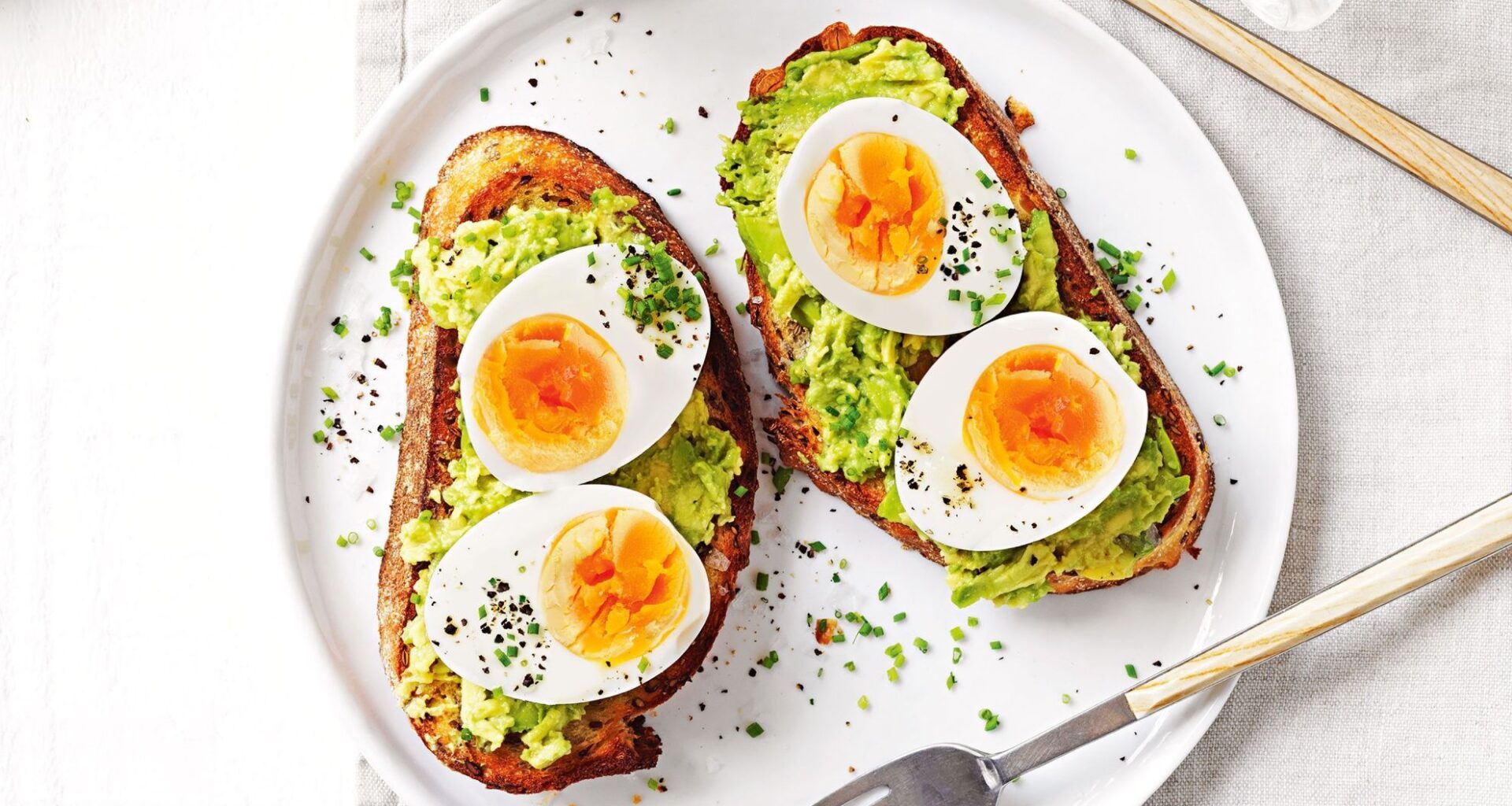
If you’ve ever ordered an egg white omelette or tossed the yolks thinking you were making the healthier choice, you’re certainly not alone.
For years, egg whites have worn a health halo as the lean, protein-rich part of the egg, while the yolk has been blamed for its fat and cholesterol content.
But while egg whites are certainly nutritious, by ditching the yolk you are also throwing away a large chunk of what makes eggs such a nutritional powerhouse in the first place.
So, unless there is a specific reason you need the whites alone, I generally recommend eating the whole egg.
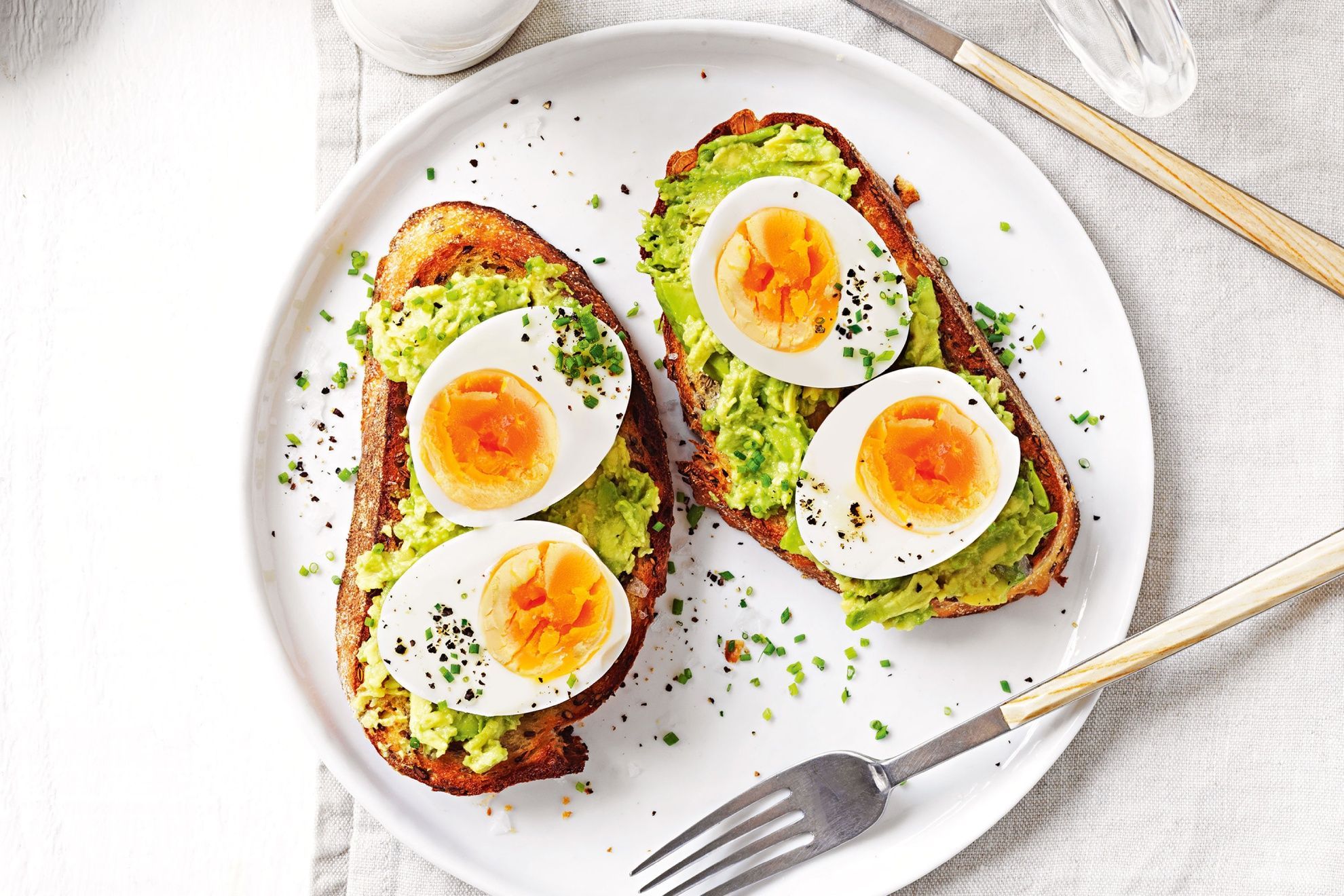 https://www.taste.com.au/recipes/Avocado-smash-with-egg-recipe/c5feop7q
What’s so good about the egg white?
Let’s start by giving egg whites the credit they deserve.
Egg whites are around 90% water and 10% protein, with virtually no fat. A large egg contains around 6g of high quality, complete protein, with roughly 60% of this found in the white.
This makes egg whites a lean, low kilojoule way to increase the protein content of a meal.
There are certainly times when I recommend egg whites. For example, if someone has particularly high protein requirements or is trying to increase their protein intake without adding too many extra kilojoules, adding extra egg whites to whole eggs can work really well.
The key word here, however, is extra. For most people, I’d rather see egg whites added to whole eggs than used to replace the yolks altogether.
RELATED: Is it actually safe to store eggs in the pantry? >
Why I wouldn’t ditch the yolk
While the white gets much of the attention for protein, the yolk is where you’ll find many of the egg’s vitamins, minerals, antioxidants and healthy fats. Egg yolks provide vitamin D, vitamin B12, iron, vitamin E and choline (an essential nutrient important for normal brain and nervous system function).
They also contain the antioxidants lutein and zeaxanthin, which play an important role in eye health.
And contrary to popular belief, the yolk also contains protein. Of the roughly 6g of protein in a large egg, around 40%, or 2.4g, comes from the yolk.
So when you throw away the yolk, you’re not just getting rid of fat and cholesterol. You’re also throwing away protein and many of the nutrients that make eggs such a nutritious food.
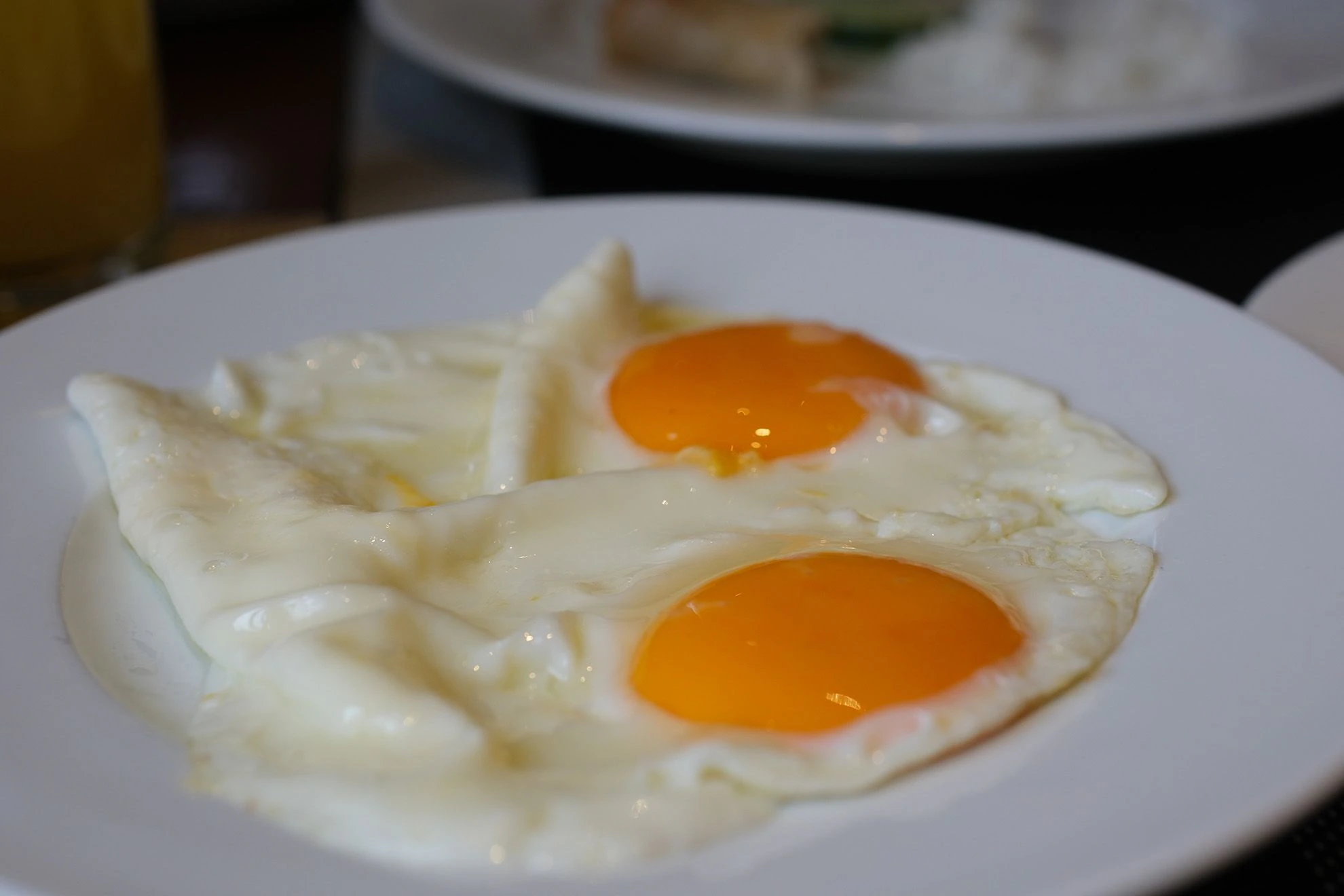
But what about the cholesterol?
This is where much of the fear around egg yolks originated.
Egg yolks are naturally high in dietary cholesterol and for many years we were advised to limit eggs because it was thought that eating cholesterol would significantly increase cholesterol levels in our blood.
We now know it’s not quite that simple. For most healthy people, the cholesterol found in eggs has less of an impact on blood cholesterol than foods high in saturated and trans fats.
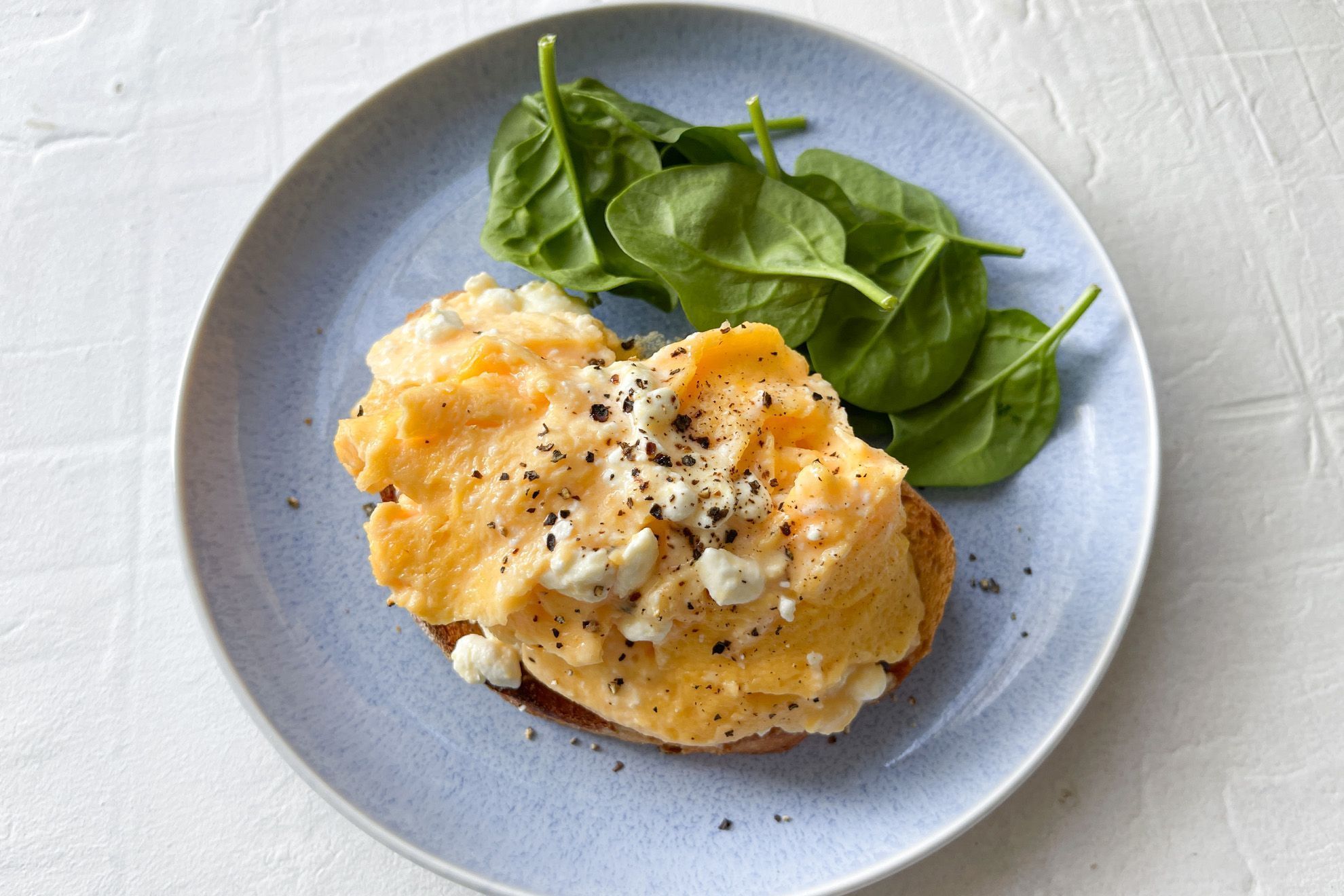 https://www.taste.com.au/recipes/high-protein-scrambled-eggs-recipe/pmvs291e
For healthy Australians, there is currently no recommended maximum number of eggs per week. However, if you have high LDL cholesterol, existing heart disease or type 2 diabetes, the Heart Foundation recommends limiting eggs to no more than seven per week.
As always, it’s also important to look at the whole meal. A couple of poached eggs served with wholegrain toast, avocado and vegetables is a very different meal nutritionally to eggs served with bacon, sausages and buttery white toast.
RELATED: Should you add milk to scrambled eggs? >
What’s the healthiest way to cook your eggs?
For most of us, what we add to our eggs and serve alongside them is likely to have a much greater impact on the overall nutritional value of the meal than whether they are poached, boiled, scrambled or fried.
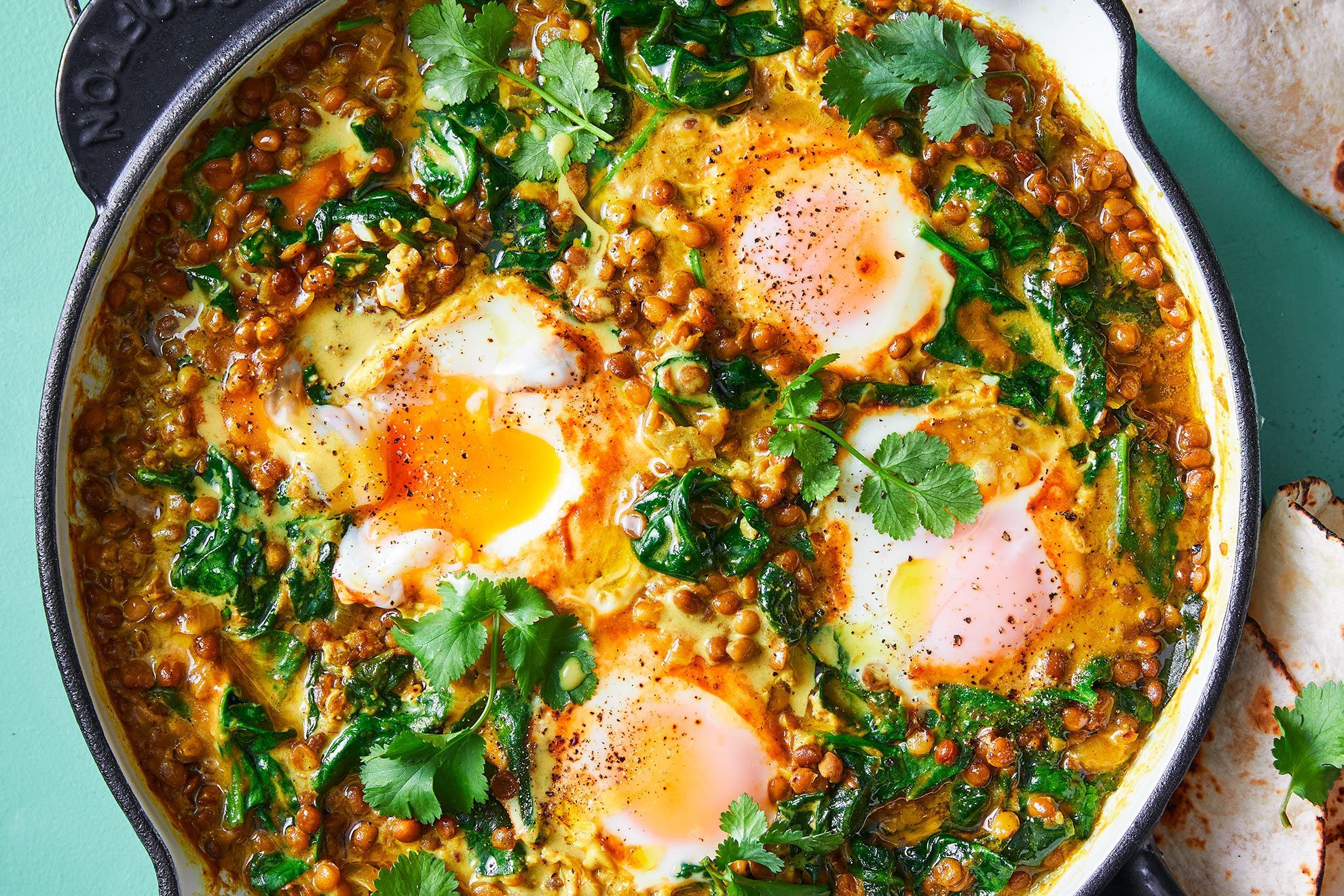
Poached and boiled eggs are great choices because they require no added cooking fats. Scrambled and fried eggs can be equally nutritious, just go easy on the butter, cream, cheese and salt, and opt for a small amount of extra virgin olive oil instead.
And wherever you can, add some vegetables and wholegrains to turn your eggs into a wholesome, balanced meal.
The whole egg wins
Egg whites certainly have their place, particularly if you’re looking for an easy way to squeeze some extra protein into your day without adding many extra kilojoules.
But for most of us, there is no need to separate the two. The white gives you plenty of high-quality protein, while the yolk brings additional protein, healthy fats and an impressive mix of vitamins, minerals and antioxidants.
So next time you crack an egg, unless you have a specific reason to leave it out, keep the yolk and enjoy the full nutritional package.