
The deaths of elite climbers and skiers have become so common that, in 2018, Conrad Anker helped bring a psychotherapist on staff at The North Face for the primary purpose of helping athletes on the brand’s team cope with trauma. Anker himself had barely survived an avalanche on Shishapangma in 1999 that killed his close friend Alex Lowe and cameraman David Bridges. In 2019 three of the team’s young superstars, Jess Roskelley, David Lama, and Hansjörg Auer, had been killed by an avalanche while climbing together in Canada. As recently as July 2026, ski mountaineer and team member Guillaume “Gee” Pierrel was killed in an avalanche in Pakistan. When Nelson died in 2022, she had been the captain of The North Face team, a leadership role that, among other things, helped mentor younger athletes. Morrison said he knew he’d need a therapist to help him with the trauma after he lost Nelson.
You May Also Like
“Jim has a huge amount of survivor’s guilt,” Anker told me recently. “I’ve talked to him about it. It’s like, ‘Why wasn’t it me?’”
Climbing and ski mountaineering sometimes suffer from a public image problem, and lethal accidents don’t help. The incidents tend to be dramatic, take place in exotic locations, and garner lots of attention, often critical. There is also the growing concern that, because of climate change, alpine environments are becoming less stable and therefore more dangerous. Still, accusations that climbers are reckless, heedless, or have a death wish are often a distortion. Some argue that the reality is just the opposite. It’s one of the reasons Chin started making films about the sport and its community in the first place. “Making films, for me, was a reaction to misperceptions about climbing,” Chin told me when we met up in Telluride. “It’s not just about the act of climbing. It’s about friendship. It’s about real people.”
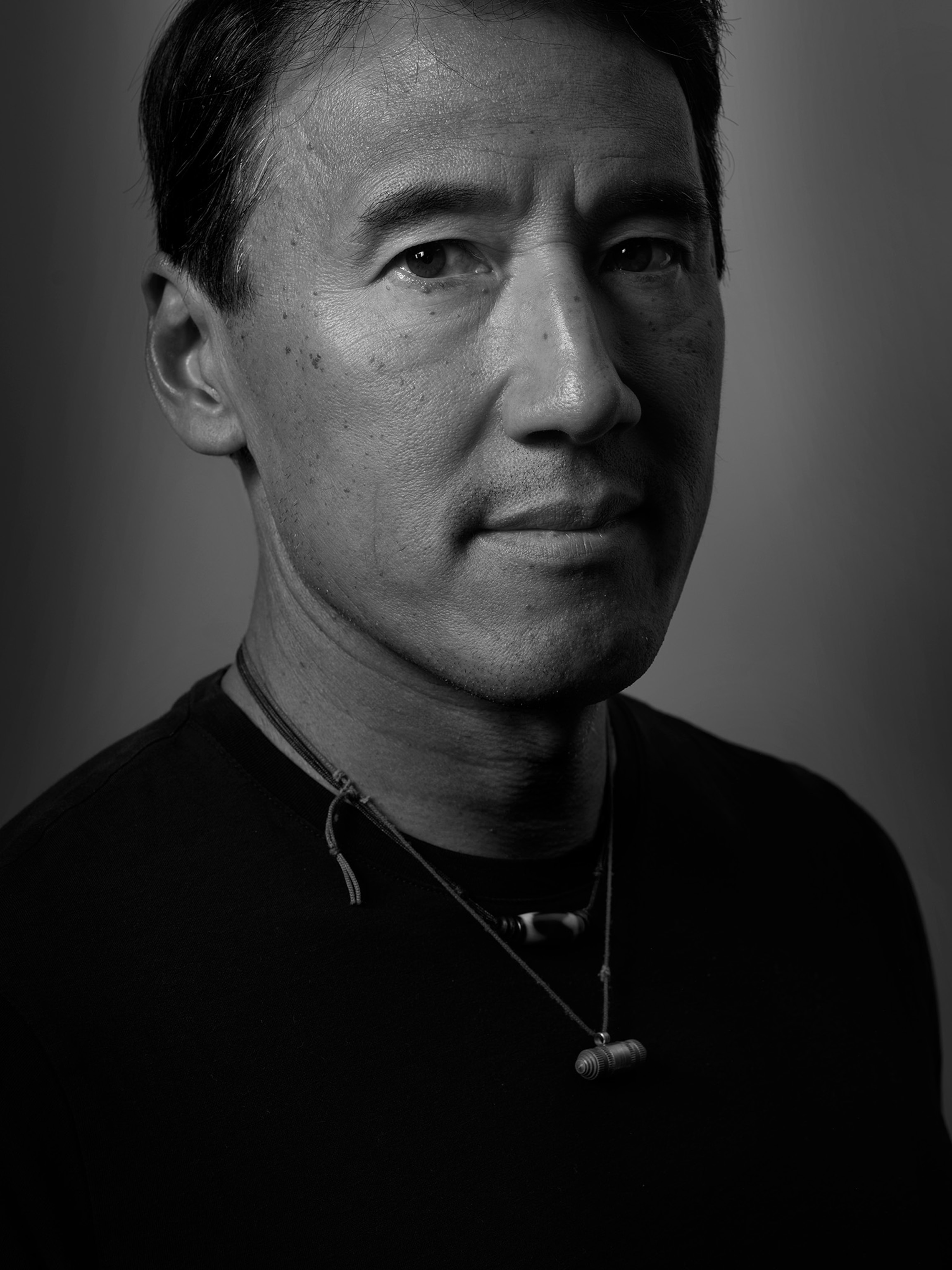
Chin co-directed the National Geographic documentary Everest: The Other Side with Elizabeth Chai Vasarhelyi.
Henry Leutwyler
Chin has referred to climbing as a calling. Morrison describes it as his passion. But such language always seems to fall a little short when it comes to a questioning public. Whatever the description, the point is that those committed to the activity have a difficult time turning away from it. For better or worse, it is part of their DNA.
Climbers have struggled with literal explanations for decades. Mallory’s famous quip, “because it’s there,” is sometimes interpreted as a sarcastic response to persistent reporters. Chin told me that, in lieu of a simple or direct answer, he hopes he’s able to create empathy among an audience. It’s empathy, he said, that ultimately leads someone to change their perspective.