
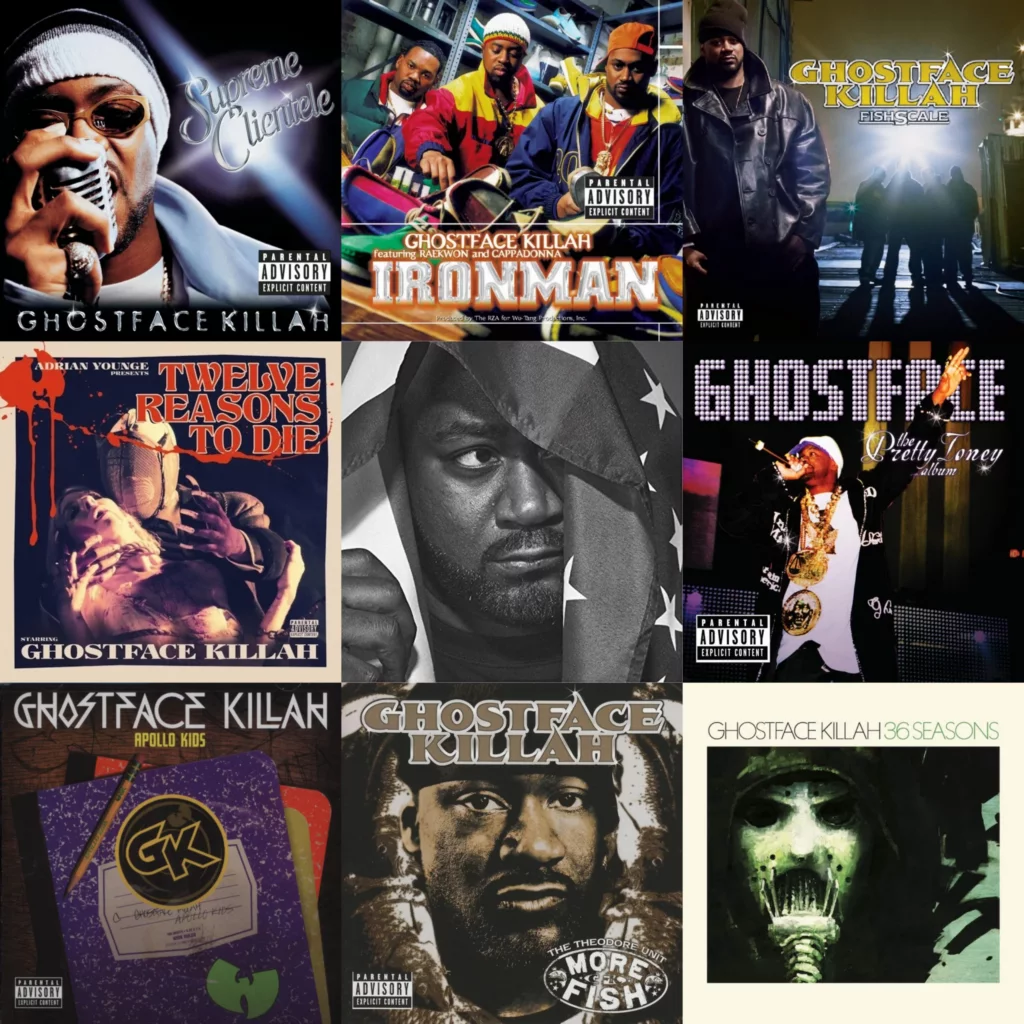
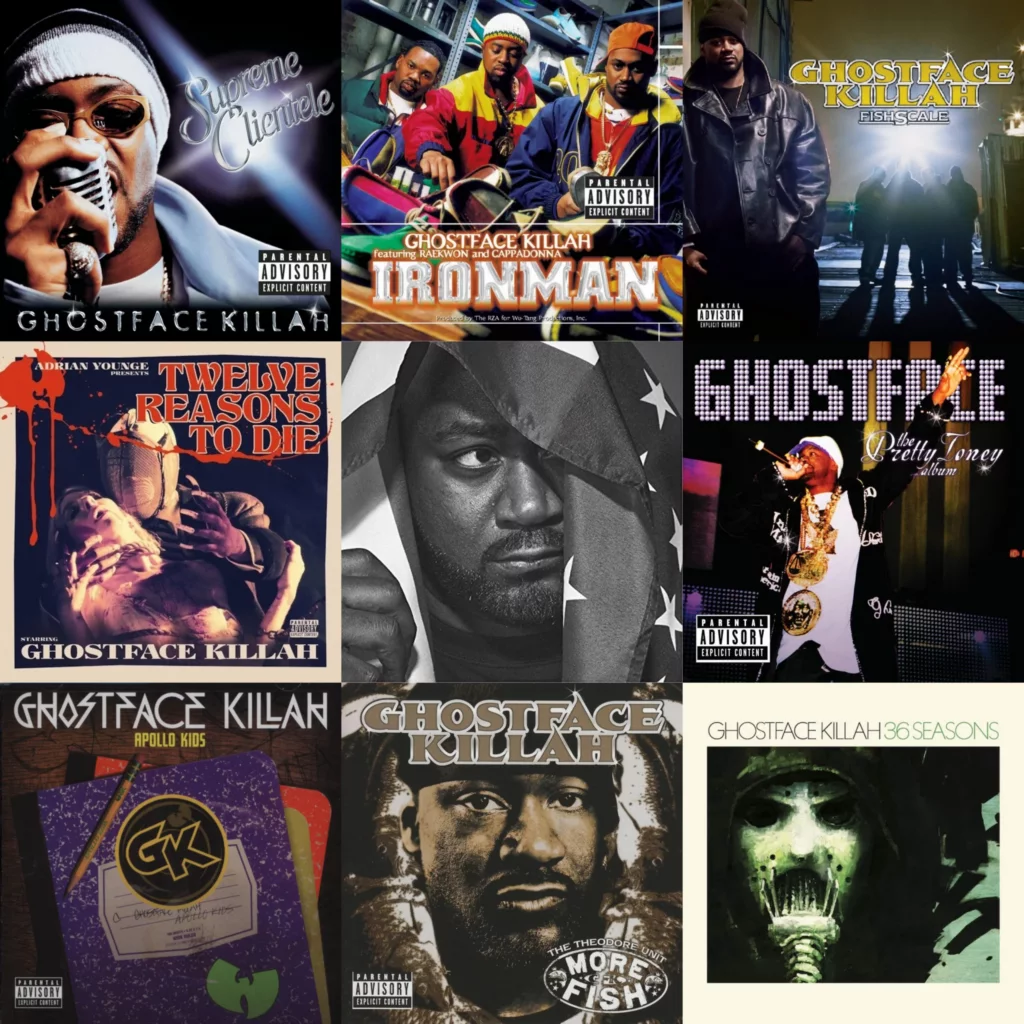
Few MCs have built a catalogue as distinctive, adventurous, and consistently rewarding as Ghostface Killah. Born Dennis Coles in Staten Island, New York, Ghostface emerged as one of the most compelling voices in Hip Hop through his membership in Wu-Tang Clan, whose 1993 debut, Enter the Wu-Tang (36 Chambers), changed the landscape of East Coast rap. His contributions stood out from the beginning. Where some of his fellow Clan members favored intricate wordplay or philosophical examinations, Ghost brought an almost cinematic quality to his verses, combining vivid street narratives, unpredictable imagery, emotional candor, and a delivery that could shift from frantic bursts to soulful introspection within a few bars. His chemistry with Raekwon was particularly potent, becoming a defining ingredient of Only Built 4 Cuban Linx… (1995), where Ghost’s memorable appearances helped establish him as one of the group’s most exciting personalities.
Ghostface launched his solo career with Ironman in 1996, an album that carried the soul-heavy production and street-level storytelling of Wu-Tang’s early years into a more personal setting. The RZA’s production provided the perfect backdrop for Ghost’s vivid narratives, while Raekwon and Cappadonna added to the chemistry. He reached another creative peak with Supreme Clientele (2000), widely regarded as one of the finest solo albums to emerge from the Wu-Tang universe. Its dense, fragmented rhyme patterns, obscure pop-culture references, inventive samples, and infectious energy captured Ghostface at his most unpredictable. Bulletproof Wallets followed in 2001, before The Pretty Toney Album (2004) and Fishscale (2006) demonstrated his ability to keep evolving without losing the qualities that made him distinctive. The latter, featuring production from the likes of MF DOOM, Pete Rock, J Dilla, and Just Blaze, was another major career highlight. Even as the musical landscape changed, Ghost remained remarkably productive, releasing a steady stream of albums that explored different corners of his musical personality.
His later work also brought some of his most interesting creative partnerships. Rather than simply repeating the formula of his classic solo records, Ghostface increasingly embraced projects built around a particular producer, musical concept, or shared artistic vision. His collaborations with Adrian Younge resulted in the cinematic, soul-drenched Twelve Reasons to Die (2013) and its 2015 sequel. Sour Soul (2015), recorded with Canadian jazz ensemble BADBADNOTGOOD, took his storytelling in another direction, while 36 Seasons (2014) continued his interest in elaborate narratives and vintage soul. He also joined forces with Raekwon and Method Man for Wu-Massacre (2010), Sheek Louch for Wu Block (2012), Big Ghost Ltd. for The Lost Tapes (2018), and Czarface for Czarface Meets Ghostface (2019). These projects illustrate the breadth of his catalogue and his willingness to explore different musical settings while remaining unmistakably himself. Later releases, including Ghostface Killahs (2019), Set the Tone (Guns & Roses) (2024), and Supreme Clientele 2 (2025), added further chapters to a career spanning more than three decades.
For this ranking, we’ve included Ghostface’s solo studio albums alongside his full-length collaborative albums, including projects on which he shares lead billing with other artists. This means Wu-Massacre, Wu Block, Twelve Reasons to Die, Sour Soul, and Czarface Meets Ghostface are all eligible. We’ve excluded Wu-Tang Clan group albums, which belong to the collective’s catalogue, and 718, credited to Theodore Unit rather than Ghostface as a solo or co-lead artist. The distinction is between albums on which Ghostface is a principal artist and projects on which he contributes as a member of a larger group. With those parameters established, we’re looking at his complete album catalogue, from his 1996 debut to his most recent releases. Here are the best Ghostface Killah albums, ranked.
21. Set The Tone (Guns & Roses) (2024)
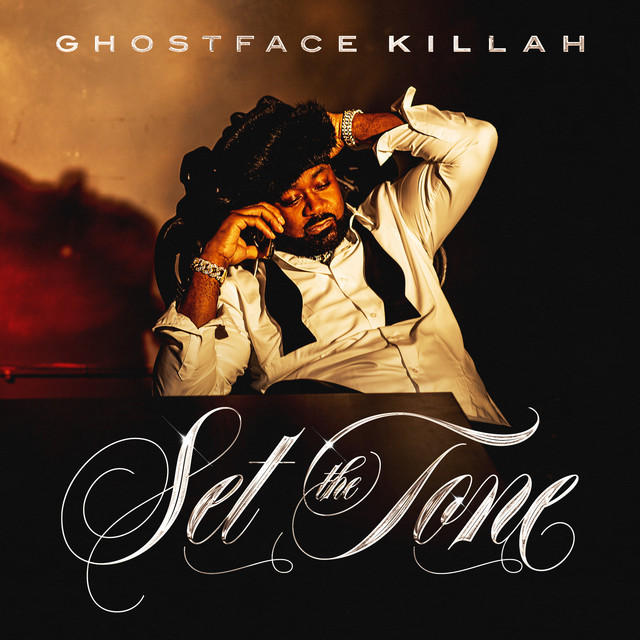
Ghostface Killah’s 16th solo album and his first for Mass Appeal Records, Set the Tone (Guns & Roses) arrived in 2024 with the expectation of a return to form after the disappointing Ghostface Killahs (2019). Unfortunately, the results are even more underwhelming. The ‘Guns’ half gets off to a promising start, with “6 Minutes,” “Pair of Hammers,” and “Scar Tissue” delivering the kind of hard-hitting production and animated performances that Ghostface built his reputation on. “Champion Sound” is another highlight, borrowing the spirit and sonic character of Boogie Down Productions’ “The Bridge Is Over.” There are flashes of the old Ghost throughout, but they become increasingly scarce as the album progresses. The ‘Roses’ half takes a decidedly less appealing direction, leaning into lifeless R&B, uninspired hooks, and skits that add little to the experience. Guest appearances from Method Man, Nas, and a surprisingly effective Kanye West provide some relief, but cannot compensate for the uninspired production and abundance of forgettable material. Given Ghostface’s extraordinary catalogue, Set the Tone is a particularly disappointing entry, with its stronger opening section unable to rescue an album that loses its way halfway through. | 4.5/10
20. Ghostdini: Wizard Of Poetry In Emerald City (2009)
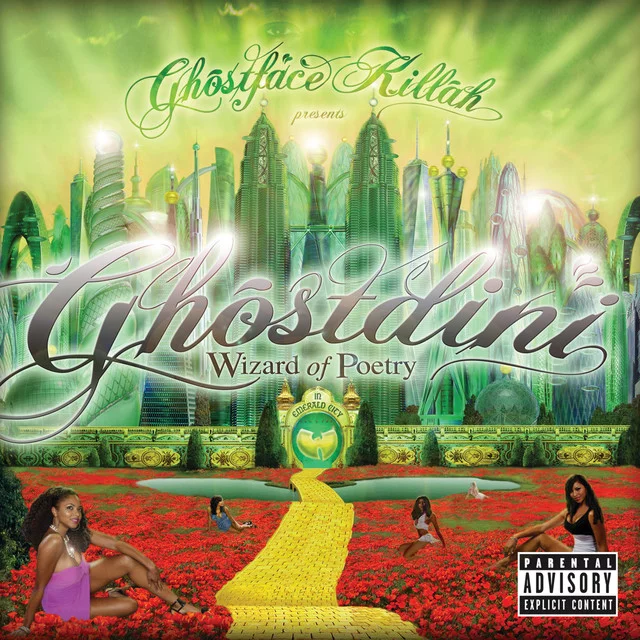
With Ghostdini: Wizard of Poetry in Emerald City, Ghostface Killah took a considerable detour from the gritty street narratives and soul-heavy production that had defined much of his catalogue. His eighth solo album, released in 2009, was an R&B-inspired experiment built around romantic ballads, smooth vocal performances, and an abundance of guest singers. The concept had some potential, and Ghost deserves credit for stepping outside his comfort zone, but the execution is decidedly uneven. The combination of silky R&B arrangements and Ghostface’s frequently graphic, occasionally awkward sexual lyrics makes for some strange contrasts. The reliance on Auto-Tune and contemporary R&B formulas doesn’t help, while the procession of guest vocalists sometimes leaves Ghost sounding like a guest on his own album. There are exceptions: “Stapleton Sex” is amusingly outrageous, “Guest House” has an entertaining narrative, and “Let’s Stop Playin’” benefits from John Legend’s contribution. Still, the stronger moments are scattered across an album that struggles to maintain interest. Ghostdini is an unusual entry in Ghostface’s discography and a bold experiment in retrospect, but ultimately a disappointing listen. | 4.5/10
19. Ghostface Killahs (2019)
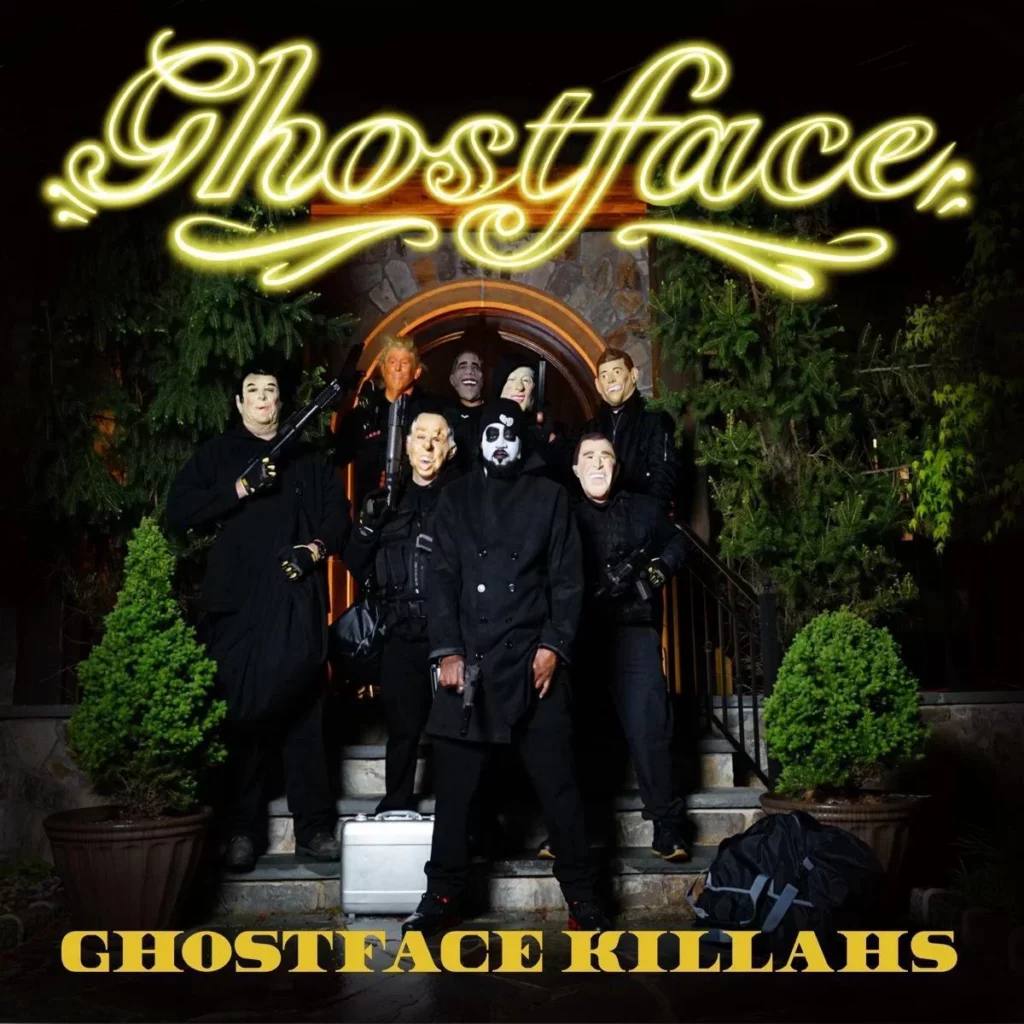
Released in 2019, Ghostface Killahs finds Ghostface Killah returning to the gritty, soul-driven sound associated with his classic Wu-Tang work. Produced entirely by Danny Caiazzo, the album relies on rugged boom-bap beats, familiar soul loops, and hard-hitting drums. Ghostface sounds remarkably energetic throughout, delivering his verses with the animated, breathless intensity that has always been one of his greatest strengths. The opening “Me Denny & Darryl,” featuring Method Man and Cappadonna, is an immediate highlight, bringing back the chemistry of the Clan’s golden era. “Burner to Burner,” with Inspectah Deck and Cappadonna, and the flute-laced “Conditioning” also have their moments.
Unfortunately, the album never develops much momentum beyond these stronger cuts. At barely 33 minutes, Ghostface Killahs feels more like a collection of loosely connected tracks than a fully realized solo album. Some of the production is effective, but other beats sound like uninspired attempts to recreate an earlier Wu-Tang aesthetic. “Fly Everything” is particularly repetitive, while “Waffles & Ice Cream” and “The Chase” revisit familiar ideas without bringing much new to the table. The lyrical content also occasionally lapses into dated and unnecessarily offensive territory.
There is enough here to remind us of Ghostface’s enduring abilities, but too little to make a lasting impression. Ghostface Killahs has its moments, but its uneven material and rushed execution make it one of the more forgettable entries in his catalogue. |5.5/10
18.Wu-Massacre (with Method Man and Raekwon) (2010)
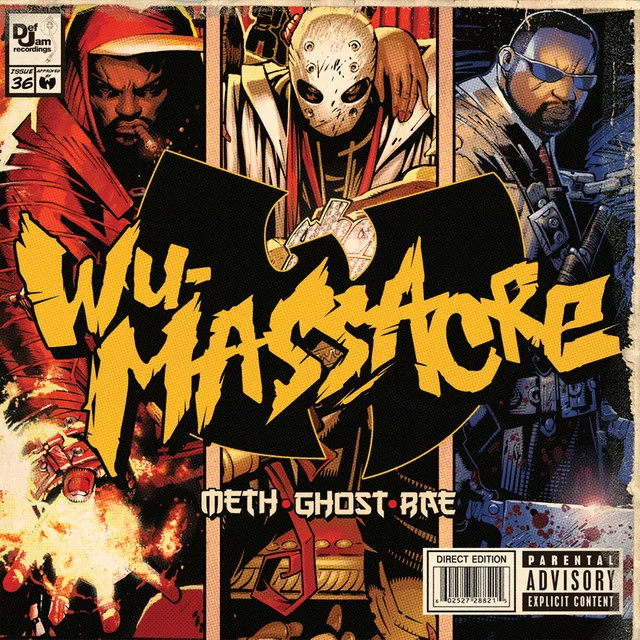
Wu-Massacre brings together three of the Wu-Tang Clan’s strongest personalities: Method Man, Ghostface Killah, and Raekwon. The chemistry is immediate, with Method Man’s dry humour and laid-back delivery complementing Ghostface’s animated outbursts and Raekwon’s gritty street narratives. The trio sounds entirely at home trading verses, particularly on “Criminology 2.5,” “Mef vs Chef 2,” and “Miranda.” “Our Dreams,” produced by RZA, adds a soulful highlight, while “Gunshowers” and “Dangerous” deliver the hard-hitting energy expected from this combination, most of the time. The production is handled by a varied group of contributors, including Mathematics, Scram Jones, and Ty Fyffe, but the sound remains consistent with the Wu-Tang aesthetic.
The biggest problem is the length. At barely 30 minutes, Wu-Massacre is closer to an EP than a fully developed album, and several tracks barely have time to get going before they end. The skits take up space that could have been used for additional verses, making the brevity even more frustrating. The quality of the performances makes this an enjoyable collaboration, but it leaves us wishing these three MCs had been given more room to work together. | 6/10
18. Put it On The Line (with Trife Diesel) (2005)
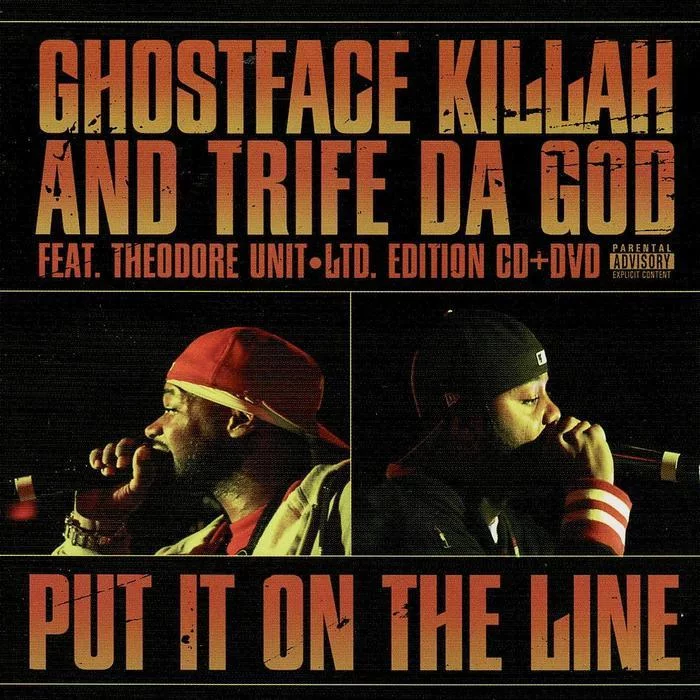
Originally conceived as Trife Diesel’s solo debut, Put It on the Line was reworked into a joint release with Ghostface Killah, giving the rising Theodore Unit MC a bigger platform. The arrangement is somewhat unusual: Trife dominates much of the first half, while Ghostface takes a more prominent role later on, so the two don’t share the microphone as often as the album’s billing might suggest. Still, Trife proves a capable partner, with a forceful delivery, sharp street narratives, and a style that complements Ghostface’s more animated approach. “Cocaine Trafficking,” “Fire,” and “Milk ‘Em” are among the strongest collaborations, while “The Watch,” featuring Raekwon, and “The Sun,” with Raekwon and Slick Rick, are particularly welcome additions from Ghostface’s vaults, originally recorded for Bulletproof Wallets.
The production is suitably gritty and soul-driven, although the album’s origins as a repackaged solo project give it an occasionally uneven feel. Put It on the Line isn’t among Ghostface’s essential releases, but Trife holds his own, and the strong material makes this a decent addition to his catalogue. | 6/10
17. Wu Block (with Sheek Louch) (2012)
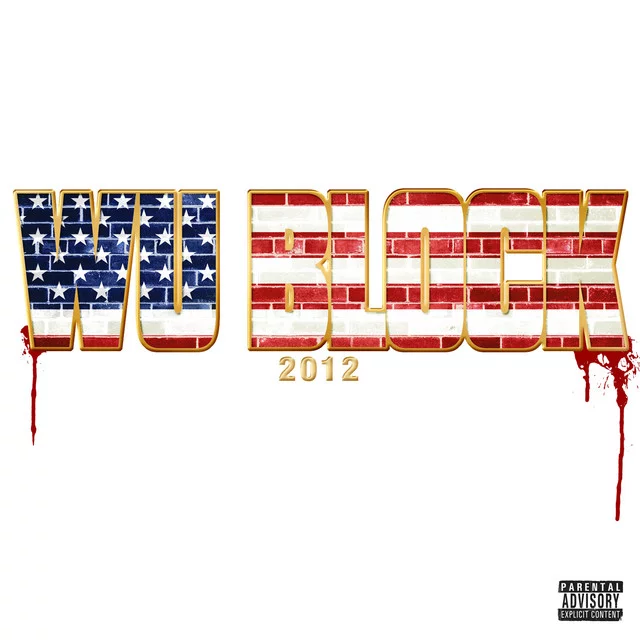
Wu Block connects Ghostface Killah and Sheek Louch for a collaboration between two of New York’s most respected hardcore rap camps. The pairing works better than its unlikely origins might suggest. Ghostface’s animated delivery and colourful street narratives sit comfortably alongside Sheek’s gruff, no-nonsense style, while an extensive supporting cast of Wu-Tang and D-Block members gives the album the feel of a family affair. “Crack Spot Stories,” featuring Raekwon and Jadakiss, gets things off to a strong start, and “Pour Tha Martini” and “Pull Tha Cars Out” deliver the kind of rugged East Coast rap both camps built their reputations on. “Drivin’ Round,” featuring Masta Killa, GZA, and Erykah Badu, provides an unexpected change of pace.
There are few surprises here, however. The production and lyrical themes lean heavily on familiar mafioso rap formulas, and several tracks lack the distinctive character of Ghostface’s best work. Still, the chemistry is convincing, the guest appearances are well chosen, and Wu Block delivers an enjoyable dose of gritty New York Hip Hop. | 6.5/10
15. Czarface Meets Ghostface (with Czarface) (2019)
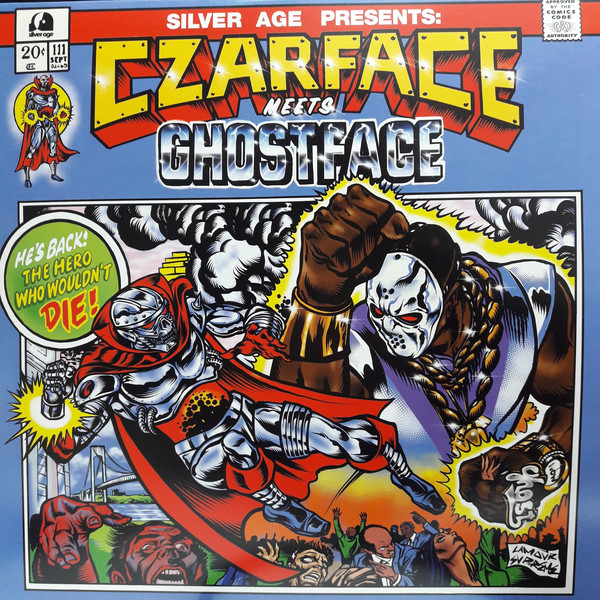
Czarface Meets Ghostface brings together two of underground Hip Hop’s most distinctive forces. With Inspectah Deck already part of Czarface alongside 7L and Esoteric, the addition of fellow Wu-Tang member Ghostface Killah makes for a natural pairing. The Czar-Keys handle all the production, delivering a consistent dose of rugged boom-bap built around fuzzy funk samples, anxious synths, hard-hitting drums, and the occasional vintage TV or movie soundbite. The comic-book imagery, wrestling references, and larger-than-life atmosphere fit neatly with Czarface’s established identity, while Ghostface’s animated delivery gives the material an extra jolt of energy.
The chemistry is particularly strong on “Iron Claw,” where the MCs trade bars over a hard-hitting beat, and “Mongolian Beef,” another highlight packed with sharp rhymes and infectious energy. “Morning Ritual” takes a darker turn, with Ghostface spinning an engaging narrative over a haunting piano backdrop, while “Face Off” and “Powers and Stuff” keep the lyrical exchanges coming. Kendra Morris adds soulful vocals to two tracks, providing a welcome change of texture.
There isn’t much here that pushes either act into unfamiliar territory, and Ghostface sometimes comes across more like a featured guest than an integral member of the group. Still, the album is tightly assembled, consistently entertaining, and free of unnecessary detours. Czarface Meets Ghostface isn’t the best work from either camp, but it’s a dope combination and a solid addition to both discographies. | 7/10
14. The Lost Tapes (with Big Ghost Ltd.) (2018)
The Lost Tapes is a particularly satisfying collaboration, pairing Ghostface Killah with Big Ghost Ltd., the underground producer who first attracted attention through his parody of Ghostface’s larger-than-life persona before earning a reputation in his own right. The connection makes for an unlikely full-circle moment, and the musical chemistry is excellent. Following his concept-album collaborations with Adrian Younge and BADBADNOTGOOD, Ghostface returns to rugged New York boom-bap, with Big Ghost supplying a steady run of dusty soul samples, dramatic orchestral touches, and hard-hitting drums. We always love Big Ghost’s production, so this is a golden combination for us.
The album has the loose, posse-cut feel of an underground mixtape, with an extensive guest list joining Ghostface across its eleven main tracks. Benny the Butcher and KXNG Crooked help make “Buckingham Palace” an immediate highlight, while “Majestic Accolades,” “Cold Crush,” and “Done It Again” bring together an impressive collection of veteran and underground MCs. “Saigon Velour,” featuring Snoop Dogg and E-40, offers an entertaining change of pace. The guitar-driven “I Think I Saw a Ghost” is another standout. The abundance of features occasionally leaves Ghostface with less room than we’d like, and the album lacks the narrative focus of his finest solo work. Still, the production and performances make The Lost Tapes a very enjoyable entry in his catalogue. | 7/10
13. Bulletproof Wallets (2001)
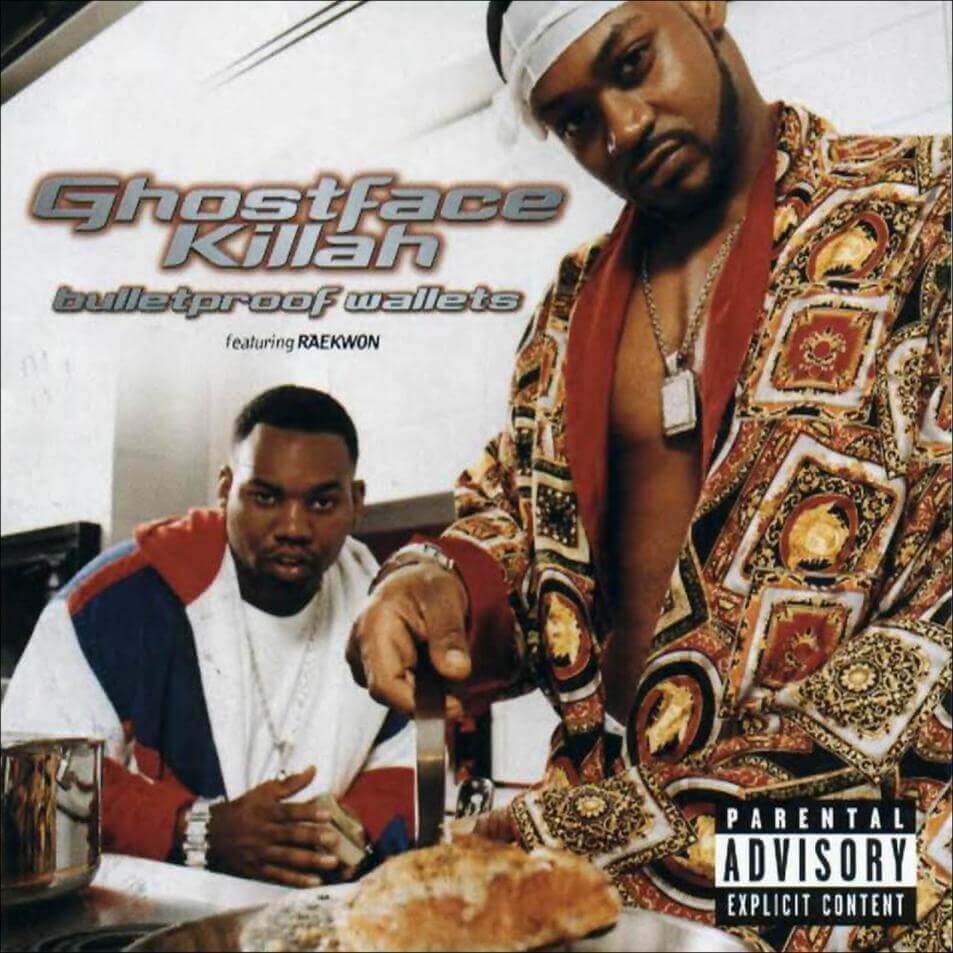
Bulletproof Wallets followed the remarkable Supreme Clientele with a noticeable change of direction. Ghostface Killah moved away from the darker, rugged sound of his earlier work, embracing a smoother, more colourful style built around soulful samples, R&B hooks, and polished arrangements. The approach has its moments, but the album sometimes leans too heavily on its softer side, with several tracks sacrificing the grit and unpredictability that made Ghostface such a compelling MC. Even so, his distinctive delivery and vivid storytelling remain intact. “Maxine,” “Flowers,” and the Alchemist-produced “The Forest” are highlights, while “Never Be the Same Again,” featuring Raekwon and Carl Thomas, and “Love Session” find Ghost exploring R&B territory with mixed but generally enjoyable results. Raekwon is a welcome presence throughout, and their chemistry remains particularly effective on “Flowers” and “The Hilton.”
The album’s reputation has also been affected by the last-minute removal of intended tracks “The Sun” and “The Watch” because of sample-clearance problems. Their absence, along with changes to the sequencing, leaves the released version feeling somewhat incomplete. A handful of skits don’t help the flow either. Bulletproof Wallets falls short of its predecessor, and its R&B leanings occasionally get in the way, but there is enough strong material here to make it an engaging, if uneven, entry in Ghostface’s catalogue. | 7/10
12. Supreme Clientele 2 (2025)
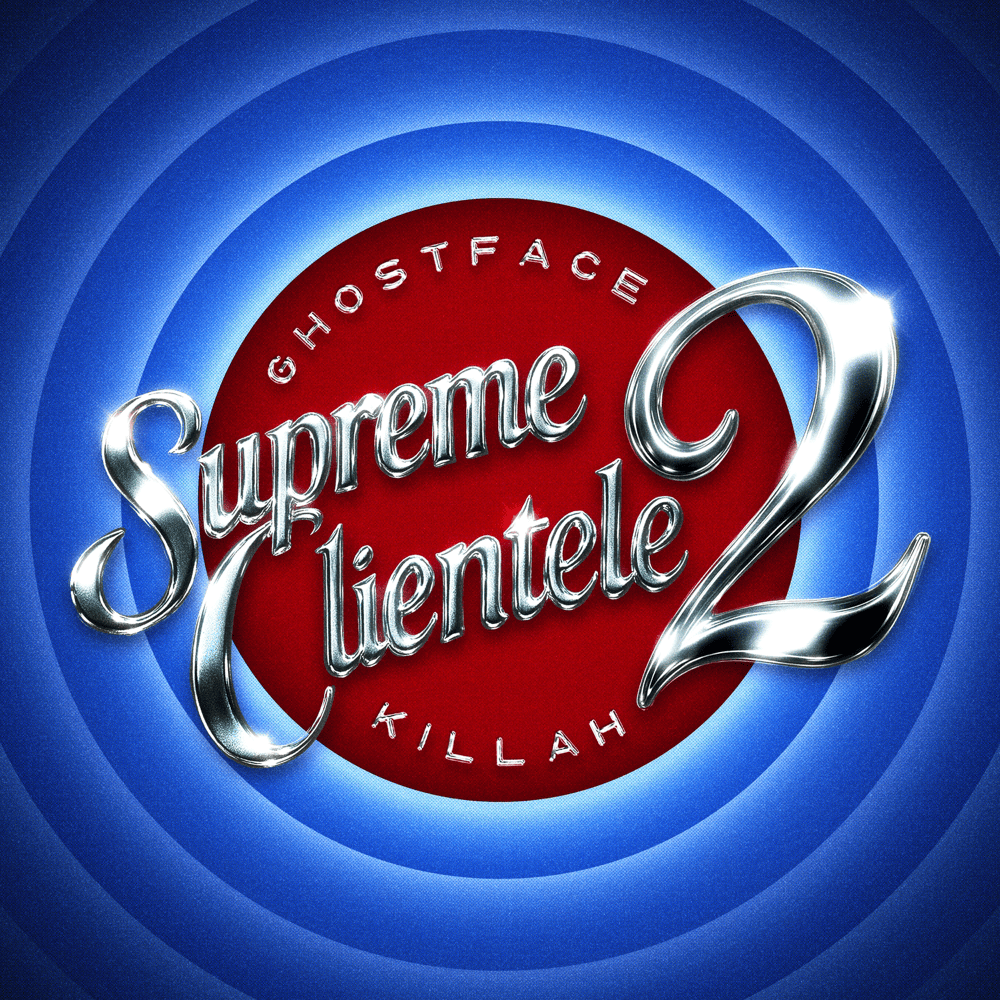
Released in August 2025, Supreme Clientele 2 arrived with considerable expectations attached to its title. Twenty-five years after Ghostface Killah’s 2000 masterpiece, however, this is not really a direct sequel. There is no attempt to recreate the original’s structure or atmosphere. Instead, Ghostface delivers a loose, 22-track collection that draws on material from different recording periods, combining older vault recordings with newer contributions and production from a varied cast of beatmakers. The result is something closer to a mixtape than a carefully constructed album.
That doesn’t make it a bad record. Quite the opposite: when Ghostface catches fire, Supreme Clientele 2 offers some of his most enjoyable work in years. “Ironman” gets things moving, while “Sample 420,” featuring M.O.P., and “Curtis May,” with Styles P and Conway the Machine, bring plenty of hard-hitting energy. “Break Beats,” “Beat Box,” and “Rap Kingpin” revisit the spirit of early Hip Hop, with the latter cleverly drawing on Eric B. & Rakim’s “My Melody.” The courtroom drama “The Trial,” featuring Raekwon, GZA, and Method Man, is another highlight, as is “Love Me Anymore,” which pairs Ghostface with Nas.
The short tracks, excessive skits, and uneven assembly prevent the album from developing much cohesion, and some ideas disappear before they have time to fully take shape. Still, Ghostface’s unmistakable voice, unpredictable rhymes, and storytelling instincts remain very much intact. Supreme Clientele 2 doesn’t live up to its title, but judged on its own merits, it’s a welcome and often excellent late-career release. | 7/10
11. Twelve Reasons to Die II (with Adrian Younge) (2015)
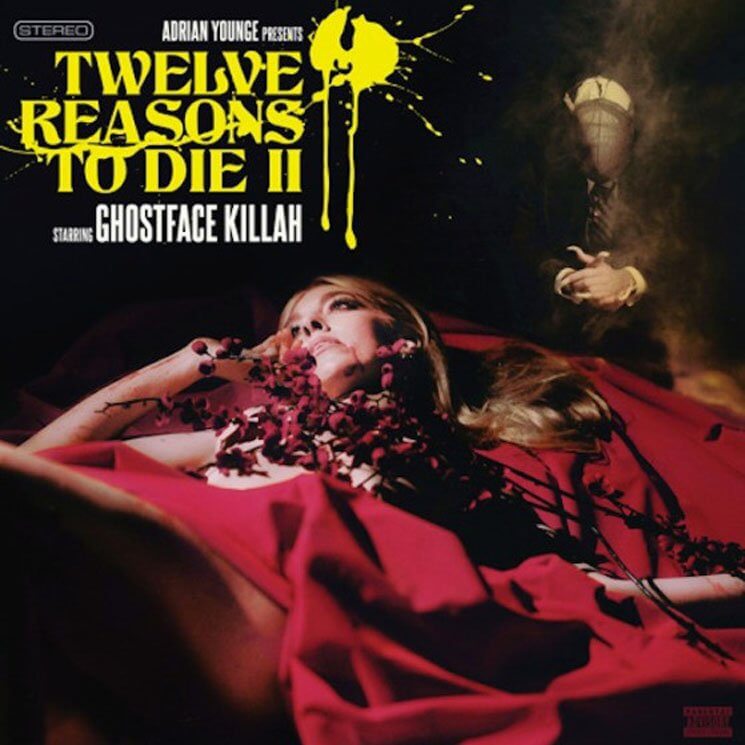
Following their successful collaboration on Twelve Reasons to Die, Ghostface Killah and Adrian Younge reunited in 2015 for a sequel that expands the original’s supernatural crime saga. Twelve Reasons to Die II moves the action from 1960s Italy to 1970s New York, where Raekwon plays Lester Kane, a local crime boss who discovers the power of the twelve vinyl records containing Tony Starks’ remains. He unleashes the Ghostface spirit against his rivals, setting another bloody cycle of betrayal and revenge in motion. RZA returns as narrator, guiding the story towards a suitably twisted conclusion.
Younge once again supplies all the production, drawing on vintage Italian horror scores, blaxploitation soundtracks, and the work of composers such as Ennio Morricone. Ominous organs, dramatic strings, live instrumentation, and rugged drums give the album a richly cinematic atmosphere. Ghostface is joined by an impressive supporting cast, with Raekwon playing a central role and RZA, Vince Staples, Chino XL, Lyrics Born, and Bilal adding their own contributions. “Return of the Savage,” “King of New York,” and “Get the Money” are among the highlights, while the closing “Life’s a Rebirth” brings the narrative to its dark conclusion.
The sequel doesn’t have quite the surprise factor of the original, and its compact 31-minute runtime leaves limited room for character development. Still, Younge’s production is consistently engaging, and Ghostface remains a natural fit for this theatrical crime-fiction setting. Twelve Reasons to Die II is a worthy continuation of an unusually creative partnership, even if the first instalment remains the stronger album. | 7/10
10. The Big Doe Rehab (2007)
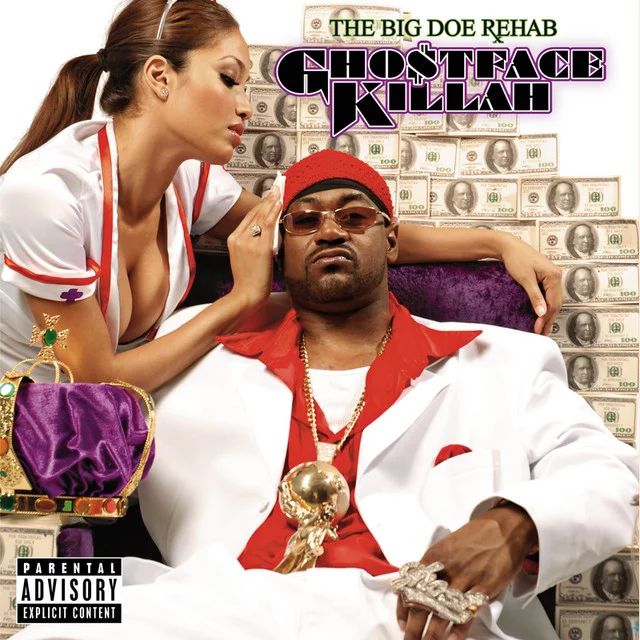
The Big Doe Rehab followed the remarkable run of The Pretty Toney Album, Fishscale, and More Fish. Ghostface Killah’s seventh solo album doesn’t quite match the inventiveness of those records, but it is another consistently entertaining collection that finds him in excellent storytelling form. The title came from a dream in which Ghost imagined checking into rehab for an addiction to having money, a suitably eccentric premise for an album that frequently moves between extravagant boasts and darker reflections.
Sean C & LV handle much of the production, bringing a heavy dose of soulful samples, rugged drums, and ’70s funk to the proceedings. The approach is familiar, but Ghostface knows exactly how to work these grooves. “Yolanda’s House,” featuring Method Man and Raekwon, is a standout, an outrageous, brilliantly detailed crime story that ranks among the finest collaborations between the three MCs. “Shakey Dog Starring Lolita,” a sequel of sorts to the Fishscale highlight, is another strong narrative, while “Paisley Darts” brings together an impressive cast of Wu-Tang and Theodore Unit affiliates. “Walk Around” offers a more sobering perspective, with Ghost reflecting on the psychological toll of street violence. Elsewhere, “We Celebrate” and “Toney Sigel A.K.A. the Barrel Brothers,” featuring Beanie Sigel, provide plenty of braggadocio.
The production occasionally lacks the character of Ghostface’s finest work, and the album rarely takes significant creative risks. That said, his personality, storytelling, and infectious energy carry the material. The Big Doe Rehab may not be a career highlight, but it is a strong addition to an exceptionally productive period. | 7/10
9. 36 Seasons (2014)
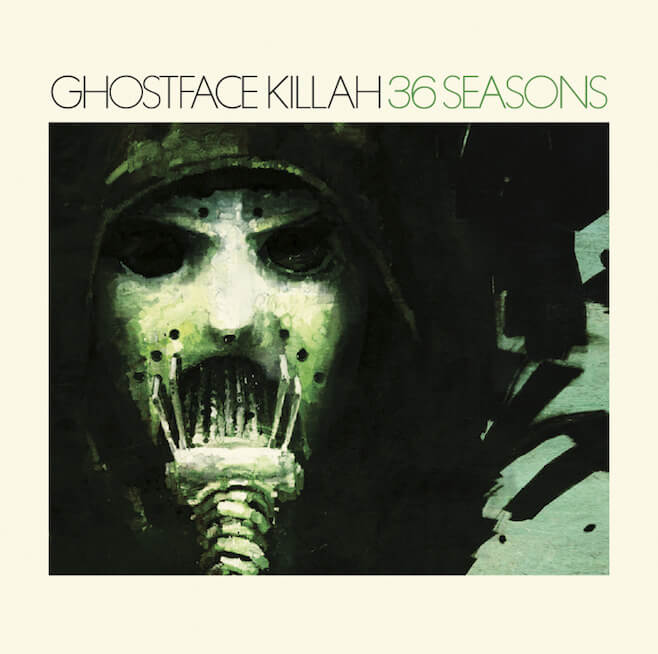
36 Seasons is one of the more overlooked albums in Ghostface Killah’s catalogue, and one we have always felt deserves considerably more attention. Following Twelve Reasons to Die, Ghostface returned to the concept-album format, this time building a gritty Staten Island crime saga around his Tony Starks persona. The title refers to the nine years he spends away from home before returning to find his old neighborhood transformed. Betrayal, corrupt cops, and a quest for revenge soon derail his plans for a quiet life. The comic-book presentation, complete with an illustrated booklet in the physical release, gives the story an entertaining blaxploitation feel.
The musical foundation comes from Brooklyn soul band The Revelations, whose live instrumentation brings warm funk, dramatic horns, and vintage soundtrack textures to the album. With no Wu-Tang appearances, Ghostface instead shares the stage with a carefully chosen cast of guest rappers playing characters in the story. AZ is particularly effective as a recurring antagonist, while Kool G Rap and Pharoahe Monch add plenty of lyrical firepower. Tracks like “The Battlefield,” “The Dogs of War,” and “Emergency Procedure” capture the album’s cinematic atmosphere, while “Love Don’t Live Here No More” provides a soulful change of pace.
Ghostface’s writing is more direct and narrative-driven than on his classic solo albums, and the crowded cast occasionally leaves him with less room than we’d like. Still, the focused storytelling, strong performances, and richly textured production make 36 Seasons a rewarding listen. It may not reach the heights of Twelve Reasons to Die, but it is a distinctive, thoroughly enjoyable chapter in Ghostface’s catalogue that deserves to be revisited more often. 7.5/10
8. More Fish (2006)
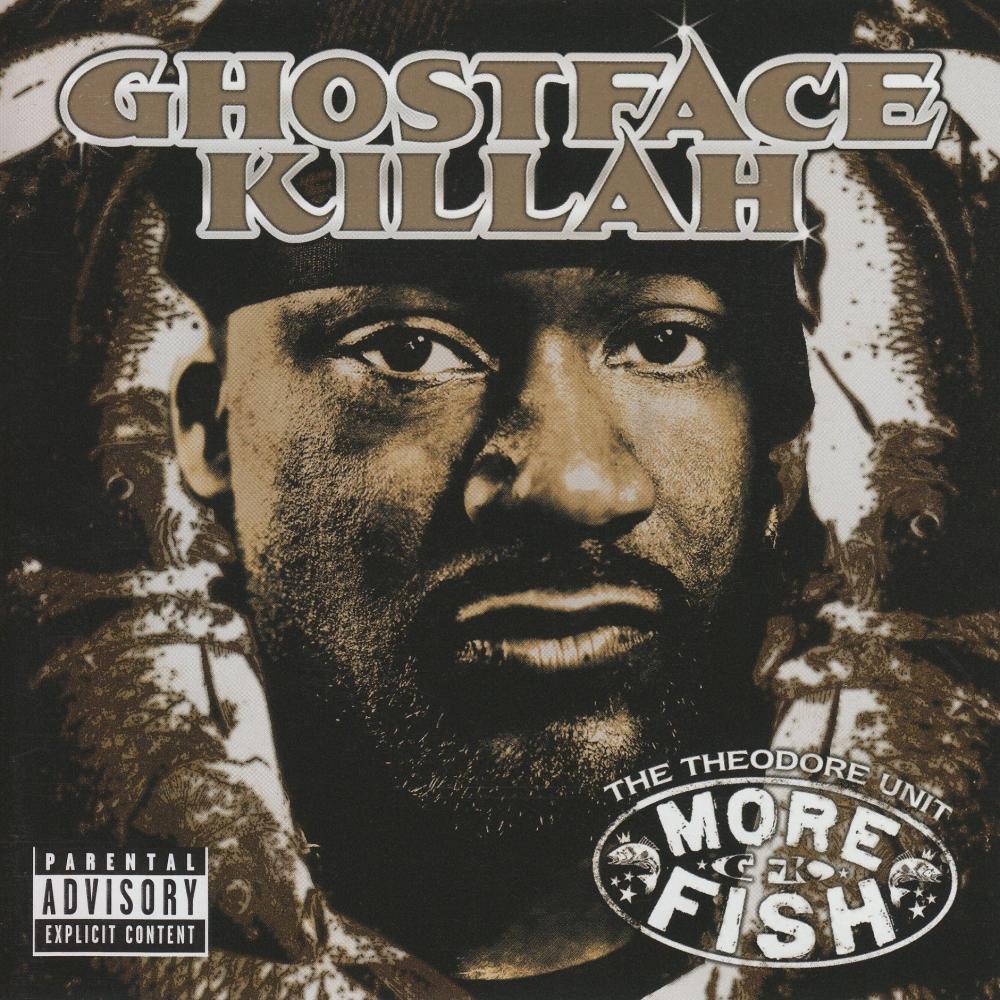
Released just nine months after Fishscale, More Fish capitalizes on the same remarkably productive recording period, collecting previously unreleased material alongside a few tracks that had already surfaced elsewhere. Although billed as a proper solo album, it often plays like a companion mixtape, with Ghostface sharing considerable space with members of his Theodore Unit crew. Trife Da God, Cappadonna, Shawn Wigs, and Ghost’s son, Sun God, all appear, giving the project a more collaborative feel than its predecessor.
The production is particularly strong. MF DOOM contributes two standout beats, including the eerie, cinematic backdrop of “Alex (Stolen Script),” where Ghostface spins one of his typically elaborate crime stories. Madlib’s “Block Rock” takes an unexpected progressive-rock detour, while Lewis Parker’s “Outta Town Shit” provides another excellent setting for Ghost’s vivid storytelling. “Guns N’ Razors,” also produced by DOOM, is a highlight, and the Mark Ronson-produced “You Know I’m No Good,” featuring Amy Winehouse, makes particularly effective use of the singer’s soulful presence. The Kanye West and Ne-Yo-assisted remix of “Back Like That” adds a more commercial touch.
The main weakness is the uneven contribution from the extended crew. Ghostface remains compelling throughout, but several tracks lose momentum when the microphone passes to less distinctive voices. The album also lacks the focus and cohesion of Fishscale, with its collection of styles and collaborators occasionally making it feel like an assortment of leftovers.
Still, there is plenty worth revisiting. More Fish may be a step down from its predecessor, but its best moments rank among Ghostface’s finest work from this particularly fertile period. | 7.5/10
7. Apollo Kids (2010)
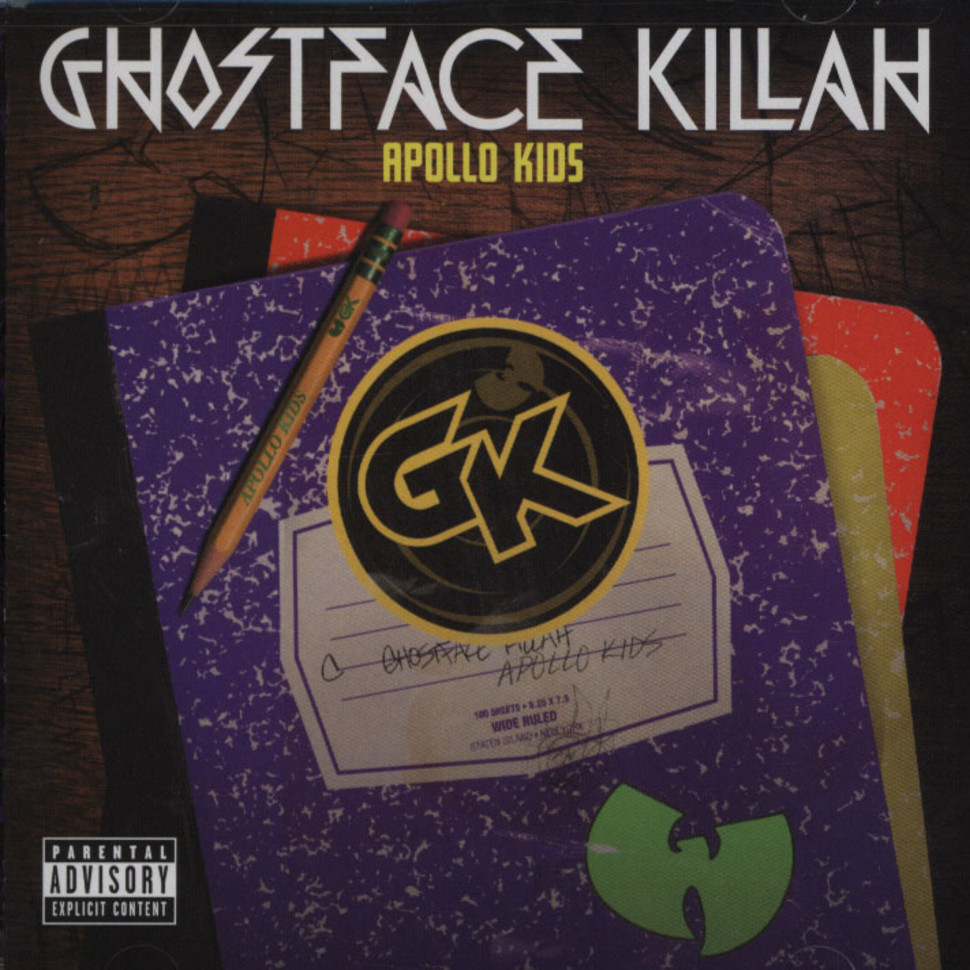
After the disappointing Ghostdini: Wizard of Poetry in Emerald City (2009), Ghostface Killah returned to the gritty soul and hard-hitting boom-bap that had defined his best work. Released in December 2010, Apollo Kids was originally conceived as a mixtape for Def Jam, while Ghostface held back a partially recorded sequel to Supreme Clientele for a possible independent release. The result is a compact, twelve-track collection that finds him sounding hungry, focused, and entirely comfortable in familiar territory.
The production comes from a varied group of contributors, including Frank Dukes, Pete Rock, Jake One, Scram Jones, and Sean C & LV. Dusty soul samples, punchy drums, and rugged grooves provide the foundation for Ghostface’s rapid-fire delivery and colourful street narratives. “Purified Thoughts,” featuring GZA and Killah Priest, gets things off to a strong start, while “In Tha Park” pairs Ghost with Black Thought for one of the album’s standout performances. “Troublemakers,” bringing together Raekwon, Method Man, and Redman, is another highlight, with the chemistry between the veterans giving the track an infectious energy. “Drama,” featuring Joell Ortiz and The Game, and “Superstar,” with Busta Rhymes, add further competitive edge.
Not everything hits the same level. “How You Like Me Baby” and “Handcuffin’ Them Hoes” are less convincing detours, and the album occasionally feels like a collection of strong individual tracks rather than a carefully developed whole. Still, Ghostface’s performances rarely disappoint, and the supporting cast gives the record plenty of variety.
At just over 40 minutes, Apollo Kids knows when to leave. It doesn’t rival Supreme Clientele or Fishscale, but this welcome return to rugged, soul-driven Hip Hop ranks among the more satisfying albums of Ghostface’s middle career. | 7.5/10
6. The Pretty Toney Album (2004)
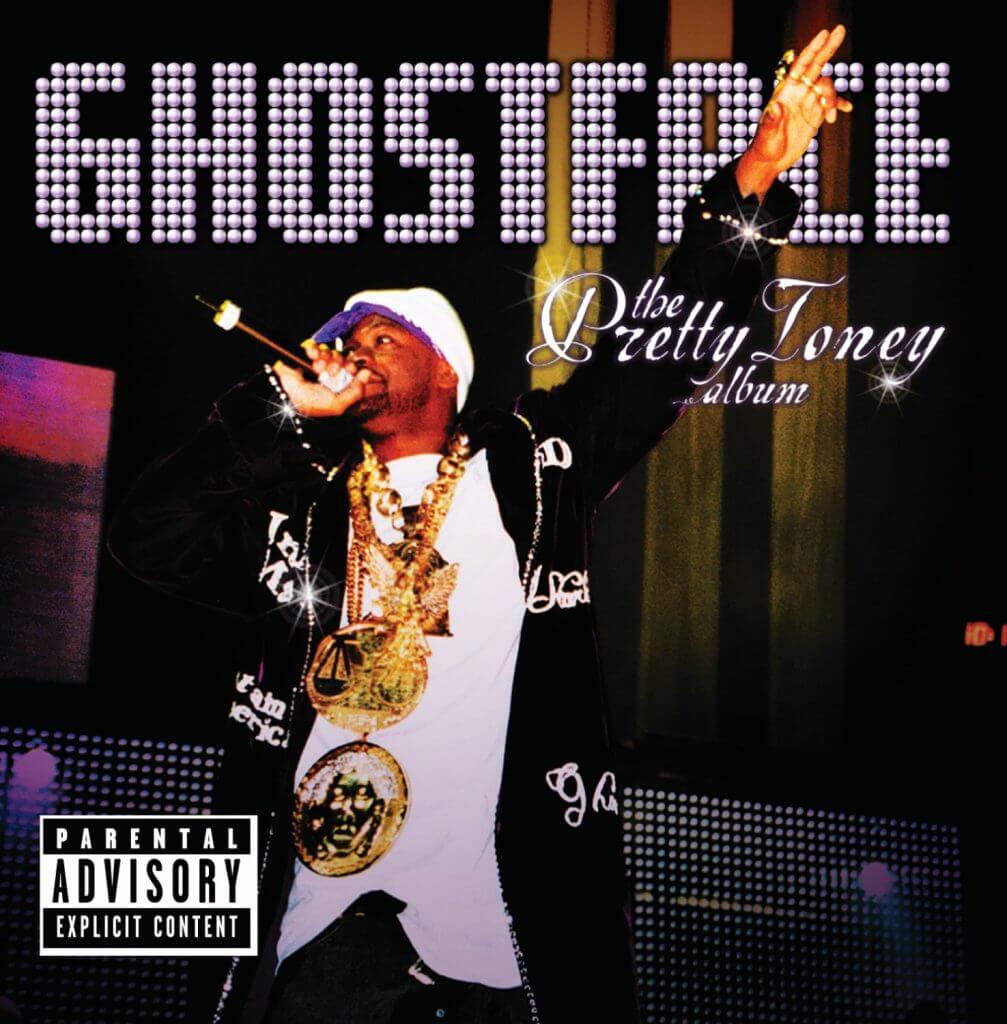
Following Supreme Clientele, Ghostface Killah took another step away from the Wu-Tang Clan with The Pretty Toney Album, his fourth solo release and the first to feature no appearances from his fellow Clan members. Dropping “Killah” from his name for the occasion, he delivered a lively, soul-drenched record that draws heavily on the classic R&B and soul sounds that have always informed his music. The production comes from a varied cast, including RZA, No I.D., Nottz, True Master, K-Def, and Minnesota, with sped-up vocal samples, warm grooves, and rugged drums providing a fitting backdrop for Ghostface’s animated delivery.
The album gets off to a strong start with “Biscuits,” “Beat the Clock,” and the hard-hitting “Metal Lungies,” featuring Sheek Louch and Styles P. “Run,” with Jadakiss, is another highlight, its urgent RZA production matching the breathless intensity of the two MCs. Ghostface is equally effective when he turns to more soulful material. On “Holla,” he raps over the original recording of the Delfonics’ “La-La (Means I Love You),” creating one of the album’s most memorable moments. “Save Me Dear” and “Love,” featuring Musiq Soulchild, offer further examples of his ability to move between street narratives and more personal subject matter without losing his distinctive voice.
There are a few drawbacks. The numerous skits interrupt the album’s momentum, and tracks such as “Tush,” featuring Missy Elliott, lean a little too heavily towards commercial R&B. The absence of Raekwon and the other Wu-Tang members is noticeable at times, although Ghostface has no trouble carrying the album himself.
The Pretty Toney Album doesn’t reach the heights of Supreme Clientele, but in places it comes pretty close. A vibrant, consistently engaging record, it ranks among the strongest releases in Ghostface’s solo catalogue. | 8/10
5. Sour Soul (with BADBADNOTGOOD) (2015)
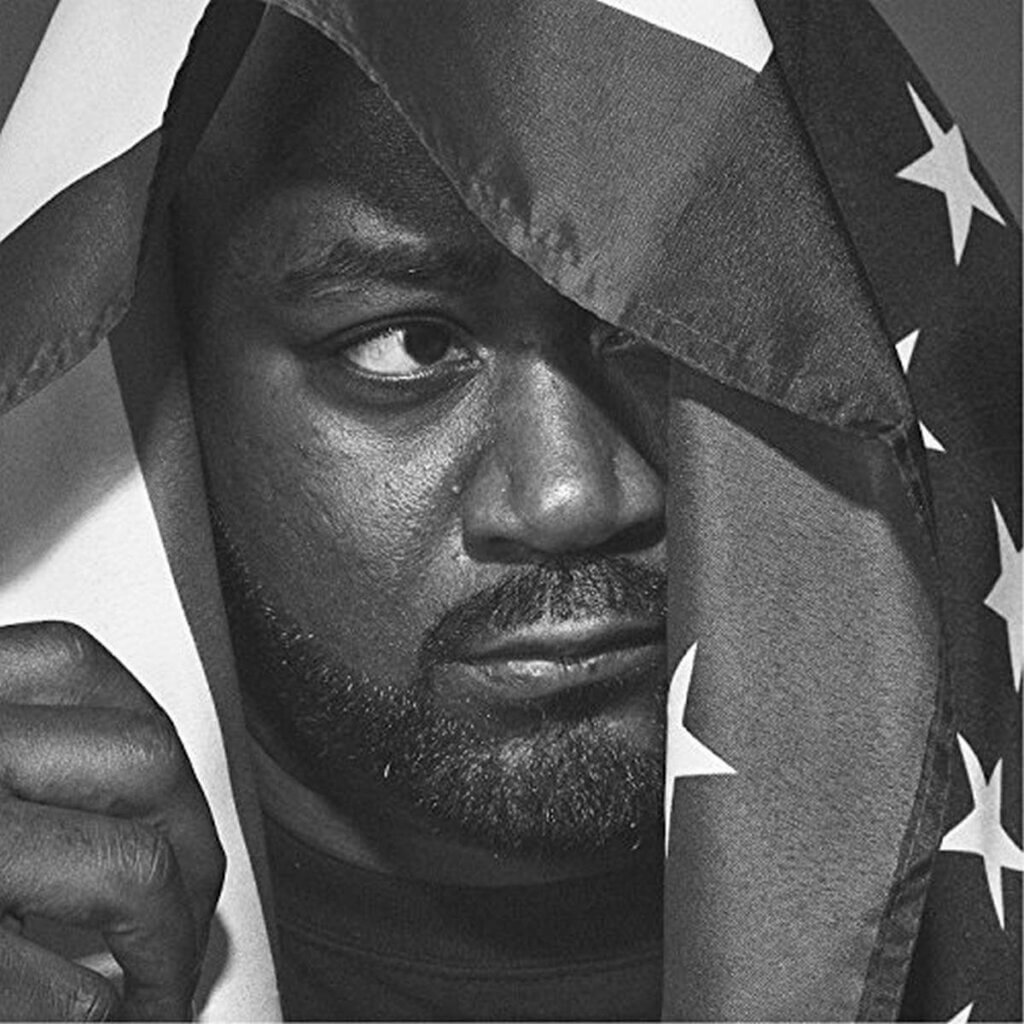
Ghostface Killah’s collaboration with Canadian jazz trio BADBADNOTGOOD resulted in one of the most enjoyable records in his later catalogue. Released in 2015, Sour Soul pairs Ghost’s unmistakable delivery with a live, jazz-funk sound that draws heavily on the music and recording techniques of the 1960s and ’70s. Produced by Frank Dukes, with additional contributions from BADBADNOTGOOD, the album favours warm basslines, crisp drums, eerie horns, and richly layered instrumentation over the sample-based approach traditionally associated with Ghostface. The combination works remarkably well, giving his street narratives and eccentric lyrical excursions a fresh musical setting.
The band proves an excellent match for Ghostface, whose animated flow and instinctive sense of rhythm fit naturally over these arrangements. The title track sets the tone, while “Six Degrees,” featuring Danny Brown, is an early highlight, with Brown’s unpredictable energy providing an entertaining contrast to Ghost’s seasoned delivery. “Gunshowers,” featuring Elzhi, brings another strong lyrical performance, while “Ray Gun” pairs Ghostface with MF DOOM for a particularly inspired meeting of two distinctive voices. The instrumental “Stark’s Reality” also deserves mention, offering a brief glimpse of the band’s musical range.
At just under 33 minutes, Sour Soul is a relatively brief affair, with three instrumental pieces taking up part of its twelve-track sequence. A little more Ghostface would have been welcome, and the album occasionally leaves us wanting to hear these musical ideas developed further. Still, its concise format suits the project, and the quality of the performances makes it easy to return to.
Sour Soul isn’t necessarily Ghostface’s most significant artistic statement, but it is one of the most consistently enjoyable entries in his catalogue. A distinctive collaboration that brings out the best in everyone involved, it remains one of the Ghostface albums we return to most often. | 8/10
4. Twelve Reasons to Die (with Adrian Younge) (2013)
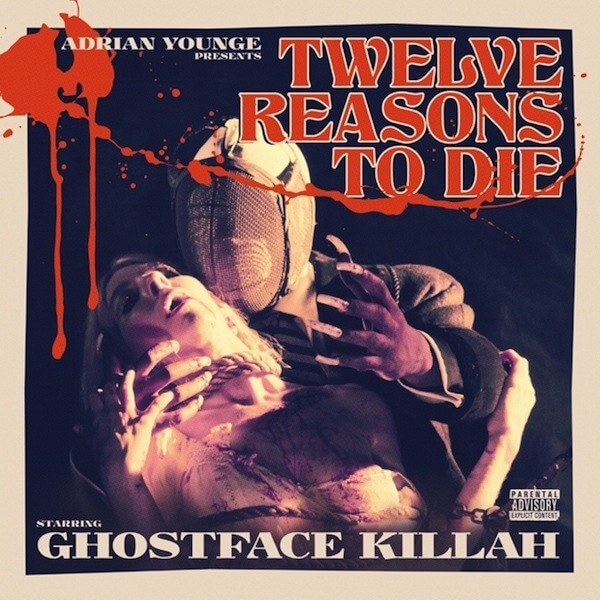
Ghostface Killah’s collaboration with composer and producer Adrian Younge resulted in one of the most distinctive projects of his later career. Released in 2013, Twelve Reasons to Die is a concept album set in 1960s Italy, with Ghostface reprising his Tony Starks alter ego as an enforcer for a crime family. After falling in love with the boss’s daughter and attempting to break away, Starks is murdered by his former employers. His remains are pressed into twelve vinyl records, which resurrect him as the Ghostface Killah, an instrument of revenge. RZA executive-produces and narrates the story, which was also developed into a comic book.
Younge provides all the production, drawing heavily on vintage Italian horror scores, blaxploitation soundtracks, and the work of Ennio Morricone. Live instrumentation, ominous strings, dramatic horns, dusty drums, and soulful vocal arrangements give the album a remarkably cohesive cinematic atmosphere. It is a different musical setting for Ghostface, but one that suits his vivid storytelling and theatrical delivery particularly well. Tracks such as “Beware of the Stare,” “Rise of the Ghostface Killah,” and “The Sure Shot (Parts 1 and 2)” capture the dark, revenge-driven mood, while “The Center of Attraction” and “Enemies All Around Me” add further depth to the narrative.
The numerous Wu-Tang appearances, including Masta Killa, Inspectah Deck, U-God, and Cappadonna, fit naturally into the proceedings, with “Murder Spree” providing a particularly strong ensemble moment. At just under 40 minutes, the album is tightly constructed, although the short tracks and frequent guest contributions occasionally leave us wanting more Ghostface.
Twelve Reasons to Die is an imaginative and highly entertaining collaboration, with Younge’s atmospheric production giving Ghostface an inspired setting for his crime-fiction storytelling. One of the strongest entries in his post-Fishscale catalogue. | 8.5/10
3. Fishscale (2006)
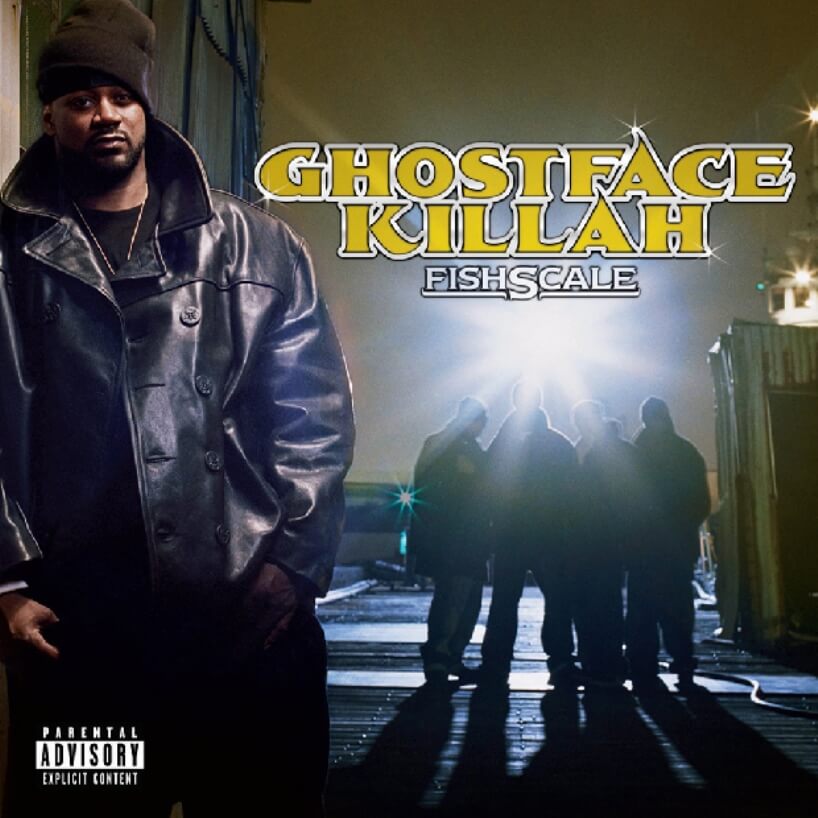
Ghostface Killah was already enjoying a remarkable run by the time Fishscale arrived in March 2006, with Supreme Clientele and The Pretty Toney Album having established him as one of Hip Hop’s most inventive and reliable MCs. His fifth solo album continued that streak, delivering another vivid collection of street narratives, eccentric characters, and personal reflections. Named after a term for high-grade cocaine, Fishscale largely revolves around the drug trade, but Ghostface’s storytelling is too imaginative to remain within familiar territory for long. On “Shakey Dog,” he narrates an apartment robbery with such extraordinary attention to detail that the listener can almost feel the tension building inside the room. “Kilo” approaches similar subject matter with a playful touch, while “Underwater” takes a surreal detour into a fantasy involving SpongeBob SquarePants.
One of the album’s greatest strengths is its production. With RZA absent from the credits, Ghostface turns to an impressive collection of producers, including MF DOOM, J Dilla, Pete Rock, and Just Blaze. The resulting sound is varied without losing its coherence. DOOM’s off-kilter loops give “9 Milli Bros,” featuring the Wu-Tang Clan, and “Underwater” an appropriately strange atmosphere, while Dilla’s soulful contributions to “Beauty Jackson” and “Whip You With a Strap” bring a more introspective dimension. Pete Rock supplies the smooth, sample-driven groove of “Be Easy,” and Just Blaze delivers the bombastic “The Champ,” one of the album’s most immediate highlights.
Ghostface’s ability to move between wildly different moods is what makes Fishscale so rewarding. The animated street tales sit comfortably alongside the childhood memories of “Whip You With a Strap,” while “Back Like That,” featuring Ne-Yo, provides a surprisingly effective R&B crossover. The album also benefits from a strong supporting cast, with Raekwon, Cappadonna, and other Wu-Tang members appearing throughout.
Widely acclaimed upon release, Fishscale reminded listeners that Ghostface remained at the top of his game a decade into his career. | 8.5/10
2. Ironman (1996)
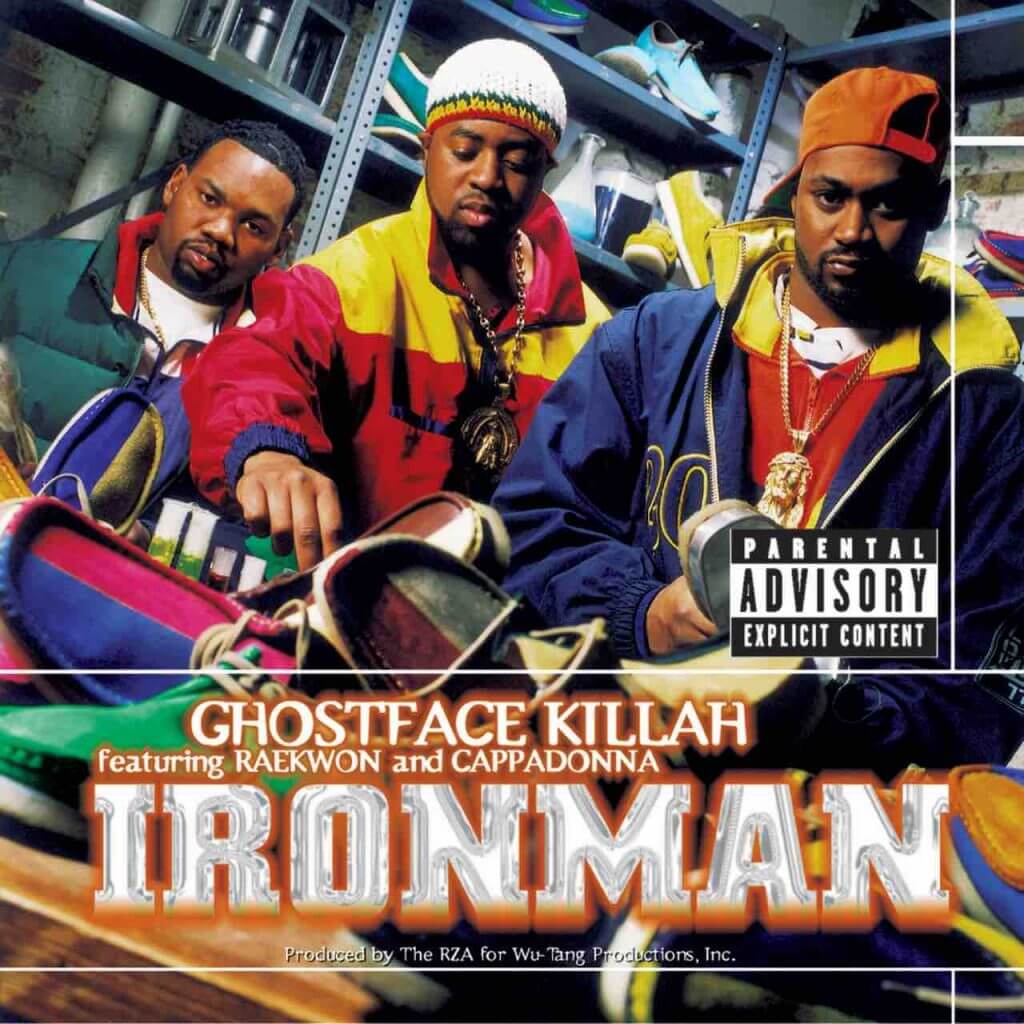
Ironman captures Ghostface Killah at the moment he began to emerge as one of the Wu-Tang Clan’s most distinctive voices. Released not long after Raekwon’s Only Built 4 Cuban Linx…, Ghostface’s solo debut shares much of that album’s criminal underworld imagery, but approaches it with a warmer, more soulful sound and a greater emphasis on personal storytelling. RZA handles nearly all the production, combining early-70s soul samples, dark keyboards, and rugged drums into a sound that is cinematic, melancholic, and occasionally menacing. The blaxploitation influence runs throughout, giving the album a strong sense of atmosphere without distracting from the music itself.
Although billed as a solo album, Ironman is very much a collaborative effort. Raekwon appears on twelve of its seventeen tracks, while Cappadonna is another frequent presence. Their chemistry with Ghostface is exceptional, whether trading rapid-fire verses on “Iron Maiden” and “Daytona 500” or navigating the darker street narratives of “Motherless Child” and “260.” “Winter Warz” is another highlight, with Cappadonna delivering one of the most memorable guest verses in Hip Hop history. Ghostface’s own delivery is already remarkably animated, shifting between breathless urgency, stream-of-consciousness rhymes, and vivid storytelling.
The album’s emotional range is equally impressive. “All That I Got Is You,” featuring Mary J. Blige, is a deeply personal account of Ghostface’s impoverished childhood and the sacrifices his mother made to raise her children. His vulnerability gives the song an emotional weight that contrasts sharply with the street tales elsewhere on the record. “After the Smoke Is Clear,” with the Delfonics, adds another soulful touch, while “Assassination Day” brings together Raekwon, Inspectah Deck, and RZA for a darker dose of Wu-Tang menace.
There are occasional rough edges. “Wildflower” is driven by a terrific, dramatic beat, but Ghostface’s bitter and explicitly misogynistic attack makes for uncomfortable listening. Still, such moments do little to diminish the album’s overall strength. Ironman is a richly textured, remarkably cohesive record that established the foundations for Ghostface’s extraordinary solo career. It remains one of the finest albums in the Wu-Tang catalogue. | 9/10
1. Supreme Clientele (2000)
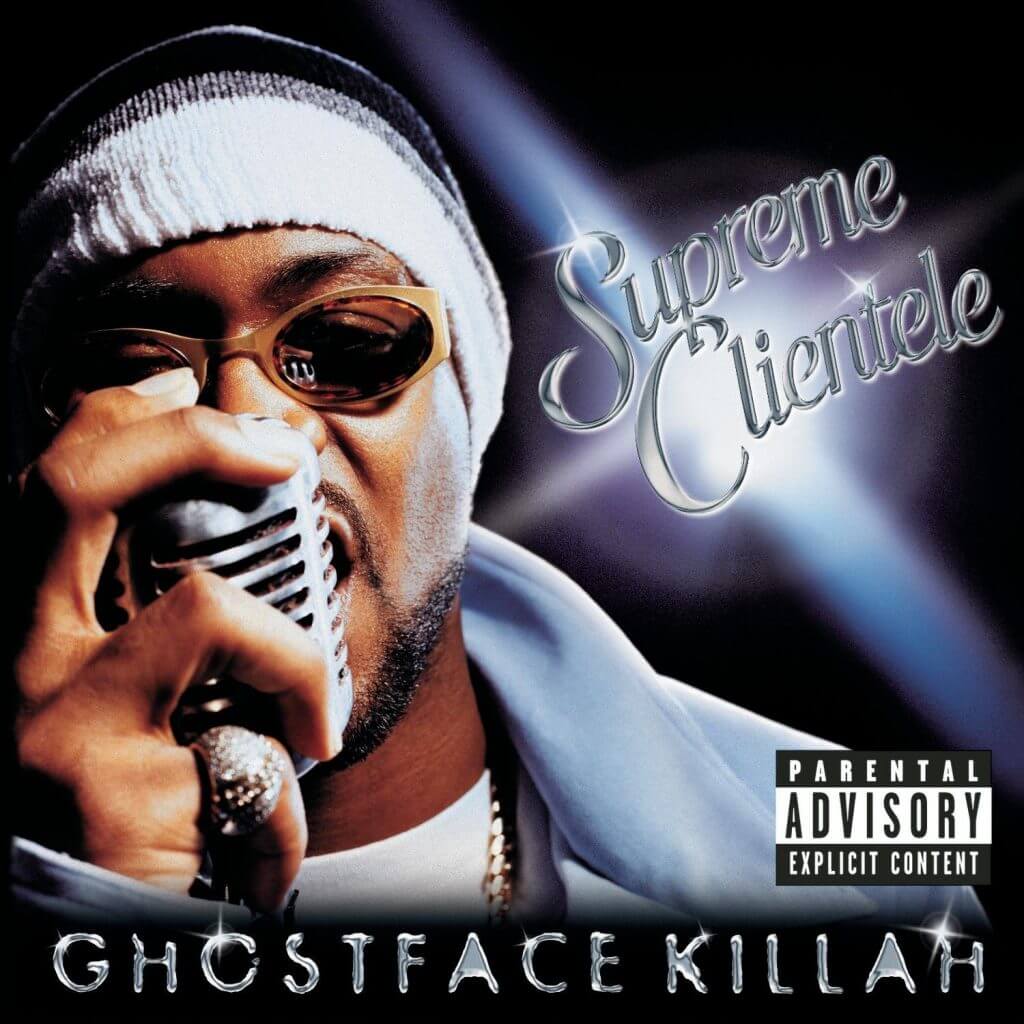
Widely regarded as Ghostface Killah’s finest album and one of the greatest solo releases in the Wu-Tang Clan catalogue, Supreme Clientele dropped at a time when the collective’s post-Wu-Tang Forever output had lost some of its earlier momentum. While several fellow Clan members struggled to recapture their mid-’90s form, Ghostface delivered a spectacular return to form, reaffirming his position as one of Hip Hop’s most inventive and charismatic MCs. His writing had taken an unexpected turn since Ironman, moving away from linear street narratives towards a feverish stream of consciousness filled with bizarre imagery, obscure references, fractured slang, and unpredictable rhyme patterns. The result is an album that rewards repeated listening, with verses that seem to reveal new details every time.
Opening track “Nutmeg” immediately establishes this approach, while “Mighty Healthy” finds Ghost in particularly inspired form, riding Mathematics’ hard-hitting production with extraordinary rhythmic control. RZA oversaw much of the album’s production, reworking contributions from several producers to create a remarkably cohesive sound. The soulful samples, rugged drums, and inventive arrangements provide an ideal backdrop for Ghostface’s lyrical excursions. Highlights include the triumphant “Apollo Kids,” featuring Raekwon, the infectious “Cherchez LaGhost,” and the excellent Clan posse cut “Wu Banga 101,” with GZA, Raekwon, Cappadonna, and Masta Killa. “Stroke of Death” takes things in a more experimental direction, with RZA’s abrasive, unconventional production pushing Ghost’s delivery into increasingly frantic territory.
The album isn’t without imperfections. At 64 minutes, its numerous skits and interludes occasionally interrupt the momentum, and some of the shorter tracks leave you wanting more. Those minor complaints barely register against the strength of the material, however. Supreme Clientele is Ghostface at his most inspired, unpredictable, and entertaining, an extraordinary display of lyrical imagination and musical chemistry that remains a high point of 2000s Hip Hop. | 9/10